
Foot Biomechanics Explained: 80% Experience Pain Relief
Up to 80% of adults experience biomechanical foot pain at some point in their lifetime, yet most people assume their discomfort stems from injury alone. Understanding how your feet actually work can transform your approach to footwear and dramatically reduce pain. This guide breaks down foot anatomy, explains why biomechanical imbalances cause most foot problems, and shows you how to choose shoes that support your natural movement patterns for lasting comfort.
Table of Contents
- What Is Foot Biomechanics?
- Biomechanics And Foot Pain
- Impact Of Footwear On Biomechanics
- Footwear Solutions To Improve Biomechanics
- Common Misconceptions About Foot Biomechanics
- Applying Biomechanics Knowledge To Shoe Selection
- Explore YDA UK’s Footwear For Optimal Biomechanics
- Frequently Asked Questions
Key Takeaways
| Point | Details |
|---|---|
| Foot biomechanics involve complex structures | 26 bones, 33 joints, and multiple muscles and tendons work dynamically during every step. |
| Biomechanical dysfunction drives pain | Up to 80% of musculoskeletal foot pain relates to imbalances, not just injuries. |
| Poor footwear increases pain risk | Unsupportive shoes are linked to 50% increased foot pain incidence. |
| Biomechanical shoes enhance performance | Properly designed footwear improves gait efficiency by 5-10% and reduces fatigue. |
| Stylish shoes can support biomechanics | Modern designs combine effective biomechanical support with appealing aesthetics. |
What is Foot Biomechanics?
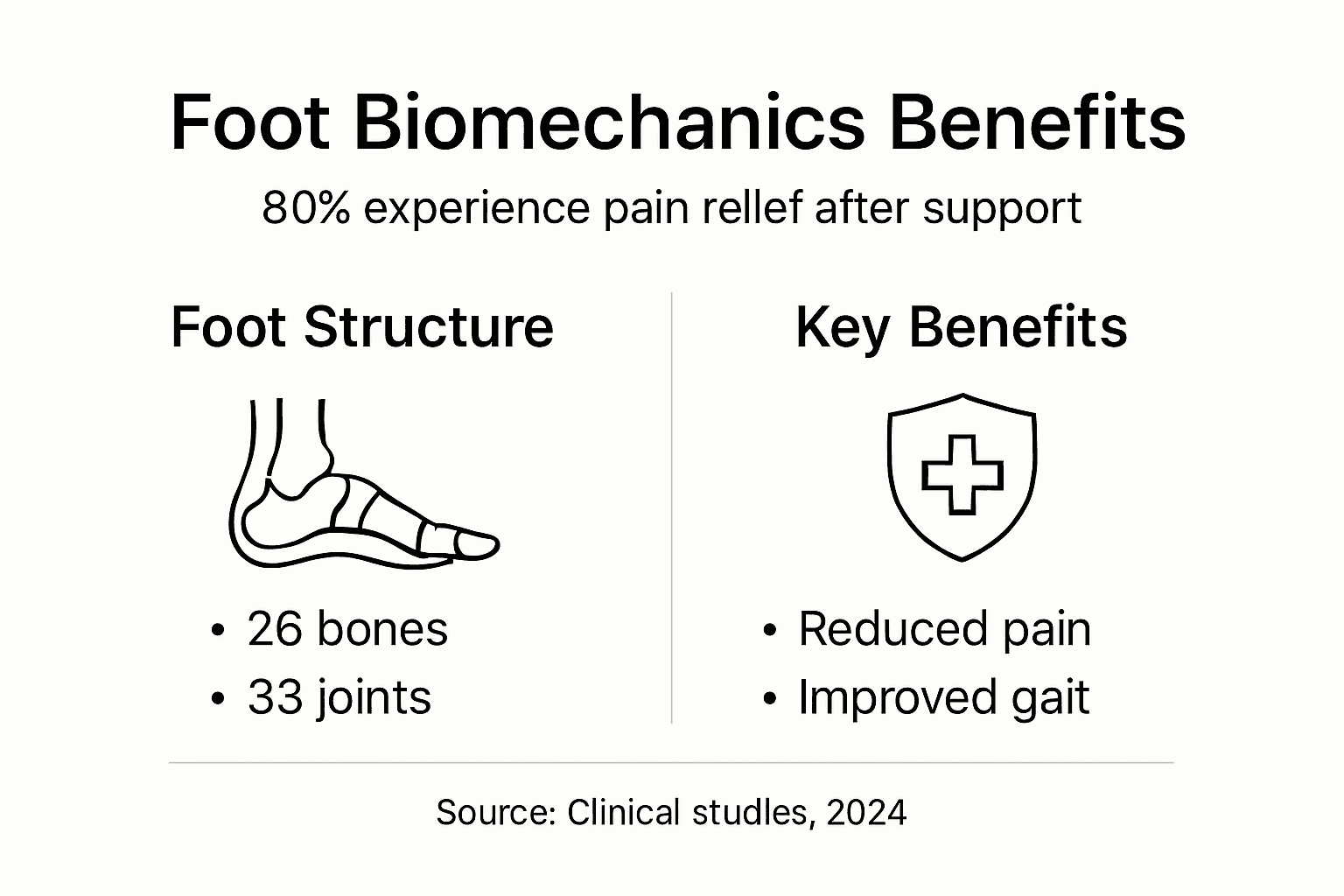
Foot biomechanics examines how your feet move and function during walking, running, and standing. Your foot contains 26 bones, 33 joints, and multiple muscles and tendons that interact dynamically during movement. These structures work together to create both a rigid platform for support and an adaptive mechanism for shock absorption.
The biomechanical analysis focuses on forces, motions, and load distribution throughout your gait cycle. Each step involves a complex sequence where your foot transitions from flexible to rigid and back again. This dynamic interaction enables balance, propulsion, and smooth movement across varied surfaces.
Key biomechanical concepts include:
- Pronation: The natural inward roll of your foot that helps absorb impact
- Supination: The outward roll that provides stability during push off
- Arch mechanics: How your arch height affects pressure distribution
- Joint alignment: The positioning of ankle, subtalar, and midfoot joints during motion
- Muscle activation patterns: The timing and strength of muscle contractions supporting movement
Understanding these principles helps you recognize when something feels wrong and identify what type of support your feet actually need. Normal biomechanics create efficient, pain free movement, while dysfunction leads to compensatory patterns that strain muscles, tendons, and joints.
Biomechanics and Foot Pain
Biomechanical assessments analyze walking and foot alignment to identify the root causes of persistent pain. These evaluations reveal abnormal gait patterns and joint misalignments that create stress on specific structures. Rather than assuming all pain stems from acute injuries, healthcare providers now recognize that up to 80% of people experience musculoskeletal foot pain related to biomechanical imbalances.
Common conditions caused by biomechanical dysfunction include:
- Bunions: Develop when improper weight distribution pushes the big toe joint outward
- Hammer toes: Result from muscle imbalances that pull toes into bent positions
- Plantar fasciitis: Occurs when excessive pronation strains the plantar fascia tissue
- Achilles tendinopathy: Stems from altered gait mechanics that overload the tendon
- Metatarsalgia: Arises from poor pressure distribution across the forefoot
Pain often results from muscle and tendon dysfunction rather than structural damage. Your body compensates for biomechanical inefficiencies by overworking certain muscles while underusing others. Over time, this imbalance creates inflammation, fatigue, and chronic discomfort.
Understanding the origin of your pain guides effective treatment approaches. Conservative interventions like footwear modifications address the underlying biomechanical causes rather than just masking symptoms. Early intervention prevents minor imbalances from progressing into severe deformities requiring surgical correction.
Pro Tip: Schedule a gait analysis with a podiatrist if you experience persistent foot pain lasting more than two weeks, as early detection prevents progression of biomechanical problems.
Impact of Footwear on Biomechanics
Your shoe choice directly influences how your foot joints align and how forces distribute during movement. Footwear acts as an interface between your feet and the ground, either supporting natural biomechanics or disrupting healthy movement patterns. Poor footwear is linked to up to 50% increased foot pain incidence compared to properly supportive shoes.
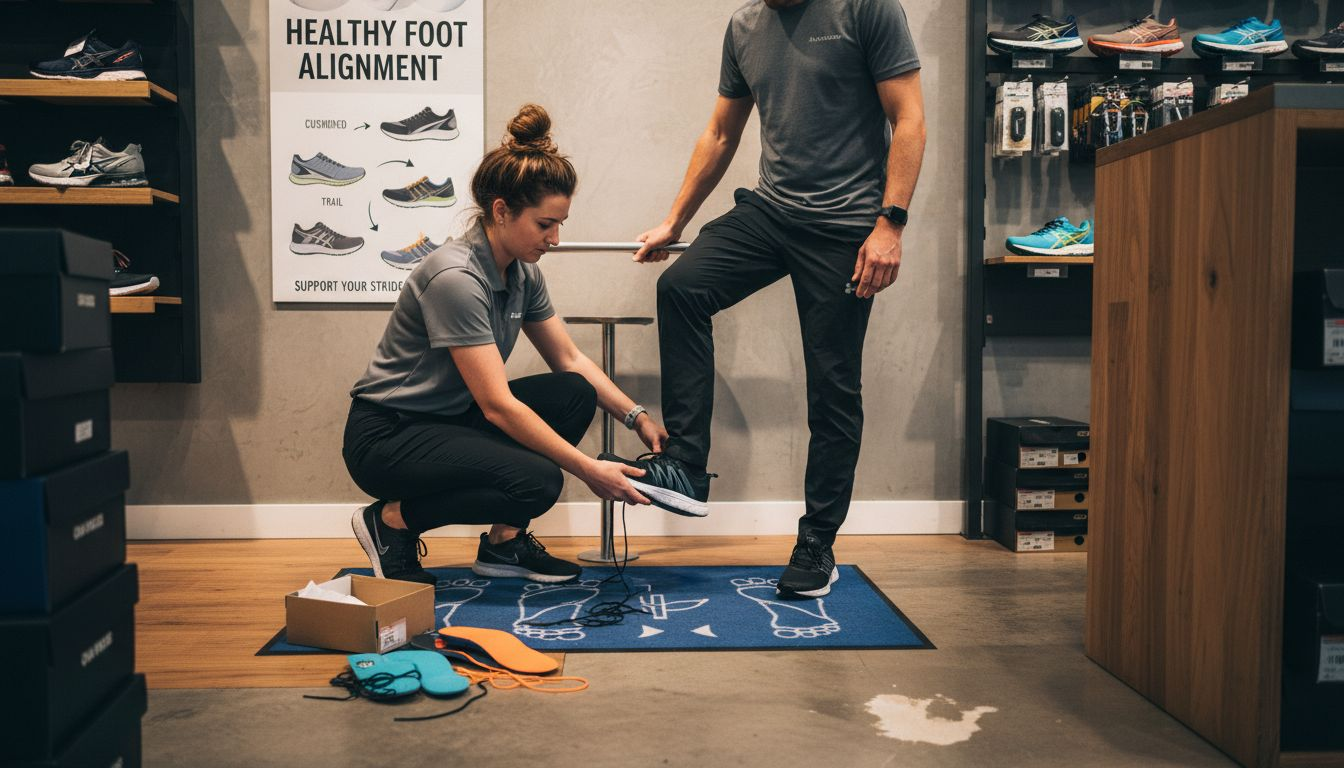
Unsupportive shoes cause multiple biomechanical problems. Inadequate arch support allows excessive pronation, while stiff soles prevent natural foot flexion. Narrow toe boxes compress forefoot structures, and unstable heel counters fail to control rearfoot motion. Each of these design flaws alters your gait mechanics and increases injury risk.
Supportive footwear stabilizes joints and distributes plantar pressure evenly across your foot. This balanced distribution reduces peak pressures on vulnerable areas like the heel and forefoot. Proper cushioning absorbs impact forces that would otherwise stress bones and soft tissues.
Critical footwear features for biomechanical health include:
- Arch support: Maintains proper foot alignment and prevents excessive pronation
- Cushioning systems: Absorb shock and reduce impact forces on joints
- Heel counter: Stabilizes the rearfoot and controls excessive motion
- Toe box width: Allows natural toe splay and prevents compression
- Flexible sole: Permits normal foot flexion during toe off phase
Selecting footwear based on biomechanical principles significantly reduces pain incidence and improves comfort. Understanding how shoe design affects the role of stability in footwear helps you make informed decisions. Investing in properly supportive footwear prevents biomechanical dysfunction before it causes chronic problems.
Footwear Solutions to Improve Biomechanics
Biomechanically designed shoes incorporate specific technologies that enhance support and optimize foot function. These evidence based features address common biomechanical imbalances while maintaining comfort for all day wear. Understanding which technologies benefit your specific foot type helps you select shoes that actually solve problems rather than just looking good.
Orthotic insoles reduce plantar pressure by 20-30% in patients with foot pain, making them one of the most effective interventions. Custom and prefabricated orthotics redistribute weight away from overloaded areas while supporting proper arch alignment. They work synergistically with supportive shoe designs to maximize biomechanical benefits.
Biomechanically designed shoes improve gait efficiency by 5-10% and reduce fatigue during prolonged standing or walking. This improvement stems from better energy return, optimal joint positioning, and reduced compensatory muscle activation. The cumulative effect means less strain on your entire lower kinetic chain.
| Feature | Standard Footwear | Biomechanical Footwear |
|---|---|---|
| Arch Support | Minimal or absent | Anatomically contoured with specific density zones |
| Heel Counter | Flexible or loose | Rigid stabilization with extended medial support |
| Cushioning | Basic foam padding | Multi density systems targeting specific pressure zones |
| Orthotic Compatibility | Thin, non removable insole | Removable insole with adequate depth for custom orthotics |
| Motion Control | Limited guidance | Strategic reinforcement preventing excessive pronation |
Key features to prioritize when selecting biomechanical footwear:
- Contoured footbeds: Match natural arch shape for optimal support distribution
- Multi density midsoles: Combine cushioning with stability where needed
- Extended heel counters: Provide rearfoot control without restricting ankle motion
- Rocker sole designs: Facilitate smooth heel to toe transition reducing joint stress
- Breathable uppers: Maintain foot health while accommodating orthotic devices
Whether you need orthopaedic shoes for specific foot health conditions or general biomechanical support, understanding these features guides better choices. Learn how to evaluate shoe technology systematically, and use practical guides for buying healthy footwear online to ensure proper fit.
Pro Tip: Replace biomechanical footwear every 300 to 500 miles of use, as cushioning and support structures degrade with wear even when uppers appear intact.
Common Misconceptions About Foot Biomechanics
Several persistent myths prevent people from addressing biomechanical foot problems effectively. Correcting these misconceptions helps you make informed decisions about footwear and treatment approaches.
-
Myth: All foot pain comes from injuries. Reality: Up to 70% of chronic foot pain cases are biomechanical in origin and improve with conservative care like proper footwear and orthotics. Most people never experience a specific injury but develop pain gradually from accumulated biomechanical stress.
-
Myth: Stylish shoes cannot provide biomechanical support. Reality: Modern footwear technology allows stylish shoes to provide effective biomechanical support without sacrificing aesthetics. Manufacturers now integrate supportive features into contemporary designs that appeal to fashion conscious consumers.
-
Myth: Footwear has minimal impact on foot pain. Reality: Research clearly links poor shoe choices to increased pain incidence. Unsupportive footwear contributes to 50% higher pain rates, while appropriate shoes significantly reduce discomfort and prevent condition progression.
-
Myth: Surgery is the only solution for biomechanical problems. Reality: Conservative treatments including footwear modification, orthotics, and targeted exercises resolve most biomechanical issues. Surgery becomes necessary only when structural deformities prevent function or conservative care fails after sustained effort.
-
Myth: Expensive shoes always provide better biomechanical support. Reality: Price does not guarantee appropriate support for your specific foot type. Some budget friendly options offer excellent biomechanical features, while luxury brands may prioritize fashion over function.
-
Myth: You need different shoes for every activity. Reality: While activity specific footwear optimizes performance, quality biomechanical shoes suitable for daily wear handle most common activities effectively. Focus first on everyday footwear that supports healthy biomechanics.
Educating yourself about foot biomechanics empowers better footwear decisions. Understanding which features matter for your foot type helps you identify shoes suitable for problem feet without falling for marketing claims or appearance alone.
Applying Biomechanics Knowledge to Shoe Selection
Translating biomechanics knowledge into practical footwear choices requires a systematic approach. Follow these steps to select shoes that genuinely support your foot health rather than relying on guesswork or marketing claims.
-
Identify your foot type and specific conditions. Determine whether you have flat, neutral, or high arches. Note any existing problems like bunions, plantar fasciitis, or previous injuries. This assessment guides which support features you need most.
-
Evaluate essential biomechanical features. Look for adequate arch support matching your foot type, cushioning systems that absorb impact, and stable heel counters that control motion. Check that the toe box provides sufficient width for natural toe splay.
-
Assess orthotic compatibility if needed. If you use custom orthotics or plan to add supportive insoles, ensure shoes have removable insoles and adequate depth. The shoe should accommodate your orthotic without creating pressure points or altering fit.
-
Test shoes for your specific gait pattern. Walk in potential purchases to assess how they affect your natural stride. Quality biomechanical footwear should feel supportive without restricting natural movement or causing any rubbing or pressure.
-
Consider activity specific requirements. Match footwear features to your primary activities. Standing jobs require different cushioning than walking focused activities, while athletic pursuits may need enhanced stability features.
-
Consult professionals for persistent issues. If you experience ongoing pain despite footwear changes, seek evaluation from a podiatrist or biomechanics specialist. They can identify subtle gait abnormalities requiring targeted interventions beyond general supportive footwear.
Use comprehensive resources like the footwear selection guide to understand how different features address specific conditions. Follow a structured workflow for finding the right shoes that matches your assessment to appropriate options. For specific issues, targeted guides like how to pick shoes for flat feet provide detailed feature recommendations.
Applying biomechanics principles to shoe selection transforms footwear from a fashion choice into a health intervention. The right shoes reduce pain, improve function, and prevent progression of biomechanical problems that could otherwise require medical treatment.
Explore YDA UK’s Footwear for Optimal Biomechanics
YDA UK specializes in biomechanically designed footwear that combines style with genuine foot health benefits. Our shoes incorporate evidence based features that support natural foot function while reducing fatigue and discomfort during daily activities.
Each design integrates supportive technologies addressing common biomechanical issues without compromising contemporary aesthetics. Whether you need general support or have specific foot conditions, our range offers solutions backed by biomechanical principles. Our detailed product descriptions help you understand how each feature benefits your foot health.
Explore our footwear selection for energy and comfort to discover options optimized for all day wear. Learn about the innovations behind our designs through our footwear technology explained guide. Visit YDA UK today to find stylish, biomechanically supportive footwear that transforms your foot health and daily comfort.
Frequently Asked Questions
What are the main signs of biomechanical foot problems?
Persistent pain in the arch, heel, or forefoot that worsens with activity indicates biomechanical dysfunction. You might notice uneven shoe wear patterns, difficulty finding comfortable footwear, or fatigue during normal walking. Other signs include visible foot deformities like bunions, changes in your natural gait, or pain that improves with rest but returns quickly.
Can all foot pain be relieved by changing footwear?
Footwear changes resolve many biomechanical pain cases but not all conditions. Up to 70% of chronic foot pain improves with appropriate supportive shoes and orthotics. However, severe structural deformities, inflammatory conditions, or neurological issues may require medical treatment beyond footwear modification. Start with proper shoes, but consult a healthcare provider if pain persists beyond four weeks.
How do I know if my shoes support my foot biomechanics?
Proper biomechanical shoes feel supportive without pressure points and allow natural toe movement. Check that your arch contacts the shoe’s arch support, the heel counter holds your rearfoot firmly without slipping, and cushioning absorbs impact comfortably. Walk in the shoes to ensure they guide your gait smoothly without forcing unnatural movements or creating hot spots.
Are orthotic insoles suitable for everyone?
Orthotic insoles benefit most people with biomechanical foot pain or structural imbalances. However, individuals with certain conditions like severe peripheral neuropathy or acute foot ulcers may require specialized devices. Prefabricated orthotics work well for mild to moderate issues, while custom devices address complex biomechanical problems. Consult a podiatrist to determine the most appropriate orthotic type for your needs.
Can stylish shoes also promote foot health?
Modern footwear technology successfully integrates biomechanical support into aesthetically appealing designs. Many manufacturers now prioritize both style and function, creating shoes that look contemporary while providing essential features like arch support, cushioning, and stability. Focus on brands specializing in biomechanical footwear that demonstrate commitment to evidence based design rather than fashion alone.