
Why Choose Orthopaedic Shoes for Lasting Foot Health
Foot pain from conditions such as diabetes or plantar fasciitis can turn everyday activities into exhausting challenges. Choosing the right footwear matters not just for style but for lasting comfort and mobility. Orthopaedic shoes are specialised footwear that provide therapeutic support and help manage foot health for people with unique needs. Discover how modern designs are blending science and style, offering options that target pain relief and keep you moving confidently.
Table of Contents
- Understanding Orthopaedic Shoes and Their Purpose
- Common Types for Foot Health Conditions
- Core Features Enhancing Comfort and Support
- How Orthopaedic Shoes Differ from Standard Footwear
- Potential Risks of Ignoring Proper Footwear
Key Takeaways
| Point | Details |
|---|---|
| Understanding Orthopaedic Shoes | These specialised footwear solutions improve foot health by providing therapeutic support and accommodating various lower limb conditions. |
| Importance of Professional Fitting | Consulting a podiatrist is crucial to ensure that orthopaedic shoes are tailored to meet individual foot health needs. |
| Impact of Improper Footwear | Neglecting appropriate footwear can lead to severe musculoskeletal complications and chronic discomfort. |
| Key Features of Orthopaedic Shoes | Advanced design elements, such as customised soles and adaptive fitting, enhance comfort and support for diverse biomechanical requirements. |
Understanding Orthopaedic Shoes and Their Purpose
Orthopaedic shoes are specialised footwear designed to provide therapeutic support and enhance foot health for individuals experiencing various lower limb conditions. Unlike standard shoes that merely cover and protect feet, these therapeutic footwear solutions modify foot function to alleviate discomfort and improve overall mobility.
These unique shoes incorporate several advanced features that distinguish them from conventional footwear. Key design elements include:
- Extra depth to accommodate custom orthotic devices
- Wide toe boxes allowing natural toe spread
- Firm heel counters providing enhanced stability
- Rocker bottom soles to facilitate smoother walking patterns
- Padded heel collars for improved comfort
Orthopaedic shoes play a crucial role in managing foot health by addressing biomechanical challenges. Designed with precision for foot stability, they are particularly beneficial for individuals with foot deformities, joint abnormalities, or chronic conditions that impact walking comfort.
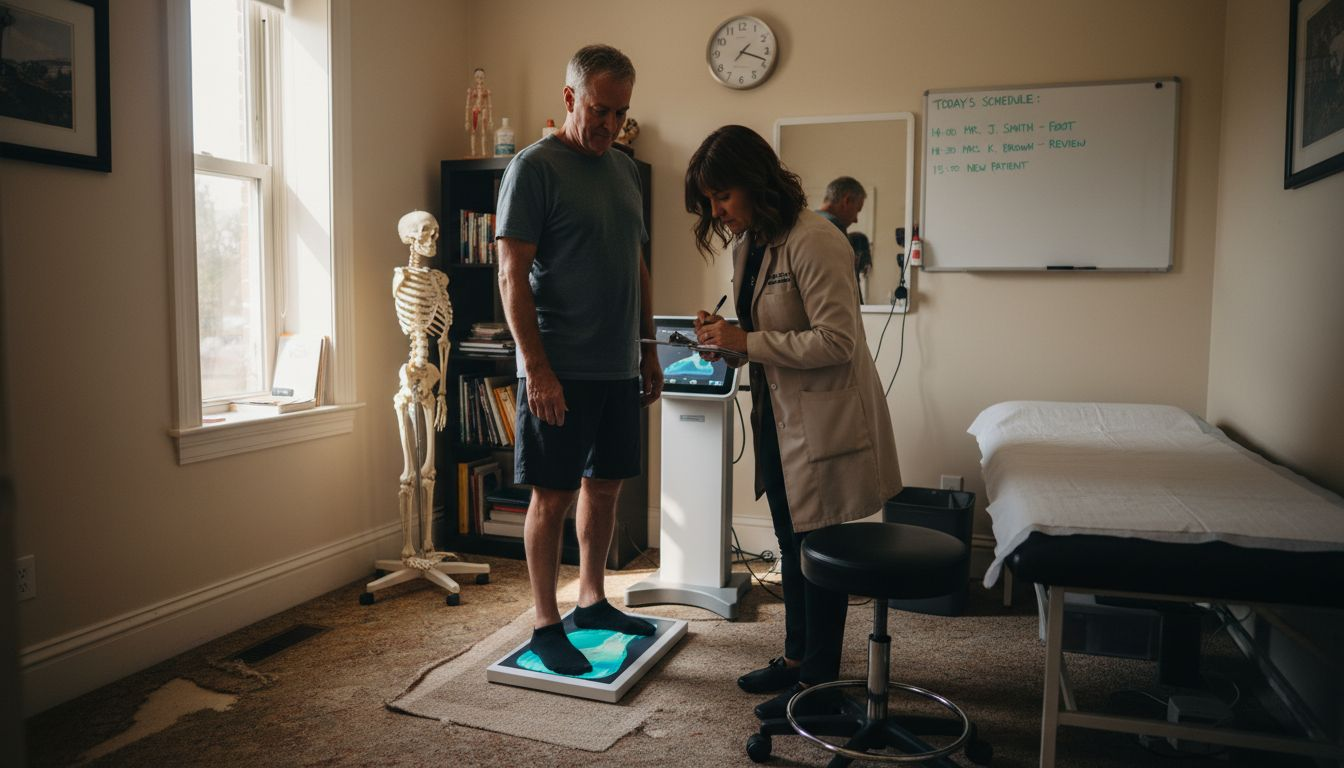
Biomechanical Considerations are central to orthopedic shoe design. Manufacturers carefully analyse foot structure, pressure points, and movement patterns to create footwear that supports natural foot mechanics while reducing strain and potential complications.
Pro tip: When selecting orthopedic shoes, prioritise professional fitting and consult a podiatrist to ensure the shoes match your specific foot health requirements.
Common Types for Foot Health Conditions
Orthopaedic footwear has evolved to address diverse foot health challenges, offering specialised solutions for individuals with specific medical conditions. Orthopedic shoes encompass multiple categories designed to provide targeted support and alleviate discomfort associated with various foot-related issues.
The primary categories of orthopedic shoes include:
-
Diabetic Shoes: Specifically designed for sensitive feet
- Extra depth to prevent friction
- Soft interior materials
- Reduced pressure points
-
Plantar Fasciitis Shoes: Engineered for heel and arch support
- Robust arch cushioning
- Enhanced shock absorption
- Structured heel stabilisation
-
Arthritic Condition Footwear: Focus on joint protection and mobility
- Flexible construction
- Additional stability features
- Lightweight materials to reduce joint stress
Custom-fit orthopedic footwear solutions are particularly crucial for individuals with unique foot structures or severe deformities. These specialised shoes go beyond standard sizing, offering personalised design elements that address individual biomechanical requirements.
Anatomical Considerations play a significant role in orthopedic shoe design. Manufacturers now produce gender-specific models that account for structural differences in male and female foot anatomy, ensuring more precise and comfortable fitting.
Pro tip: Always consult a podiatrist or foot health professional to determine the most appropriate orthopedic shoe type for your specific foot condition and biomechanical needs.
Here’s a concise comparison of foot health conditions and the recommended orthopaedic shoe solutions:
| Foot Condition | Recommended Shoe Type | Primary Therapeutic Benefit |
|---|---|---|
| Diabetes | Custom diabetic footwear | Reduces pressure, prevents skin injury |
| Plantar fasciitis | Supportive arch shoes | Alleviates heel pain and inflammation |
| Arthritis | Flexible, lightweight design | Enhances joint mobility and comfort |
| Severe deformity | Bespoke orthopaedic footwear | Addresses unique biomechanical needs |
Core Features Enhancing Comfort and Support
Orthopaedic shoes are engineered with sophisticated design elements that go far beyond traditional footwear, focusing on advanced biomechanical support features to address individual foot health requirements.
The core comfort and support features include:
-
Structural Shoe Design
- Extra depth for orthotic accommodation
- Wide toe boxes preventing pressure points
- Firm heel counters controlling foot motion
-
Advanced Sole Technologies
- Rocker bottom designs reducing walking strain
- Shock-absorbing materials minimising joint impact
- Customised traction patterns for stability
-
Adaptive Fitting Mechanisms
- Adjustable closure systems
- Flexible interior materials
- Personalised width and volume options
Ergonomic engineering plays a crucial role in orthopedic shoe design. The strategic placement of cushioning, arch support, and pressure distribution zones ensures that each step taken provides maximum comfort while minimising potential foot strain.
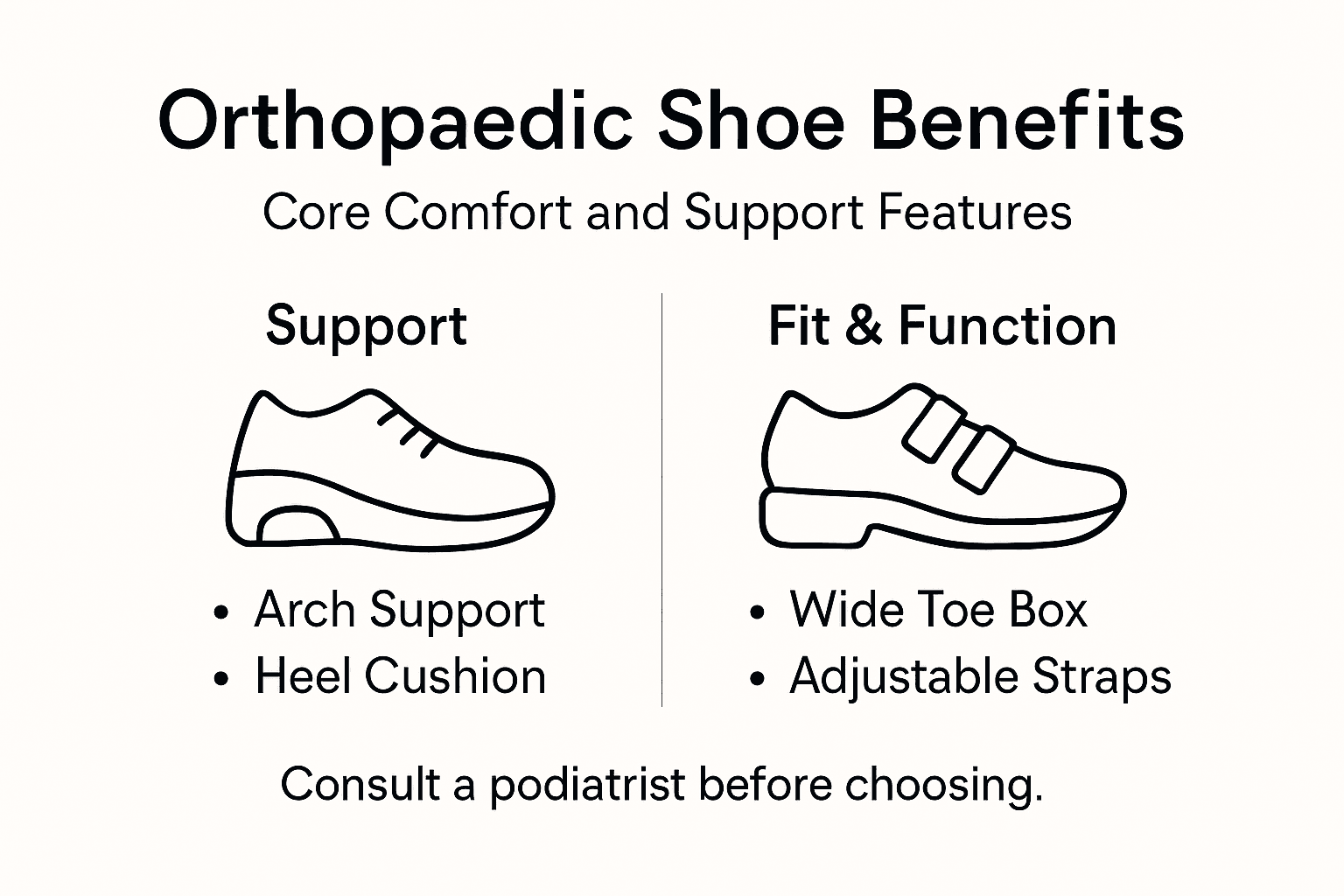
Biomechanical Precision transforms these shoes from mere footwear into personalised mobility solutions. By mapping individual foot mechanics, manufacturers create shoes that adapt to unique walking patterns and structural characteristics.
Pro tip: Invest time in professional foot measurement and gait analysis to ensure you select orthopedic shoes that precisely match your individual biomechanical needs.
How Orthopaedic Shoes Differ from Standard Footwear
Unlike conventional footwear designed primarily for aesthetic appeal, orthopedic shoes represent a sophisticated medical intervention targeting specific biomechanical challenges and foot health requirements.
Key distinctions between orthopedic and standard shoes include:
-
Structural Design
- Medical-grade engineering
- Purposeful anatomical modifications
- Scientifically calculated support zones
-
Functional Performance
- Pressure redistribution capabilities
- Motion control mechanisms
- Targeted biomechanical correction
-
Technical Specifications
- Extra depth for orthotic accommodation
- Wider toe boxes preventing compression
- Rigid internal support structures
Biomechanical Precision sets orthopedic shoes apart from standard footwear. Where traditional shoes offer generic protection, orthopedic designs map individual foot mechanics, creating personalised mobility solutions that actively support natural movement patterns and prevent potential injuries.
The fundamental philosophy behind orthopedic shoes transcends mere comfort. These specialised shoes are engineered as rehabilitative tools, addressing underlying structural foot challenges through intelligent design and targeted support mechanisms.
Pro tip: Always prioritise professional foot assessment when selecting orthopedic shoes to ensure precise biomechanical alignment and maximum therapeutic benefit.
To better understand orthopaedic shoe advantages, see how they compare to standard footwear:
| Aspect | Orthopaedic Shoes | Standard Footwear |
|---|---|---|
| Engineering | Medical-grade, precision fit | Aesthetic, general fit |
| Biomechanical aim | Prevents injury, corrects gait | Minimal, often ignored |
| Fitting method | Professional custom sizing | Generic sizing only |
| Long-term outcome | Promotes mobility and health | Risk of chronic discomfort |
Potential Risks of Ignoring Proper Footwear
Ignoring appropriate footwear can lead to a cascade of serious health complications that extend far beyond mere temporary discomfort. Inappropriate footwear poses significant health risks that can compromise your overall musculoskeletal well-being and quality of life.
The potential health risks associated with improper footwear include:
-
Dermal and Structural Injuries
- Callus formation
- Nail damage
- Skin abrasions and blisters
-
Inflammatory Conditions
- Plantar fasciitis
- Bursitis
- Chronic foot pain
-
Biomechanical Complications
- Lower back strain
- Hip misalignment
- Knee joint stress
- Ankle instability
Chronic Consequences of neglecting proper footwear are particularly severe for individuals with pre-existing conditions. Poorly fitted shoes can exacerbate underlying health challenges, transforming minor discomforts into potentially debilitating long-term health issues.
The interconnected nature of foot health means that inadequate footwear doesn’t just affect your feet. Improper shoes can trigger a domino effect of musculoskeletal problems, potentially leading to reduced mobility, chronic pain, and diminished overall physical function.
Pro tip: Schedule an annual professional foot assessment to ensure your footwear consistently meets your evolving biomechanical needs and prevents potential health complications.
Step Into Lasting Comfort and Foot Health with Orthopaedic Innovation
If you are facing challenges with foot pain, biomechanical imbalances or require support for conditions like arthritis or plantar fasciitis, choosing the right footwear is essential to protect and enhance your mobility. Orthopaedic shoes designed with precision offer relief by supporting natural foot mechanics, reducing pressure points and preventing long-term complications. Now, you can combine this health focus with style and cutting-edge technology by exploring the specialised range at YDA UK.

Discover how our collection integrates advanced foot health technology with elegant design to give you the best of both worlds. Whether you need wide toe boxes, extra depth for orthotics, or shock absorption features, our high-performance footwear is crafted to meet your unique biomechanical needs and keep you moving comfortably every day. Act now to invest in your foot health and experience the difference that expert engineering and comfort innovation can make. Start your journey to healthier feet by visiting YDA UK today.
Frequently Asked Questions
What are orthopaedic shoes designed for?
Orthopaedic shoes are specialised footwear that provide therapeutic support and enhance foot health. They are designed to address various lower limb conditions, alleviate discomfort, and improve overall mobility.
How do orthopaedic shoes differ from standard shoes?
Unlike standard footwear, orthopaedic shoes feature medical-grade engineering, anatomical modifications, and targeted biomechanical support. They are designed to correct gait, redistribute pressure, and accommodate orthotic devices, promoting health and mobility.
Who should consider wearing orthopaedic shoes?
Individuals with foot deformities, joint abnormalities, chronic conditions affecting walking comfort, or those needing custom orthotic support should consider orthopaedic shoes. A professional fitting is recommended to ensure the right match for specific foot health requirements.
What are the potential risks of wearing improper footwear?
Wearing inappropriate footwear can lead to various health issues, including skin abrasions, chronic foot pain, inflammatory conditions like plantar fasciitis, and biomechanical complications such as lower back strain and ankle instability.
Recommended
- Orthotic Shoes: Everything You Need to Know – YDA UK
- Orthotic-Friendly Footwear: Enhancing Comfort and Foot Health – YDA UK
- What Is Shoe Last and Its Impact on Foot Health – YDA UK
- 7 Examples of Foot Health Shoes for Everyday Comfort – YDA UK
- Foot Therapy & Pain Relief | Effective Treatments for Foot Pain
- Why Sustainable Supplementation Matters for UK Athletes – Interval
- Winter Hip Pain Triggers | Essential ChiroCare