
Workflow for Finding Right Shoes for Health and Comfort
Choosing stylish shoes that also deliver daily comfort can feel like a balancing act when you live with unique foot conditions. With everyday mobility and wellbeing at stake, the right footwear does more than complete your look—it safeguards against discomfort and possible health complications. This guide walks you through assessing your exact foot care needs, so you can find high-performance shoes that blend modern style with all-day support and thoughtful design.
Table of Contents
- Step 1: Assess Your Specific Foot Health Requirements
- Step 2: Identify Appropriate Shoe Features For Daily Support
- Step 3: Browse And Shortlist Shoes Using Site Filters
- Step 4: Compare Style, Technology And Availability Details
- Step 5: Test Fit And Confirm Purchasing Confidence
Quick Summary
| Key Point | Explanation |
|---|---|
| 1. Assess your foot health needs | Understanding your unique foot structure helps in selecting appropriate footwear for support and comfort. |
| 2. Identify essential shoe features | Key shoe features, such as arch support and cushioning, are crucial for maintaining foot health during daily activities. |
| 3. Use online filters effectively | Leveraging online filtering tools streamlines your shoe search, helping you find options that meet your specific requirements. |
| 4. Compare shoes systematically | Assessing design, material quality, and technology allows for informed decisions between style and function. |
| 5. Test fit thoroughly before buying | Conducting a proper fit test ensures shoes provide necessary support and comfort for your daily activities. |
Step 1: Assess your specific foot health requirements
Understanding your unique foot health needs is crucial for selecting shoes that provide optimal support and comfort. Every individual’s feet are different, with variations in arch type, potential medical conditions, and structural characteristics that significantly impact shoe selection.
Start by conducting a comprehensive self-assessment of your foot health. This involves examining several key factors to determine your specific requirements:
- Arch type: Determine whether you have high, neutral, or low arches
- Previous foot injuries: Note any past sprains, fractures, or chronic conditions
- Existing medical conditions: Consider diabetes, arthritis, or neuropathy risks that might affect foot health
- Biomechanical issues: Identify problems like overpronation or supination
- Pressure points and sensitivities: Recognise areas prone to discomfort or potential injury
If you have complex foot health concerns, consulting a podiatrist can provide professional insights into your specific needs. Professionals can conduct detailed assessments that reveal nuanced aspects of your foot structure and potential vulnerabilities.
Here’s a quick summary of common foot health factors and their impact on shoe selection:
| Foot Health Factor | Possible Impact on Shoes | Recommended Adaptation |
|---|---|---|
| High arches | Lack of support can cause strain | Look for enhanced arch supports |
| Previous injuries | May need extra cushioning | Target shock-absorbing designs |
| Diabetes/neuropathy | Sensitive to pressure points | Seek seamless interiors |
| Overpronation | Can lead to instability issues | Choose stability-focused models |
| Pressure points | Risk of discomfort or injury | Prioritise soft, padded insoles |
Comprehensive foot health assessment is not just about current comfort, but preventing future complications.
Expert advice: Consider keeping a detailed foot health journal to track changes and document specific requirements over time.
Step 2: Identify appropriate shoe features for daily support
Selecting the right shoe features is essential for maintaining optimal foot health and ensuring comfortable daily mobility. Your shoes are more than just fashion accessories; they are critical support systems that can significantly impact your overall physical wellbeing.
When identifying appropriate shoe features, focus on key elements that provide comprehensive foot support. Midsole density and construction play a crucial role in shock absorption and stability. Look for shoes with strategically designed features:
- Arch support: Ensure the shoe matches your specific arch type
- Cushioning: Evaluate midsole thickness and material for shock absorption
- Heel structure: Check heel height and stability features
- Flexibility: Assess sole bending characteristics for natural foot movement
- Weight: Consider lightweight designs that don’t compromise support
Understanding the biomechanics of your feet helps in selecting shoes that adapt to your unique walking and standing patterns. Different activities require different support levels, so consider your primary usage whether it’s walking, working, or specific sports.
Proper shoe features are not just about comfort, but about preventing potential long-term foot health issues.
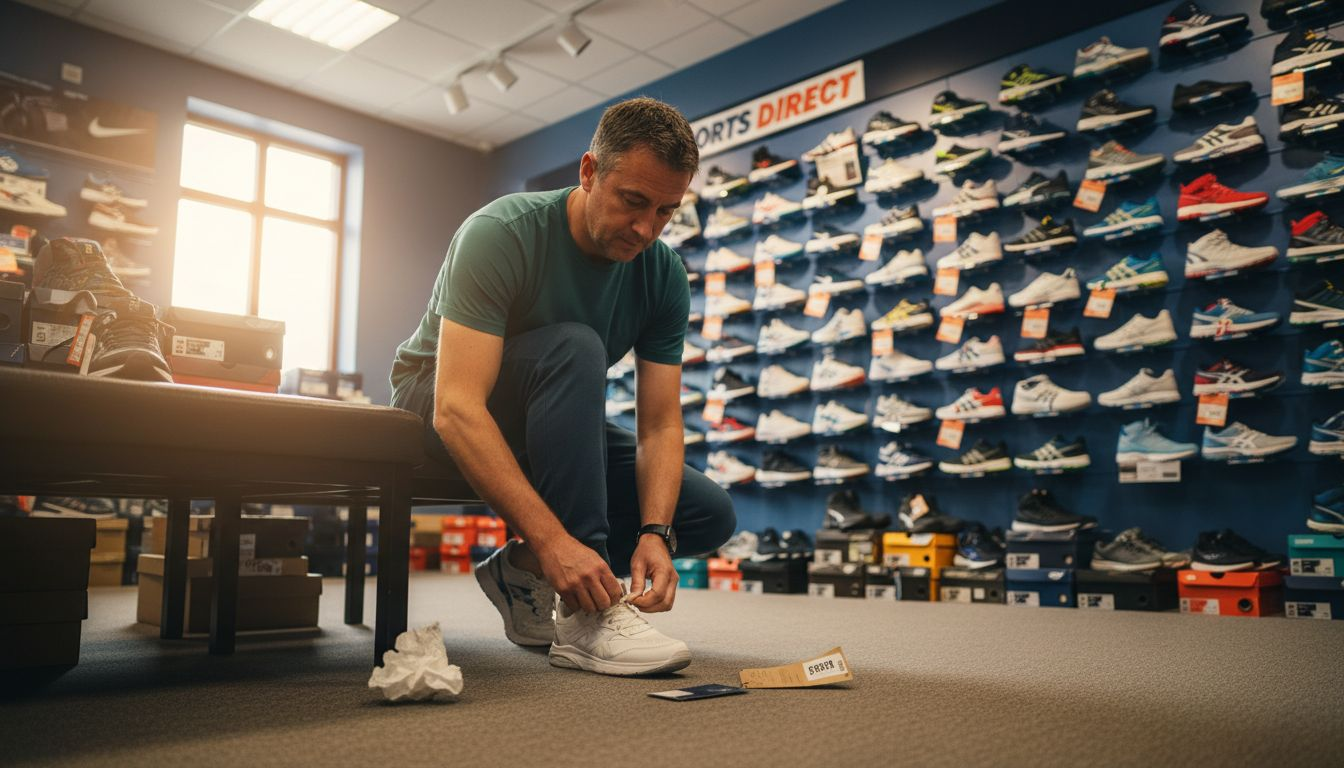
Expert advice: Try shoes later in the day when feet are naturally slightly swollen to ensure the most accurate fit and comfort.
Step 3: Browse and shortlist shoes using site filters
Navigating an online shoe store effectively requires strategic use of filtering tools to find your perfect footwear match. Advanced search interfaces allow you to narrow down options precisely and efficiently, transforming an overwhelming selection into a manageable shortlist.
To streamline your shoe selection process, leverage the site’s filtering capabilities with a systematic approach:
- Size range: Select your exact shoe size and width
- Price brackets: Set minimum and maximum price limits
- Arch support levels: Filter by high, medium, or low arch support
- Material types: Choose leather, synthetic, or breathable fabrics
- Activity specific: Select shoes designed for walking, running, or work
- Colour preferences: Narrow options by colour palette
- Medical condition filters: Find shoes tailored to specific foot health needs
Consider your primary requirements and apply filters progressively, starting with the most critical features. This methodical approach helps you quickly eliminate unsuitable options and focus on shoes that genuinely meet your specific needs.
Effective filtering transforms shoe shopping from overwhelming to targeted and efficient.
Expert advice: Always reset filters between searches to ensure you don’t accidentally exclude potentially perfect shoes.
Step 4: Compare style, technology and availability details
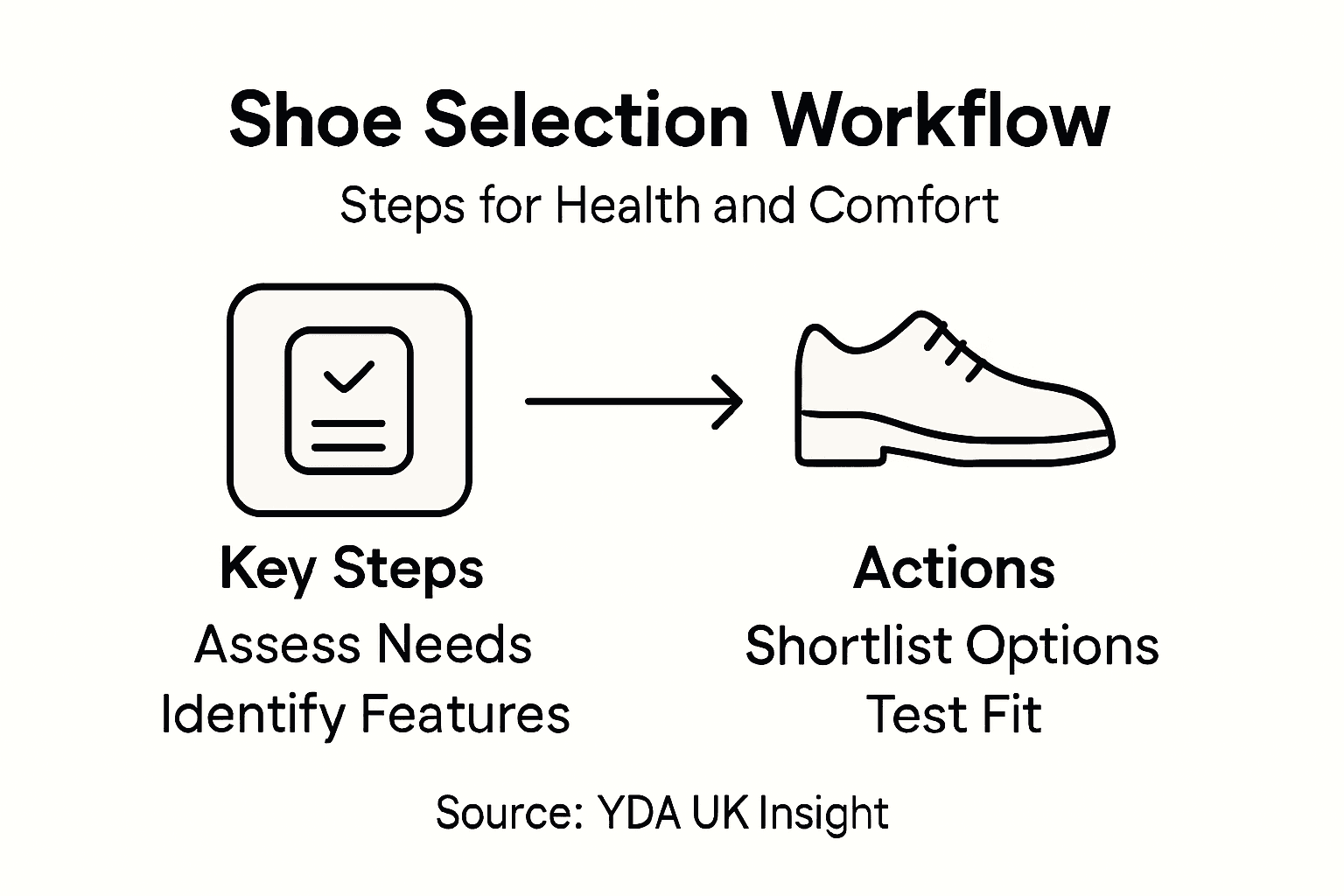
Comparing shoes effectively requires a systematic approach to evaluating multiple dimensions beyond simple aesthetic appeal. Technology assessment strategies help you make informed decisions that balance style, functionality, and practical considerations.
When comparing potential shoe options, focus on these critical comparison points:
- Design aesthetics: Evaluate visual appeal and personal style compatibility
- Material quality: Examine fabric durability and performance characteristics
- Technological features: Compare cushioning, support, and innovative design elements
- Comfort metrics: Review user reviews regarding fit and wearability
- Stock availability: Check current inventory status and potential delivery timeframes
- Price comparisons: Analyse pricing across different styles and technologies
- Performance specifications: Understand technical details like weight, flexibility, and support levels
Create a side-by-side comparison spreadsheet to objectively track and analyse these different attributes. This methodical approach helps transform subjective impressions into data-driven shoe selection decisions.
This comparison highlights differences between fashion-focused and health-focused shoes:
| Aspect | Fashion Shoes | Health-Oriented Shoes |
|---|---|---|
| Aesthetic Design | Trend-driven styles | Functional, subtle appearance |
| Comfort Level | Moderate, sometimes secondary | Prioritised, with anatomical support |
| Materials Used | Variety, often synthetic | Durable, breathable, medical-grade |
| Price Range | Broad, often dictated by brand | Usually mid-high, focused on value |
Comprehensive shoe comparison goes beyond appearances to understand true performance potential.
Expert advice: Take screenshots of your favourite options to review later and compare without feeling pressured by immediate purchasing decisions.
Step 5: Test fit and confirm purchasing confidence
Confirming the right shoe fit goes beyond simple measurements, requiring a comprehensive approach to assessing comfort and performance. Fit testing protocols provide a structured method for evaluating whether your selected footwear truly meets your specific needs.
To thoroughly test and validate your shoe selection, implement these strategic assessment techniques:
- Physical movement test: Walk, pivot, and simulate your typical daily activities
- Heel and toe flexibility: Check for appropriate give and resistance
- Size verification: Ensure adequate toe-box space and heel stability
- Weight distribution: Assess how evenly the shoe supports your foot
- Material comfort: Evaluate fabric breathability and skin sensitivity
- Arch support alignment: Confirm proper support for your specific foot shape
- Potential friction points: Identify any areas of potential rubbing or discomfort
During your fit evaluation, pay close attention to how the shoes feel during different movements and positions. Your goal is to identify potential issues before making a final purchase commitment.
Purchasing confidence comes from thorough, methodical shoe fit assessment.
Expert advice: Always try shoes on later in the day when your feet are naturally more expanded to get the most accurate fit representation.
Discover Your Perfect Footwear for Health and Comfort Today
Finding shoes that truly support your foot health and daily comfort can feel overwhelming. This article highlights the importance of assessing your unique foot needs, identifying shoe features like arch support and cushioning, and methodically comparing options before purchase. Common challenges include understanding terms like midsole density, managing sensitivities from medical conditions, and ensuring the right fit that prevents discomfort or future complications.
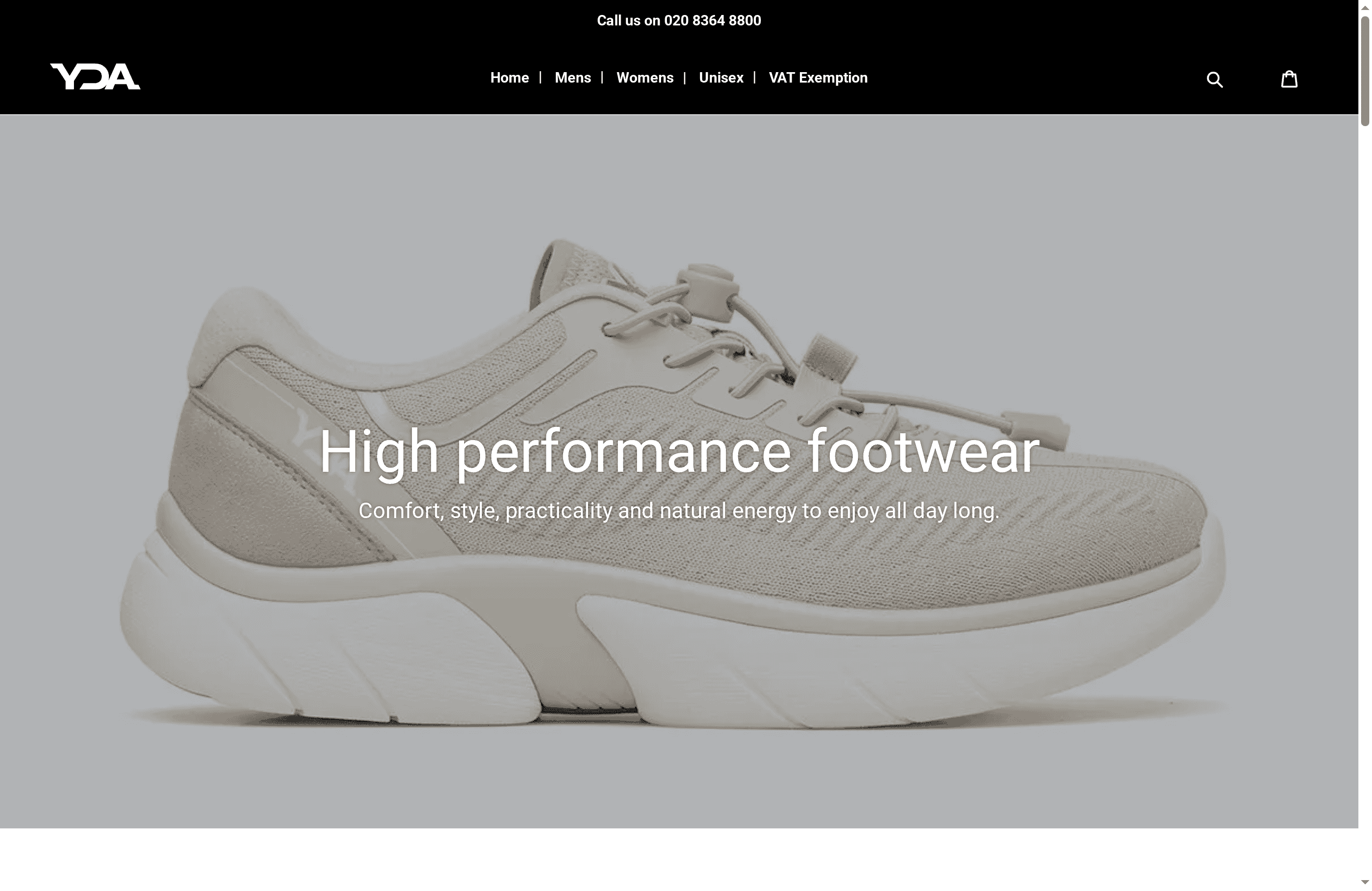
At YDA UK, we specialise in offering high-performance footwear designed to meet these exact challenges. Our collection of Shoes – YDA UK features advanced technology to support various foot health requirements while delivering stylish, comfortable designs. Whether you seek shoes tailored for everyday wear or need footwear with enhanced arch support and cushioning, our range provides solutions that combine style with functional benefits.
Take control of your foot health by exploring our thoughtfully curated selection today. Visit our Home page – YDA UK to start your journey towards comfort and support or browse the Womens – YDA UK category for specialised options. Don’t wait until discomfort sets in; empower your feet with shoes made for your wellbeing now at https://ydauk.com.
Frequently Asked Questions
How can I assess my specific foot health requirements?
Start by evaluating key factors like your arch type, any previous injuries, and existing medical conditions. Conduct a thorough self-assessment to understand your needs, and consider keeping a detailed foot health journal to track changes over time.
What shoe features should I look for to ensure daily comfort and support?
Identify essential shoe features such as arch support, cushioning, and heel structure tailored to your foot’s biomechanics. Focus on characteristics like midsole density for shock absorption and flexibility for natural movement to maintain optimal foot health.
How can I effectively browse and shortlist shoes using site filters?
Utilise site filters by selecting your size, preferred price range, and necessary arch support levels. Apply filters progressively to make your shopping experience more targeted and efficient, helping you eliminate options that don’t meet your specific requirements.
What should I compare when assessing different shoe styles and technologies?
When comparing shoes, focus on aspects such as material quality, comfort metrics, and technological features. Create a side-by-side comparison chart to objectively track these attributes, helping you make informed decisions based on functionality rather than just aesthetics.
How can I test the fit of my selected shoes to confirm they meet my needs?
Conduct a thorough fit evaluation by walking, pivoting, and simulating your daily activities while wearing the shoes. Pay close attention to comfort, size verification, and arch support to ensure they provide adequate support and prevent potential discomfort.
When is the best time to try on shoes for the most accurate fit?
Always try shoes on later in the day when your feet are slightly swollen to ensure an accurate fit. This will help you verify that the shoes provide proper support and comfort throughout various stages of the day.
Recommended
- Shoe Shopping Process Steps for Health-Oriented Footwear – YDA UK
- How to Shop for Foot Health: A Step-by-Step Guide – YDA UK
- 7 Examples of Foot Health Shoes for Everyday Comfort – YDA UK
- Role of Footwear in Daily Comfort: Complete Guide – YDA UK
- Матраци високоеластична пяна – ръководство за избор на качествени матраци