
Understanding heel drop: what it means for your feet
TL;DR:
- Heel drop refers to the millimetre difference between a shoe’s heel and forefoot, affecting biomechanics and ground contact.
- Research indicates that variations within 4 to 12 mm do not significantly alter running mechanics at higher speeds for most individuals.
Heel drop is one of those shoe specifications that gets mentioned constantly in running shops, fitness forums, and footwear reviews, yet most people struggle to explain what it actually means. There’s a persistent idea that a lower heel drop is always “more natural” and that a higher drop causes injuries. Neither claim holds up well under scrutiny. Understanding what heel drop genuinely does, and what it doesn’t do, gives you a far better foundation for choosing footwear that supports your foot health, activity level, and long-term comfort.
Table of Contents
- What is heel drop and why does it matter?
- How heel drop affects movement and performance
- Comparing low, medium, and high heel drop shoes
- Practical tips for choosing your ideal heel drop
- Why heel drop matters less (and more) than you’ve been told
- Explore footwear designed for your comfort and performance
- Frequently asked questions
Key Takeaways
| Point | Details |
|---|---|
| Heel drop explained | Heel drop is the height difference from heel to toe inside your shoe, measured in millimetres. |
| Performance impact debated | Research finds typical heel drop ranges do not drastically affect running performance for most people. |
| Choose for comfort | Personal comfort, support, and foot health matter most when selecting heel drop. |
| Not a one-size formula | Best heel drop varies by foot shape, activity, and shoe design, so try options and consult experts if needed. |
What is heel drop and why does it matter?
Heel drop, sometimes called “heel-to-toe drop” or “offset,” refers to the difference in sole thickness between the heel and the forefoot of a shoe, measured in millimetres. If the heel section of a sole is 24 mm thick and the forefoot section is 12 mm thick, the shoe has a 12 mm heel drop. Simple enough. But the implications of that number touch on biomechanics, comfort, posture, and even injury risk, which is why it attracts so much attention from athletes, podiatrists, and everyday wearers alike.
Most footwear falls into one of three categories:
- Low drop (0 to 4 mm): Keeps the foot nearly parallel to the ground, often associated with barefoot-style or minimalist running shoes.
- Medium drop (5 to 8 mm): A middle-ground option that suits a wide range of activities and foot types.
- High drop (9 mm and above): Traditional running and training shoes often sit in this range, offering more cushioning at the heel.
The reason heel drop draws so much discussion is that it influences how your foot contacts the ground. A higher drop gently encourages heel-strike landings, while a lower drop tends to promote midfoot or forefoot strikes. However, as research into drop and running highlights, empirical outcomes can be highly task-dependent, and benchmarks for “low” versus “high” drop come largely from consumer and clinical discussions rather than definitive performance thresholds.
“Not every foot responds to heel drop the same way. Your gait pattern, muscle flexibility, and even your running pace all filter the effect that drop ultimately has on your body.”
It’s worth exploring zero drop footwear benefits if you’re curious about the most minimal end of the spectrum, as that option carries its own particular advantages and caveats worth understanding before making a switch.
How heel drop affects movement and performance
Here’s where popular belief and actual science start to diverge. Many people assume that changing the heel drop of a shoe will meaningfully alter their running mechanics, improve speed, or reduce injury. The research paints a more nuanced picture.
A key finding from a 2019 study published in Medicine is that heel-to-toe drop changes in the range of 4 to 12 mm were not significantly associated with measured spatiotemporal running-cycle parameters at increased speeds. In plain terms: when researchers looked at things like stride length, cadence, and ground contact time, the range of heel drop tested didn’t produce statistically meaningful differences.
That said, “statistically not significant in a study” doesn’t mean “you’ll never notice a difference personally.” Comfort, fatigue, and long-term load distribution are harder to measure in lab conditions, and individual variation is real.
| Effect measured | Low drop (0-4 mm) | Medium drop (5-8 mm) | High drop (9+ mm) |
|---|---|---|---|
| Calf and Achilles load | Higher | Moderate | Lower |
| Heel cushioning | Minimal | Moderate | High |
| Ground feedback | Maximum | Moderate | Reduced |
| Transition risk | Higher | Low to moderate | Low |
People with tight calves or a history of Achilles tendinopathy often find low-drop shoes increase strain in those areas, at least during a transition period. Conversely, those with chronic heel pain or plantar fasciitis sometimes find that higher-drop cushioning reduces direct impact load on sore tissue.

Pro Tip: If you’re currently wearing high-drop shoes and want to try a lower drop, reduce your drop by no more than 4 mm at a time, and allow four to six weeks of gradual adjustment before dropping further. Rushing this transition is one of the most common causes of calf and Achilles overuse injuries.
For those whose primary concern is fatigue rather than performance metrics, preventing foot fatigue is closely tied to how a shoe distributes load across the entire foot, which involves much more than drop alone. Similarly, reviewing key shoe features gives you a broader checklist of what actually makes a shoe perform well for your feet day to day.
Comparing low, medium, and high heel drop shoes
Since not all heel drops are created equal, a direct comparison makes it simpler to weigh the differences and choose wisely. The right drop for you will depend on your foot structure, the activities you do most, and whether you have any existing foot or lower-limb conditions.
As established in consumer and clinical discussions, drop benchmarks in millimetres are widely used to categorise footwear, but the lived experience of each category varies considerably from person to person.

| Heel drop range | Best suited for | Trade-offs |
|---|---|---|
| Low (0-4 mm) | Experienced minimalist runners, those wanting ground feel | Requires Achilles flexibility, adjustment period needed |
| Medium (5-8 mm) | Most everyday wearers, versatile activity use | Fewer extremes in any direction |
| High (9+ mm) | Heel strikers, those with heel pain or cushioning needs | Less ground feedback, may encourage heel striking |
Here are some practical considerations that go beyond the numbers:
- Foot arch: People with flat feet often benefit from the stability that medium to high drop shoes provide, giving the arch more structural support during movement.
- Gait pattern: Natural forefoot strikers often find low-drop shoes the most intuitive, while natural heel strikers may experience less impact stress in a higher-drop option.
- Injury history: Anyone recovering from plantar fasciitis, Achilles issues, or knee pain should discuss drop with a podiatrist before making a change.
- Activity type: Trail running, gym work, daily walking, and road running all have different demands, and the ideal drop may differ across those activities.
Pro Tip: Don’t just check the heel drop number when buying online. Ask for or check the stack height too, as two shoes with the same drop but very different stack heights will feel completely different underfoot.
For a thorough breakdown of what to look for across all shoe dimensions, the guide to choosing healthy footwear covers the wider picture. And if flat feet are a particular concern, advice on shoes for flat feet digs into the specific support features that matter most.
Practical tips for choosing your ideal heel drop
With the main factors compared, let’s pivot to practical steps you can use when making your next footwear choice. Choosing heel drop doesn’t have to be guesswork, and a structured approach will serve you much better than simply following whatever trend is popular in running communities at the moment.
-
Assess your current shoes. Look up the heel drop of the shoes you wear most and find comfortable. This is your baseline. If you don’t know where to start, most brands list this figure in the technical specifications.
-
Identify your foot type and gait. A gait analysis at a specialist running shop or a quick assessment with a podiatrist will tell you whether you naturally heel-strike, midfoot-strike, or forefoot-strike. This directly informs which drop range is likely to suit you.
-
Match drop to your primary activity. If you walk long distances for work, a medium-drop shoe with good cushioning may serve you better than a low-drop trail shoe. Be honest about what you’re actually doing in your footwear most of the time.
-
Try before you commit. Wear new shoes for short periods first. A 15-minute walk in a shoe tells you very little; a full day on your feet or a 5 km run gives you meaningful feedback.
-
Monitor for discomfort. Calf tightness, heel soreness, and shin discomfort after trying a new drop are all signals worth paying attention to. They don’t necessarily mean the shoe is wrong for you, but they do mean you need a longer transition.
-
Consult a professional when in doubt. As studies confirm, performance outcomes are task and outcome-dependent, which means general advice has real limits. If you have a specific condition or recurring pain, a podiatrist or physiotherapist can give you personalised guidance that no article can replicate.
For additional context on managing day-to-day foot wellbeing, reading about improving foot comfort and reducing foot pain naturally can give you a broader toolkit to work with alongside your heel drop choice.
Pro Tip: Keep a short log of how your feet and legs feel after wearing a new shoe for the first two weeks. Patterns in discomfort or improved energy often only become visible when you look back across several days rather than assessing each session in isolation.
Why heel drop matters less (and more) than you’ve been told
Here’s an honest perspective that most footwear content sidesteps: the heel drop debate has been heavily amplified by marketing. Brands selling minimalist shoes pushed the narrative that high drop is unnatural and harmful. Brands selling maximally cushioned footwear pushed back with comfort and protection messaging. Both camps used selective evidence to make compelling cases.
The reality, as the research confirms, is that heel drop effects are task and outcome-dependent. For most people running or walking at everyday speeds and distances, the difference between a 6 mm and a 10 mm drop is unlikely to transform their performance or dramatically reduce their injury risk. What matters more is whether the shoe fits well across the width and length of the foot, whether the midsole provides appropriate cushioning for the surfaces you move on, and whether the shoe supports your specific arch structure.
This doesn’t mean heel drop is irrelevant. It genuinely matters in specific circumstances: when transitioning to a very different style of footwear, when managing specific lower-limb conditions, or when you’re an experienced runner who has exhausted other variables and wants to fine-tune mechanics. For those situations, it’s worth treating carefully.
But for the majority of people simply wanting a comfortable, supportive shoe for daily life or regular exercise, obsessing over a 2 mm difference in heel drop is probably not the most productive use of your attention. Focusing on improving foot support across the whole shoe will return more practical benefit for most wearers. Heel drop is one variable in a much larger equation, and treating it as the dominant factor often leads people to overlook other features that matter just as much, if not more.
Explore footwear designed for your comfort and performance
Understanding heel drop puts you ahead of most buyers who simply grab whatever’s recommended on a forum. That knowledge deserves to be paired with footwear actually built around foot health principles rather than just marketing claims.
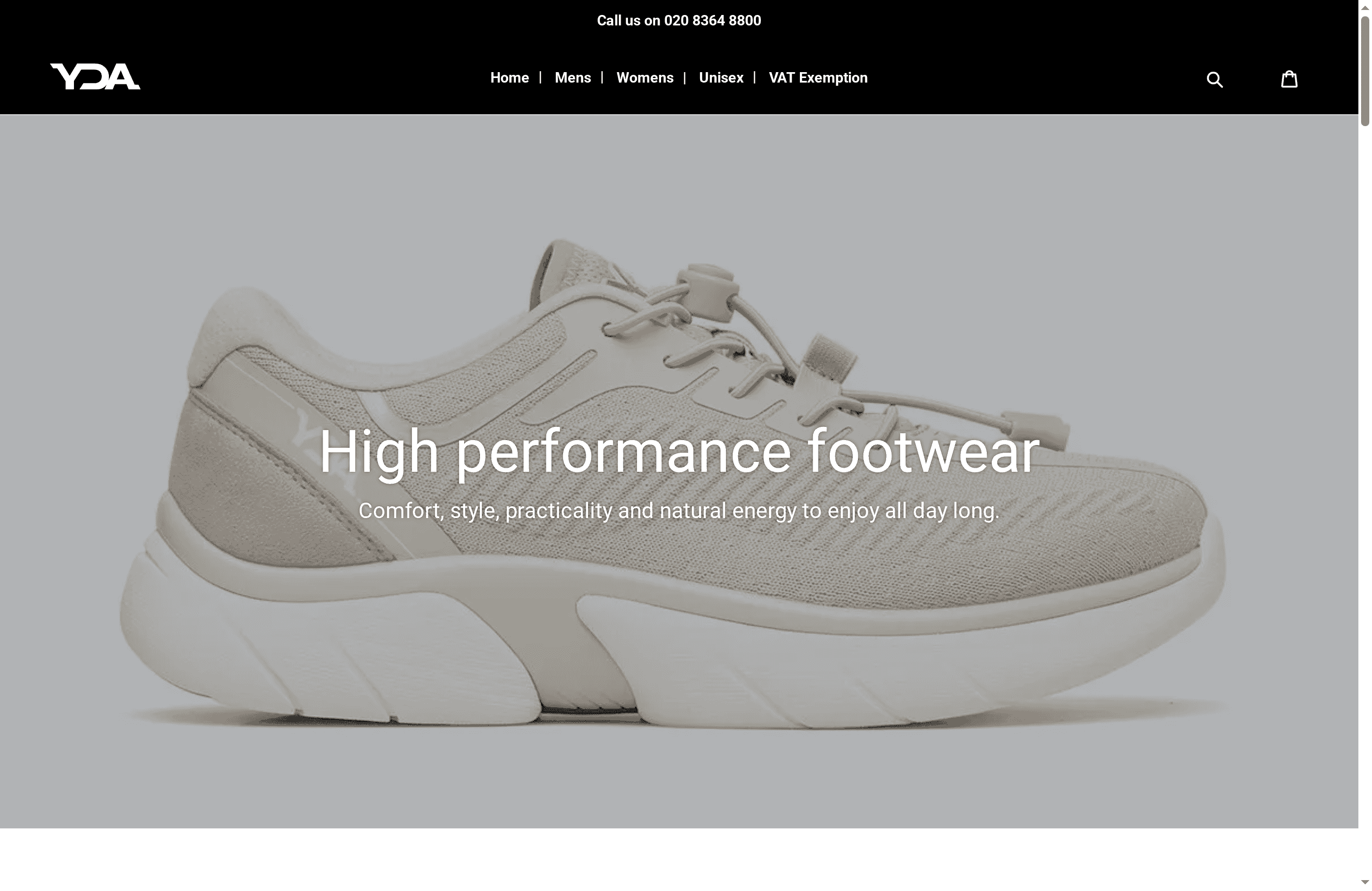
At YDA, the approach to footwear is grounded in evidence and engineering. The YDA shoe technology behind each pair integrates biomechanical research with practical comfort design, ensuring that features like sole geometry, cushioning distribution, and support structures work together rather than in isolation. Whether you’re looking for everyday comfort, active performance, or a healthier long-term relationship with your feet, exploring the YDA range gives you access to shoes built with genuine technical intention.
Frequently asked questions
What does heel drop actually measure in a shoe?
Heel drop measures the height difference between the heel and forefoot inside a shoe, typically in millimetres. As clinical discussions confirm, ranges in mm are the standard benchmark used across both consumer and professional footwear contexts.
Is lower heel drop always better for running?
No single heel drop is best for everyone. Research shows that drop changes of 4 to 12 mm were not significantly associated with running-cycle parameters at increased speeds, meaning differences in drop may not meaningfully affect most running styles.
How do I know which heel drop is right for my feet?
Consider your arch type, gait pattern, and any history of foot or leg pain, then trial different drops gradually to assess how your body responds. When in doubt, a podiatrist or specialist running shop assessment removes much of the guesswork.
Can changing heel drop help prevent injury?
The evidence does not show a clear link between heel drop changes and injury prevention for most people. As studies note, performance and injury outcomes are task and outcome-dependent, meaning wholesale claims about drop preventing injury are not well supported.