
How to prevent foot fatigue with specialised footwear in 2026
Foot fatigue affects millions of people daily, turning simple activities into exhausting ordeals. Whether you stand for work, walk long distances, or pursue athletic goals, tired, aching feet can severely limit your comfort and performance. Specialised footwear offers a scientifically backed solution to this pervasive problem. This guide reveals evidence-based strategies for preventing foot fatigue through intelligent shoe selection, exploring how advanced cushioning, midsole technology, and proper fit work together to support foot health and maintain your energy throughout the day.
Table of Contents
- Understanding Foot Fatigue And The Role Of Footwear
- Preparing To Choose The Right Footwear For Foot Fatigue Prevention
- Executing Effective Foot Fatigue Prevention With Specialised Shoes
- Verifying Outcomes And Troubleshooting Common Issues
- Explore YDA UK’s Specialised Footwear For Foot Fatigue Relief
- FAQ
Key takeaways
| Point | Details |
|---|---|
| Midsole thickness matters | Midsoles exceeding 40 mm improve comfort and reduce fatigue through enhanced cushioning |
| Technology maintains benefits | Advanced footwear maintains fatigue reduction properties during prolonged activities lasting 90 minutes or more |
| Individual biomechanics vary | No universal optimal shoe exists; alignment with your foot type and terrain is essential |
| Proper fit reduces strain | Correctly fitted shoes minimise muscle load and push-off fatigue during movement |
| Material degradation impacts performance | Regular replacement and maintenance preserve footwear’s fatigue-preventing properties |
Understanding foot fatigue and the role of footwear
Foot fatigue emerges from a complex interplay of muscle tiredness, joint strain, and altered biomechanics during standing or movement. Your feet contain 26 bones, 33 joints, and over 100 muscles, tendons, and ligaments working in coordination. When this system operates inefficiently, discomfort and exhaustion follow rapidly.
Your foot structure significantly influences fatigue risk. Pronated feet increase fatigue due to altered ground reaction forces and muscle activity patterns. Individuals with high arches, flat feet, or supination face similar challenges, each requiring different support strategies. Understanding your foot type forms the foundation for selecting appropriate footwear.
Footwear design impacts biomechanics, injury prevention, and fatigue levels substantially. Three primary shoe characteristics determine how effectively footwear reduces fatigue:
- Cushioning absorbs impact forces, reducing stress on joints and soft tissues
- Midsole composition and thickness influence energy return and stability
- Stiffness affects how your foot flexes during push-off, altering muscle workload
Adjusting joint stiffness through footwear cushioning improves stability whilst reducing muscular effort. When shoes provide appropriate support, your feet maintain better alignment throughout the gait cycle. This efficiency translates directly into reduced fatigue during extended periods of activity.
The relationship between cushioning and fatigue proves more nuanced than simply adding padding. Excessive softness can destabilise your foot, forcing stabilising muscles to work harder. Conversely, insufficient cushioning transmits shock directly to joints and connective tissues. Finding the optimal balance for your activities and biomechanics represents the key to effective explaining foot fatigue health management.
Modern footwear science recognises that energy absorption and return properties vary dramatically across designs. Shoes that efficiently capture and release energy during each step reduce the metabolic cost of movement. This efficiency becomes particularly noticeable during prolonged standing or walking, where small improvements compound into significant fatigue reduction over hours.
Preparing to choose the right footwear for foot fatigue prevention
Before purchasing specialised footwear, assess your individual biomechanics and activity requirements thoroughly. This preparation ensures your investment delivers maximum fatigue reduction benefits tailored to your specific needs.
Start by evaluating your foot type and gait pattern. Visit a specialist who can analyse how your feet strike the ground, roll through midstance, and push off. Many running shops offer complimentary gait analysis using video recording or pressure plates. These assessments reveal pronation tendencies, arch height, and weight distribution patterns that inform shoe selection.
Consider the terrain and activity duration you typically encounter. Pavement walking demands different support than trail hiking. Standing on hard factory floors requires distinct cushioning compared to retail environments with carpeted sections. Match your footwear features to your predominant use case for optimal results.
Research confirms no universal optimal shoe exists; alignment with individual biomechanics and terrain proves essential. What works brilliantly for your colleague may cause you discomfort. This reality underscores why personalised assessment matters more than following generic recommendations or popular trends.
Key features to prioritise during your search include:
- Adequate arch support matching your foot structure
- Responsive cushioning that absorbs shock without excessive compression
- Midsole technology designed for energy efficiency
- Breathable materials preventing moisture accumulation
- Appropriate flexibility in the forefoot for natural toe-off
Athletes and coaches prioritise adaptability over one-size-fits-all shoe models. This principle applies equally to everyday footwear users seeking fatigue prevention. Shoes that perform well across varied conditions provide better long-term value than highly specialised options with limited applications.
Explore comprehensive guides on foot friendly shoe features list 6 key elements to deepen your understanding of what makes footwear effective. Pay particular attention to how different features interact, as isolated benefits rarely translate into overall comfort.
Pro Tip: Schedule gait analysis appointments later in the day when your feet have naturally expanded from activity. This timing ensures shoes fitted during assessment will accommodate your feet during typical use conditions, preventing tightness that contributes to fatigue.
Understanding anti fatigue footwear benefits types helps you recognise which technologies address your specific concerns. Some designs excel at shock absorption, whilst others prioritise stability or energy return. Matching technology to your primary fatigue triggers maximises effectiveness.
Executing effective foot fatigue prevention with specialised shoes
Selecting and properly utilising specialised footwear requires systematic evaluation of multiple factors working in concert. Follow these practical steps to maximise fatigue reduction through intelligent shoe choices.
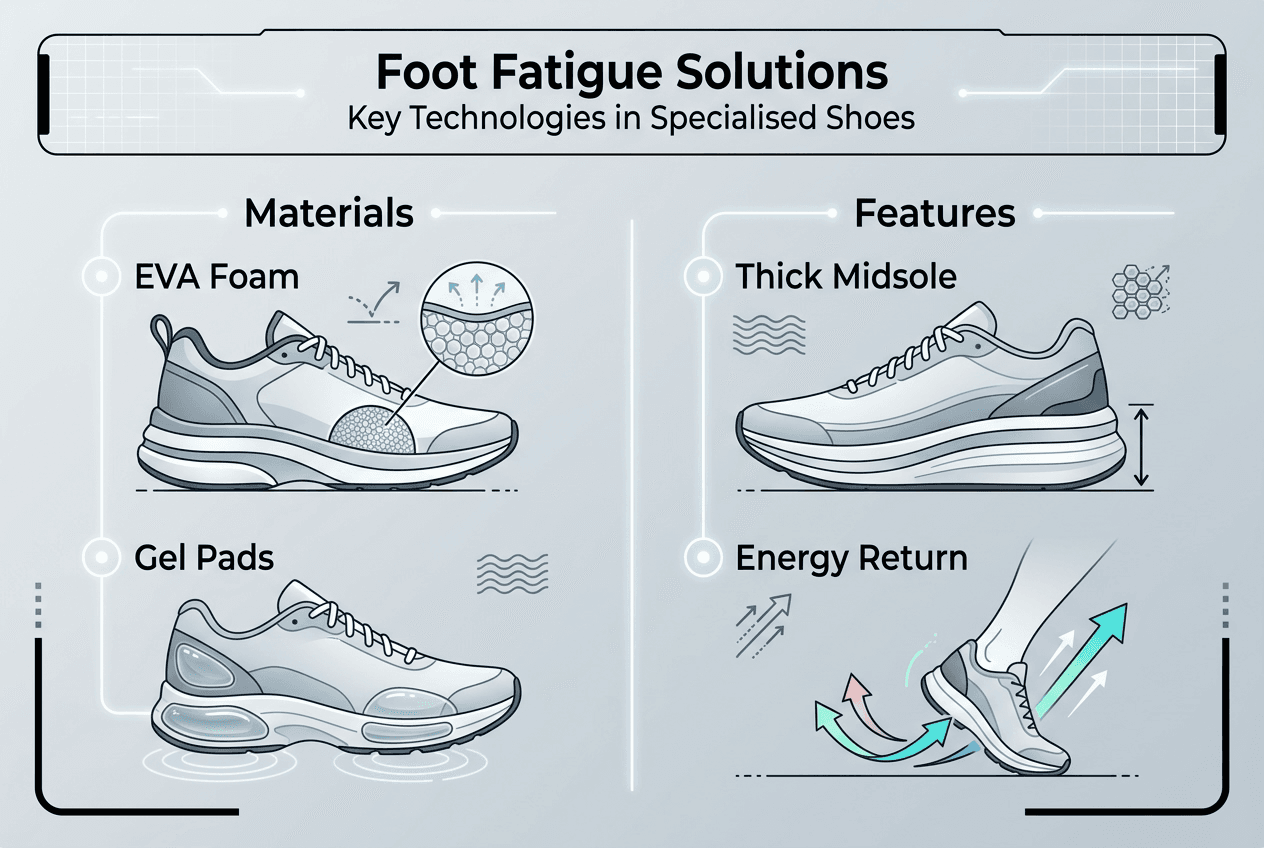
Begin with midsole thickness, a critical specification often overlooked. Midsole thickness beyond 40 mm can further improve running economy and comfort through enhanced cushioning properties. Whilst thicker midsoles add minimal weight, the fatigue reduction benefits typically outweigh this consideration for most users.
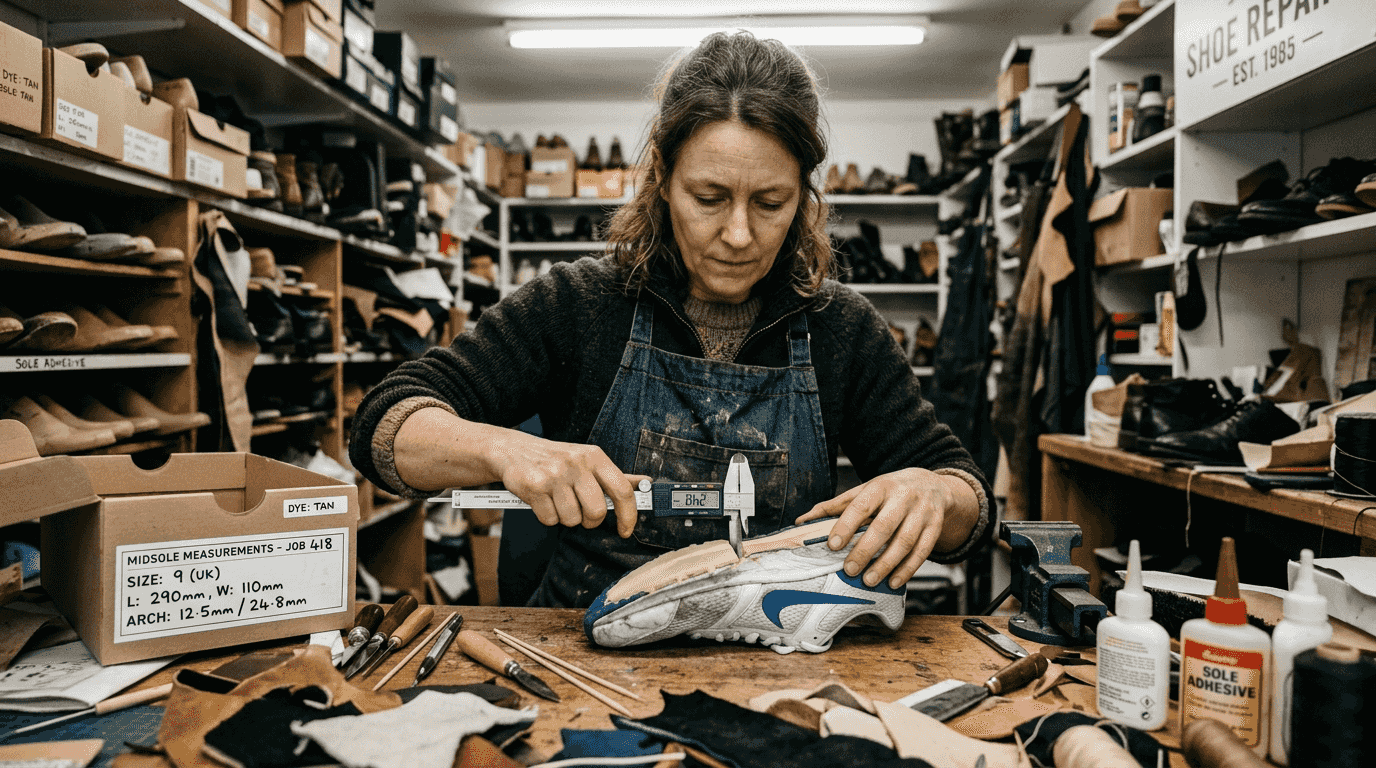
Advanced materials have revolutionised footwear performance in recent years. Advanced footwear technologies improve running economy by approximately 4%, maintaining benefits during 90-minute runs. These improvements stem from sophisticated foam compounds that provide responsive cushioning whilst remaining lightweight and durable.
Proper fit remains paramount regardless of technological features. Shoes that pinch, slip, or compress your feet force compensatory muscle activation that accelerates fatigue. Your toes should have adequate room to splay naturally, whilst your heel remains locked securely in place. Width matters as much as length, particularly for individuals with wider or narrower feet than standard sizing accommodates.
Follow this systematic fitting process:
- Measure both feet later in the day when they have expanded naturally
- Try shoes with the socks you will wear during actual use
- Walk or jog briefly to assess comfort during movement, not just standing
- Check for pressure points, particularly around the midfoot and heel counter
- Verify adequate toe box space by ensuring a thumb’s width between your longest toe and shoe end
- Evaluate arch support contact without excessive pressure or gaps
Advanced footwear maintains beneficial properties over time, reducing fatigue during extended use. However, this durability depends on proper care and timely replacement. Rotate between multiple pairs to allow midsole materials to recover between uses, extending their effective lifespan.
The following table compares key midsole technologies and their fatigue reduction mechanisms:
| Technology Type | Primary Benefit | Ideal Use Case | Durability |
|---|---|---|---|
| EVA foam | Lightweight cushioning | General walking and standing | Moderate |
| TPU compounds | Energy return | Running and dynamic activities | High |
| Gel inserts | Shock absorption | High-impact activities | Very high |
| Carbon fibre plates | Propulsion efficiency | Performance running | Very high |
| Dual-density midsoles | Stability and cushioning | Overpronation control | Moderate to high |
Pro Tip: Test shoes on surfaces similar to where you will use them most. Cushioning that feels perfect on carpet may prove insufficient on concrete, whilst shoes ideal for pavement might feel overly stiff on softer indoor surfaces.
Explore detailed guidance on selecting shoes for energy comfort performance to refine your selection criteria further. Understanding how different design elements contribute to overall effectiveness helps you make informed trade-offs when no single shoe excels in every category.
Maintenance extends your footwear’s fatigue-fighting properties significantly. Clean shoes regularly to prevent material degradation from dirt and moisture. Allow them to air dry naturally rather than using direct heat sources that can damage cushioning compounds. Replace insoles periodically, as these components compress faster than midsoles and contribute substantially to comfort.
Learn about advanced shoe cushioning technologies to appreciate how modern materials outperform traditional options. This knowledge empowers you to evaluate new releases and determine whether upgraded technology justifies replacement of current footwear.
Verifying outcomes and troubleshooting common issues
Monitoring your footwear’s effectiveness ensures you maintain optimal fatigue prevention over time. Several indicators reveal whether your shoes continue delivering expected benefits or require adjustment.
Watch for these warning signs suggesting your current footwear may be contributing to fatigue:
- Increased tiredness in feet, legs, or lower back after typical activities
- Discomfort appearing earlier during your day than previously experienced
- New pressure points or rubbing that developed after initial break-in period
- Reduced stability or support compared to when shoes were new
- Visible midsole compression or uneven wear patterns
Cushioning properties degrade gradually through repeated compression cycles. Shoe material degradation alters properties and possibly increases fatigue as foam loses its resilience. Most quality footwear maintains performance for 500 to 800 kilometres of use, though this varies based on materials, body weight, and activity intensity.
Comfort influences shoe preference and sustained metabolic efficiency significantly. Shoes that felt acceptable initially but cause increasing discomfort may force biomechanical compensations that accelerate fatigue. Trust your body’s feedback and address comfort issues promptly rather than pushing through discomfort.
The following comparison highlights common footwear mistakes and their solutions:
| Common Mistake | Consequence | Solution |
|---|---|---|
| Wearing shoes too long | Degraded cushioning increases fatigue | Replace every 500-800 km or when compression visible |
| Ignoring width fit | Muscle strain from compensation | Get properly fitted for width, not just length |
| Single pair daily use | Insufficient midsole recovery time | Rotate between two or three pairs |
| Prioritising style over function | Inadequate support and cushioning | Choose shoes designed for your primary activity |
| Neglecting insole replacement | Reduced arch support and comfort | Replace insoles every 3-6 months with regular use |
Pro Tip: Keep a simple log noting when you purchased shoes and approximate usage hours or distance. This tracking helps you identify optimal replacement timing before performance degradation becomes noticeable, preventing fatigue from creeping back gradually.
Some individuals experience persistent fatigue despite wearing appropriate footwear. This situation may indicate underlying biomechanical issues requiring professional assessment. Podiatrists can evaluate whether custom orthotics would provide benefits beyond what standard footwear offers. Conditions like plantar fasciitis, Achilles tendinopathy, or stress fractures demand targeted treatment alongside supportive footwear.
Environmental factors also influence footwear effectiveness. Extremely cold conditions stiffen cushioning materials, reducing their shock absorption temporarily. Hot weather can cause feet to swell more than usual, making previously comfortable shoes feel tight. Adjust your footwear choices seasonally to maintain consistent fatigue prevention.
Revisit footwear reducing fatigue insights periodically as new research and technologies emerge. The footwear industry evolves rapidly, with innovations appearing regularly that may offer superior fatigue reduction compared to older designs.
When troubleshooting persistent issues, consider whether your activities have changed since selecting your current shoes. Increased standing time, new work surfaces, or different exercise routines may require footwear adjustments even if your original choices were appropriate initially.
Explore YDA UK’s specialised footwear for foot fatigue relief
After learning how footwear technology prevents foot fatigue, you might seek a trusted source combining scientific principles with practical design. YDA UK specialises in high-performance footwear engineered specifically to reduce foot fatigue whilst supporting overall foot health through advanced biomechanical features.
Their shoes for problem feet incorporate sophisticated cushioning systems, optimal midsole configurations, and materials selected for durability and comfort during extended wear. Each design reflects current research on fatigue reduction, translating laboratory findings into everyday footwear that delivers measurable benefits.
Explore the technology of YDA shoes to discover how their engineering approach addresses the specific mechanisms of foot fatigue discussed throughout this guide. Whether you stand for work, walk extensively, or simply want more comfortable daily footwear, their specialised designs offer evidence-based solutions tailored to real-world demands.
FAQ
How can I tell if my shoes are causing foot fatigue?
Notice whether tiredness, soreness, or discomfort appears during or after wearing specific shoes. If fatigue develops sooner than usual during activities, or if you feel relief immediately upon removing your shoes, they likely contribute to the problem. Compare how your feet feel in different footwear to identify problematic pairs.
What midsole thickness reduces fatigue best?
Research indicates midsoles exceeding 40 mm offer superior comfort and fatigue reduction through enhanced cushioning properties. However, balance this benefit against shoe mass and your specific activity requirements. Thicker midsoles excel for running and extended standing, whilst moderate thickness may suffice for lighter activities.
How long do advanced footwear technologies maintain fatigue benefits?
Advanced footwear technology maintains benefits in running economy over 90-minute runs and similar duration activities. Material degradation occurs gradually with use but does not immediately negate advantages. Proper rotation and maintenance extend the period shoes deliver optimal fatigue reduction, typically 500 to 800 kilometres depending on usage intensity.
Can specialised footwear adapt to different foot types like pronation?
Yes, modern designs specifically address pronated feet and other biomechanical variations to reduce fatigue effectively. Pronated feet alter forces increasing fatigue risk, but specialised shoes with appropriate arch support and stability features help manage this challenge. Proper fit combined with targeted design elements proves essential for different foot types to experience maximum benefits.
Recommended
- 7 Footwear Technology Trends 2025 for Healthier Feet – YDA UK
- Anti-Fatigue Footwear: Style and Health Benefits Explained – YDA UK
- 7 Key Footwear Innovations 2025 for Healthier Feet – YDA UK
- How to Improve Foot Health 2025 with Modern Footwear – YDA UK
- FLEXI AFO - orteza na opadającą stopę | UdarRehab.pl