
How to Improve Foot Health 2025 with Modern Footwear
Everyday life puts constant demands on your feet, yet many people overlook the signs of discomfort or early issues until they become impossible to ignore. Prioritising foot health is essential, especially for those managing conditions like diabetes or seeking better comfort throughout their daily routines. This guide empowers you with expert strategies and the latest footwear technology to achieve optimal foot wellness, combining practical steps with innovative solutions for healthier, more comfortable movement.
Table of Contents
- Step 1: Assess Your Current Foot Health Status
- Step 2: Select Advanced Footwear For Support
- Step 3: Incorporate Daily Foot Care Routines
- Step 4: Monitor Progress And Adjust Habits
Quick Summary
| Key Point | Explanation |
|---|---|
| 1. Assess foot health regularly | Conduct thorough inspections to detect and address foot issues early, preventing serious complications. |
| 2. Choose advanced supportive footwear | Select shoes designed for your specific activities, ensuring they provide appropriate support and cushioning for foot mechanics. |
| 3. Establish a daily foot care routine | Implement consistent foot hygiene and care to prevent infections and maintain overall foot health, especially for those with pre-existing conditions. |
| 4. Monitor your foot health progress | Track changes in your feet regularly, documenting pain and discomfort, to adapt your care routine effectively. |
Step 1: Assess your current foot health status
Understanding your foot health requires a systematic and thorough examination to identify potential issues before they become serious problems. Regular assessment helps you detect early signs of potential conditions and maintain optimal foot wellness.
To begin your foot health assessment, conduct a comprehensive visual and physical inspection using these key strategies:
- Inspect skin thoroughly for changes in colour, texture, or unusual growths
- Check for calluses, blisters, or areas of consistent pressure
- Examine toenails for discolouration, thickening, or potential fungal infections
- Evaluate circulation and sensation by testing temperature and touch sensitivity
Careful foot health examination techniques recommend looking for specific warning signs. Pay special attention to areas between toes, the soles of your feet, and underneath toenails where problems can develop unnoticed.
Early detection of foot health issues can prevent more serious complications in the future.
If you have pre-existing conditions like diabetes or rheumatoid arthritis, professional medical evaluation becomes even more critical. Consider scheduling a consultation with a podiatrist who can provide advanced diagnostic insights into your specific foot health needs.
Here is a summary of how common health conditions impact foot care needs:
| Condition | Unique Foot Care Needs | Extra Precautions |
|---|---|---|
| Diabetes | Enhanced circulation monitoring | Avoid minor skin injuries |
| Rheumatoid Arthritis | Adapted footwear for joint support | Prevent foot deformities |
| Peripheral Neuropathy | Regular sensation testing | Early detection of unnoticed wounds |
| Fungal Infections | Strict hygiene and moisture control | Use antifungal treatments promptly |
Tip for Thorough Assessment: Use natural light and a handheld mirror to examine hard-to-see areas of your feet, ensuring no potential issues go unnoticed.
Step 2: Select advanced footwear for support
Selecting the right footwear is crucial for maintaining optimal foot health and preventing potential injuries. Advanced footwear goes beyond basic comfort, offering targeted support and technological innovations designed to protect and enhance your foot mechanics.
When choosing advanced supportive footwear, consider these essential criteria:
- Evaluate arch support matching your specific foot structure
- Check for dynamic cushioning that adapts to movement
- Assess material flexibility and breathability
- Examine biomechanical design that supports natural foot movement
Advanced footwear characteristics play a critical role in preventing potential musculoskeletal issues. Different activities require specific shoe designs, so understanding your primary movement patterns becomes essential in selecting appropriate footwear.
Proper footwear is not just about comfort, but about supporting your body’s natural biomechanical functions.
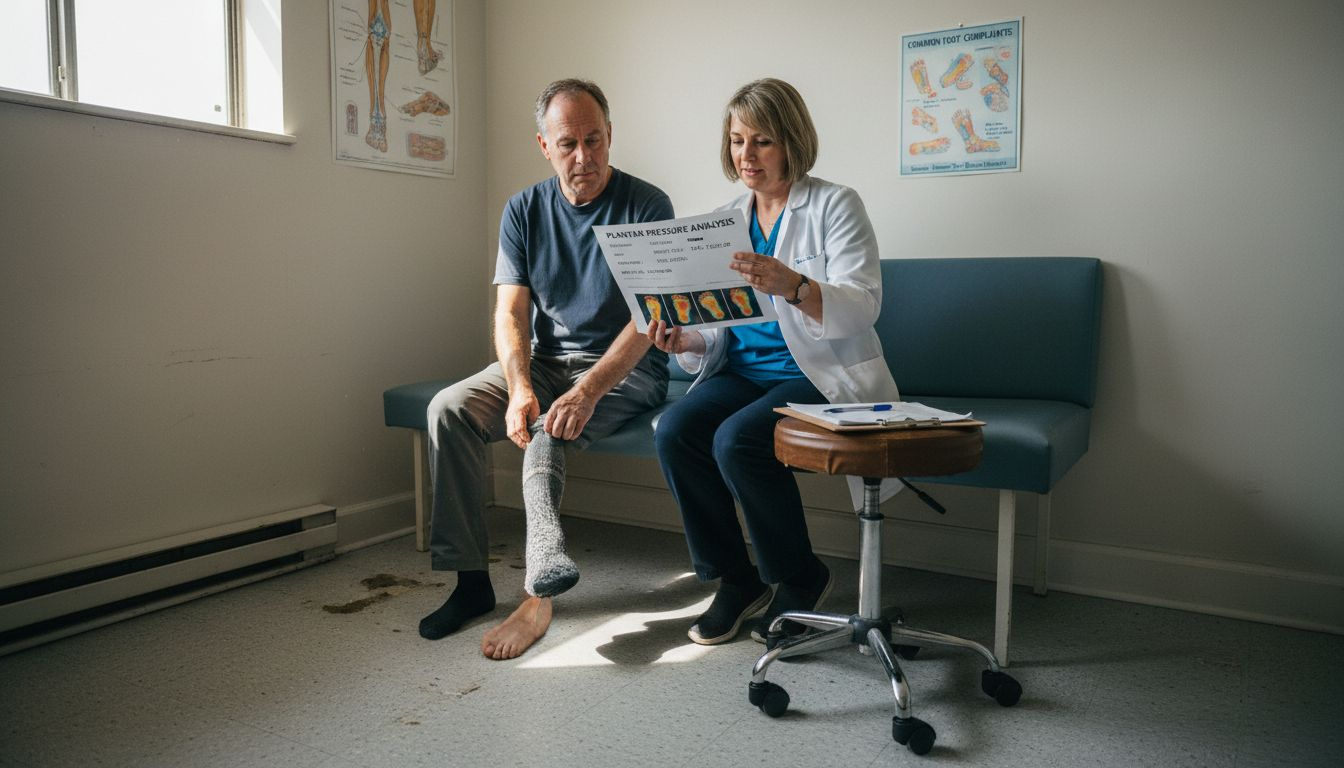
Professional podiatrists recommend getting a personalised foot assessment to understand your unique support requirements. This helps identify the most suitable advanced footwear that matches your individual foot mechanics and movement patterns.
Reviewing footwear types helps match them to activity and support level:
| Footwear Type | Best Use | Support Characteristics |
|---|---|---|
| Running Shoes | High-impact exercise | Shock absorption, arch support |
| Walking Shoes | Daily routines | Flexible, lightweight |
| Orthopaedic | Medical conditions | Customised for foot shape |
| Hiking Boots | Outdoor, rugged terrain | Ankle stability, durability |
Expert Recommendation: Invest time in trying multiple shoe styles and walking around the store to assess true comfort and support before making a final purchase.
Step 3: Incorporate daily foot care routines
Establishing a consistent daily foot care routine is fundamental to maintaining long-term foot health and preventing potential complications. Your feet endure significant daily stress, making proactive care essential for preventing infections, discomfort, and more serious health issues.
Implement a comprehensive daily foot care routine with these critical steps:
- Wash feet thoroughly with mild soap and warm water
- Dry feet completely, especially between toes
- Trim toenails carefully and straight across
- Inspect feet daily for cuts, blisters, or colour changes
- Moisturise dry areas while avoiding spaces between toes
Daily foot hygiene practices are crucial for preventing fungal infections and maintaining overall foot wellness. Consistent care helps identify potential issues before they become serious health concerns.
Preventative daily care is your first line of defence against foot-related health problems.
People with specific health conditions like diabetes should be especially diligent, performing more comprehensive daily foot examinations and consulting healthcare professionals regularly about any changes or concerns.
Expert Recommendation: Keep a small mirror and good lighting available to help you thoroughly examine hard-to-see areas of your feet during your daily routine.
Step 4: Monitor progress and adjust habits
Tracking your foot health journey requires consistent self-assessment and willingness to adapt your care routine as you discover new insights about your body’s unique needs. Effective monitoring helps you identify potential issues early and make targeted improvements to your foot health strategy.
Implement a systematic approach to tracking your foot health progress:
- Document changes in foot appearance and comfort
- Track pain levels and specific discomfort locations
- Compare shoe wear patterns to understand biomechanical shifts
- Record any skin or nail changes
- Note mobility and flexibility improvements
Foot health monitoring techniques are crucial for understanding your body’s ongoing responses to new care routines. Regular self-examination allows you to catch potential problems before they escalate into more serious conditions.
Consistent monitoring transforms passive health management into proactive self-care.
Individuals with chronic conditions like diabetes should consider more frequent professional assessments, creating a collaborative approach between personal observation and medical expertise.
Expert Recommendation: Create a simple digital or physical journal to log your foot health observations, making it easier to track progress and recognise patterns over time.
Enhance Your Foot Health with Modern Supportive Footwear
Maintaining optimal foot health requires more than just daily care routines—choosing the right advanced footwear plays a crucial role as highlighted in the article. If you are tired of discomfort caused by poor shoe support or worried about long-term issues like joint strain and foot deformities, now is the time to prioritise footwear tailored for your unique needs. The article emphasises key factors such as arch support, dynamic cushioning, and biomechanical design, all essential features that YDA UK specialises in integrating into every pair of shoes.

Take action today and explore our collection of high-performance, stylish shoes that combine cutting-edge technology with lasting comfort. Designed to support your natural foot movement and protect against common problems like plantar fasciitis and improper alignment, our footwear helps you walk with confidence and health. Visit YDA UK now to find your perfect fit and experience the transformative benefits of advanced foot care solutions crafted specifically for 2025 and beyond.
Frequently Asked Questions
How can modern footwear improve foot health in 2025?
Modern footwear can significantly enhance foot health by providing advanced support, cushioning, and biomechanical design tailored to individual needs. To improve your foot health, assess your footwear’s arch support and material flexibility and make necessary adjustments to ensure they match your specific movement patterns.
What features should I look for in advanced footwear?
Look for footwear that offers dynamic cushioning, appropriate arch support, and breathability to promote foot comfort and health. Prioritise trying on different styles to find supportive shoes that suit your activity level, ensuring they feel comfortable during movement.
How often should I replace my modern footwear to maintain foot health?
Replace your footwear every 300 to 500 miles or every six months, depending on your activity levels and wear patterns. Regular assessments of your shoes can prevent discomfort and potential injuries from worn-out support.
What daily foot care practices should I incorporate with modern footwear?
Incorporate a daily foot care routine that includes thorough washing, drying, and moisturising of your feet, as well as regular inspections for any changes. Aim to perform these tasks every evening to catch potential issues early and maintain foot health.
How can I monitor my foot health progress effectively?
To monitor your foot health, document any changes in appearance, comfort levels, and mobility in a health journal. Regularly review these notes, aiming for an update at least once a week, to identify patterns and adjust your foot care routine accordingly.