
Tips for choosing everyday shoes: your 2026 guide
TL;DR:
- Choosing supportive shoes based on proper fit and arch type is essential for foot health and pain prevention. Shoes should fit well from the first wear, with structural features like a firm heel counter and proper cushioning, regardless of style preferences. Replace shoes every 6 to 12 months or after 300 to 500 miles to maintain optimal support and stability.
The right everyday shoe is defined by fit, arch support, and structural integrity, not by colour or trend. Chronic back and knee pain often traces directly to shoes chosen for appearance rather than function. Podiatric guidance recommends wearing supportive footwear approximately 80% of the time to protect foot health over the long term. The tips for choosing everyday shoes in this guide are grounded in biomechanics, podiatrist recommendations, and practical experience, so you can make a confident, informed decision every time.
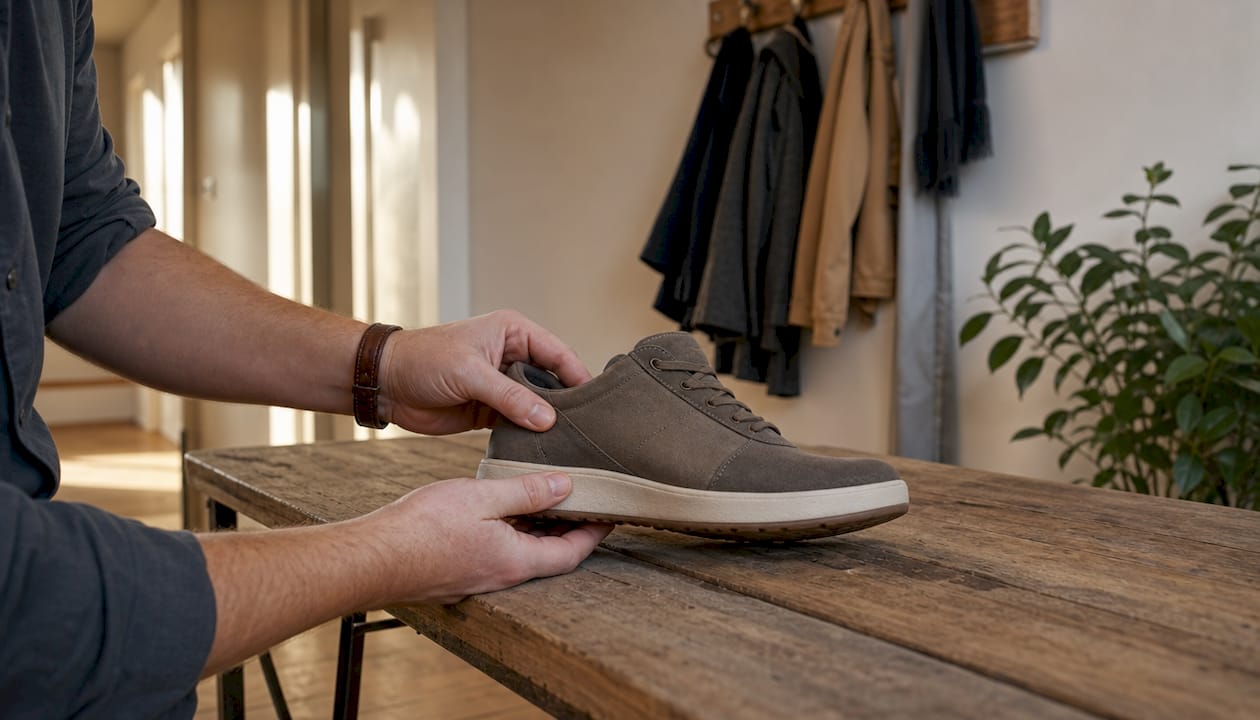
1. Tips for choosing everyday shoes: start with correct fit
Fit is the single most important factor in shoe selection. A shoe that looks right but fits poorly will cause blisters, joint strain, and long-term foot problems regardless of its other qualities.
Measure your feet in the afternoon. Feet swell by up to half a size throughout the day, so an afternoon measurement gives you the most accurate reading. Always fit the larger foot, since most people have one foot slightly bigger than the other.
Key fit checks to carry out before buying:
- Allow a thumb’s width of space between your longest toe and the end of the shoe.
- Check that the width does not pinch the sides or cause the upper to bulge outward.
- Try both shoes and walk on a hard surface, not just carpet.
- Press the heel counter firmly. Your heel should sit snugly without slipping.
- Check that the widest part of your foot aligns with the widest part of the shoe.
Pro Tip: Never buy shoes expecting them to “loosen up.” A properly fitting shoe should feel comfortable from the very first step. Discomfort on first wear signals a wrong fit, not a break-in period.
Heel slip is a common and underestimated problem. A heel that lifts even slightly with each step creates friction that leads to blisters and alters your gait over time.
2. How to choose supportive shoes based on your arch type
Your arch type determines which shoe category your feet actually need. Buying without knowing your arch type is the most common mistake people make when selecting casual footwear.
The wet foot test is the simplest diagnostic tool available. Wet the sole of your foot, step onto a piece of dark paper or card, and examine the imprint.
- Flat arch (low arch). The imprint shows almost the entire sole. Flat feet pronate inward and need motion control and stability shoes with firm medial support to prevent overpronation.
- High arch. The imprint shows only a thin strip along the outer edge. High arches supinate outward and require maximum cushioning with neutral support to absorb impact effectively.
- Neutral arch. The imprint shows a clear arch band. Neutral feet suit mild stability or neutral shoes and have the widest range of compatible footwear.
- Avoid ultra-flat or overly flexible shoes for any arch type. Excess cushioning without structure feels pleasant initially but fails to provide the stability needed for daily wear, increasing the risk of plantar fasciitis and arch strain.
- Check heel drop. A moderate heel drop of 8–12mm reduces strain on the Achilles tendon. Completely flat shoes place greater load on the tendon and are not suitable for most people as a daily option.
Pro Tip: If you are unsure of your arch type, visit a podiatrist or specialist footwear retailer for a professional gait assessment. It takes under ten minutes and removes all guesswork from the process.
For a detailed breakdown of how arch type affects footwear choice, the flat foot vs high arch guide from Ydauk covers both categories thoroughly.
3. Essential shoe features beyond fit and arch support
Once fit and arch support are confirmed, structural features determine whether a shoe holds up over months of daily wear. These are the qualities that separate a genuinely supportive shoe from one that merely looks the part.
Key structural features to assess:
- Firm heel counter. The heel counter is the rigid cup at the back of the shoe. A firm heel counter prevents excessive inward rolling and reduces the risk of blisters and ankle strain. Squeeze the back of the shoe. It should not collapse easily.
- Balanced cushioning. Cushioning should absorb impact without feeling unstable underfoot. Overly soft midsoles can be detrimental for people who need firm support, particularly those with flat feet.
- Breathable upper materials. Mesh and engineered knit uppers allow airflow and reduce moisture build-up. This matters more in warmer climates or for people who are on their feet for long periods.
- Forefoot flexibility. Bend the shoe at the ball of the foot. A supportive shoe flexes naturally at that point. If it bends in the middle or twists along its length, the structure is insufficient for daily wear.
- Wide and deep toe box. The toe box must accommodate natural toe splay when walking. Vertical space is equally important, particularly for people with bunions or hammer toes, as toe box height prevents pressure on deformities.
The table below summarises the key features and what to check for each.
| Feature | What to check |
|---|---|
| Heel counter | Firm, does not collapse when squeezed |
| Cushioning | Supportive but not unstable underfoot |
| Upper material | Breathable mesh or knit for daily comfort |
| Forefoot flex | Bends only at the ball of the foot |
| Toe box | Wide and deep enough for natural toe splay |
| Sole integrity | No twisting along the length of the shoe |
For a full breakdown of the structural qualities that matter most, the foot-friendly shoe features guide from Ydauk covers six key elements in detail.
4. How to balance style preferences with foot health
Style and function are not mutually exclusive, but function must come first. A shoe that looks good but lacks structural support will cause problems within weeks of daily use.
Practical tips for buying comfortable shoes without sacrificing style:
- Prioritise fit and support before considering colour or silhouette.
- Choose styles with a visible midsole and a structured heel. These design elements signal genuine support rather than decorative padding.
- Match the shoe to your actual daily activity. A shoe suited to commuting on hard pavements differs from one designed for standing on a warehouse floor all day.
- Avoid shoes with narrow, pointed toe boxes for daily wear. They compress the forefoot and accelerate the development of bunions and neuromas.
- Avoid ultra-thin soles. They transfer ground impact directly to the foot and offer no protection for the plantar fascia.
- Use removable insoles to customise fit and support if the shoe’s built-in footbed is insufficient for your foot type.
Pro Tip: Shop with your actual routine in mind, not an imagined one. If you walk 20 minutes to a train station each morning, test the shoe on a hard floor for at least five minutes in the shop. Your daily walking needs should drive the decision, not how the shoe looks on a shelf.
Poor footwear choices affect more than just your feet. Wearing unsupportive shoes regularly can contribute to knee and back pain by altering your gait and placing uneven load on your joints. Runners and active walkers should also be aware that ill-fitting shoes can cause foot numbness and nerve compression over time.
5. When and why to replace your everyday shoes
A shoe can look perfectly intact while providing almost no support. The materials that cushion and stabilise your foot degrade with use, and visual inspection alone will not reveal this.
- Follow the mileage and time rule. Replace daily walking shoes every 6–12 months or every 300–500 miles, whichever comes first. This applies even if the upper shows no visible damage.
- Watch for loss of cushioning. Press your thumb firmly into the midsole. If it feels hard and does not spring back, the cushioning has compressed beyond its useful life.
- Check for sole wear patterns. Uneven wear on the heel or outer edge indicates that the shoe is no longer distributing load correctly. This alters your gait and increases injury risk.
- Look for heel counter collapse. A heel counter that has softened or tilted inward no longer stabilises the foot. This is one of the clearest signs that a shoe needs replacing.
- Understand the difference between shoe types. Running shoes typically last 300–500 miles due to the higher impact forces involved. Casual walking shoes may last slightly longer, but the same degradation process applies.
- Treat replacement as preventive care. Worn-out shoes contribute to foot pain and altered gait. Replacing them on schedule is far less costly than treating the injuries that result from wearing them past their useful life.
Key takeaways
The most effective approach to choosing everyday shoes is to match fit, arch support, and structural features to your specific foot type before considering style or price.
| Point | Details |
|---|---|
| Fit comes first | Measure feet in the afternoon and allow a thumb’s width at the toe box. |
| Know your arch type | Use the wet foot test to identify flat, high, or neutral arches before buying. |
| Check structural features | Assess heel counter firmness, forefoot flex, and toe box depth on every shoe. |
| Replace on schedule | Swap daily shoes every 6–12 months or 300–500 miles to maintain support. |
| Style follows function | Choose supportive midsoles and heel structure first, then consider aesthetics. |
What I have learned from years of watching people buy the wrong shoes
Most people walk into a shoe shop with a style in mind and then look for reasons to justify the purchase. That is the wrong order of operations, and it is the root cause of most foot pain I see discussed in the context of everyday footwear.
The “no break-in period” rule is the single most useful piece of advice I can offer. If a shoe is uncomfortable on first wear, it will not improve. The materials do not soften in a way that corrects a structural mismatch. What actually happens is that your foot adapts to the shoe, and that adaptation usually means altered gait, pressure points, and eventually pain.
Breathability is also consistently underrated. People focus on cushioning and arch support, which are both correct priorities, but they overlook the upper material entirely. A shoe that traps heat and moisture creates its own problems, particularly for people on their feet for six or more hours a day. Mesh uppers are not just a comfort feature. They are a hygiene and skin health consideration.
The advice I would give anyone reading this is simple: trust the structural features over the marketing language. A shoe that passes the heel counter squeeze test, flexes correctly at the forefoot, and fits your arch type will serve you far better than one with impressive branding and a thin, decorative sole.
— Panagiotis
Ydauk’s YDA technology: built around how your foot actually works
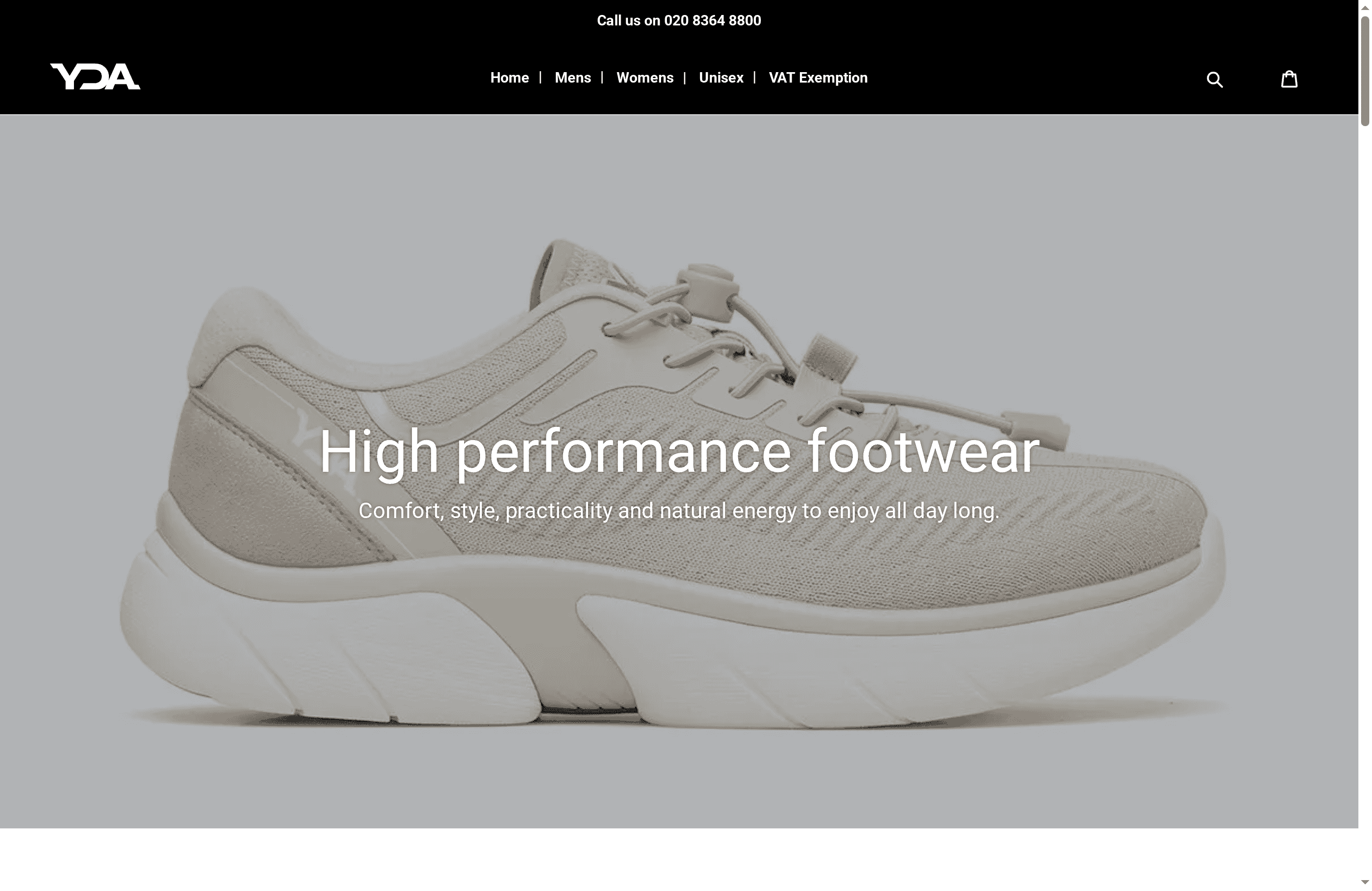
Ydauk developed YDA Technology specifically to address the structural requirements that most everyday shoes overlook. The technology focuses on three areas: targeted arch support matched to foot biomechanics, balanced cushioning that maintains stability rather than sacrificing it for softness, and a fit system designed to accommodate varied foot widths and toe box needs. The result is a shoe built for daily wear comfort that does not require you to choose between support and style. Ydauk’s range is designed for both men and women, making it a practical option for households where multiple foot types need to be considered. If you want to understand exactly how the technology works before buying, the YDA shoe technology page explains each feature in clear, practical terms.
FAQ
What is the most important factor when choosing everyday shoes?
Fit is the most important factor. A shoe must match your foot length, width, and arch type to provide genuine support and prevent long-term pain.
How do I know if my shoes need replacing?
Replace your shoes every 6–12 months or after 300–500 miles of use. Signs of wear include compressed cushioning, uneven sole wear, and a collapsed heel counter.
What does heel drop mean and why does it matter?
Heel drop is the height difference between the heel and the forefoot of a shoe. A moderate drop of 8–12mm reduces strain on the Achilles tendon and suits most people for daily wear.
Can poor shoes really cause back pain?
Yes. Unsupportive shoes alter your gait, which places uneven load on your knees, hips, and lower back. Choosing shoes with proper arch support and cushioning reduces this risk significantly.
When is the best time to buy shoes?
Buy shoes in the afternoon, when your feet are at their largest due to natural swelling throughout the day. This gives you the most accurate fit and prevents shoes from feeling tight by evening.