
Shoe shopping tips 2026: choose comfort, style and tech
Finding the perfect pair of shoes in 2026 means balancing three critical factors: comfort that supports your feet throughout the day, style that matches your personal aesthetic, and technology that enhances performance and health. With advanced cushioning systems, biomechanical designs, and smart materials now standard, consumers face more choices than ever. This article provides evidence-based guidance to help you navigate modern footwear options, understand key health-oriented features, and select shoes that truly meet your needs. Whether you’re managing foot conditions or simply seeking everyday comfort, these expert-backed tips will transform your shoe shopping experience.
Table of Contents
- Criteria For Choosing Shoes In 2026: Health, Fit And Technology
- Top Shoe Options In 2026: Comfort, Cushioning And Advanced Tech
- Comparing Shoe Features Side-By-Side: Cushioning, Stability And Foot Support
- Choosing Shoes For Your Foot Type And Activity In 2026
- Shop Shoes Designed For Health And Comfort At YDA UK
Key takeaways
| Point | Details |
|---|---|
| Health-first criteria | Prioritise structured heel counters, appropriate cushioning, and biomechanical fit to prevent injury and support foot health. |
| Technology matters | Advanced sole technologies like responsive foams and carbon plates enhance energy return and shock absorption. |
| Match to foot type | Different arch types and activities demand specific shoe features, from motion control to maximum cushioning. |
| Balance is essential | Max cushioning offers comfort but requires stability features to avoid altered joint loading. |
| Customisation options | Removable insoles allow for personalised orthotic fit tailored to your foot pathology. |
Criteria for choosing shoes in 2026: health, fit and technology
Selecting footwear that truly supports your health starts with understanding fundamental biomechanical principles. Your foot type, gait pattern, and intended activity create a unique profile that determines which shoe features will serve you best. Rather than following trends alone, focus on evidence-based criteria that podiatrists use to assess footwear quality.
Podiatrists recommend shoes with structured heel counters, torsional midfoot rigidity, forefoot flex grooves, and removable deep insoles for optimal foot health. These structural elements work together to control motion, provide stability during the gait cycle, and accommodate custom orthotics when needed. A firm heel counter prevents excessive rearfoot motion that can lead to plantar fasciitis or Achilles tendinopathy. Midfoot rigidity stops unwanted twisting that stresses ligaments, whilst forefoot flex grooves allow natural toe-off mechanics.
Modern shoe technology has evolved beyond simple cushioning to incorporate sophisticated materials and design principles. Responsive foams compress and rebound efficiently, returning energy with each step. Carbon fibre plates embedded in midsoles create propulsive leverage, particularly beneficial for athletic activities. When evaluating options, consider how these innovations align with your specific needs rather than assuming more technology always equals better performance.
Key selection priorities include:
- Biomechanical assessment of your foot type, arch height, and pronation pattern
- Structural support features that match your gait mechanics
- Activity-specific designs that address the demands of running, walking, or standing
- Cushioning systems appropriate to your weight and impact requirements
- Removable insoles for orthotic compatibility if you have foot pathology
Pro Tip: Visit a podiatrist or specialised footwear retailer for a gait analysis before major purchases. Understanding whether you overpronate, supinate, or have neutral mechanics guides you towards shoes engineered for your specific biomechanics, preventing injury and maximising comfort.
Your footwear selection guide 2025 approach should start with these health-focused criteria, then layer in style preferences and budget considerations. Learning to evaluate shoe technology objectively helps you distinguish genuine innovations from marketing hype. By prioritising structural shoe features for foot health, you invest in long-term comfort and injury prevention rather than short-term trends.
Top shoe options in 2026: comfort, cushioning and advanced tech
Several standout models exemplify the intersection of health-focused design and cutting-edge technology. These shoes represent different approaches to cushioning, stability, and performance enhancement, each with distinct advantages for specific user profiles.
The Hoka Bondi 9 excels in max cushioning for shock absorption and meets APMA benchmarks, making it suitable for plantar fasciitis and all-day standing. Its ultra-light foam midsole exceeds 40mm thickness whilst maintaining a responsive feel through rocker geometry that promotes smooth heel-to-toe transition. This design particularly benefits individuals who spend extended periods on hard surfaces or require maximum impact protection due to joint concerns.
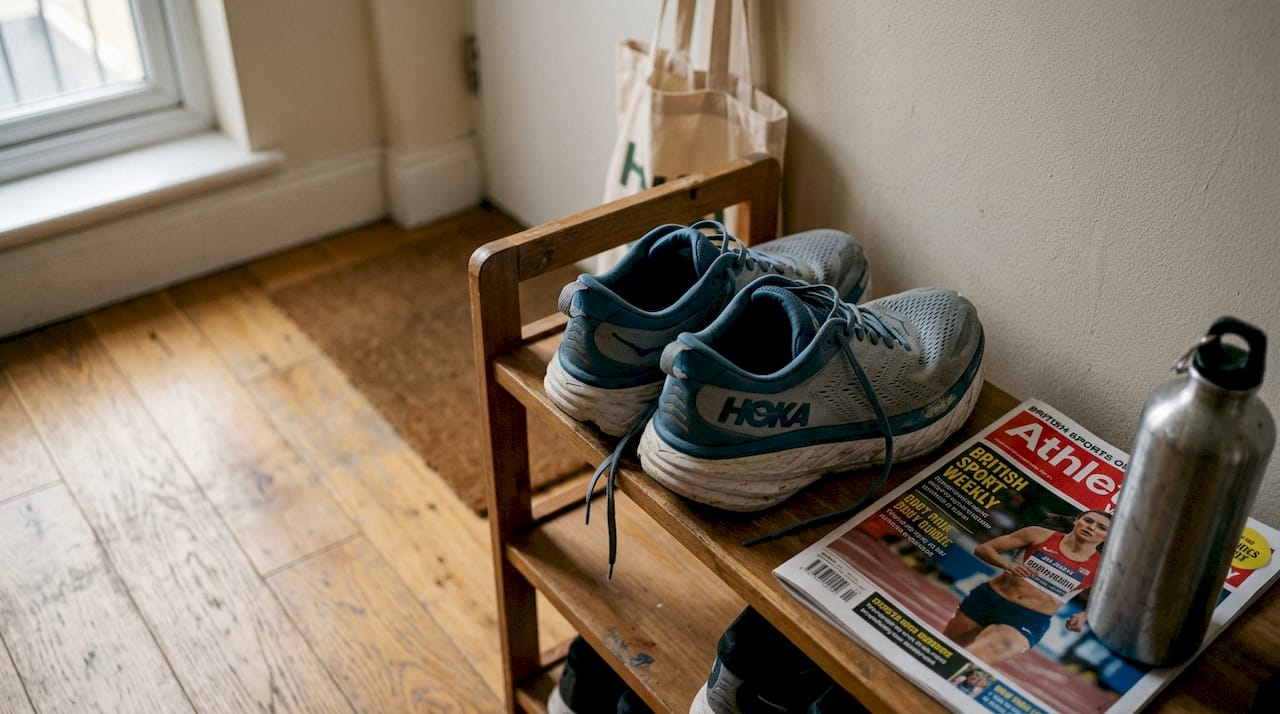
Research confirms that increasing midsole thickness beyond 40mm improves running economy and perceived comfort despite added mass. The metabolic advantage comes from reduced muscle work needed to attenuate impact forces, allowing your body to operate more efficiently. However, thicker midsoles can compromise ground feel and proprioception, creating trade-offs between cushioning and sensory feedback.
Advanced propulsion systems represent another frontier in footwear innovation. Technology like carbon plates and responsive foams increases propulsion and energy return on smooth surfaces. These features work synergistically: stiff plates leverage ground reaction forces whilst springy foams store and release elastic energy. Athletes report noticeable performance improvements on pavement and packed trails, though benefits diminish on technical terrain where stability becomes paramount.
Popular health-oriented models for 2026 include:
- Hoka Bondi 9: Maximum cushioning with rocker geometry for all-day comfort
- Brooks Ghost series: Balanced cushioning with smooth transitions for neutral runners
- ASICS Gel-Kayano: Structured support with gel cushioning for overpronators
- New Balance Fresh Foam: Responsive cushioning with wide toe box options
- Saucony Triumph: Plush cushioning with PWRRUN foam for lightweight comfort
Exploring footwear innovations 2025 reveals how manufacturers integrate health science with performance engineering. The best stylish health shoes 2026 prove you needn’t sacrifice aesthetics for functionality. Modern designs incorporate sleek profiles and contemporary colourways whilst maintaining the structural integrity podiatrists recommend. Understanding how hoka bondi 9 cushioning compares to competitors helps you assess whether maximum protection suits your needs or whether moderate cushioning with enhanced stability serves you better.
Consider terrain and usage patterns when evaluating these options. Midsole thickness study findings apply primarily to road running and walking, whilst carbon plate technology performs optimally on firm, predictable surfaces. Match technology to your actual activities rather than aspirational use cases.
Comparing shoe features side-by-side: cushioning, stability and foot support
A structured comparison illuminates how leading models balance competing priorities of cushioning, stability, weight, and orthotic compatibility. This analysis helps you identify which compromises align with your priorities.
| Model | Cushioning Level | Stability Features | Weight | Orthotic Compatible | | — | — | — | — | | Hoka Bondi 9 | Maximum (45mm) | Moderate rocker | 310g | Yes, removable insole | | Brooks Ghost 15 | High (32mm) | Neutral geometry | 283g | Yes, removable insole | | ASICS Gel-Kayano 30 | High (33mm) | Structured support | 315g | Yes, deep insole | | New Balance 1080v13 | High (34mm) | Neutral, wide options | 289g | Yes, removable insole | | Saucony Triumph 21 | Maximum (39mm) | Neutral platform | 295g | Yes, removable insole |
Insole design significantly impacts how shoes accommodate custom orthotics and distribute plantar pressures. Higher insole stiffness notably reduces foot displacement and peak plantar stresses, supporting orthotic designs. Stiffer insoles limit excessive foot motion within the shoe, creating a more stable platform for force transmission. This proves particularly valuable for individuals with hypermobile feet or those requiring motion control beyond what the shoe structure alone provides.
The cushioning versus stability debate requires nuanced understanding. Max cushion reduces impact but may alter joint loading; balance cushioning with stability features. Excessive softness allows uncontrolled foot motion that can stress knees and hips through altered biomechanics. The optimal approach combines adequate cushioning for shock absorption with sufficient firmness to maintain alignment throughout the gait cycle.
Key comparison considerations include:
- Cushioning level appropriate to your weight and impact requirements
- Stability features matched to your pronation pattern and foot strength
- Weight trade-offs between protection and efficiency
- Insole depth and removability for orthotic accommodation
- Heel-to-toe drop affecting Achilles tendon loading
Pro Tip: Test shoes on similar surfaces to your primary use case. A shoe that feels perfect on carpet may prove too soft on concrete, whilst firm models that seem harsh in-store often perform beautifully on pavement. Whenever possible, utilise return policies to trial shoes during actual activities before committing.
Your shoe finding workflow should incorporate these comparison factors systematically. Following a structured shoe shopping process steps ensures you evaluate all relevant criteria rather than fixating on single features. Understanding insole stiffness and stress reduction mechanics helps you appreciate why seemingly minor design elements create substantial functional differences. Comprehensive max cushioning analysis reveals both benefits and limitations of ultra-soft platforms.
Choosing shoes for your foot type and activity in 2026
Personalising shoe selection based on your unique foot characteristics and intended activities maximises both comfort and injury prevention. Generic recommendations fail because feet vary dramatically in arch height, width, flexibility, and pathology.
For individuals with plantar fasciitis, select shoe type based on arch: motion control for flat feet, neutral for medium arches, cushioning for high arches. This arch-specific approach addresses the underlying biomechanical factors contributing to heel pain. Flat feet require motion control to prevent excessive pronation that stretches the plantar fascia, whilst high arches need cushioning to compensate for reduced natural shock absorption.
Special populations require additional considerations beyond standard shoe features. Diabetics require seam-free, extra depth footwear; overpronators benefit from stability shoes. Diabetic neuropathy diminishes sensation, making internal seams potentially dangerous as they create pressure points that can ulcerate unnoticed. Extra depth accommodates swelling and custom orthotics essential for pressure redistribution. Overpronators need medial posts or dual-density midsoles that resist inward collapse during stance phase.
Activity-specific recommendations include:
- Running: Match cushioning to weekly mileage and body weight, prioritise heel counter structure
- Walking: Focus on rocker geometry for smooth transitions, moderate cushioning
- Standing occupations: Maximum cushioning with anti-fatigue properties, arch support
- Cross-training: Stable platform with lateral support, moderate cushioning
- Casual wear: Balance style with adequate arch support, avoid completely flat soles
Avoid footwear that undermines foot health regardless of fashion trends. Flip-flops, unsupported sandals, and completely flat shoes force your feet to work excessively hard to maintain stability and propulsion. If you’re prone to plantar fasciitis, Achilles tendinopathy, or metatarsalgia, these styles exacerbate symptoms by providing no structural support.
Transitioning to minimalist or low-drop shoes requires gradual adaptation under professional guidance. Sudden switches from traditional to minimal footwear overload tissues unaccustomed to the altered loading patterns. Reduce heel-to-toe drop by 2-4mm every few months whilst monitoring for pain or discomfort. This measured approach allows your Achilles tendon, calf muscles, and plantar fascia to adapt their length and strength progressively.
Enhancing your overall approach to improve foot health 2025 extends beyond shoe selection to include strengthening exercises and proper fitting techniques. When buying healthy footwear online, use detailed size guides and read reviews from users with similar foot types. Understanding plantar fasciitis shoe selection principles empowers you to evaluate options confidently. Following podiatrist shoe recommendations ensures your choices align with clinical best practices.
Shop shoes designed for health and comfort at YDA UK
Applying these expert principles becomes effortless when you explore footwear specifically engineered for foot health and everyday comfort. YDA UK specialises in shoes that integrate advanced cushioning systems, biomechanically sound construction, and contemporary styling into cohesive designs. Each model undergoes rigorous evaluation to ensure it meets podiatric standards whilst delivering the aesthetic appeal modern consumers demand.
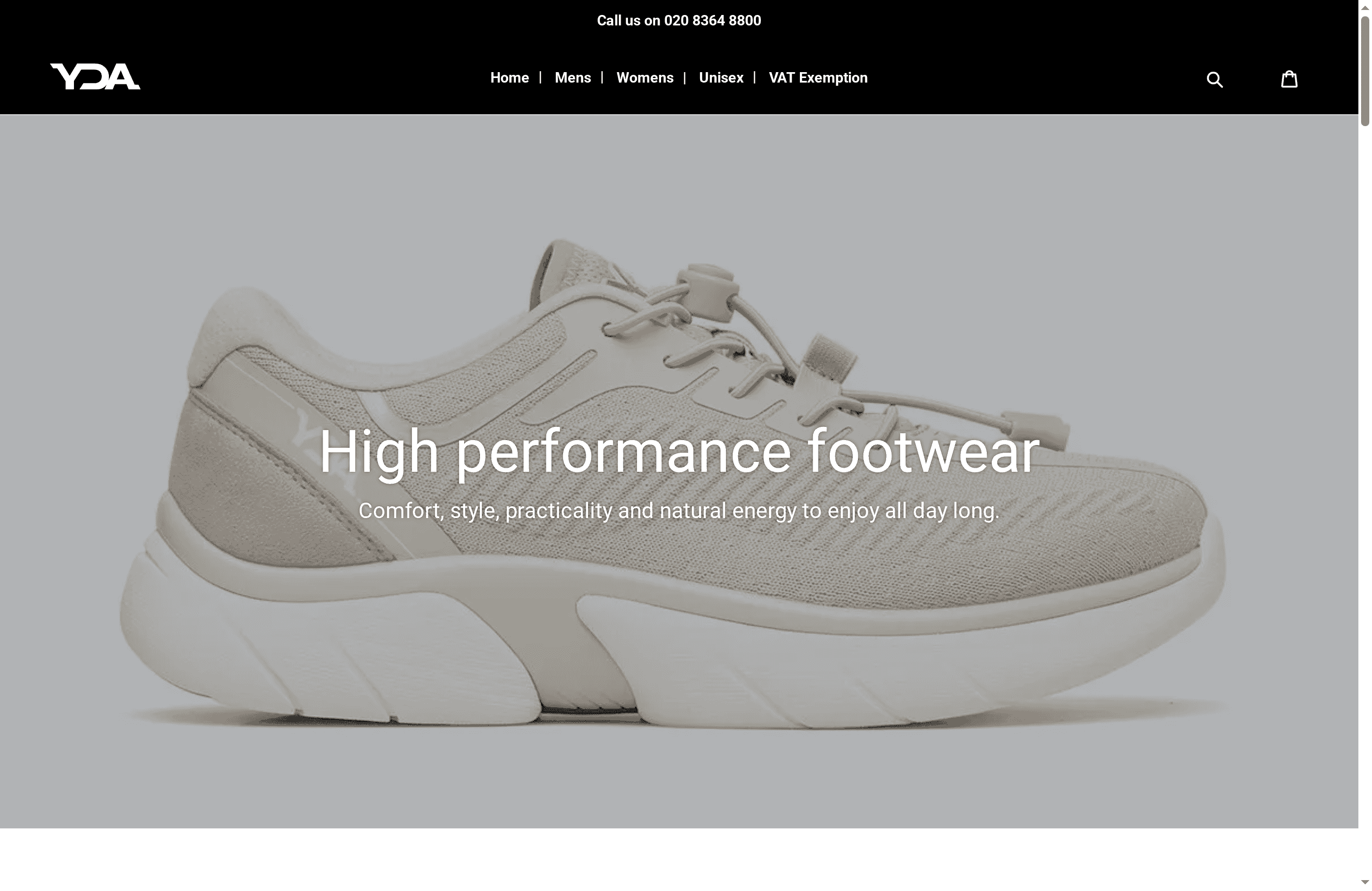
Our collection features shoes for problem feet that address common conditions without compromising on style. From structured heel counters to responsive midsole foams, every element serves both form and function. The technology of yda shoes incorporates innovations you’ve learnt about in this guide, including removable insoles for orthotic compatibility and carefully calibrated cushioning-stability balance. Browse our range to discover how health-focused engineering creates footwear that genuinely enhances your daily experience, backed by expert customer support to guide your selection.
FAQ
What are the most important features to look for when shoe shopping in 2026?
Prioritise structured heel counters that control rearfoot motion, cushioning appropriate to your body weight and activity level, and stability features matched to your pronation pattern. Latest sole technologies like responsive foams and carbon plates enhance performance but should complement rather than replace fundamental structural support. Always ensure shoes accommodate your foot width and allow for custom orthotics if needed.
How can I choose shoes if I have plantar fasciitis or other foot conditions?
Select motion control shoes if you have flat feet to limit excessive pronation, neutral shoes for average arch height, and maximum cushioning models for high arches. Avoid unsupportive sandals, flip-flops, and completely flat shoes that provide no arch support or shock absorption. Consult a podiatrist for personalised recommendations, especially if you require custom orthotics or have diabetes, arthritis, or neuropathy.
What role does shoe technology play in choosing the right footwear?
Advanced technologies improve shock absorption through responsive foam compounds, enhance energy return via carbon plates or rocker geometries, and provide tailored foot support through engineered stability systems. However, technology must align with your biomechanical needs rather than serving as a standalone selling point. Balance innovative features with proper fit, appropriate cushioning level, and structural elements that support your specific foot type and gait pattern.
How can I safely buy healthy footwear online in 2026?
Use detailed size guides that include width measurements and arch height indicators, read reviews from customers with similar foot types and conditions, and select retailers offering easy return policies for risk-free trials. Consider brands providing virtual fitting tools or video consultations with footwear specialists. When possible, order multiple sizes to compare fit at home on surfaces matching your intended use, keeping only the pair that feels supportive and comfortable during extended wear. Following a structured buying healthy footwear online process ensures you make informed decisions despite lacking in-person try-on opportunities.