
Sneaker trends explained: style, comfort and tech in 2026
Fashion-conscious consumers face a bewildering array of sneaker options in 2026, where over 70% of new sneaker models combine athletic technology with streetwear design. Yet most buyers still assume price determines comfort and performance. This guide cuts through the noise to reveal how biomechanics, materials science and sustainable practices genuinely define modern sneaker quality, helping you navigate the intersection of style, ergonomic design and technological innovation for smarter footwear choices.
Table of Contents
- Introduction To Modern Sneaker Trends
- Technological Innovations Driving Comfort And Performance
- The Role Of Biomechanics And Ergonomics In Sneaker Design
- Common Misconceptions About Sneaker Trends
- Comparing Key Sneaker Trend Categories
- Applying Sneaker Trend Insights To Your Footwear Choices
- Explore Ergonomic And Stylish Sneakers At YDA UK
- Frequently Asked Questions
Key takeaways
| Point | Details |
|---|---|
| Modern sneaker trends merge style with biomechanical design and advanced cushioning technologies | Sneakers now prioritise foot health alongside aesthetics, driven by consumer demand for multifunctional footwear |
| Mid-tier brands often surpass luxury models in comfort and technological performance | Price does not guarantee superior ergonomic benefits or advanced features |
| Biomechanically designed sneakers reduce foot discomfort by up to 25% | Scientific principles in sneaker construction prevent injury and improve posture |
| Sustainable manufacturing is reshaping sneaker production without compromising comfort | Eco-friendly materials and recycled components increasingly feature in high-performance designs |
| Practical selection balances style preferences with technology assessment and sustainability | Informed buyers evaluate cushioning, fit customisation and material sourcing |
Introduction to modern sneaker trends
Sneaker trends in 2026 represent a sophisticated convergence of three critical dimensions: aesthetic appeal, ergonomic comfort and technological innovation. Unlike previous decades where fashion dominated purchasing decisions, today’s consumers demand footwear that delivers multifunctional benefits. This shift stems from growing awareness of foot health’s impact on overall wellbeing and the desire for shoes that perform across diverse lifestyle contexts.
Consumer demand drivers reveal fascinating patterns. Fashion-conscious buyers increasingly prioritise biomechanical support and energy efficiency alongside visual design. The rise of hybrid lifestyles where work, exercise and social activities blur together has created appetite for versatile sneakers that transition seamlessly between contexts. Multifunctionality now ranks as a primary consideration, with buyers expecting their footwear to support various activities without sacrificing style.
Sneaker trends generally fall into distinct categories, each addressing specific consumer needs:
- Athletic performance models emphasising shock absorption and energy return
- Streetwear-inspired designs blending fashion-forward aesthetics with comfort technologies
- Sustainable options incorporating recycled materials and eco-conscious manufacturing
- Luxury fashion sneakers prioritising brand prestige and exclusive designs
The over 70% of new sneaker models combine athletic technology with streetwear design statistic underscores how boundaries between categories have dissolved. Manufacturers recognise that modern consumers refuse to compromise between looking good and feeling comfortable. This hybrid approach dominates current production, with brands investing heavily in cushioning systems, breathable fabrics and ergonomic construction that supports natural foot movement whilst maintaining visual appeal. Understanding these foundational trends helps buyers make informed choices aligned with their lifestyle requirements.
Technological innovations driving comfort and performance
Advanced cushioning materials have revolutionised sneaker comfort in recent years. React foam and Boost technologies represent breakthrough developments that significantly enhance energy return and shock absorption. These materials compress under impact then spring back efficiently, reducing the energy expenditure required for each step. Energy return improves up to 30% with these advanced cushioning technologies compared to traditional EVA foam, translating to reduced foot fatigue during extended wear.
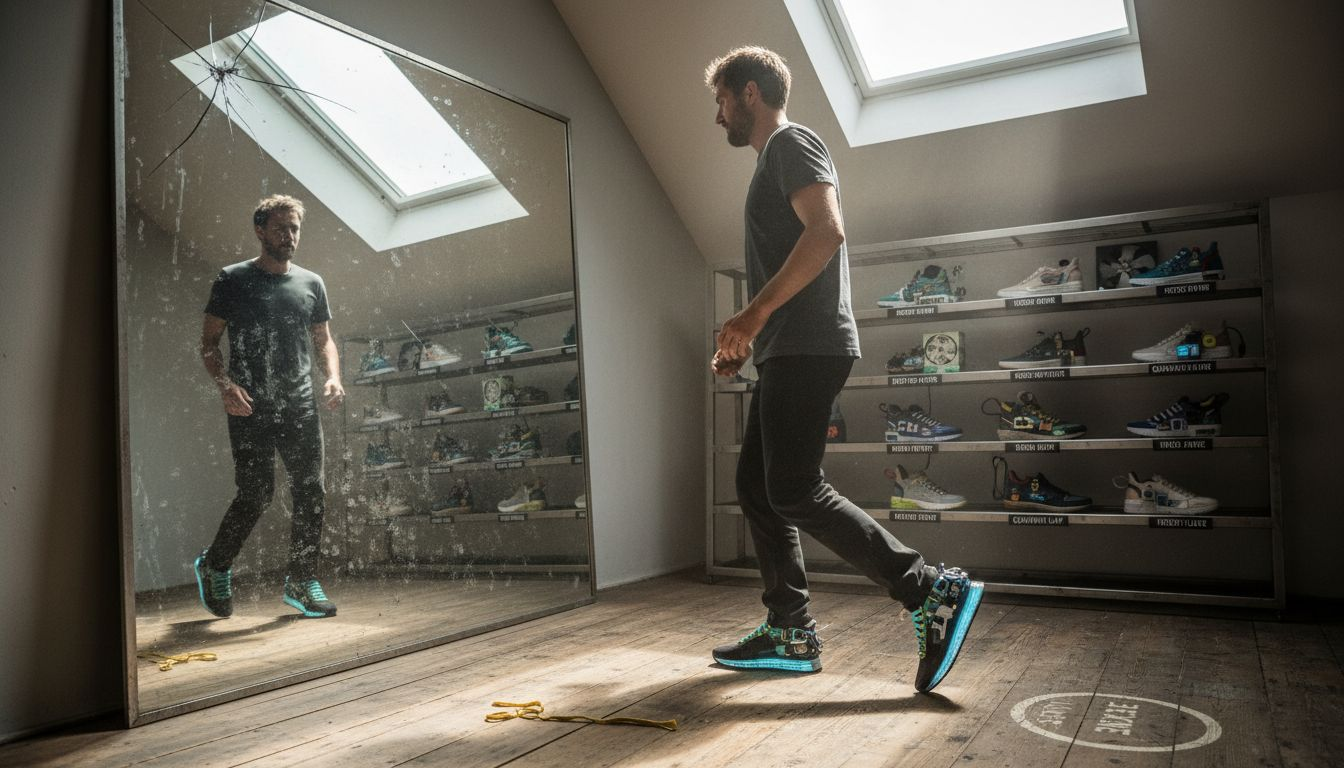
Three-dimensional printing and foot scanning technologies enable unprecedented customisation. Brands now offer services where consumers can have their feet scanned to generate precise measurements, which then inform 3D-printed midsoles tailored to individual biomechanics. This personalisation addresses the reality that no two feet share identical structure, allowing sneakers to accommodate specific arch heights, pressure points and gait patterns. The result is footwear that feels genuinely bespoke rather than mass-produced.
Shock absorption technology extends beyond cushioning materials to incorporate strategic design elements:
- Multi-density midsoles that place softer foam in high-impact zones and firmer foam where stability matters
- Gel inserts positioned at heel strike points to dissipate force
- Carbon fibre plates that guide foot motion and prevent excessive flexion
- Engineered mesh uppers that provide targeted support without restricting natural foot expansion
These technologies directly link to measurable health benefits. Reduced joint impact means less stress on knees, hips and lower back over time. Improved energy efficiency translates to decreased muscle fatigue, allowing wearers to remain comfortable during longer periods on their feet. For consumers evaluating options, understanding these advanced shoe cushioning technologies provides a framework for assessing genuine performance benefits rather than relying on marketing claims alone.
Pro Tip: Test sneakers by walking on hard surfaces for at least ten minutes in-store. Cushioning that feels plush initially may compress too quickly, whilst firmer materials often provide better long-term support despite feeling less immediately soft.
The role of biomechanics and ergonomics in sneaker design
Biomechanics examines how the human body moves, whilst ergonomics applies this knowledge to design products that support natural movement patterns. In sneaker construction, these principles guide decisions about heel height, toe box shape, arch support placement and flexibility zones. Properly applied, they create footwear that works with your body rather than forcing adaptation to restrictive designs.
The connection between poor sneaker design and foot ailments is well-documented. Shoes that lack adequate arch support contribute to plantar fasciitis development. Narrow toe boxes compress toes, leading to bunions and neuromas. Excessive heel cushioning without corresponding forefoot support disrupts natural gait mechanics, potentially causing knee and hip problems. These issues develop gradually, making it easy to overlook the role of footwear until discomfort becomes chronic.
Evidence supporting ergonomic sneaker benefits is compelling. Studies show biomechanically designed sneakers improve foot posture and reduce the risk of injury with a 25% reduction in common foot discomfort. This improvement stems from designs that maintain the foot’s natural alignment, distribute pressure evenly across the plantar surface and allow toes to splay naturally during push-off phases of walking or running.
“Up to 30% of foot-related discomforts are linked to poor sneaker design, emphasising the critical importance of biomechanical considerations in footwear selection.”
Consumers can identify biomechanically sound sneakers by examining specific features. Look for adequate toe box width that accommodates natural toe spread. Check that arch support aligns with your foot’s contours rather than imposing a generic shape. Assess heel counter rigidity, which should provide stability without restricting ankle movement. These practical evaluation strategies, detailed in this footwear selection guide 2025, empower informed purchasing decisions.
Understanding how to evaluate shoe technology for foot health requires looking beyond marketing language to assess actual construction. Ergonomic design represents a fundamental aspect of quality sneakers that fashion-conscious consumers should prioritise alongside aesthetic preferences. The integration of biomechanically designed sneakers into mainstream production reflects growing recognition that style and foot health need not conflict.
Common misconceptions about sneaker trends
The assumption that luxury sneakers automatically deliver superior comfort and performance represents perhaps the most pervasive misconception in footwear purchasing. Price often reflects brand prestige, limited production runs and premium materials like exotic leathers rather than advanced ergonomic engineering. High price does not guarantee better comfort; mid-tier sneakers often provide superior ergonomic benefits through investment in cushioning technology and biomechanical design that luxury fashion houses may overlook in favour of aesthetic distinctiveness.
Weight misconceptions similarly mislead consumers. Many buyers equate heavier sneakers with better stability and support, assuming additional material translates to enhanced performance. Modern materials science contradicts this intuition. Lightweight composites and engineered foams often outperform heavier traditional materials in both support and durability. Advanced sneakers achieve stability through strategic construction and material placement rather than sheer mass, allowing manufacturers to reduce weight whilst improving functionality.
Fashion trends and ergonomic design exist in perceived opposition within many consumers’ minds. The reality demonstrates increasing convergence:
- Streetwear brands now collaborate with biomechanics experts to integrate performance features
- Fashion-forward designs incorporate hidden technologies like carbon fibre shanks and graduated density midsoles
- Sustainable materials achieve aesthetic appeal whilst delivering comfort comparable to synthetic alternatives
- Customisation technologies allow style preferences to coexist with personalised ergonomic support
Brand prestige influences purchasing decisions disproportionately relative to actual performance characteristics. Buyers often assume established athletic brands or luxury fashion houses guarantee quality, overlooking emerging manufacturers that prioritise technological innovation. This creates market inefficiencies where consumers overpay for recognisable logos whilst superior performing alternatives at lower price points go unnoticed.
These misconceptions stem partly from effective marketing that emphasises brand heritage and celebrity endorsements over technical specifications. Understanding the sneaker pricing analysis landscape helps consumers recognise when they’re paying for genuine innovation versus intangible brand value. Critical evaluation of actual features rather than relying on assumptions about price, weight or brand reputation leads to more satisfying purchasing outcomes.
Comparing key sneaker trend categories
Understanding how major sneaker categories differ in technological features, market positioning and sustainability integration clarifies purchasing decisions. Athletic-inspired sneakers command 45% of global market share due to functionality and style appeal, demonstrating consumer preference for versatile performance-oriented designs.
| Category | Key Technologies | Market Share | Sustainability Integration | Primary Appeal |
|---|---|---|---|---|
| Athletic Performance | Advanced cushioning, carbon plates, breathable mesh | 45% | Moderate, focus on durability | Performance metrics, energy return |
| Streetwear Hybrid | Fashion materials, lifestyle cushioning, bold aesthetics | 30% | Low to moderate, varies by brand | Style versatility, cultural relevance |
| Luxury Fashion | Premium materials, limited editions, minimal tech | 15% | Low, emphasis on exclusivity | Brand prestige, collectability |
| Sustainable Focus | Recycled materials, bio-based foams, reduced carbon | 10% | High, core brand value | Environmental consciousness, innovation |
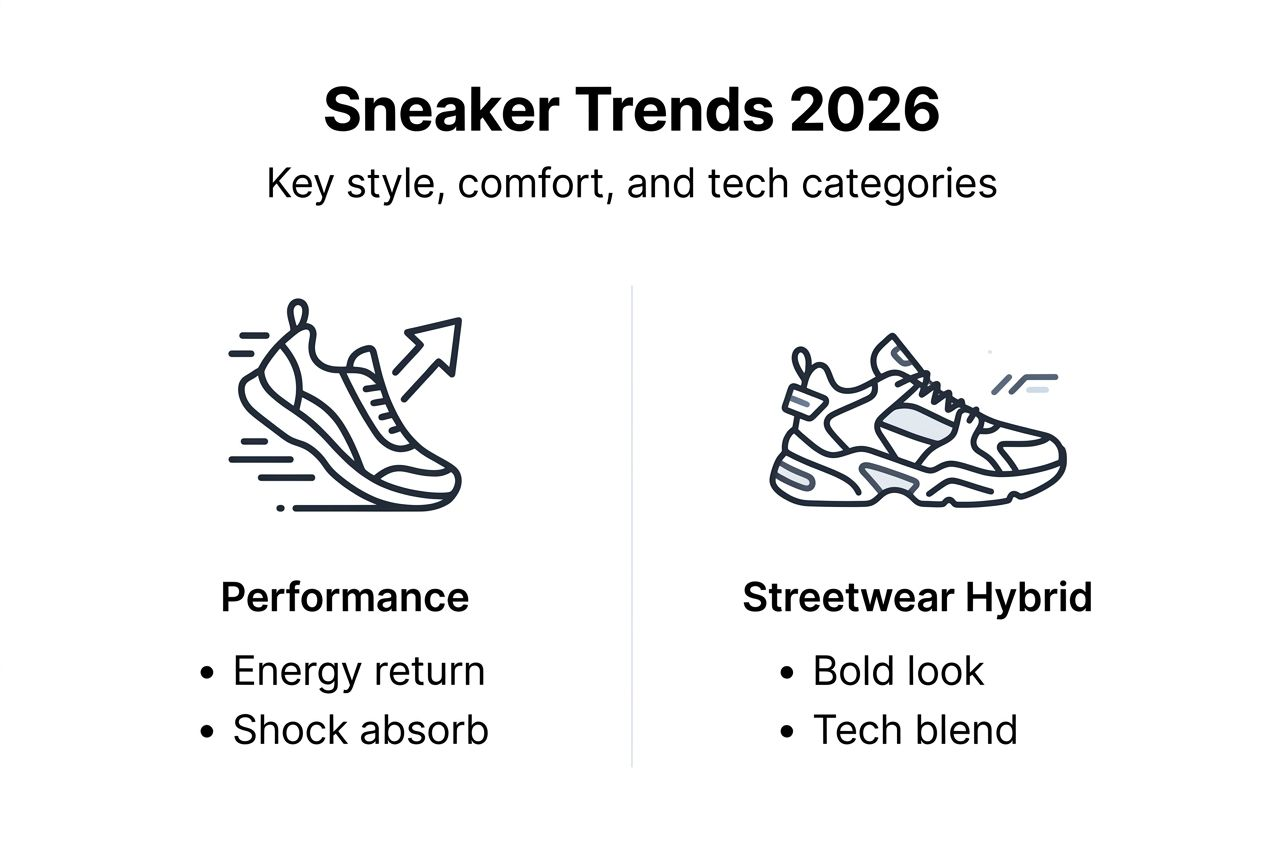
Athletic performance sneakers lead the market through emphasis on measurable benefits like energy return, shock absorption and lightweight construction. These models typically incorporate the most advanced cushioning technologies and biomechanical research. Their dominance reflects consumer prioritisation of functionality, though aesthetic design has evolved considerably to compete with fashion-focused alternatives.
Streetwear hybrid sneakers represent the fastest-growing segment, blending athletic technologies with bold visual design. These models often feature lifestyle-oriented cushioning that prioritises all-day comfort over peak athletic performance. Cultural relevance drives demand, with collaborations between athletic brands and fashion designers creating crossover appeal.
Luxury fashion sneakers emphasise brand heritage and exclusivity over technological innovation. Whilst some incorporate performance features, their primary value proposition centres on status signalling and collectability. Limited production runs and premium materials justify higher price points, though ergonomic benefits may lag behind mass-market athletic models.
Sustainable sneakers increasingly integrate eco-friendly footwear benefits without compromising comfort. Recycled polyester, algae-based foams and natural rubber demonstrate that environmental responsibility can coexist with performance. This category’s growth reflects shifting consumer values, particularly among younger buyers who prioritise sustainability alongside style and functionality.
Market dynamics reveal that categories are blurring as manufacturers recognise consumers want multifaceted benefits. Athletic brands incorporate fashion-forward designs, luxury houses experiment with performance technologies, and sustainable options improve aesthetic appeal. Understanding these categories helps buyers identify which features matter most for their specific needs and values.
Applying sneaker trend insights to your footwear choices
Translating knowledge about sneaker technologies, biomechanics and trends into practical purchasing decisions requires a systematic approach. Fashion-conscious consumers benefit from structured evaluation that balances aesthetic preferences with functional requirements.
- Assess your primary use cases by listing activities where you’ll wear the sneakers most frequently. Commuting, standing at work, casual walking and light exercise each impose different demands on footwear.
- Evaluate fit through extended try-on sessions rather than brief in-store tests. Walk for at least fifteen minutes, including stairs if possible, to identify pressure points or discomfort that emerges over time.
- Research specific technologies in models you’re considering using resources like this footwear selection guide 2025 to understand what features genuinely benefit your foot type and activities.
- Verify sustainability claims by examining material specifications and manufacturing transparency rather than relying on vague marketing language about being “eco-friendly”.
- Compare across categories to avoid limiting options prematurely. A sustainable sneaker or mid-tier athletic model may outperform the luxury option you initially considered.
Balancing style preferences with comfort and function requires honest assessment of priorities. If aesthetic appeal drives your interest in specific models, investigate whether comparable visual designs exist with superior ergonomic features. Many brands now offer fashion-forward options incorporating advanced technologies, eliminating the need to compromise.
Recognising credible claims versus marketing hyperbole protects against disappointing purchases. Look for specific technical specifications like foam density measurements, cushioning system descriptions and biomechanical design principles rather than vague promises of “ultimate comfort”. Brands confident in their technologies provide detailed explanations accessible through resources like this evaluate shoe technology guide.
Pro Tip: Visit stores offering 3D foot scanning services to obtain precise measurements of your foot dimensions and pressure distribution. This data proves invaluable when evaluating whether a sneaker’s design aligns with your biomechanics, particularly for online purchases where physical try-on isn’t possible.
Experimentation remains valuable despite research. Individual foot anatomy and personal comfort preferences introduce variability that generalisations cannot fully address. Purchase from retailers with generous return policies, allowing real-world testing over several days. This footwear technology explained guide provides frameworks for evaluating how different technologies perform in your daily routine.
Ultimately, informed sneaker selection synthesises knowledge about cushioning materials, biomechanical principles and sustainability practices with honest assessment of your lifestyle requirements and aesthetic preferences. The best shoes active lifestyle comfort 2026 analysis demonstrates how integrating these considerations leads to more satisfying long-term footwear choices that serve both fashion sensibilities and functional needs.
Explore ergonomic and stylish sneakers at YDA UK
Finding sneakers that genuinely integrate biomechanical design with contemporary style requires manufacturers committed to both dimensions equally. YDA UK specialises in ergonomic footwear engineered specifically for foot health without sacrificing visual appeal. Their range addresses the core themes explored throughout this guide: advanced cushioning technologies, biomechanically sound construction and designs that complement modern wardrobes.
The shoes for problem feet collection demonstrates how targeted engineering solutions address specific comfort challenges whilst maintaining style versatility. Each model incorporates research-backed design principles that support natural foot mechanics, featuring the cushioning systems and ergonomic construction detailed earlier. For consumers seeking deeper understanding of the innovations behind these products, the technology of YDA shoes page explains the biomechanical research and materials science informing their development. Exploring YDA UK’s offerings provides practical examples of how sneaker trends translate into wearable solutions that enhance daily comfort alongside aesthetic satisfaction.
Frequently asked questions
What are the latest sneaker technologies improving comfort?
React foam and Boost represent leading cushioning innovations, offering superior energy return and shock absorption compared to traditional materials. Three-dimensional printing enables custom midsoles tailored to individual foot shapes, whilst engineered mesh uppers provide targeted support without restriction. These advanced shoe cushioning technologies combine to reduce foot fatigue and enhance all-day wearability.
How do biomechanics influence sneaker design for foot health?
Biomechanical principles guide arch support placement, heel height and toe box dimensions to support natural foot movement patterns. Properly designed sneakers maintain alignment, distribute pressure evenly and allow natural toe splay, reducing injury risk and improving posture. This footwear selection guide 2025 explains how to identify biomechanically sound construction features.
Are expensive sneakers always better for comfort and performance?
Price reflects brand prestige and materials more than ergonomic engineering quality. Mid-tier brands often invest more heavily in cushioning technology and biomechanical design than luxury fashion houses focused on aesthetic exclusivity. This sneaker pricing analysis reveals how cost and comfort frequently diverge in footwear markets.
How can I identify sustainable sneakers that are also comfortable?
Look for specific material disclosures like recycled polyester percentages and bio-based foam compositions rather than vague sustainability claims. Verify that ergonomic features like adequate cushioning and proper arch support accompany environmental credentials. These eco-friendly footwear benefits demonstrate how sustainability and comfort increasingly coexist in modern sneaker design.