
Choose the best shoes for active lifestyle comfort 2026
Selecting shoes that balance performance, foot health, and style poses a genuine challenge for UK active individuals. The right footwear reduces injury risk whilst enhancing comfort during daily activities. This article explains essential selection criteria, profiles advanced shoe models, compares key metrics, and delivers expert-backed advice to guide your choice with confidence.
Table of Contents
- How To Choose The Best Shoes For An Active Lifestyle
- Top Active Lifestyle Shoes With Foot Health Focus
- Use Case Mapping: Which Shoe Fits Your Activity?
- Side-By-Side Comparison Of Key Shoe Metrics
- Expert Recommendations And Consumer Proof From UK Market
- Situational Recommendations: Pick The Best Shoe For Your Needs
- Discover Stylish Shoes That Blend Comfort And Performance
- Frequently Asked Questions
Key takeaways
| Point | Details |
|---|---|
| Optimal shoes balance cushioning, stability, breathability, and style for active lifestyle needs | Advanced foam technologies deliver shock absorption and energy return for daily comfort |
| Top models feature cushioning stacks from 30mm to 46mm with weights between 223g and 255g | Shoe choice should align with specific activities like running, walking, or recovery |
| Heel-to-toe drops range from 4mm to 8mm affecting gait biomechanics and adaptation ease | Expert testing and UK market validation confirm recommended models’ performance |
| Comparison data on weight, drop, and price aids informed selections tailored to individual needs | Pro tip labels and situational guidance help match shoes to your precise activity demands |
How to choose the best shoes for an active lifestyle
Cushioning and shock absorption protect your joints from repetitive impact. Shoes with cushioning and shock absorption reduce joint strain and fatigue for urban active users, making this feature essential for comfort during prolonged wear. Advanced foam technologies deliver energy return, transforming impact forces into forward propulsion.
Heel-to-toe drop measures the height difference between heel and forefoot, influencing running biomechanics. This metric affects how your foot strikes the ground and how much strain transfers to your calves. Transitioning abruptly to zero-drop shoes can strain calf muscles, so gradual adaptation matters.
Stability and arch support prevent injuries by maintaining proper foot alignment. Models with structured midsoles or supportive overlays reduce excessive pronation. For those with flat feet or high arches, targeted support prevents compensatory movements that lead to discomfort.
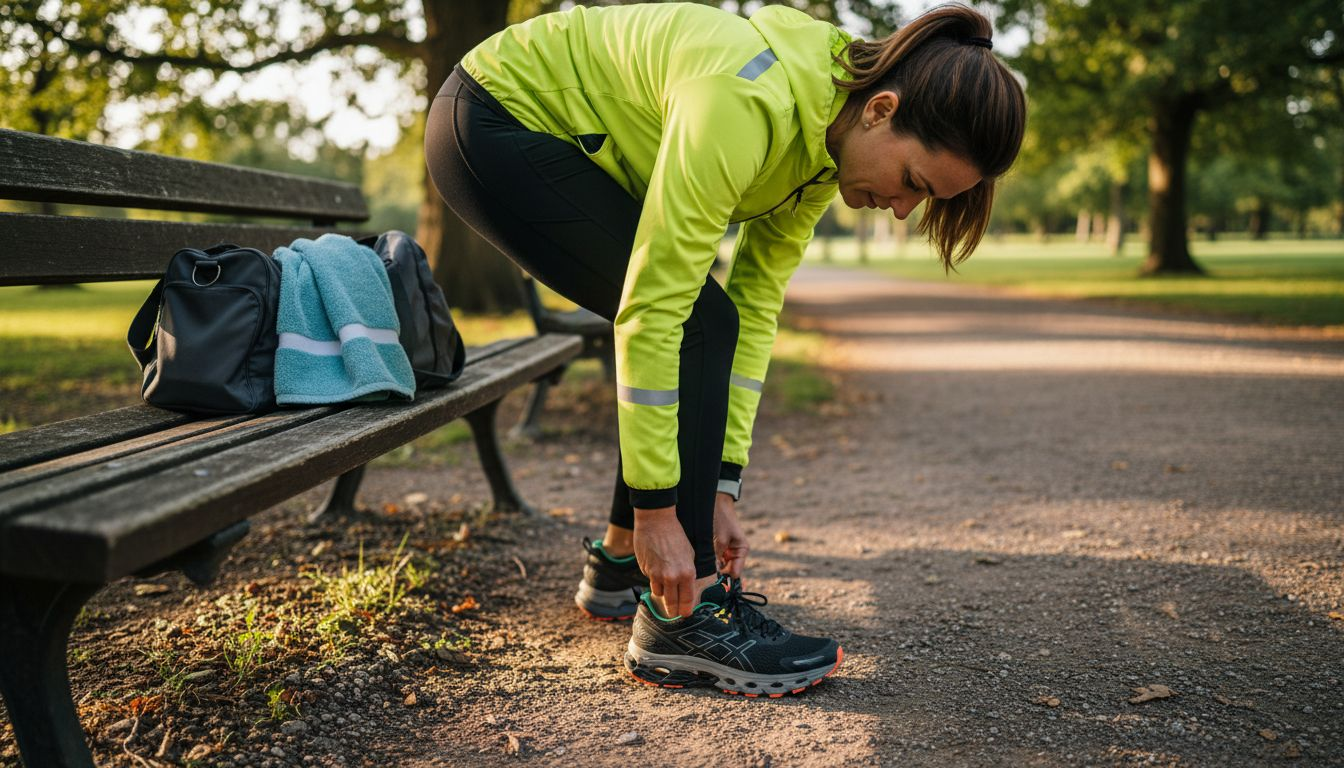
Breathable materials ensure moisture management during activity. Mesh uppers or engineered knit fabrics promote airflow, keeping feet cooler and reducing blister risk. This feature becomes critical during longer sessions or warmer weather.
Style matters but should never compromise functional performance. Modern active lifestyle shoes integrate contemporary aesthetics with proven technologies. Footwear technology explained shows how brands achieve this balance through material innovation and design refinement.
Key selection criteria include:
- Cushioning stack height and foam composition for impact protection
- Heel-to-toe drop matching your natural gait pattern
- Stability features appropriate for your foot biomechanics
- Breathable upper materials for temperature regulation
- Weight balance between protection and responsiveness
- Aesthetic design that complements your lifestyle preferences
Pro Tip: Test shoes later in the day when feet are slightly swollen to ensure proper fit during activity.
Understanding how to evaluate shoe technology for foot health empowers you to assess marketing claims critically. Look beyond brand names to examine specific technologies and their validated benefits. Why shoes matter for active lifestyles extends beyond immediate comfort to long-term joint health and performance sustainability.
Top active lifestyle shoes with foot health focus
Leading UK-available models exemplify advanced cushioning and foot health technologies designed for varied active demands.
The Nike Vomero 18 offers high 46mm cushioning combining PEBA foam and ZoomX for energy return and lightweight comfort. This substantial stack height delivers exceptional shock absorption without sacrificing responsiveness. The dual-foam system balances soft landings with energetic toe-offs, making it suitable for longer runs or extended walking sessions.
Brooks Glycerin Max 2 uses nitrogen-infused DNA TUNED foam and GlideRoll rocker for shock absorption and stability. The rocker geometry promotes smooth transitions from heel to toe, reducing effort during each stride. This model particularly benefits those seeking maximum cushioning with enhanced stability features.
ASICS Novablast 5 is rated best overall with energetic cushioning suitable for daily training. Its balanced approach combines adequate protection with lively responsiveness, making it versatile across different paces and distances. The midsole geometry provides stability without restrictive structures.
Adidas Adizero EVO SL delivers high energy return whilst maintaining lightweight construction. At 223g, it ranks amongst the lightest options without compromising cushioning quality. Excellent breathability through the engineered mesh upper keeps feet comfortable during intense efforts.
Each model incorporates distinct technologies:
- Nike Vomero 18: PEBA and ZoomX dual-foam system, 46mm stack, plush comfort
- Brooks Glycerin Max 2: DNA TUNED foam, GlideRoll rocker, stability-focused design
- ASICS Novablast 5: Energetic FF BLAST+ cushioning, versatile performance range
- Adidas Adizero EVO SL: Lightstrike Pro foam, minimal weight, superior breathability
These shoes reflect current trends in shoe technology evaluation, where brands prioritise both immediate comfort and long-term foot health. Understanding footwear technology explained helps you appreciate how these innovations translate to real-world benefits during your activities.
Use case mapping: which shoe fits your activity?
Matching shoe characteristics to your specific activities ensures optimal performance and comfort. Different models excel in distinct scenarios based on their cushioning, drop, and stability profiles.
Saucony Ride 19 offers balanced cushioning and stability with an 8mm drop, ideal for moderate-paced road running. This traditional drop suits runners accustomed to conventional shoe geometry. The PWRRUN+ midsole provides reliable cushioning across varied distances without feeling overly soft or unstable.
Altra Experience Flow 3 has a 4mm drop and wide toe box, designed for natural gait and comfort. The lower drop encourages midfoot striking whilst the spacious forefoot accommodates natural toe splay. This model benefits those prioritising foot alignment and seeking relief from narrow conventional shoes.
Hoka Bondi 9 delivers maximum cushioning for recovery runs or extended walking sessions. Its 33mm heel stack absorbs impact exceptionally well, making it ideal for days when joints need extra protection. The wide base provides stability despite the substantial stack height.
Brooks Glycerin Max 2 suits stable, long-distance running where comfort matters most. The nitrogen-infused foam maintains cushioning properties across extended mileage. The GlideRoll rocker reduces fatigue during latter stages of longer efforts.
Activity-specific recommendations:
- Daily road running at moderate pace: Saucony Ride 19 for balanced performance
- Natural gait preference with wide feet: Altra Experience Flow 3 for alignment and space
- Recovery sessions or maximum joint protection: Hoka Bondi 9 for superior cushioning
- Long-distance comfort-focused running: Brooks Glycerin Max 2 for sustained support
- Lightweight speed-oriented efforts: Adidas Adizero EVO SL for responsive energy return
Consulting a footwear selection guide helps refine choices based on biomechanical assessments and personal preferences. Your foot shape, strike pattern, and activity frequency all influence which model delivers optimal results.
Side-by-side comparison of key shoe metrics
Data-driven comparison facilitates informed decision-making by revealing how models differ across critical performance dimensions.
| Model | Cushion Stack (heel) | Weight | Drop | Price (approx) | Stability |
|---|---|---|---|---|---|
| Nike Vomero 18 | 46mm | 247g | 10mm | £145 | Neutral |
| Brooks Glycerin Max 2 | 40mm | 275g | 6mm | £155 | Moderate |
| ASICS Novablast 5 | 33mm | 234g | 8mm | £135 | Neutral |
| Adidas Adizero EVO SL | 30mm | 223g | 8mm | £115 | Neutral |
| Saucony Ride 19 | 35mm | 255g | 8mm | £125 | Neutral |
| Altra Experience Flow 3 | 30mm | 241g | 4mm | £120 | Neutral |
| Hoka Bondi 9 | 33mm | 263g | 4mm | £150 | Neutral |
Shoe cushioning stack, weight, drop, and prices vary notably and influence performance and comfort for different users. Stack heights from 30mm to 46mm reflect diverse philosophies about optimal cushioning levels. Lighter shoes like the Adizero EVO SL favour speed, whilst heavier models prioritise protection.
Weight differences impact fatigue accumulation during extended activities. A 50g difference between lightest and heaviest models becomes noticeable after several kilometres. However, heavier shoes often provide superior cushioning that offsets the weight penalty through reduced impact stress.
Heel-to-toe drops spanning 4mm to 10mm affect gait biomechanics significantly. Higher drops suit heel strikers and those accustomed to traditional running shoes. Lower drops encourage midfoot striking but require calf adaptation. Switching from 10mm to 4mm drop demands gradual transition to prevent strain.
Price ranges reflect technology sophistication and brand positioning. Models between £115 and £155 represent current UK market standards for premium active lifestyle footwear. Investing in quality shoes pays dividends through enhanced comfort and injury prevention.
Key comparison insights:
- Maximum cushioning: Nike Vomero 18 at 46mm stack height
- Lightest option: Adidas Adizero EVO SL at 223g
- Most stability-focused: Brooks Glycerin Max 2 with GlideRoll rocker
- Lowest drop: Altra Experience Flow 3 and Hoka Bondi 9 at 4mm
- Best value: Adidas Adizero EVO SL balancing price and performance
Pro Tip: Prioritise the metric most relevant to your primary concern, whether that’s cushioning for joint protection or weight for speed work.
Exploring advanced shoe cushioning technologies reveals how foam compositions and geometries create these performance differences. Understanding these details helps you evaluate whether premium pricing delivers proportional benefits for your specific needs.
Expert recommendations and consumer proof from UK market
Trusted testing validates top shoes’ performance and comfort credentials through rigorous evaluation and real-world feedback.
Which? testing named two running shoes Best Buys scoring >80% on comfort, cushioning, and stability. Independent laboratory testing combined with wearer trials ensures recommendations reflect both technical performance and subjective experience. These awards highlight models delivering exceptional value across multiple criteria.
Podiatrists endorse shoes prioritising cushioning and stability for injury prevention. Proper arch support and shock absorption reduce stress on plantar fascia and Achilles tendons. Medical professionals recognise that footwear choice significantly influences lower limb health outcomes over time.
Runner testimonials from UK conditions praise durability and support features. Urban environments with pavements and varied surfaces demand shoes that maintain cushioning integrity across hundreds of kilometres. Real-world feedback confirms laboratory findings translate to practical benefits.
Lab testing confirms cushioning technologies improve energy efficiency and reduce fatigue. Biomechanical analyses demonstrate how advanced foams decrease the metabolic cost of running through superior energy return. These measurable benefits support subjective comfort reports.
“The combination of cushioning, grip, and comfort separates Best Buy models from competitors. Our testing shows these factors matter most for active users prioritising foot health and long-term wearability.”
Validated performance indicators include:
- Independent testing scores exceeding 80% for comfort and cushioning
- Podiatrist endorsements based on biomechanical benefits
- Consumer durability reports from UK urban conditions
- Laboratory-measured energy return and fatigue reduction
- Long-term wearer satisfaction across diverse activity types
Referencing footwear selection guide principles alongside expert testing results provides comprehensive decision support. Understanding footwear innovations for healthier feet reveals how continuous technological advancement drives improved outcomes for active individuals.
Situational recommendations: pick the best shoe for your needs
Tailored advice connects cumulative insights to individual circumstances, ensuring your choice aligns precisely with activity patterns and biomechanical requirements.
Adidas Adizero EVO SL suits runners seeking high energy return combined with lightweight breathability. The responsive foam platform delivers snappy transitions ideal for tempo runs or interval training. Superior ventilation prevents overheating during intense efforts, making it versatile across training types.
Hoka Bondi 9 excels for recovery sessions requiring maximum cushioning and joint protection. The substantial stack height absorbs impact exceptionally well, allowing active recovery without additional stress. This model also benefits walkers covering extended distances on hard surfaces.
Altra Experience Flow 3 optimises natural foot alignment for those with wide feet or preference for anatomical positioning. The spacious toe box prevents compression whilst the lower drop encourages natural gait mechanics. Transitioning gradually allows adaptation without calf strain.
ASICS Novablast 5 functions as a versatile daily trainer balancing cushioning and responsiveness. Its middle-ground approach handles varied paces comfortably, from easy runs to moderately uptempo sessions. The energetic ride maintains engagement without sacrificing protection.
Situation-specific selections:
- Speed work and responsive training: Adidas Adizero EVO SL for energy return
- Recovery and maximum protection: Hoka Bondi 9 for cushioning depth
- Natural alignment and wide feet: Altra Experience Flow 3 for anatomical fit
- Versatile daily training: ASICS Novablast 5 for balanced performance
- Long-distance comfort priority: Brooks Glycerin Max 2 for sustained support
Choose shoes aligning precisely with your activity frequency and biomechanical needs. Runners logging high weekly mileage benefit from durable cushioning systems. Occasional users might prioritise versatility over specialisation. Understanding comfort versus performance shoes helps navigate these trade-offs effectively.
Discover stylish shoes that blend comfort and performance
Your active lifestyle deserves footwear that supports both performance and foot health without compromising style. After exploring selection criteria, top models, and expert recommendations, you’re equipped to make informed choices.
Explore YDA UK’s collection combining advanced cushioning technologies, breathable materials, and contemporary design. Our expert-designed footwear prioritises the comfort and support active individuals need whilst maintaining aesthetic appeal. Learn more about innovative shoe technologies and discover footwear innovations for healthier feet that enhance your daily activities. Find your perfect pair today and experience the difference that thoughtful shoe selection for energy and comfort makes.
Frequently asked questions
Are high-cushion shoes better for all active users?
High cushioning aids shock absorption and comfort for many users, particularly those with joint sensitivities or covering long distances. However, some individuals with strong foot mechanics or preference for ground feel may find maximum cushioning feels unstable or disconnected. Choosing cushioning level should consider individual foot biomechanics, activity type, and personal comfort preferences rather than following blanket recommendations.
How important is heel-to-toe drop when selecting active shoes?
Heel-to-toe drop significantly affects your running gait and calf muscle loading patterns, making it an important consideration. Higher drops suit heel strikers and those accustomed to traditional footwear, whilst lower drops encourage midfoot striking but demand calf adaptation. Gradual transition is recommended when switching to lower-drop shoes to avoid Achilles strain or calf injuries during the adaptation period.
Can stylish shoes also provide good foot support and comfort?
Modern active lifestyle shoes combine style with cushioning and support, validated by laboratory testing and wearer feedback. Brands like Nike, Adidas, and ASICS exemplify shoes with proven performance technologies and contemporary aesthetics. Advanced materials and design techniques allow integration of foot health features without compromising visual appeal, making functional compromise unnecessary.
How often should I replace my active lifestyle shoes?
Replace shoes every 500 to 800 kilometres depending on usage intensity, running surface, and body weight. Cushioning foam compresses over time, reducing shock absorption effectiveness even when uppers appear intact. Monitor for decreased comfort, visible midsole creasing, or uneven outsole wear as replacement indicators rather than relying solely on mileage estimates.
Do I need different shoes for running versus walking?
Whilst many shoes suit both activities, running generates higher impact forces requiring more cushioning and support than walking. Dedicated running shoes typically feature enhanced shock absorption and energy return technologies. However, comfortable running shoes often exceed walking requirements, making them suitable for both activities if your primary focus is running with occasional walking sessions.