
Why Shoes Matter for Active Urban Lifestyles
Most British urban professionals walk over 10,000 steps every day, yet foot discomfort remains a constant struggle for many. Choosing the right footwear goes far beyond style, impacting your physical performance and long-term health in subtle but powerful ways. Whether navigating crowded streets or powering through meetings, this overview reveals how smart shoe choices combine support, innovation, and sleek design to help you stay comfortable and active throughout your busy routine.
Table of Contents
- Shoes and Active Lifestyles Explained
- Types of Footwear for Urban Activity
- Key Foot Health and Support Features
- Performance, Energy, and Comfort Benefits
- Risks of Poor Footwear Choices
- Style, Innovation, and Smart Shoe Technology
Key Takeaways
| Point | Details |
|---|---|
| Footwear is Essential for Active Lifestyles | Proper footwear enhances movement efficiency and reduces injury risk, making it crucial for urban professionals. |
| Choose the Right Type of Footwear | Select shoes that align with specific activity demands to improve comfort and performance in urban environments. |
| Prioritise Health Features | Look for shoes with adequate arch support, cushioning, and flexible materials to maintain foot health and prevent injuries. |
| Monitor Footwear Performance | Assess your shoes regularly for comfort and support levels, and replace them as needed to avoid long-term complications. |
Shoes and Active Lifestyles Explained
Urban professionals today understand that footwear isn’t merely a fashion statement but a critical component of maintaining an active lifestyle. Proper footwear choices significantly impact biomechanical health and performance, influencing everything from daily movement efficiency to long-term physical wellness.
Our bodies have evolved complex locomotor systems that depend on appropriate support and movement mechanics. Humans historically moved barefoot, but modern urban environments demand specialised shoe design that mimics natural foot function while providing protection. Good footwear enhances movement efficiency and reduces injury risk, particularly for professionals navigating challenging urban terrain.
The right shoes offer multiple benefits beyond basic protection. They provide critical support for foot alignment, distribute body weight effectively, and help maintain proper posture during extended periods of walking or standing. Urban professionals spending hours commuting, working, or engaging in fitness activities require footwear that adapts to diverse movement patterns and environmental challenges.
Pro Tip: When selecting shoes for an active urban lifestyle, prioritise flexibility, cushioning, and biomechanical support over pure aesthetic considerations.
Types of Footwear for Urban Activity
Urban professionals require diverse footwear options that adapt to complex lifestyle demands. Running shoe constructions range from minimalist designs to heavily cushioned models, each engineered to support specific movement patterns and terrain challenges encountered during daily activities.
The modern urban landscape demands footwear that balances performance, comfort, and versatility. Different shoe types are selected based on personal preferences and practical movement requirements, reflecting the nuanced needs of active city dwellers. From lightweight running shoes designed for quick commutes to robust walking trainers capable of handling varied urban environments, professionals can choose footwear tailored to their specific lifestyle demands.
Key footwear categories for urban professionals include performance running shoes with responsive cushioning, versatile cross-training models that transition between gym and office, minimalist designs promoting natural foot mechanics, and supportive walking shoes engineered for extended periods of standing or movement. Each category addresses unique biomechanical needs while providing the flexibility required for dynamic urban lifestyles.
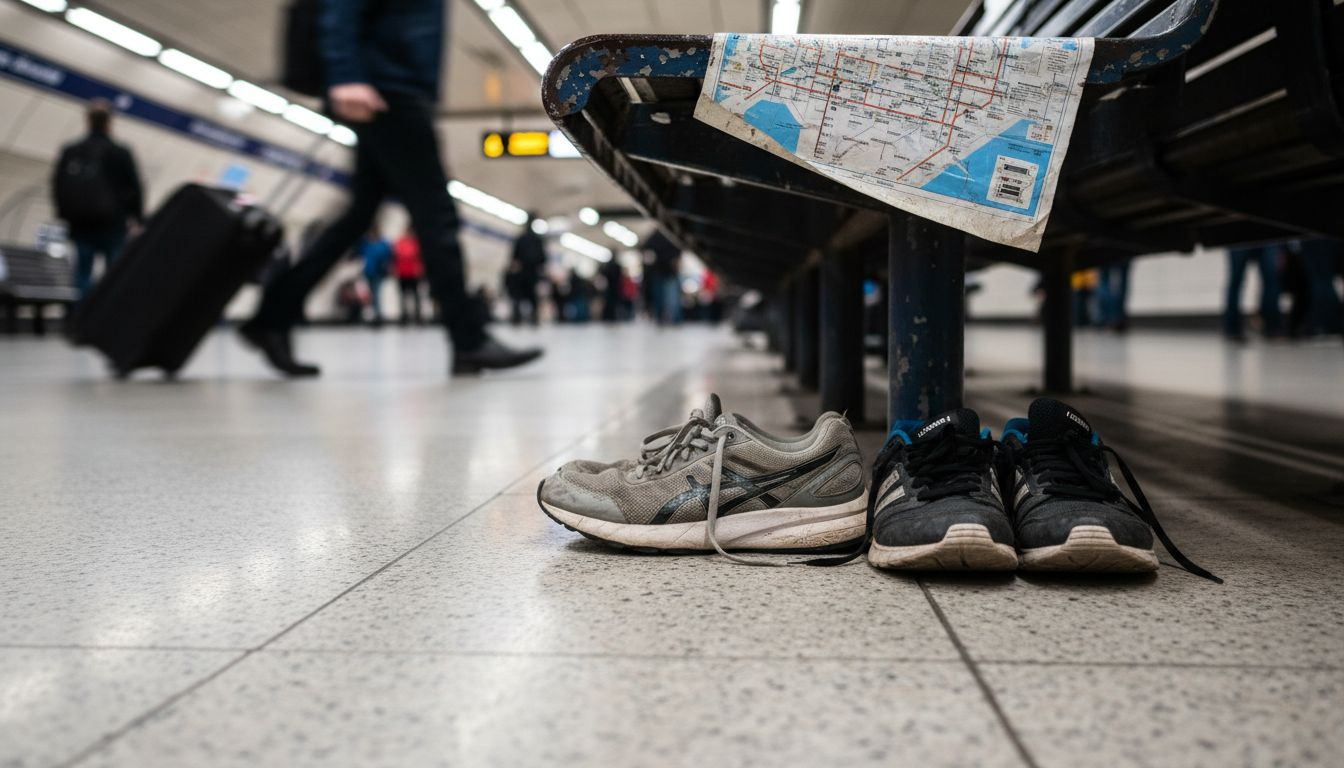
Here’s a quick comparison of major urban footwear categories and their ideal user needs:
| Category | Primary Benefit | Typical Users |
|---|---|---|
| Performance Running | Enhanced energy return | Active commuters, runners |
| Cross-Training | Gym-to-office versatility | Fitness enthusiasts, professionals |
| Minimalist | Promotes natural movement | Health-conscious city dwellers |
| Supportive Walking | Extended comfort & support | Those standing or walking long hours |
Pro Tip: Invest in multiple pairs of shoes and rotate them to distribute wear, extending the overall lifespan of your footwear and maintaining consistent support.
Key Foot Health and Support Features
Biomechanical stability represents the cornerstone of effective footwear design for urban professionals. Specific footwear design features like cushioning, arch support, and heel-to-toe drop play a critical role in preventing overuse injuries, ensuring optimal foot health during demanding daily activities.
Shoe comfort depends on complex structural and functional attributes that go beyond simple aesthetic considerations. Key elements include precise fit, strategic cushioning, appropriate weight distribution, and materials that support natural foot mechanics. Urban professionals require footwear that adapts seamlessly to varied movement patterns, from rapid walking during commutes to extended standing periods in professional settings.
Essential foot health features encompass multiple interconnected design elements. These include responsive arch support that maintains natural foot alignment, shock-absorbing midsoles that reduce joint stress, flexible materials promoting natural movement, and breathable constructions that manage moisture and temperature. Each feature contributes to a holistic approach to foot wellness, addressing the complex biomechanical demands of contemporary urban lifestyles.
The following table summarises essential shoe features and their impact on urban foot health:
| Feature | Health Impact | Example Application |
|---|---|---|
| Arch Support | Reduces alignment problems | Prevents flat feet stress |
| Cushioning | Absorbs shock, less joint strain | Protects knees during walking |
| Flexible Material | Allows natural foot movement | Easier commutes, healthy gait |
| Breathable Design | Regulates moisture and temperature | Fewer blisters, improved comfort |
Pro Tip: Conduct a monthly foot health assessment, examining your shoes for wear patterns and replacing them before they compromise your biomechanical support.
Performance, Energy, and Comfort Benefits
Shoe design significantly influences athletic performance through strategic engineering of midsole characteristics, with specific features like cushioning and structural flexibility directly impacting energy efficiency and movement dynamics. Urban professionals require footwear that transforms biomechanical potential into seamless, comfortable motion across diverse daily environments.
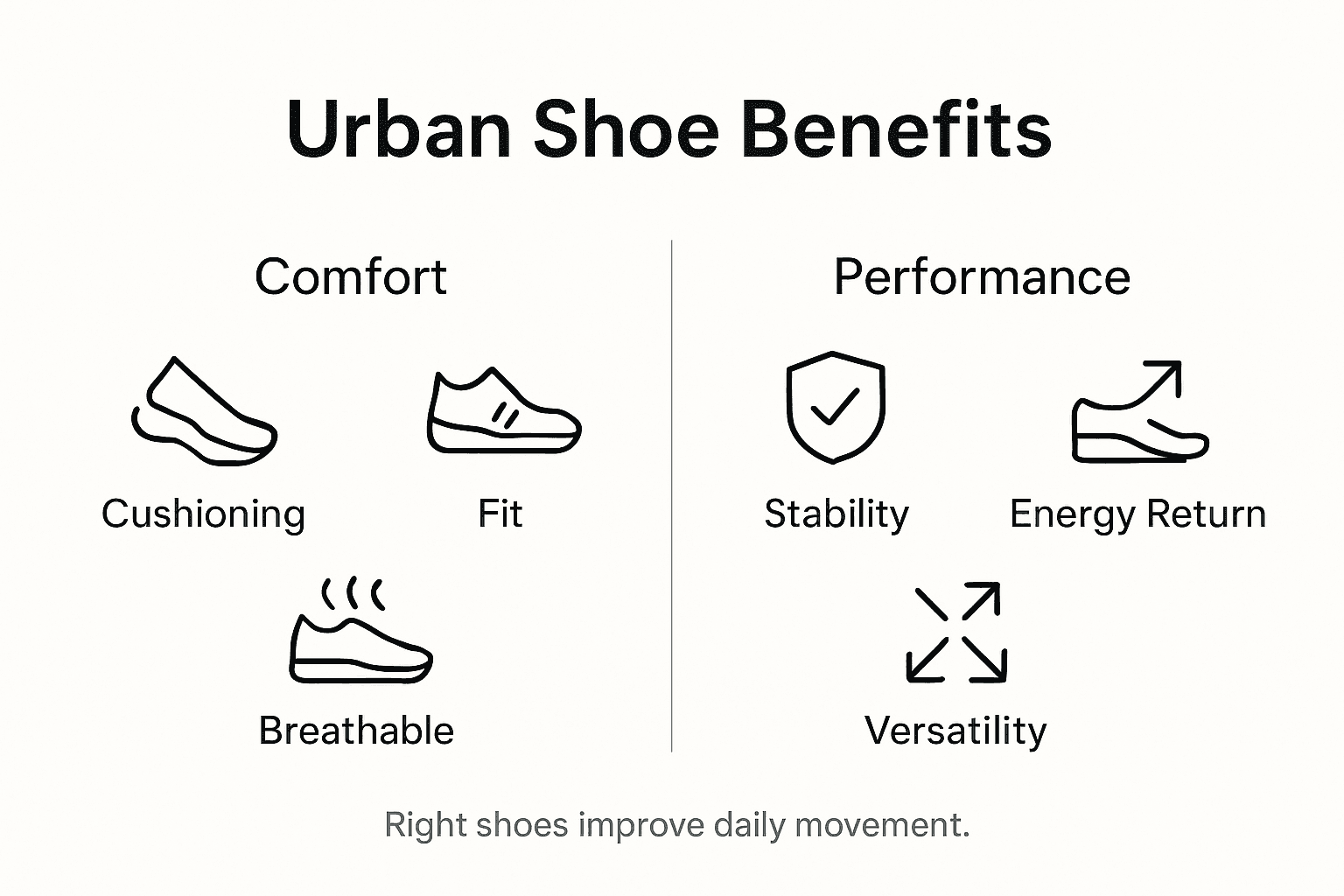
Research demonstrates that precise shoe construction fundamentally alters muscle engagement and energy expenditure. Different joint kinematics triggered by footwear design can minimise energy waste and reduce muscular strain, creating a direct correlation between shoe performance and physiological efficiency. Optimal shoes act as dynamic support systems, translating biomechanical potential into smooth, sustainable movement patterns.
Key performance benefits emerge from sophisticated design elements including responsive cushioning, strategic arch support, and materials engineered to distribute kinetic energy efficiently. These technological innovations transform shoes from mere protective gear into sophisticated movement enhancers, enabling urban professionals to maintain peak physical performance throughout demanding daily routines.
Pro Tip: Assess your shoes’ performance every six months by tracking your comfort levels, walking efficiency, and any emerging physical discomfort during extended activities.
Risks of Poor Footwear Choices
Biomechanical compromises emerge rapidly when urban professionals select inappropriate footwear, creating cascading health risks that extend far beyond immediate discomfort. Inappropriate shoe choices can dramatically increase musculoskeletal injury risks and destabilise fundamental movement patterns, transforming seemingly minor footwear decisions into potential long-term health challenges.
The physiological consequences of poor footwear selection manifest through multiple interconnected systems. Inappropriate shoes can trigger misaligned walking mechanics, place excessive strain on joints, compromise natural foot architecture, and accelerate wear on critical musculoskeletal structures. These subtle yet profound biomechanical disruptions can lead to chronic conditions including plantar fasciitis, knee instability, lower back pain, and reduced overall mobility.
Urban professionals face heightened risks from footwear-related complications due to prolonged standing, extensive walking, and complex movement patterns inherent in modern work environments. Shoes that lack proper support, cushioning, or ergonomic design can progressively damage foot structures, impair natural movement efficiency, and increase susceptibility to repetitive strain injuries that accumulate incrementally over time.
Pro Tip: Conduct a quarterly biomechanical assessment of your footwear, examining wear patterns, sole integrity, and personal comfort levels to proactively prevent potential long-term musculoskeletal complications.
Style, Innovation, and Smart Shoe Technology
Contemporary footwear technology represents a sophisticated convergence of design, functionality, and personalised health monitoring, transforming shoes from simple protective gear into intelligent biomechanical companions. Urban professionals now have access to footwear that dynamically adapts to individual movement patterns, offering unprecedented insights into personal physical performance.
Shoe design increasingly reflects complex cultural and technological intersections, where sustainability, aesthetic innovation, and performance merge seamlessly. Modern smart shoe technologies integrate advanced sensors capable of tracking gait mechanics, measuring energy expenditure, and providing real-time biomechanical feedback, enabling wearers to optimise their physical performance with unprecedented precision.
Innovative footwear technologies now encompass multiple dimensions beyond traditional aesthetic considerations. Embedded sensors, adaptive cushioning systems, and materials engineered for dynamic responsiveness represent a new generation of shoes that function as interactive health and performance tools. These technological advancements enable urban professionals to transform their footwear from passive accessories into active partners in personal wellness and movement efficiency.
Pro Tip: When selecting technologically advanced footwear, prioritise devices offering transparent data usage policies and comprehensive compatibility with your existing digital health ecosystem.
Step Up Your Urban Active Lifestyle with YDA UK Footwear
Choosing the right shoes is crucial when navigating the demands of an active urban lifestyle. From biomechanical stability to energy-efficient cushioning, your footwear can either support your health and performance or increase the risk of discomfort and injury. The article highlights key challenges like maintaining foot alignment, reducing joint strain, and adapting to varied movement patterns throughout your day. At YDA UK, we understand these needs deeply and offer a specially curated collection of shoes engineered to enhance comfort, support natural movement, and boost energy efficiency.
Discover advanced designs that prioritise foot health and innovative technology by exploring our Shoes – YDA UK collection. Act now to invest in footwear that supports your body through every step, commute, and workout. Visit https://ydauk.com today to find your perfect pair and maintain peak biomechanical performance with shoes that work as hard as you do.
Frequently Asked Questions
What are the essential features to look for in shoes for an active urban lifestyle?
Key features to seek include biomechanical stability, cushioning, arch support, flexibility, and breathability. These elements enhance movement efficiency and reduce the risk of injuries during daily activities.
How do footwear choices impact foot health and performance?
Proper footwear can significantly affect foot alignment, weight distribution, and posture, contributing to better movement efficiency and lower injury risk, especially in urban environments.
What types of shoes are best for urban professionals?
Footwear categories ideal for urban professionals include performance running shoes for active commuting, cross-training models for gym versatility, minimalist designs for natural movement, and supportive walking shoes for comfort during extended standing.
Why is it important to rotate different pairs of shoes?
Rotating multiple pairs of shoes helps distribute wear evenly, prolonging the lifespan of your footwear and ensuring consistent support, which is crucial for maintaining foot health during varied daily activities.