
Why Replace Shoes Regularly for Foot Health
Most health-conscious people underestimate how quickly worn shoes can disrupt overall wellbeing. Studies show that over 60 percent of adults report foot pain linked directly to old footwear. For those embracing an active lifestyle, from British city walks to demanding gym sessions, the right shoe makes all the difference. If you value style, comfort, and smart injury prevention, this guide uncovers essential tips for choosing footwear that supports your foot health while keeping you ahead in fashion.
Table of Contents
- What Does Regular Shoe Replacement Mean?
- Types of Shoes and Their Lifespan
- How Worn Shoes Affect Foot Health
- Recognising Signs Your Shoes Need Replacing
- Financial and Injury Risks of Old Footwear
- Best Practices for Smart Shoe Replacement
Key Takeaways
| Point | Details |
|---|---|
| Regular Shoe Replacement | Systematic evaluation and timely replacement of footwear prevent foot health issues caused by wear and tear. |
| Monitoring Shoe Condition | Pay attention to signs of deterioration, such as sole wear and reduced cushioning, to maintain proper foot support. |
| Impact on Foot Health | Worn shoes can lead to chronic pain and musculoskeletal issues, affecting mobility and overall wellbeing. |
| Best Replacement Practices | Implement a shoe rotation system and consider technology for tracking wear to ensure optimal shoe lifespan and health benefits. |
What Does Regular Shoe Replacement Mean?
Regular shoe replacement refers to the systematic process of assessing and replacing footwear before significant wear compromises its structural integrity and supportive capabilities. When examining footwear deterioration and its impact on foot health, experts emphasise understanding shoe anatomy and recognising critical indicators of wear.
The primary elements defining regular shoe replacement include monitoring the shoe’s physical condition, tracking mileage or usage time, and evaluating the deterioration of critical components like cushioning, sole integrity, and arch support. Professional guidelines suggest replacing athletic shoes every 500-800 kilometres, while everyday walking shoes might require replacement every 6-12 months depending on usage intensity and individual walking patterns.
Some key signs indicating the necessity for shoe replacement include visible sole wear, reduced cushioning responsiveness, asymmetrical shoe shape, and noticeable breakdown of internal supportive structures. These changes can significantly impact biomechanical alignment and potentially lead to foot, ankle, and knee discomfort if left unaddressed.
Pro tip: Rotate between two pairs of shoes and track their wear patterns to extend overall footwear lifespan and maintain consistent foot support.
Types of Shoes and Their Lifespan
Shoe lifespans vary dramatically based on design, materials, and intended usage, with each footwear category presenting unique durability characteristics. Comprehensive shoe lifespan statistics reveal that different shoe types require specific maintenance and replacement strategies to ensure optimal performance and foot health.
Running shoes typically endure 300 to 750 kilometres (approximately 6 to 12 months), while walking shoes maintain structural integrity for around 500 to 700 kilometres. Hiking boots demonstrate remarkable longevity, potentially lasting between 1 to 5 years depending on terrain complexity and maintenance. Athletic footwear generally requires replacement every 6-12 months, with professional athletes potentially needing more frequent updates due to intense usage patterns.
Material composition significantly influences shoe durability. Leather shoes often provide extended longevity, whereas synthetic materials might degrade more rapidly. Dress shoes and casual footwear can last several years with meticulous care, whereas specialised performance shoes demand more frequent replacement to maintain biomechanical support and prevent potential injury risks.
Here’s a quick reference comparing shoe types by typical lifespan and durability factors:
| Shoe Type | Typical Lifespan | Key Durability Factor | Replacement Considerations |
|---|---|---|---|
| Running Shoes | 6-12 months | Cushioning breakdown | Replace with heavy training usage |
| Walking Shoes | 6-12 months | Sole wear | Varies by walking pattern |
| Hiking Boots | 1-5 years | Material resilience | Prolonged lifespan with care |
| Leather Dress | 2-5 years | Leather quality | May last if regularly polished |
| Synthetic Casual | 1-3 years | Upper material ageing | Shorter lifespan, less repairable |
Pro tip: Invest in a shoe rotation system, alternating between two pairs to distribute wear and extend overall footwear lifespan.
How Worn Shoes Affect Foot Health
Worn shoes pose significant risks to overall foot health, causing a cascade of biomechanical complications that extend far beyond superficial discomfort. Research into podiatric disorders demonstrates that inappropriate footwear can trigger a range of musculoskeletal issues, compromising mobility and potentially leading to long-term structural problems.
The degradation of shoe components directly impacts foot alignment and support mechanisms. As shoes wear down, critical structures like cushioning, arch support, and heel stability become compromised, creating uneven pressure distribution across the foot. This unbalanced load can trigger inflammatory conditions such as plantar fasciitis, bursitis, and generate chronic pain that radiates through the ankles, knees, and lower back, potentially affecting an individual’s entire kinetic chain.
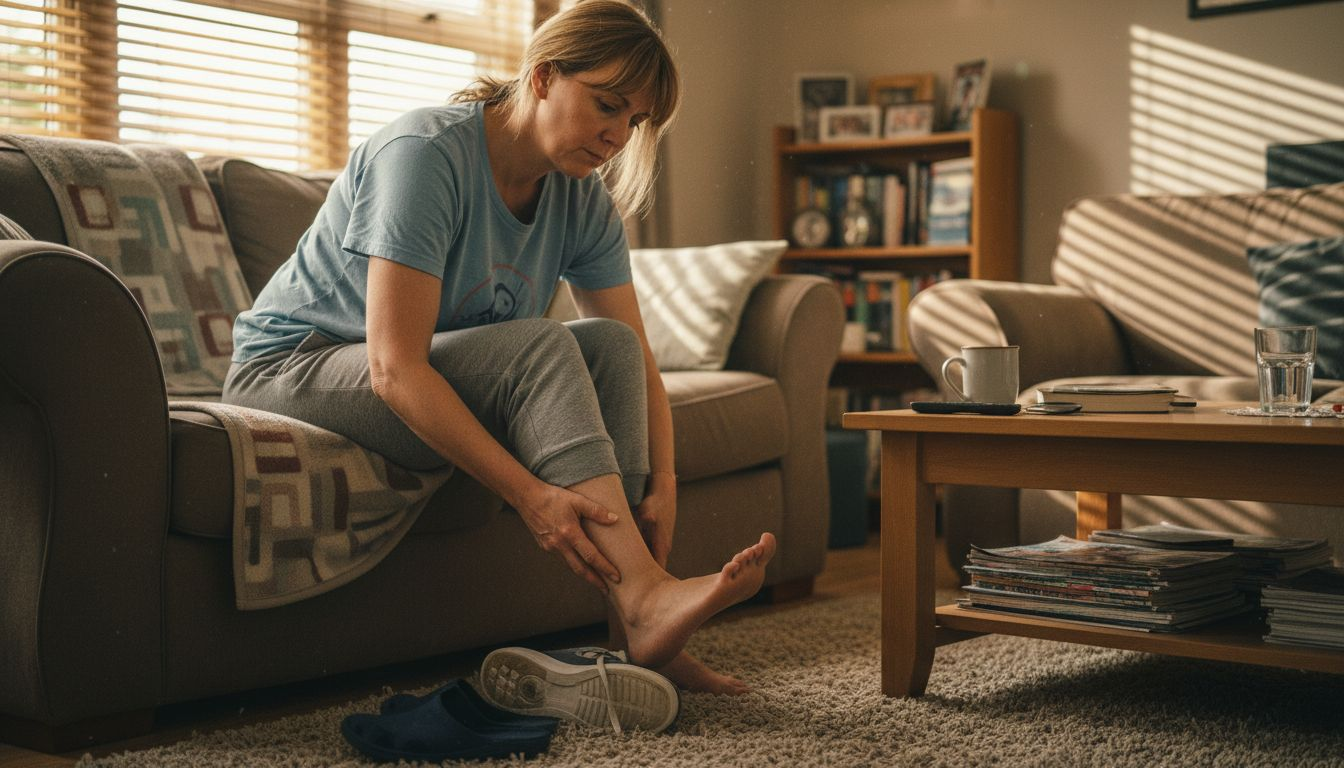
Occupational settings particularly highlight the dangers of worn footwear, with research indicating that inappropriate shoes contribute to dermal injuries, nail problems, and systemic musculoskeletal strain. Workers who consistently use degraded shoes experience heightened injury risks, reduced workplace performance, and increased potential for long-term physical complications. The cumulative impact of inadequate footwear can lead to persistent discomfort and potentially permanent biomechanical alterations.
Pro tip: Conduct a monthly inspection of your shoes, checking for visible wear signs like uneven sole treads, compressed cushioning, or asymmetrical shoe shape to prevent potential foot health issues.
Recognising Signs Your Shoes Need Replacing
Identifying the critical indicators of shoe deterioration is essential for maintaining foot health and preventing potential injuries. Worn shoes can compromise your biomechanical support, leading to discomfort and potential long-term musculoskeletal issues that extend far beyond simple footwear replacement.
Visual and physical inspection reveals several key signs of shoe degradation. Uneven sole wear, particularly noticeable when shoes lean to one side or display asymmetrical tread patterns, indicates structural breakdown. Reduced cushioning becomes apparent through increased heel pain, diminished shock absorption, and a sense of hardness when walking. Material integrity also plays a crucial role - visible cracking, peeling, or separation of shoe components suggests imminent structural failure.
Beyond visual indicators, biomechanical performance provides critical insights into shoe condition. Changes in walking or running comfort, increased joint stress, and unexpected muscle fatigue can signal that your shoes have exceeded their functional lifespan. Professional athletes and active individuals should pay particular attention to these subtle performance changes, as degraded footwear can significantly impact movement efficiency and increase injury risk.
Pro tip: Place your shoes on a flat surface periodically and observe whether they stand straight or lean, which can reveal uneven wear patterns not immediately visible during active use.
Financial and Injury Risks of Old Footwear
The economic and health consequences of wearing deteriorated footwear extend far beyond simple discomfort. Comprehensive occupational health research reveals that worn shoes can precipitate a complex chain of medical and financial complications, transforming what seems like a minor inconvenience into a significant personal and professional liability.
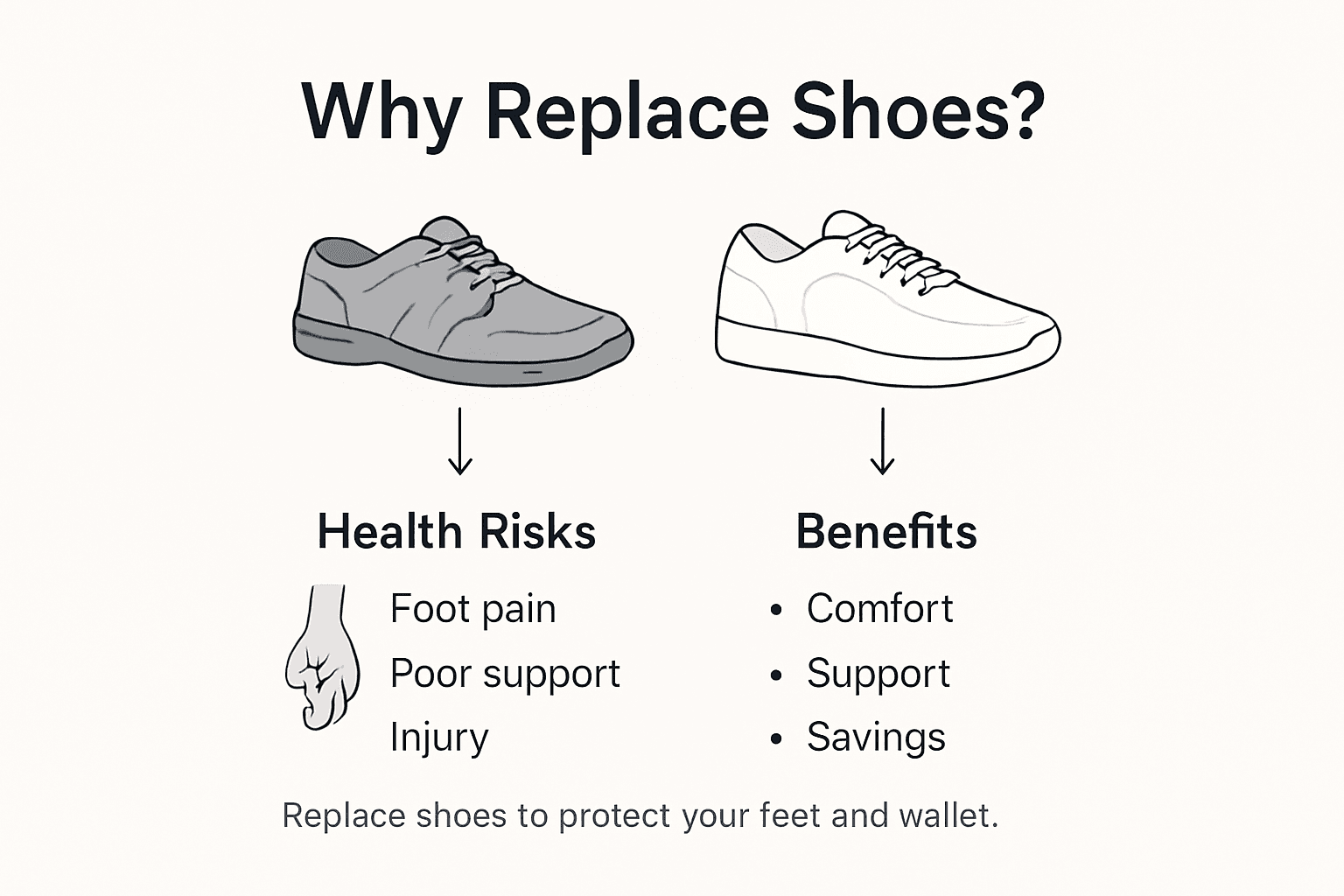
Medical expenses associated with footwear-related injuries can escalate rapidly. Conditions such as plantar fasciitis, chronic lower limb pain, and musculoskeletal misalignments frequently emerge from prolonged use of degraded shoes. These health issues not only generate substantial healthcare costs but also potentially result in reduced workplace productivity, unexpected medical treatments, and even long-term disability claims that can dramatically impact an individual’s financial stability.
Beyond direct medical expenses, the indirect costs of footwear-related injuries are equally concerning. Reduced mobility, increased recovery times, potential loss of work hours, and the potential need for specialised physiotherapy or rehabilitation treatments can create significant financial strain. Workers in physically demanding professions face heightened risks, with compromised footwear potentially leading to more severe and prolonged injury scenarios that extend well beyond initial medical interventions.
The table below summarises ways worn shoes can impact wellbeing and lead to financial consequences:
| Effect of Old Footwear | Health Impact | Long-Term Risk | Financial Consequence |
|---|---|---|---|
| Loss of cushioning | Heel or joint pain | Chronic musculoskeletal disorder | Increased medical expenses |
| Compromised alignment | Postural imbalance | Recurrent occupational injuries | Reduced workplace productivity |
| Sole degradation | Poor gait, instability | Risk of falls or fractures | Physiotherapy costs |
| Material failure | Dermal issues, blisters | Nail problems, skin breakdown | Time off work |
Pro tip: Calculate the potential long-term health and financial risks of delaying shoe replacement by setting aside the cost of new shoes versus potential medical expenses.
Best Practices for Smart Shoe Replacement
Advanced strategies for optimal shoe maintenance reveal that intelligent footwear management involves more than simply purchasing new shoes. Proactive foot health requires a comprehensive approach that combines regular inspection, strategic replacement, and personalised selection based on individual biomechanical needs.
Effective shoe replacement strategies encompass multiple critical dimensions. Professional recommendations include rotating between multiple pairs of shoes to distribute wear, conducting monthly visual and physical inspections for structural degradation, and understanding your specific foot biomechanics. Athletes, workers in physically demanding professions, and individuals with pre-existing foot conditions should pay particular attention to subtle changes in shoe performance, cushioning responsiveness, and structural integrity.
Technological advancements are transforming shoe replacement approaches. Smart shoe monitoring technologies now offer real-time tracking of shoe condition, providing precise data on wear patterns, material stress, and potential structural weaknesses. These innovations enable more accurate, data-driven decisions about when to replace footwear, moving beyond traditional mileage-based recommendations and offering personalised insights into shoe health.
Pro tip: Create a digital or physical shoe log tracking purchase dates, usage frequency, and observed wear patterns to make more informed replacement decisions.
Protect Your Feet with High-Performance Footwear from YDA UK
The article highlights the crucial need for regular shoe replacement to safeguard your foot health and avoid painful biomechanical issues. If you have noticed signs like reduced cushioning or uneven sole wear it is vital to act now before discomfort turns into chronic pain. At YDA UK, we understand the importance of combining style, comfort, and advanced foot health technology to extend shoe performance and protect your joints.

Discover our exclusive range of shoes engineered with innovative YDA Technology designed to provide superior support and durability. Whether you are replacing worn shoes or seeking to prevent foot ailments proactively our collection offers ideal solutions for everyday wear. Don’t wait for shoe degradation to impact your wellbeing – visit YDA UK today and experience footwear that prioritises long-term foot comfort and functional excellence. Start your journey to healthier feet now by exploring our thoughtfully crafted selection and making an informed choice about your next shoe investment.
Frequently Asked Questions
How often should I replace my shoes for optimal foot health?
Replace athletic shoes approximately every 500-800 kilometres. Everyday walking shoes should be replaced every 6-12 months, depending on usage intensity.
What are the signs that indicate my shoes need replacing?
Key signs include visible sole wear, reduced cushioning, an asymmetrical shoe shape, and deterioration of internal supportive structures.
How do worn shoes affect my overall health?
Worn shoes can lead to poor foot alignment and support, causing pain and issues like plantar fasciitis and other musculoskeletal problems.
What best practices should I follow for shoe maintenance?
Rotate between multiple pairs to distribute wear, conduct monthly inspections, and consider using smart shoe monitoring technologies for tracking shoe condition.