
Why proper shoe fitting matters for foot health
TL;DR:
- Proper shoe fit is crucial for foot health, posture, and preventing long-term damage.
- Key groups like diabetics, elderly, women, and children have specific footwear needs.
- Minimal footwear generally supports healthy foot mechanics, while cushioned shoes suit certain conditions.
Most people pick shoes the way they pick a sofa: by how it looks in the showroom. Style, colour, and brand take centre stage, while fit gets a passing glance. Yet the shoes on your feet influence everything from your posture and joint health to your risk of falls, ulcers, and long-term structural damage. The evidence is clear and somewhat uncomfortable: a beautiful shoe that fits poorly is actively bad for you. This guide cuts through the marketing noise to explain why correct shoe fitting is one of the most important health decisions you make every single day.
Table of Contents
- The hidden dangers of ill-fitting shoes
- Who needs proper fit most? Key groups at risk
- The debate: Minimal versus cushioned shoes
- How to ensure your shoes fit correctly
- Our perspective: What most brands won’t tell you about fit
- Step forward with shoes that fit your life
- Frequently asked questions
Key Takeaways
| Point | Details |
|---|---|
| Fit beats style | Prioritising fit supports life-long foot health more than fashion or logos. |
| High-risk populations need special care | Diabetics, seniors, and children benefit most from attentive shoe fitting. |
| Minimal isn’t always better | While barefoot-style shoes work for many, cushioning is sometimes vital for comfort and protection. |
| Personalised fitting is essential | No one shoe suits all—correct fit should consider your unique needs and lifestyle. |
The hidden dangers of ill-fitting shoes
With the importance of fit established, let’s explore the true risks of neglecting correct shoe sizing.
Most foot problems don’t appear overnight. They build quietly over months and years, shaped by the daily pressure of shoes that are too narrow, too short, or simply the wrong shape for your foot. By the time pain becomes obvious, structural changes may already be underway.
The most common structural problems caused by poor fit include:
- Bunions: A bony bump at the base of the big toe, often worsened by narrow toe boxes pushing the toe inward
- Hammertoes: Toes that curl downward due to persistent pressure and cramped space
- Calluses and corns: Thickened skin that forms wherever the shoe creates repeated friction or pressure
- Plantar fasciitis: Inflammation of the tissue running along the sole, often linked to inadequate arch support or heel height
- Blisters: Early warning signs of friction that, if ignored, can become infected wounds
For most people, these are painful inconveniences. For others, they are genuinely dangerous. Ill-fitting shoes exacerbate structural deformities and cause uneven plantar pressures that can lead to diabetic ulcerations, impact elderly mobility, and prioritise aesthetics over function in females. That’s a significant burden of harm traced back to something as simple as choosing the wrong shoe size.
“The foot is a complex structure. When shoes distort its natural shape or alter how pressure is distributed, the consequences ripple upward through the ankle, knee, hip, and spine.”
Children face a particularly overlooked risk. Their feet are still developing, and soft bones respond to external pressure more readily than adult bones do. A shoe that’s slightly too tight worn consistently through childhood can contribute to permanent deformity. Parents often underestimate how quickly children’s feet grow, sometimes leaving them in shoes that are already too small.
Women face a different but related challenge. Pointed toe boxes, high heels, and narrow fits are common in women’s fashion footwear, yet these designs frequently conflict with healthy foot mechanics. Understanding the ill-fitting shoes health risks is the first step toward making better choices without abandoning personal style entirely.
Early warning signs to watch for include persistent discomfort after short periods of walking, redness or pressure marks on the skin after removing shoes, and toes that feel cramped or numb. These signals are worth taking seriously.
Who needs proper fit most? Key groups at risk
Understanding these dangers leads to the question: who is most vulnerable to poor shoe fit?
While everyone benefits from well-fitted shoes, certain groups face consequences that go well beyond discomfort. Diabetics need pressure redistribution; the elderly need stability and appropriate resources; women must balance style and function; and children risk growth deformities from poor fit. Each group has distinct needs.
| Group | Primary risk | Key shoe requirement |
|---|---|---|
| Diabetics | Ulcers and nerve damage | Pressure redistribution, no seams |
| Elderly | Falls and instability | Non-slip soles, secure fastenings |
| Women | Structural deformity | Wider toe box, lower heel |
| Children | Permanent deformity | Room to grow, flexible sole |
For people managing diabetes, shoe fit for diabetics is a clinical priority, not a preference. Diabetic neuropathy reduces sensation in the feet, meaning pressure points and friction go unnoticed until they’ve caused serious damage. A shoe with internal seams, a tight toe box, or inadequate width can create wounds that heal slowly or not at all.
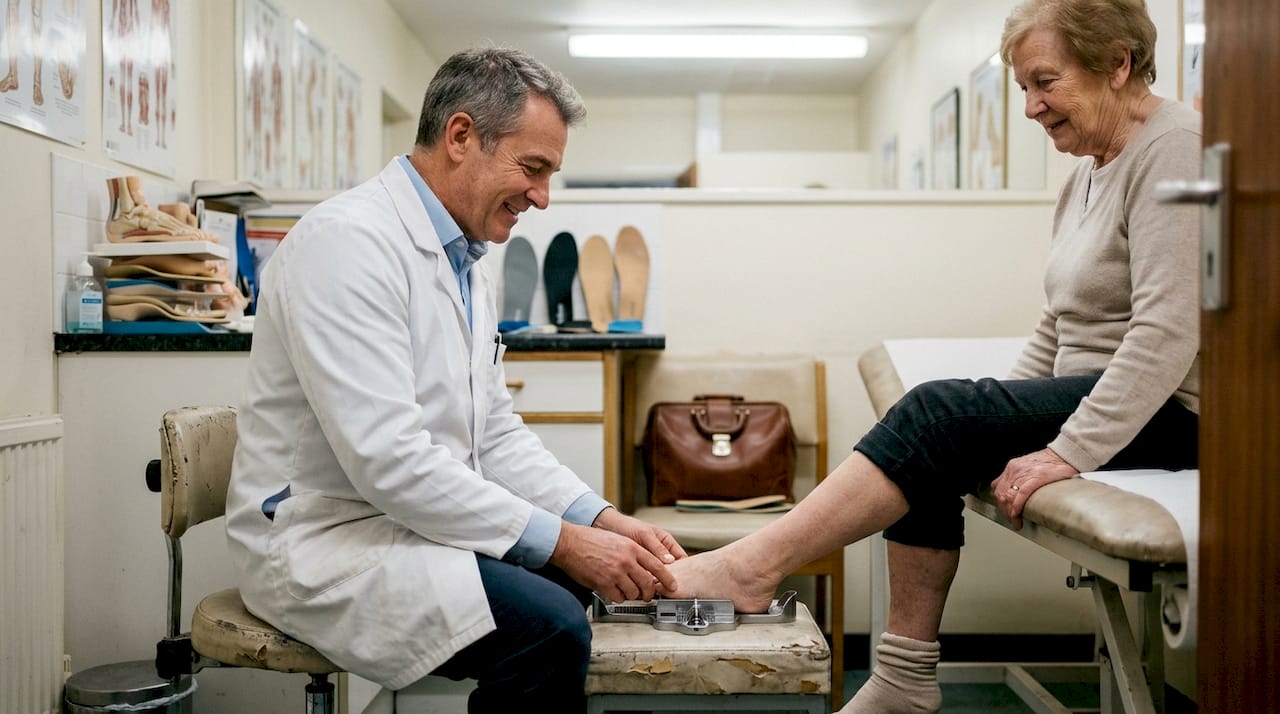
The elderly benefit enormously from shoes with secure fastenings, firm heel counters, and non-slip outsoles. Falls are a leading cause of injury in older adults, and footwear plays a measurable role in stability. Understanding elderly shoe fit can genuinely reduce fall risk.
Here’s a practical checklist for getting fit right across these groups:
- Diabetics: Choose seamless interiors, extra depth, and check shoe width for diabetics to avoid pressure points
- Elderly: Prioritise Velcro or lace fastenings that stay secure; avoid slip-on styles with loose fit
- Women: Try shoes later in the day when feet are slightly swollen; never assume your size is consistent across brands
- Children: Measure feet every six to eight weeks; always leave 1 cm of growing room at the toe
Pro Tip: If you’re buying shoes online for any of these groups, look for brands that publish detailed width measurements, not just length. Width is often where the real fit problems begin.
The debate: Minimal versus cushioned shoes
Because different groups need different shoes, it’s important to understand one critical debate: should you choose minimal or cushioned shoes?
This is one of the most contested questions in footwear science, and the answer is more nuanced than most brands will admit. Little evidence supports cushioned shoes with raised heels or arch support for healthy walking; they may actually weaken foot muscles over time. The research recommends minimal footwear as the default for biomechanical health, with cushioned options reserved for specific pathologies or high-impact activities.
| Feature | Minimal shoes | Cushioned shoes |
|---|---|---|
| Muscle engagement | High | Lower |
| Impact absorption | Natural | Mechanical |
| Best for | Healthy feet | Foot pathologies, high-impact sport |
| Transition risk | Moderate if rushed | Low |
| Long-term effect | Strengthens foot | May reduce intrinsic strength |
Minimal shoes encourage the foot to work as it was designed to: absorbing impact through natural arch flexion and muscle engagement rather than relying on foam and structured support. For people with healthy feet, this builds strength over time and supports better gait mechanics.
However, cushioned shoes improve comfort significantly for those with plantar fasciitis, arthritis, or other conditions where the foot needs protection rather than challenge. Switching too quickly from cushioned to minimal footwear can cause injury, particularly to the Achilles tendon and calf muscles. Gradual transition over several weeks is essential.
The key insight here is that minimal footwear benefits are real but not universal. Your foot history, current health, and activity level all matter. And comfortable shoe materials play a role too: breathable, flexible uppers support natural foot movement regardless of whether you choose a minimal or cushioned sole.
Pro Tip: If you’re transitioning to more minimal footwear, start by wearing them for short walks only. Increase duration by no more than 10% per week to allow your foot muscles to adapt safely.
How to ensure your shoes fit correctly
Once you’ve understood the options, how do you actually check if a shoe fits correctly?
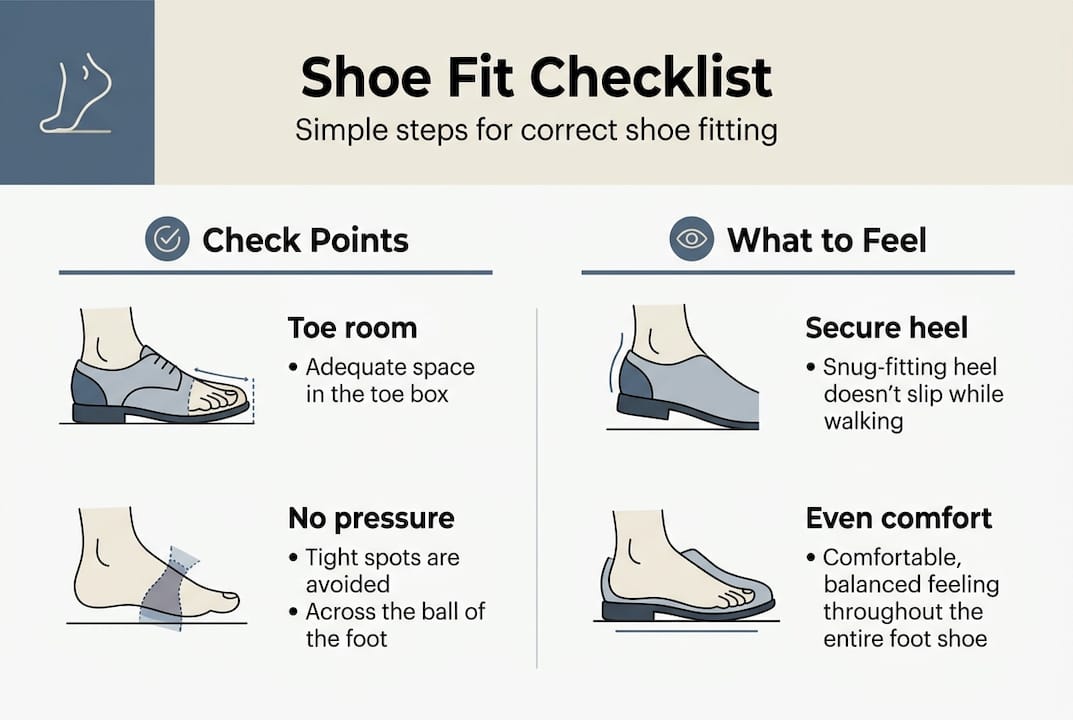
The process is simpler than most people expect, but it does require a little patience and a willingness to prioritise fit over looks. Ill-fitting shoes exacerbate problems and discomfort, which makes getting this right a matter of genuine importance rather than pedantry.
Follow these steps every time you buy new shoes:
- Measure both feet in the afternoon. Feet swell throughout the day. Measuring in the morning often leads to shoes that feel tight by evening.
- Always fit to the larger foot. Most people have one foot slightly larger than the other. Fit to the bigger one.
- Check toe clearance. There should be roughly a thumb’s width of space between your longest toe and the end of the shoe.
- Walk, don’t just stand. Shoes can feel fine standing still but create pressure points when you walk. Always take a few steps before deciding.
- Check the heel. Your heel should sit firmly in place with minimal slipping. Excessive heel movement causes blisters and reduces stability.
- Assess width. The widest part of your foot should sit comfortably within the widest part of the shoe, without bulging over the sides.
For those managing specific conditions, a diabetic shoe fitting guide provides more detailed clinical guidance, and diabetic footwear comfort tips can help you apply these principles day to day.
Pro Tip: Bring the socks you intend to wear with the shoes when you try them on. Sock thickness affects fit more than most people realise, particularly for diabetics and the elderly.
One common mistake is assuming your shoe size is fixed. Feet change with age, weight fluctuation, pregnancy, and health conditions. Getting measured every year or two is a simple habit with real benefits.
Our perspective: What most brands won’t tell you about fit
With the technical details covered, let’s address a critical but under-discussed reality of the footwear industry.
The footwear industry is built on aspiration. Brands sell identity, lifestyle, and aesthetics. Fit is an afterthought in most marketing campaigns, and that’s not accidental. A shoe that looks extraordinary but fits poorly still sells. A shoe that fits perfectly but looks ordinary struggles to move off the shelf.
This creates a structural problem for consumers. You’re being asked to make a health decision inside a system designed to prioritise visual appeal. The result is that millions of people wear shoes that are quietly damaging their feet every single day, without ever connecting their back pain, knee aches, or foot problems to their footwear choices.
We believe the conversation needs to shift. Educated consumers who understand shoe fit myths and the real mechanics of foot health make better decisions, both for their wellbeing and, ultimately, for their style. Because a shoe that fits correctly and supports your foot will always look better on you than one that doesn’t. Confidence in how you move is the best accessory there is.
Listen to your feet. They’re far more reliable than a trend report.
Step forward with shoes that fit your life
Armed with this knowledge, you can confidently seek out the best shoes for your needs and here’s where to start.
At YDA UK, we design footwear with foot health at the core, not as a footnote. Every pair is built around the principle that comfort and style are not opposites. They belong together.
Our YDA shoe technology addresses the specific biomechanical needs of everyday wearers, including those with diabetes, mobility concerns, or simply a desire to move better and feel better throughout the day. Whether you’re looking for a shoe that supports sensitive feet or one that keeps pace with an active lifestyle, our range is designed to fit your life as well as your foot.
Frequently asked questions
Why is shoe fit more important than shoe brand or cost?
Proper fit directly impacts your comfort, prevents injuries, and supports long-term foot health far more than brand name or price ever can. Ill-fitting shoes produce structural deformities and exacerbate foot complications regardless of how much you paid.
How can I tell if my shoes fit correctly?
A well-fitted shoe offers wiggle room for your toes, no pressure points anywhere on the foot, and a heel that stays secure when walking. Ill-fitting shoes exacerbate issues quickly, so a function-first approach to fit is essential.
Should everyone choose cushioned shoes for comfort?
Not always. Minimal shoes benefit healthy feet by encouraging natural muscle engagement, while cushioned options are most helpful for those with specific foot conditions or high-impact activity needs.
Are shoe fitting needs different for diabetics and the elderly?
Yes, significantly. Diabetics and elderly require fit that addresses pressure redistribution and fall prevention respectively, making specialist guidance particularly important for both groups.