
How cushioning in footwear improves comfort and health
Optimised cushioning can reduce peak foot pressures by nearly 46%, transforming how we protect our feet from injury and chronic conditions. This dramatic improvement isn’t about thickness or softness, it’s about matching cushioning stiffness to your unique foot biomechanics. For people with diabetes or foot complications, proper cushioning becomes a critical defence against ulceration and amputation. Understanding what cushioning truly does helps you make informed choices that safeguard your mobility and quality of life.
Table of Contents
- Introduction To Cushioning In Footwear
- Biomechanics Of Cushioning And Its Effects On Foot Comfort
- Role Of Cushioning In Diabetic Foot Health And Ulcer Prevention
- Impact Of Cushioning Stiffness Optimisation On Plantar Pressure Reduction
- Technological Innovations In Cushioning Materials And Design
- Common Misconceptions About Cushioning In Footwear
- Selecting The Right Cushioned Footwear: Practical Guidance
- Summary And Next Steps For Foot Health And Comfort
- Explore YDA UK’s Supportive Footwear Solutions
- Frequently Asked Questions
Key takeaways
| Point | Details |
|---|---|
| Pressure reduction | Optimised cushioning reduces plantar pressure by up to 46%, significantly lowering ulcer risk in diabetic feet. |
| Personalised stiffness | Cushioning stiffness must match individual foot biomechanics, body weight, and activity level for maximum benefit. |
| Advanced technologies | 3D printing and innovative materials enable precise customisation of cushioning properties for superior pressure relief. |
| Common myths debunked | Thicker cushioning doesn’t always mean better comfort; stiffness matching is the critical factor for foot health. |
| Professional guidance essential | Selecting appropriate cushioning requires expert assessment of foot health, pressure patterns, and biomechanical needs. |
Introduction to cushioning in footwear
Cushioning refers to the material layers positioned between your foot and the ground that reduce impact forces during movement. These layers absorb shock during walking and running, distributing pressure more evenly across the plantar surface. Common materials include polyurethane foam, ethylene-vinyl acetate (EVA), gel inserts, and air pockets, each offering different mechanical properties. The design variations range from uniform midsoles to segmented structures that target specific foot regions.
The biomechanical benefits extend beyond simple comfort. Cushioning provides shock absorption which protects feet from repetitive impact forces, reducing strain on soft tissues and joints. Proper cushioning redistributes pressure away from vulnerable areas like the metatarsal heads and heel, preventing localised stress concentrations. This pressure distribution becomes especially critical for individuals with reduced sensation or compromised circulation, where undetected pressure can lead to tissue damage.
Key functions of footwear cushioning include:
- Absorbing vertical impact forces that would otherwise transmit through bones and joints
- Distributing plantar pressures across a larger surface area to prevent hotspots
- Reducing shear forces that contribute to callus formation and skin breakdown
- Providing stability during gait transitions from heel strike to toe-off
- Minimising muscular fatigue by reducing the energy cost of movement
Understanding foot biomechanics in diabetic footwear reveals how cushioning interacts with individual gait patterns. Your walking style, foot structure, and body weight all influence how cushioning materials respond. This interaction determines whether cushioning truly protects your feet or simply feels soft initially. The mechanical properties of cushioning materials change over time with repeated loading, making material selection and replacement timing important considerations.
Biomechanics of cushioning and its effects on foot comfort
When your foot strikes the ground, impact forces can reach two to three times your body weight. Cushioning absorbs these forces by compressing and temporarily storing energy, then releasing it as your foot lifts. This mechanical process reduces peak forces transmitted through your skeleton by converting kinetic energy into heat within the cushioning material. Cushioning reduces peak foot impact forces by up to 30% compared to minimal footwear, substantially lowering injury risk.
The stiffness of cushioning material profoundly affects how your foot moves through the gait cycle. Softer cushioning allows more foot motion and can feel comfortable initially but may provide insufficient support during prolonged activity. Stiffer cushioning restricts motion and can feel firm but offers better stability and pressure redistribution for heavier individuals. Finding the optimal stiffness requires balancing these competing factors based on your specific needs.
Cushioning influences plantar pressure distribution across the entire foot surface. Properly tuned cushioning redirects pressure from high-risk areas to regions better equipped to handle load. This redistribution prevents the formation of calluses and reduces mechanical stress on vulnerable tissues. The relationship between cushioning impact on diabetic foot comfort demonstrates how biomechanical optimisation translates to real-world health outcomes.
Steps to understand cushioning’s biomechanical role:
- Impact absorption occurs first as the heel contacts the ground, with cushioning compressing to reduce shock
- Pressure redistribution follows as weight transfers forward, spreading load across the midfoot and forefoot
- Energy return happens during toe-off, with compressed cushioning releasing stored energy to assist propulsion
- Stability maintenance throughout the cycle keeps your foot properly aligned and prevents excessive motion
Pro Tip: Select cushioning stiffness that matches your body weight and activity intensity; heavier individuals typically benefit from firmer cushioning that maintains structure under load, while lighter people may prefer softer materials that provide adequate compression.
Role of cushioning in diabetic foot health and ulcer prevention
Diabetes fundamentally alters foot biomechanics through peripheral neuropathy, which eliminates protective sensation, and vascular changes that impair healing. These complications create a dangerous situation where excessive pressure goes unnoticed until tissue damage occurs. Inappropriate footwear lacking optimised cushioning leads to high plantar pressures that increase ulceration risk and foot complications in diabetic patients. The loss of sensation means you cannot rely on discomfort as a warning signal.
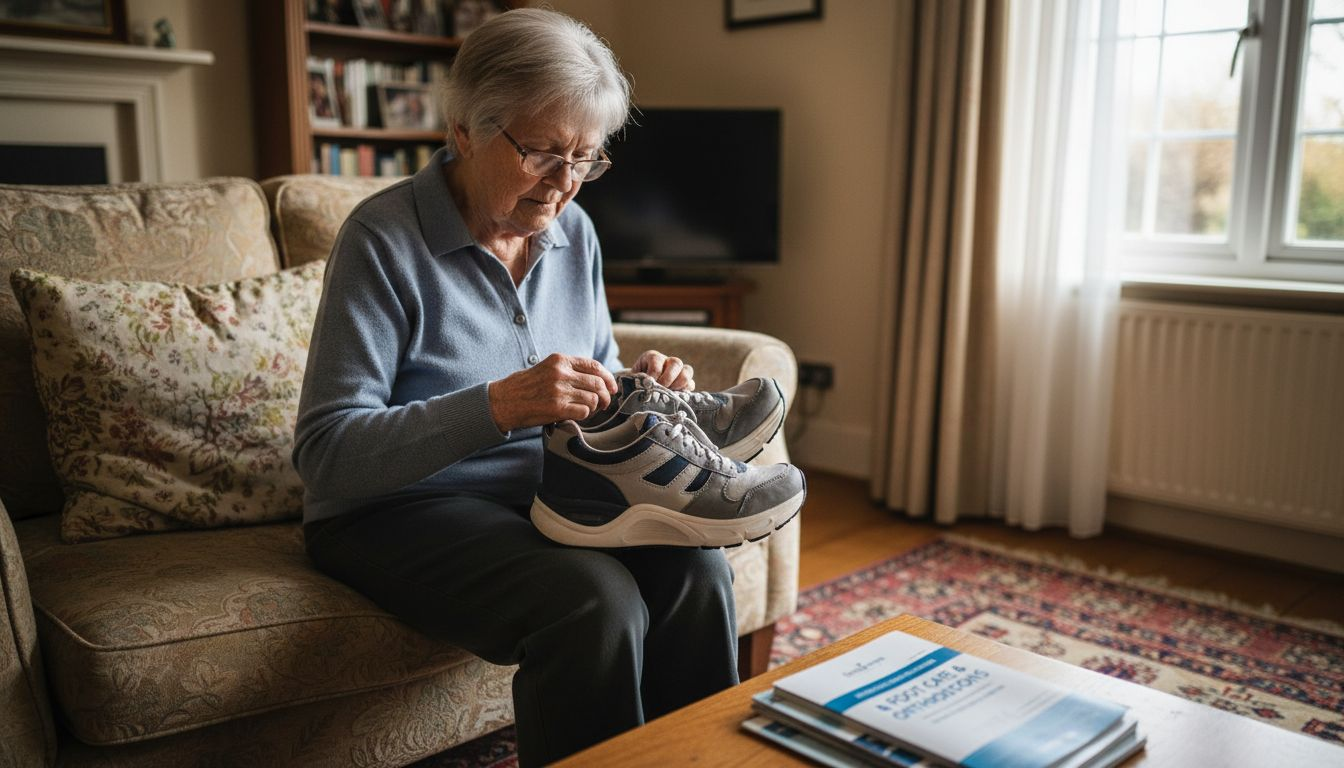
Pressure redistribution becomes the primary defence mechanism against ulcer formation. When cushioning effectively spreads load across a larger surface area, peak pressures at any single point decrease substantially. This reduction prevents the repetitive trauma that breaks down skin integrity over time. Clinical evidence demonstrates that even modest pressure reductions can dramatically lower ulcer incidence in at-risk populations.
Properly cushioned footwear redistributes plantar pressures, preventing callus formation and reducing risk of foot pain and ulcers. Calluses themselves indicate areas of excessive pressure and can act as foreign bodies that increase local stress. By preventing callus development, optimised cushioning interrupts the progression from mechanical stress to tissue breakdown. This preventive effect extends to maintaining skin moisture balance and reducing friction during movement.
Key benefits of cushioning for diabetic foot health:
- Pressure relief at high-risk anatomical sites like metatarsal heads and bony prominences
- Callus prevention through even pressure distribution across the plantar surface
- Ulcer risk reduction by keeping peak pressures below critical thresholds for tissue damage
- Improved mobility and confidence enabling regular physical activity that supports overall health
Up to 80% of diabetic foot ulcers precede lower limb amputation, underscoring the critical need for optimised cushioning as a fundamental preventive strategy in diabetic foot care.
Understanding footwear ulcer prevention evidence helps you appreciate why appropriate cushioning represents far more than a comfort feature. It serves as a medical intervention that can preserve your mobility and independence. The stakes are genuinely high, making informed footwear choices a priority for anyone managing diabetes or neuropathy.
Impact of cushioning stiffness optimisation on plantar pressure reduction
Recent research reveals that generic cushioning approaches fall short of what personalised solutions achieve. Patient-specific optimised cushioning stiffness reduced peak plantar pressure by 46±14%, significantly aiding ulcer prevention. This nearly 50% reduction represents the difference between safe and dangerous pressure levels for many individuals. The key lies in tailoring stiffness to match your unique foot structure, gait pattern, and body metrics.
Body mass index plays a crucial role in determining optimal cushioning stiffness. Heavier individuals generate higher plantar forces that require stiffer cushioning to prevent bottoming out, where cushioning compresses completely and loses protective function. Footwear cushioning stiffness must be individually optimised based on BMI and plantar loading for effective pressure offloading. Lighter individuals need softer cushioning that compresses sufficiently to absorb impact without requiring excessive force.
| Feature | Standard cushioning | Optimised cushioning |
|---|---|---|
| Pressure reduction | 15-20% compared to hard surfaces | 40-50% compared to hard surfaces |
| Customisation | One-size-fits-all stiffness | Tailored to individual biomechanics |
| Ulcer prevention rate | Moderate effectiveness | Significantly improved outcomes |
| Cost | Lower initial investment | Higher upfront but better long-term value |
| Longevity | Degrades with generic wear patterns | Optimised for personal use patterns |
The clinical implications extend beyond numbers. Reducing peak pressure by nearly half transforms footwear from basic protection to active intervention. This level of optimisation requires professional assessment of your plantar pressure distribution, typically using computerised gait analysis or pressure mapping systems. These technologies identify your specific high-pressure zones and quantify the loads they experience.
Pro Tip: Consult podiatrists or orthotists for personalised cushioning stiffness assessments using pressure mapping technology; this investment prevents costly complications and ensures your footwear actually delivers the protection you need rather than just feeling comfortable initially.
Finding guidance on cushioning stiffness selection helps you navigate the options available. Professional expertise combined with modern assessment tools makes truly personalised cushioning accessible. This approach represents a fundamental shift from choosing footwear based on appearance or initial comfort to selecting based on measurable biomechanical effectiveness.
Technological innovations in cushioning materials and design
Three-dimensional printing technology has revolutionised how we create customised cushioning. This manufacturing approach builds insoles layer by layer, allowing precise control over density, stiffness, and geometry at a micro level. 3D-printed custom insoles significantly improve cushioning stiffness customisation, reducing peak plantar pressure by around 46%. The technology enables features impossible to achieve with traditional manufacturing, such as gradient stiffness that transitions smoothly across the foot.
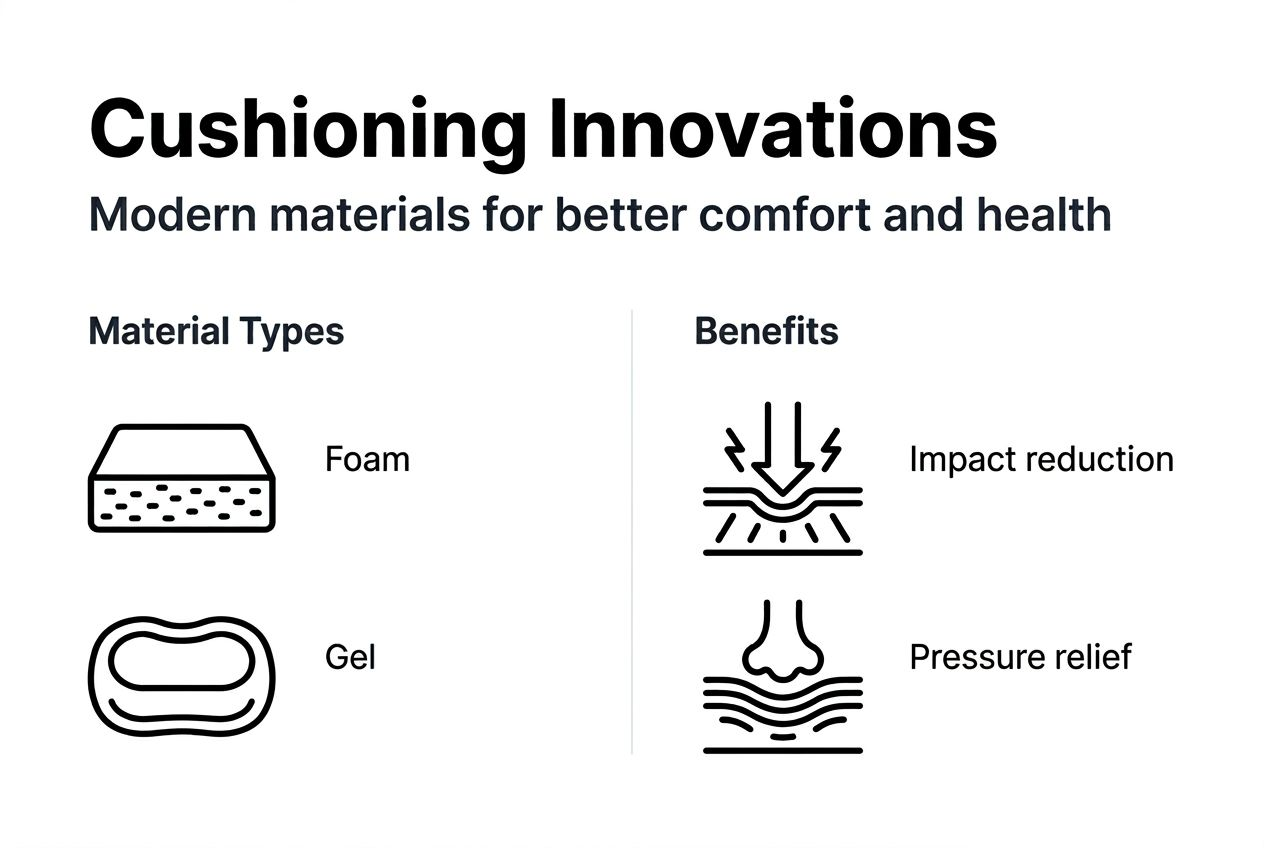
New materials complement advanced manufacturing techniques. Thermoplastic polyurethane (TPU) lattice structures offer exceptional durability whilst maintaining customisable mechanical properties. Viscoelastic materials that respond differently to varying loading rates provide both impact absorption and stability. These innovations extend cushioning lifespan whilst maintaining consistent protective properties over thousands of loading cycles.
Key technological benefits transforming cushioning:
- Personalised fit matching exact foot contours captured through 3D scanning technology
- Enhanced offloading at specific anatomical sites identified through pressure analysis
- Improved comfort through materials that adapt to temperature and activity level
- Extended durability from advanced materials that resist compression set and degradation
Exploring advanced cushioning technologies reveals how these innovations translate to practical benefits you can experience. Material science advances enable cushioning that performs consistently across temperature ranges and activity levels. This reliability ensures your feet receive consistent protection whether you’re walking to the shops or standing for extended periods.
The convergence of assessment technology, advanced materials, and precision manufacturing creates opportunities for truly personalised foot protection. What once required expensive custom fabrication is becoming increasingly accessible. These technologies don’t just improve comfort, they enable measurable clinical outcomes that prevent serious complications.
Common misconceptions about cushioning in footwear
Several persistent myths lead people to make poor footwear choices that compromise foot health. Understanding these misconceptions helps you evaluate cushioning options more critically and avoid expensive mistakes that could harm your feet.
Common cushioning myths and their corrections:
- Thicker cushioning always provides better protection: Reality shows that stiffness matching matters far more than thickness; excessive thickness can reduce stability and proprioception
- Any soft footwear suits diabetic feet adequately: Clinical evidence demonstrates that generic soft cushioning often fails to reduce pressure sufficiently in high-risk areas
- Cushioning only affects comfort, not health outcomes: Research proves that appropriate cushioning directly influences ulcer risk, callus formation, and long-term foot health
- You can judge cushioning effectiveness by how it feels initially: Biomechanical testing reveals that initial softness doesn’t correlate with pressure reduction or protection during prolonged wear
- Expensive footwear automatically means better cushioning: Price doesn’t guarantee appropriate stiffness or pressure redistribution for your specific needs
Inappropriate cushioning stiffness can increase peak pressures instead of reducing them, worsening foot health outcomes. Cushioning that’s too soft allows excessive compression, causing your foot to bottom out against the shoe’s base. Cushioning that’s too firm never compresses enough to absorb impact or redistribute pressure. Either extreme defeats the protective purpose.
Awareness gaps compound these technical misconceptions. Patients with diabetes often lack awareness about cushioning’s critical role in ulcer prevention, leading to poor footwear choices. This knowledge deficit means people prioritise aesthetics or initial comfort over biomechanical effectiveness. Healthcare providers play a vital role in education, but individuals must also actively seek information.
Lack of awareness about biomechanical requirements leads to poor footwear choices that directly impact ulcer prevention effectiveness and long-term foot health outcomes.
Addressing common cushioning misconceptions requires combining education with practical assessment. You need both understanding of principles and specific evaluation of how cushioning performs for your feet. This dual approach prevents falling for marketing claims whilst ensuring you select footwear that truly protects.
Selecting the right cushioned footwear: practical guidance
Making informed footwear choices requires a systematic approach that considers your unique needs and circumstances. Following these steps helps ensure your cushioning provides genuine protection rather than just surface comfort.
Steps to select appropriate cushioning:
- Assess your foot health status with a podiatrist, identifying any neuropathy, circulation issues, structural abnormalities, or pressure points requiring attention
- Evaluate your pressure distribution through computerised gait analysis or pressure mapping to quantify loads at different foot regions
- Consider your body metrics including weight, height, and activity level that influence optimal cushioning stiffness requirements
- Seek professional fitting advice from specialists trained in therapeutic footwear who can interpret assessment data and recommend appropriate options
- Trial footwear for adequate duration to ensure comfort during extended wear, not just initial impressions in the shop
- Monitor foot health regularly by inspecting skin for redness, calluses, or pressure marks that indicate inadequate cushioning
Custom insoles often provide better results than off-the-shelf options for people with specific foot conditions. These devices can incorporate cushioning stiffness tailored precisely to your pressure distribution whilst fitting inside your preferred footwear styles. Advanced materials enable custom insoles that remain effective over extended periods, making them cost-effective despite higher initial investment.
Pro Tip: Reassess your footwear needs every 12 months or whenever your health status changes; foot structure, gait patterns, and body weight can shift over time, requiring different cushioning properties to maintain optimal protection.
Consistent use matters as much as appropriate selection. The best cushioning only protects when you actually wear it. Developing habits around proper footwear use, especially during high-risk activities, prevents the injuries that compromise mobility. Finding footwear selection guidance and essential selection tips equips you to make decisions that support long-term foot health.
Monitoring remains an ongoing responsibility. Regular skin checks, periodic pressure reassessment, and replacement of worn cushioning ensure continued protection. Footwear represents an investment in your mobility and independence, making proper selection and maintenance priorities worth your attention and resources.
Summary and next steps for foot health and comfort
Optimised cushioning transforms footwear from passive covering to active health intervention. The evidence demonstrates that personalised cushioning stiffness can reduce dangerous pressure levels by nearly half, directly preventing ulcers and preserving mobility. This protection extends beyond diabetes to anyone with foot pain, structural abnormalities, or increased injury risk. Understanding biomechanical principles helps you evaluate footwear critically rather than relying on marketing claims or initial impressions.
Poor cushioning choices carry real consequences. Inappropriate stiffness can increase pressure rather than reducing it, accelerating tissue damage and ulcer formation. Generic approaches that ignore individual differences deliver suboptimal results, leaving you vulnerable despite wearing footwear marketed as protective. The stakes justify investing time and resources in proper assessment and selection.
Prioritising foot health requires combining knowledge with action. Consult qualified professionals who can assess your specific needs using modern technology. Consider innovative solutions like 3D-printed insoles that deliver measurable biomechanical benefits. Regular monitoring ensures your footwear continues providing adequate protection as your needs evolve. Understanding the ulcer prevention footwear role motivates making foot health a priority rather than an afterthought.
Your feet carry you through life. Protecting them with appropriate cushioning preserves your independence, mobility, and quality of life. The technology and expertise exist to provide truly personalised solutions. Taking advantage of these resources represents an investment in your long-term wellbeing that pays dividends through maintained activity and avoided complications.
Explore YDA UK’s supportive footwear solutions
Now that you understand cushioning’s critical role in foot health, explore how YDA UK applies these principles. Our footwear incorporates advanced cushioning technologies designed specifically for people requiring enhanced support and pressure relief. Each design balances biomechanical effectiveness with style, ensuring you don’t sacrifice appearance for function.
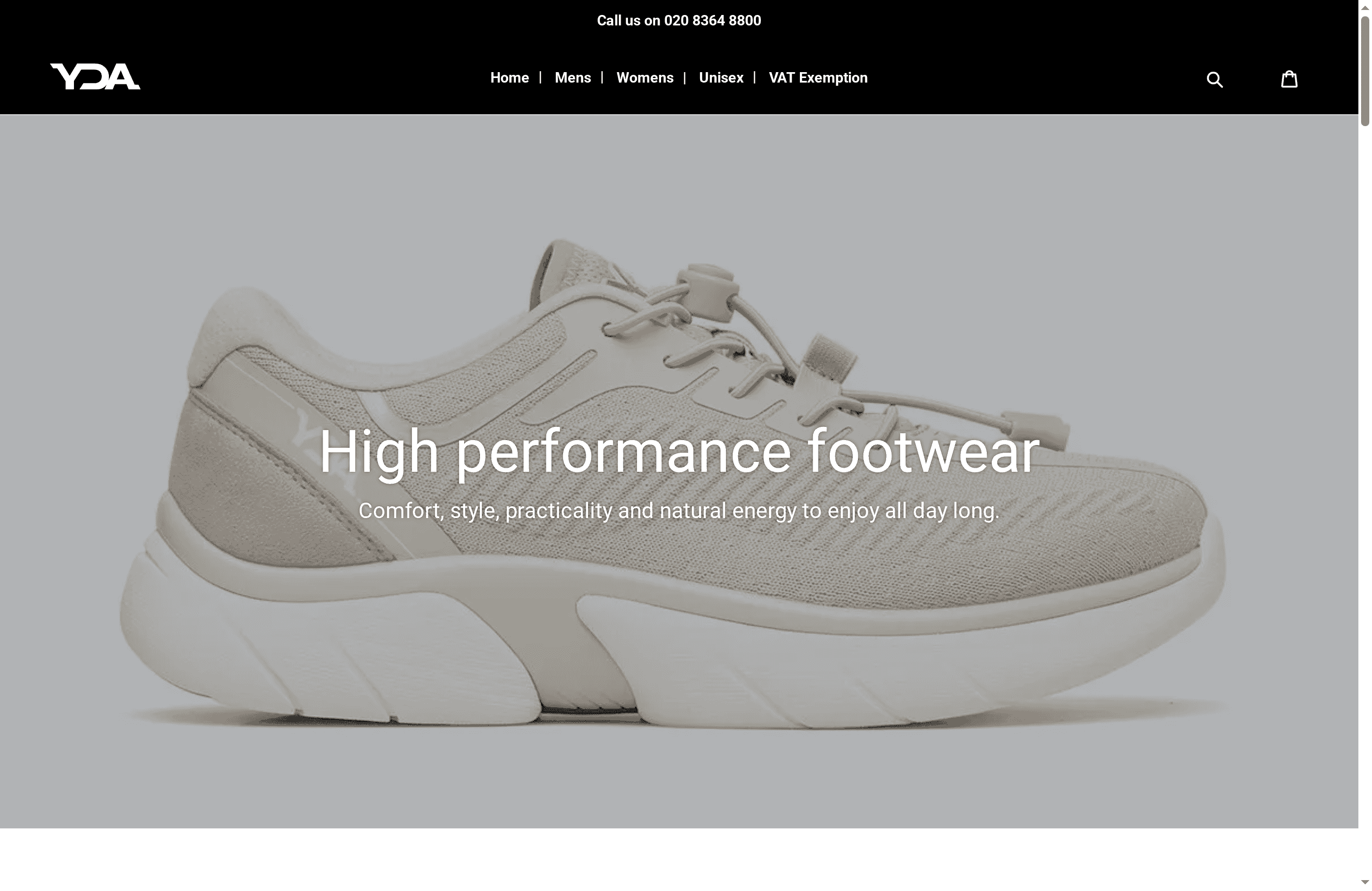
YDA footwear features include custom cushioning options tailored to individual pressure patterns, materials selected for durability and consistent performance, and designs informed by podiatric expertise. Whether you manage diabetes, neuropathy, or simply want superior foot protection, our range offers solutions that address your specific needs.
Key benefits of YDA footwear:
- Enhanced comfort through biomechanically optimised cushioning that reduces fatigue
- Ulcer prevention via pressure redistribution based on clinical research
- Advanced materials providing consistent protection over extended wear
- Stylish designs that don’t compromise therapeutic effectiveness
Browse our shoes for problem feet to find options matching your requirements. Learn more about the YDA shoe technology underlying our designs. Our specialists can help you select footwear that delivers measurable protection whilst meeting your aesthetic preferences and lifestyle needs.
Frequently asked questions
What is the best type of cushioning for people with diabetes?
Customised cushioning stiffness matching your foot pressure distribution and body metrics offers the best protection and comfort for diabetic feet. Generic soft cushioning often fails to reduce pressure adequately at high-risk sites. Professionally fitted footwear and custom insoles improve outcomes by addressing your specific biomechanical needs. Find choosing cushioning for diabetes guidance to make informed decisions.
How does cushioning stiffness affect foot ulcer prevention?
Optimised cushioning stiffness redistributes pressure to reduce skin stress and ulcer risk by keeping peak pressures below tissue damage thresholds. Incorrect stiffness can increase peak pressures instead of reducing them, worsening foot health outcomes. The nearly 50% pressure reduction achieved through proper optimisation demonstrates why stiffness matching is critical. Learn about cushioning stiffness and ulcers prevention mechanisms.
Can technology like 3D printing improve footwear cushioning?
3D printing allows precise customisation of cushioning stiffness and geometry for individual needs, achieving pressure reductions impossible with standard manufacturing. This technology enables gradient stiffness patterns and site-specific properties that target your exact pressure points. Clinical studies show 3D-printed insoles improve outcomes significantly through superior personalisation. Explore 3D printing in cushioning innovations.
How often should I replace cushioned footwear?
Replace cushioned footwear every 6 to 12 months depending on wear frequency and intensity, as cushioning materials degrade with repeated loading. Visible compression, reduced springiness, or changes in comfort indicate declining protective function. Regular replacement maintains consistent pressure reduction and prevents complications from worn cushioning. Monitor your footwear condition between professional assessments.
Does body weight affect cushioning requirements?
Body weight significantly influences optimal cushioning stiffness, with heavier individuals requiring firmer cushioning to prevent bottoming out under load. Lighter people benefit from softer cushioning that compresses adequately to absorb impact. BMI-based stiffness optimisation improves pressure reduction effectiveness by ensuring cushioning responds appropriately to your specific forces. Professional assessment accounts for weight in cushioning recommendations.
Recommended
- Advanced Shoe Cushioning Technologies: Impact on Comfort and Foot Heal – YDA UK
- Footwear Technology Explained: Comfort and Performance – YDA UK
- How Shoes Impact Energy – Boosting Comfort and Health – YDA UK
- 7 Key Benefits of Comfort Footwear for Healthy Living – YDA UK
- Role of comfort in seating: 30% less fatigue outdoors – Sitpack