
7 Key Benefits of Comfort Footwear for Healthy Living
Selecting the right footwear can be overwhelming when you want both comfort and lasting foot health. Ordinary shoes often leave your feet vulnerable to pain, injury, and expensive medical problems. The right choice goes far beyond style or brand names – it is about making a smart investment in your well-being every day.
You are about to discover actionable insights that will help you find comfort footwear that supports your feet, protects against injury, and makes daily activities a pleasure. These benefits are not just theory – modern foot science proves that well-fitting, supportive shoes can prevent common conditions and even reduce future health costs. Keep reading to uncover the practical steps that turn footwear into a powerful tool for health and daily comfort.
Table of Contents
- Enhanced Support For Foot Health
- Reduced Risk Of Injuries And Pain
- Improved Comfort For Daily Activities
- Better Circulation For Diabetic Feet
- Energy Efficiency In Every Step
- Stylish Designs With Advanced Technology
- Long-Term Savings On Foot Care
Quick Summary
| Takeaway | Explanation |
|---|---|
| 1. Invest in Proper Footwear | Choosing quality comfort shoes can prevent serious foot health issues and reduce future medical costs. |
| 2. Prioritise Features for Support | Look for shoes that offer robust arch support, cushioning, and flexibility tailored to your specific foot needs. |
| 3. Regular Foot Assessments Are Crucial | Annual check-ups with a podiatrist can provide personalised footwear recommendations for maintaining optimal foot health. |
| 4. Adapt Shoes to Lifestyle Needs | Select footwear based on your daily activities to maximise comfort and minimise potential discomfort or injuries. |
| 5. Consider Long-Term Savings | Investing in high-quality shoes can lead to significant healthcare savings by preventing chronic foot conditions over time. |
1. Enhanced Support for Foot Health
Comfort footwear plays a critical role in maintaining optimal foot health by providing targeted support and preventing potential biomechanical issues. When designed thoughtfully, these shoes function like personalised support systems for your feet, distributing body weight evenly and reducing unnecessary strain.
Modern comfort footwear incorporates advanced design principles that address the complex biomechanical needs of human feet. Proper footwear supports weight distribution across the entire foot surface, which helps minimise pressure points and potential discomfort. This strategic weight distribution is crucial for preventing conditions like plantar fasciitis, flat feet complications, and chronic leg pain.
The right shoes can significantly impact your overall musculoskeletal health. By providing structured arch support, cushioning, and alignment features, comfort footwear helps maintain proper foot mechanics. This means reduced risk of sprains, fractures, and long-term joint stress. Individuals with specific foot conditions or those who spend extensive time standing can particularly benefit from shoes engineered with advanced anatomical considerations.
When selecting comfort footwear, prioritise shoes that match your specific foot shape and activity level. Look for features like robust arch support, responsive cushioning, and flexible materials that adapt to your foot’s natural movement. Different foot types require different support mechanisms, so understanding your unique biomechanical needs is essential.
Expert Tip: Visit a professional podiatrist annually to assess your foot health and receive personalised recommendations for optimal footwear support.
2. Reduced Risk of Injuries and Pain
Comfort footwear serves as a critical protective mechanism against potential musculoskeletal injuries and chronic pain. By integrating advanced biomechanical design principles, these specialised shoes act as a defensive shield for your body’s foundational support system.
Specific footwear features can significantly reduce injury risks by improving overall biomechanical performance and shock absorption. These innovative design elements work together to distribute physical stress more effectively across your feet and lower limbs, minimising the potential for strain and trauma during various activities.
Professional athletes and medical experts recognise that proper footwear goes beyond simple comfort it represents a strategic approach to preventing potential injuries. The right shoes can mitigate risks associated with high impact movements, repetitive stress, and uneven terrain. This protective capability is particularly crucial for individuals engaged in regular physical activities or those with pre existing musculoskeletal conditions.
When selecting injury prevention footwear, prioritise shoes with robust cushioning, stable arch support, and materials that offer responsive shock absorption. Look for design elements that match your specific movement patterns and activity levels. Understanding your unique biomechanical needs helps you choose footwear that acts as a personalised injury prevention tool.
Expert Tip: Replace your athletic or work shoes every 500 kilometres or six months to maintain optimal protective features and injury prevention capabilities.
3. Improved Comfort for Daily Activities
Comfort footwear transforms everyday movement from a potential source of strain into a seamless, enjoyable experience. These specialised shoes are engineered to support your body’s natural mechanics while providing exceptional comfort across various daily activities.
Footwear comfort involves multiple physiological factors that go beyond simple cushioning. Effective comfort shoes integrate soft midsoles, lightweight materials, and intelligent sole design to create a walking experience that minimises fatigue and maximises mobility. The goal is to create a symbiotic relationship between your feet and the shoes protecting them.
Modern comfort footwear addresses the complex demands of daily life by distributing pressure evenly and reducing physical stress. Whether you are navigating office corridors, running errands, or enjoying leisure activities, these shoes adapt to your movement patterns. They provide crucial support that helps prevent muscle fatigue and reduces the likelihood of developing discomfort or potential injuries associated with prolonged standing or walking.
When selecting comfort footwear, consider your specific lifestyle and movement requirements. Look for shoes with adaptive cushioning, breathable materials, and ergonomic design features that match your daily activities. Pay attention to how the shoes feel during different movements walking, standing, and transitioning between surfaces.
Expert Tip: Replace your daily wear shoes every six to nine months to maintain optimal comfort and support levels.
4. Better Circulation for Diabetic Feet
Comfort footwear represents a critical health intervention for individuals managing diabetes, offering specialised design features that support optimal foot circulation and prevent potentially serious complications. For diabetic patients, shoe selection is far more than a fashion choice it is a crucial healthcare decision.
Proper footwear helps prevent serious foot complications by maintaining adequate blood flow and protecting sensitive skin. Specialised diabetic shoes are engineered to accommodate unique physiological challenges such as reduced sensation, potential swelling, and increased vulnerability to injury. These shoes create a protective environment that shields feet from unnecessary pressure and potential damage.
The design elements critical for diabetic foot health include spacious toe boxes, seamless interiors, extra depth to prevent friction, and materials that adapt to potential foot shape changes. By eliminating pressure points and providing gentle support, these shoes help maintain consistent blood circulation essential for preventing neuropathy and reducing infection risks.
When selecting footwear, diabetic individuals should prioritise shoes with soft, breathable materials, adjustable closures, and cushioned soles that promote gentle movement. Consulting with healthcare professionals can help identify shoes that match specific foot characteristics and medical requirements.
Expert Tip: Schedule an annual professional foot assessment to ensure your footwear continues to meet your evolving diabetic foot health needs.
5. Energy Efficiency in Every Step
Every stride you take can be an opportunity for improved physical performance when wearing thoughtfully designed comfort footwear. The right shoes transform walking from a mundane activity into an efficient biomechanical process that conserves energy and reduces physical strain.
Lightweight shoes with shock-absorbing features significantly reduce the metabolic cost of movement. By optimising your gait and minimising unnecessary energy expenditure, these innovative shoes help you move more smoothly and efficiently, turning each step into a refined motion that requires less effort and produces less fatigue.
Advanced footwear engineering considers multiple factors such as sole geometry, material flexibility, and weight distribution to create shoes that work harmoniously with your body’s natural movement patterns. The goal is to design shoes that function like intelligent biomechanical interfaces reducing the physical effort required to walk or run while maintaining comfort and supporting your body’s natural mechanics.
When selecting energy efficient footwear, consider shoes with responsive midsoles, ergonomic sole designs, and lightweight construction. Pay attention to how the shoes feel during different movements walking on various surfaces, transitioning between activities, and maintaining your natural stride.
Expert Tip: Replace your athletic shoes every 500 kilometres to maintain optimal energy transfer and biomechanical performance.
6. Stylish Designs with Advanced Technology
Modern comfort footwear represents a sophisticated fusion of aesthetic appeal and cutting-edge technological innovation. Gone are the days when stylish shoes meant compromising on functionality or comfort.
Footwear innovation now incorporates lightweight materials that seamlessly blend performance with contemporary design aesthetics. Advanced biomechanical engineering allows manufacturers to create shoes that not only look remarkable but also provide exceptional support and comfort across various activities.
Today’s technologically advanced footwear integrates intelligent design features such as curved rocker soles, adaptive fit technologies, and soft responsive midsoles. These innovations transform shoes from mere accessories into sophisticated performance tools that enhance movement efficiency while maintaining a sleek, fashionable appearance. The result is footwear that adapts to your body’s unique biomechanical requirements without sacrificing visual appeal.
When selecting technologically advanced footwear, consider shoes that balance aesthetic design with functional innovation. Look for features like breathable materials, ergonomic contours, and design elements that reflect both your personal style and performance needs. Modern footwear technology means you no longer have to choose between looking good and feeling comfortable.
Expert Tip: Invest in versatile footwear designs that transition seamlessly between different environments while maintaining both technological performance and visual sophistication.
7. Long-Term Savings on Foot Care
Investing in high-quality comfort footwear represents a strategic approach to personal healthcare that extends far beyond immediate comfort. By prioritising intelligent shoe selection, you can significantly reduce potential future medical expenses related to foot health.
Proper footwear prevents costly medical interventions by mitigating risks of developing chronic foot conditions. These shoes function as preventative medical tools, helping you avoid expensive treatments for disorders such as plantar fasciitis, calluses, ulcers, and biomechanical complications that could require extensive professional intervention.
The financial benefits of quality footwear become increasingly apparent over time. Durable shoes with robust support mechanisms reduce the cumulative strain on your feet, preventing progressive damage that might otherwise necessitate costly medical treatments, orthotics, physiotherapy sessions, or surgical procedures. This proactive approach transforms footwear from a simple clothing item into a long-term health investment.
When evaluating footwear expenses, consider the comprehensive cost beyond the initial purchase price. Factor in potential healthcare savings, reduced physical therapy needs, and the intrinsic value of maintaining optimal foot health. Investing slightly more in superior shoes can translate into substantial financial benefits and improved quality of life over decades.
Expert Tip: Budget for high-quality footwear by viewing them as a preventative healthcare expense rather than a discretionary purchase.
NO_TABLE
Discover the Ultimate Comfort Footwear Solutions for Healthy Feet
If you value foot health, injury prevention, and walking with energy efficiency, choosing the right footwear is essential. The article “7 Key Benefits of Comfort Footwear for Healthy Living” highlights critical challenges like poor circulation, pain from inadequate support, and the lasting costs of unsuitable shoes. At YDA UK, we address these concerns directly with our range of stylish shoes engineered using advanced foot health technology specifically designed for everyday comfort and performance.
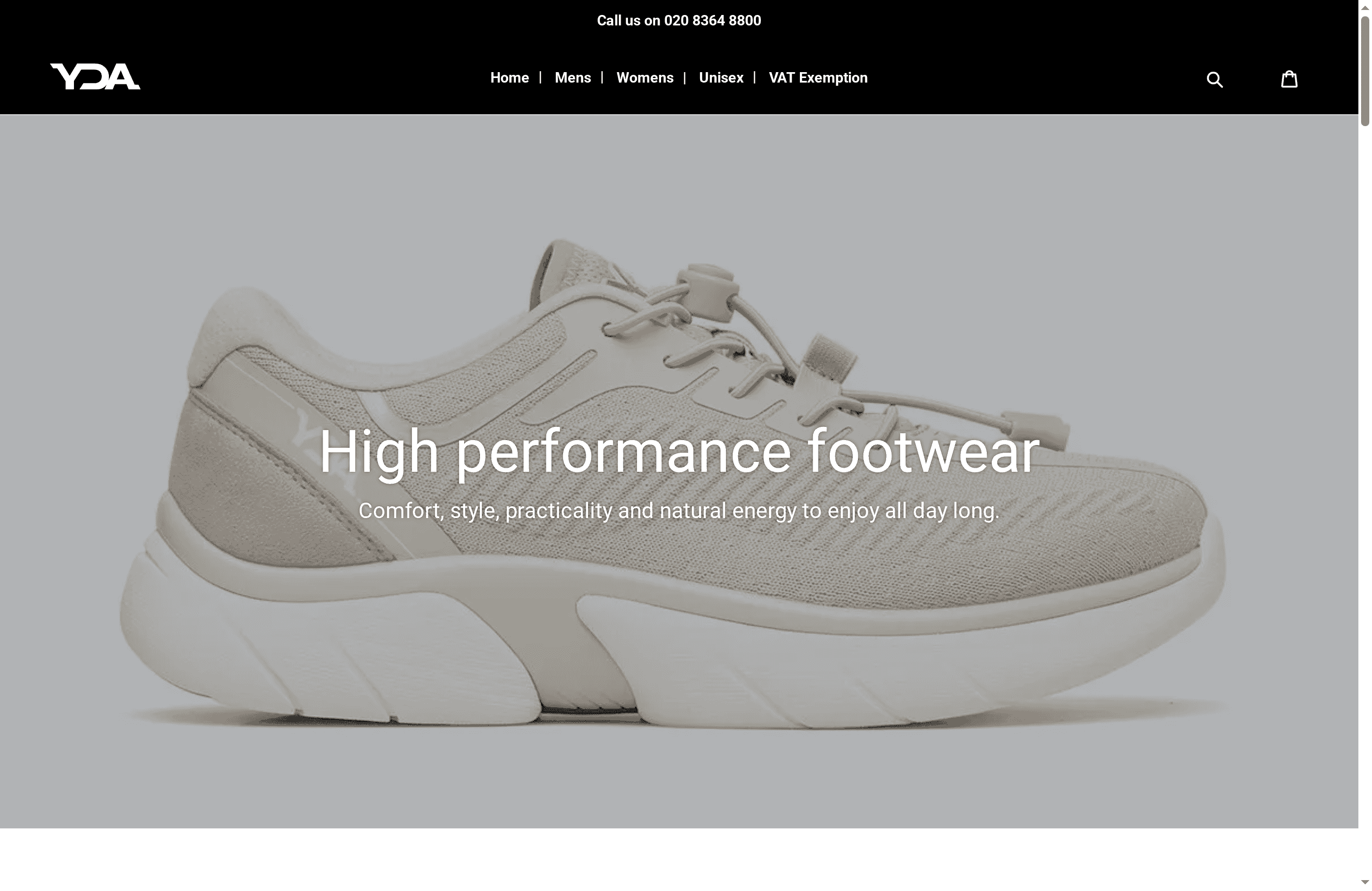
Take the first step towards better support with shoes that provide:
- Expert arch support and cushioning for pain relief
- Improved circulation-friendly designs ideal for diabetic needs
- Enhanced energy efficiency that reduces fatigue during daily activities
Explore our selection now at YDA UK and experience how innovative footwear can transform your daily life. Don’t wait until discomfort becomes a problem. Invest in comfort and health today to enjoy long-term foot care savings and superior style. Visit our collection and find your perfect fit now.
Frequently Asked Questions
What are the main benefits of comfort footwear for foot health?
Comfort footwear provides enhanced support, reduces pressure points, and helps prevent biomechanical issues, ultimately promoting optimal foot health. To ensure you benefit, look for shoes with robust arch support and cushioning tailored to your foot shape.
How can comfort footwear help reduce the risk of injuries?
By utilising advanced design principles, comfort footwear improves shock absorption and distributes physical stress more effectively, lowering the likelihood of injuries. To maximise protection, consider shoes that align with your activity level and movement patterns.
Why is comfort footwear important for diabetic individuals?
Comfort footwear offers features like spacious toe boxes and cushioned soles that support circulation and protect sensitive areas, essential for managing diabetes. Prioritise shoes that are designed specifically for diabetic foot care to minimise the risk of complications.
How often should I replace my comfort footwear for optimal performance?
To maintain supportive features and avoid discomfort, replace your comfort footwear every six to nine months, or sooner if you notice wear. Establish a schedule to regularly assess your shoes and ensure they meet your foot health needs.
What features should I look for in comfort footwear?
Seek shoes with adaptive cushioning, breathable materials, and ergonomic designs that fit your lifestyle and activity needs. Evaluate how the shoes feel during various movements, such as walking and standing, to ensure they provide adequate support.
How can investing in comfort footwear save money on foot care?
High-quality comfort footwear can prevent the development of chronic foot conditions that may lead to costly medical treatments. View your footwear purchases as a long-term healthcare investment to save on potential expenses associated with foot health issues.
Recommended
- 7 Key Benefits of Foot Health Shoes for Everyday Comfort – YDA UK
- 7 Key Advantages of Stylish Comfort Shoes for Every Day – YDA UK
- 7 Types of Health-Oriented Footwear and Their Key Benefits – YDA UK
- 7 Types of Comfortable Shoes for Healthier, Happier Feet – YDA UK
- Healthy Natural Hair Products: Better Growth and Safety | MyHair