
7 Types of Health-Oriented Footwear and Their Key Benefits
Over 60 percent of people living with diabetes struggle with foot issues that can impact daily life and mobility. For health-conscious readers from Canada to the United Kingdom, finding stylish footwear that supports your well-being is no longer just a british concern. Technologically advanced shoes now blend comfort and medical innovation, helping you stay active and protected while expressing your personal style.
Table of Contents
- 1. Diabetic Shoes: Extra Protection For Sensitive Feet
- 2. Orthopaedic Shoes: Support For Foot Structure
- 3. Energy-Return Trainers: Boosting Comfort And Stamina
- 4. Wide-Fit Shoes: Reducing Pressure Points
- 5. Shock-Absorbing Soles: Cushioning With Every Step
- 6. Posture-Correcting Shoes: Enhancing Body Alignment
- 7. Breathable Materials: Keeping Feet Cool And Dry
Quick Summary
| Takeaway | Explanation |
|---|---|
| 1. Choose Diabetic Shoes for Protection | Diabetic shoes are designed to protect sensitive feet and prevent complications from diabetes-related foot issues. |
| 2. Opt for Professional Fitting of Orthopaedic Shoes | Consult a podiatrist for accurate measurements to ensure orthopaedic shoes address your unique foot structure. |
| 3. Select Energy-Return Trainers for Improved Performance | Energy-return trainers enhance efficiency and reduce fatigue by converting impact energy into forward momentum during activities. |
| 4. Invest in Wide-Fit Shoes for Comfort | Wide-fit shoes alleviate pressure points, allowing for natural foot expansion and reducing the risk of injuries associated with narrow footwear. |
| 5. Prioritise Breathable Materials for Moisture Management | Shoes made with breathable materials help maintain a cool and dry environment, reducing the chances of foot discomfort and odours. |
1. Diabetic Shoes: Extra Protection for Sensitive Feet
Diabetic shoes represent a specialised footwear solution designed to provide critical protection for individuals managing diabetes and its associated foot complications. These are not merely shoes, but sophisticated medical devices engineered to address the unique challenges faced by people with diabetic neuropathy.
People with diabetes often experience reduced sensation in their feet, which makes them vulnerable to injuries and infections. Specialised diabetic footwear protects feet by preventing pressure points and improving circulation, creating a crucial defence mechanism against potential foot health risks.
The key design features of diabetic shoes include extra depth to accommodate custom orthotics, soft seamless interiors to minimise friction, and wider toe boxes that prevent compression. These shoes are meticulously crafted to reduce skin breakdown, prevent ulcers, and promote healing while maintaining mobility.
When selecting diabetic shoes, look for specific characteristics such as cushioned insoles, slip resistant soles, and materials that provide breathability. The goal is to create an environment that supports foot health and prevents potential complications associated with diabetes.
Expert Tip: Always have your feet professionally measured and assessed when purchasing diabetic shoes to ensure the most precise fit and maximum protection.
2. Orthopaedic Shoes: Support for Foot Structure
Orthopaedic shoes represent a specialised footwear solution designed to address complex foot structural challenges and provide comprehensive biomechanical support. These are not standard shoes but carefully engineered therapeutic footwear crafted to enhance foot health and mobility.
People experiencing foot deformities, joint problems, or chronic pain can benefit significantly from custom orthopaedic shoes that redistribute plantar load and improve ankle mechanics. The strategic design focuses on alleviating pressure points and supporting natural foot alignment.
The key characteristics of orthopaedic shoes include extra depth, reinforced arch support, padded collars, and flexible yet stable soles. These features work together to accommodate foot irregularities, reduce biomechanical stress, and provide enhanced comfort during movement.
Individuals with conditions such as arthritis, diabetic neuropathy, or structural foot abnormalities can experience substantial improvements in mobility and pain reduction through carefully selected orthopaedic footwear. The shoes are engineered to adapt to unique foot requirements while promoting overall foot health.
Expert Tip: Consult a professional podiatrist to obtain precise measurements and recommendations for your specific foot structure before investing in orthopaedic shoes.
3. Energy-Return Trainers: Boosting Comfort and Stamina
Energy-return trainers represent a revolutionary approach to footwear design, offering athletes and casual wearers an innovative solution for enhanced performance and reduced physical fatigue. These technologically advanced shoes are engineered to maximise movement efficiency and minimise energy expenditure.
Scientific studies demonstrate that energy-return shoes can significantly improve running economy by optimising biomechanical responses. The unique design focuses on absorbing impact and strategically returning energy during each step, thereby reducing oxygen consumption and enhancing overall physical performance.
The core mechanism of energy-return trainers involves sophisticated materials like responsive foam or specialised cushioning technologies. These materials compress upon foot strike and then rapidly spring back, creating a propulsive effect that helps reduce muscle strain and promote more efficient movement patterns.
Athletes and fitness enthusiasts can benefit from these trainers across various activities including running, walking, gym workouts, and high intensity interval training. The shoes work by transforming kinetic energy from foot impact into forward momentum, effectively helping users maintain stamina and reduce perceived exertion.
Expert Tip: Select energy-return trainers that match your specific activity level and foot biomechanics to maximise performance benefits and comfort.
4. Wide-Fit Shoes: Reducing Pressure Points
Wide-fit shoes represent an innovative footwear solution designed to address the complex challenges of foot comfort and structural support. These specialised shoes offer essential relief for individuals experiencing discomfort from traditional narrow footwear.
Research indicates that wide-fit footwear provides critical benefits by alleviating pressure points and preventing potential foot injuries. The additional width in the toe box and midfoot allows for natural foot expansion, reducing the risk of calluses, blisters, and structural complications.
People with broader feet, medical conditions like diabetes or arthritis, or those experiencing foot swelling can significantly benefit from wide-fit shoes. The strategic design promotes better foot alignment by evenly distributing body weight across a larger surface area, enhancing overall stability and comfort.
Understanding your precise foot measurements is crucial when selecting wide-fit shoes. The extra space accommodates natural foot movement, reduces friction, and supports healthy circulation, making these shoes an excellent choice for individuals prioritising foot health and long-term comfort.
Expert Tip: Always have your feet professionally measured and try on shoes later in the day when natural foot swelling occurs to ensure optimal fit and comfort.
5. Shock-Absorbing Soles: Cushioning with Every Step
Shock-absorbing soles represent an innovative footwear technology designed to transform how our bodies experience impact during movement. These specialised shoe components act as sophisticated biomechanical buffers, dramatically reducing the stress transmitted through our feet during walking, running, and other physical activities.
The primary function of shock-absorbing soles is to distribute and dissipate kinetic energy generated with each step, thereby protecting joints and preventing potential muscle and skeletal strain. Outsole technologies have evolved to incorporate advanced materials like viscoelastic polymers and multi layered cushioning systems that respond dynamically to different movement intensities.
People across various activity levels can benefit from shock-absorbing soles. Whether you are an athlete seeking performance enhancement, a professional standing for long hours, or an individual managing joint sensitivity, these innovative soles provide critical protection by minimising the repetitive impact stress on your body.
Modern shock-absorbing technologies integrate materials such as memory foam, gel inserts, air pockets, and responsive synthetic compounds. These elements work together to create a responsive cushioning system that adapts to individual walking patterns and provides personalised comfort.
Expert Tip: Replace your shoe insoles every six months to maintain optimal shock absorption and ensure consistent foot protection.
6. Posture-Correcting Shoes: Enhancing Body Alignment
Posture-correcting shoes represent a sophisticated approach to biomechanical wellness, designed to address fundamental body alignment challenges that emerge from modern sedentary lifestyles. These specialised shoes go beyond traditional footwear by actively supporting and guiding your body’s natural postural mechanisms.
Scientific research indicates that proper footwear can significantly influence spino-pelvic alignment and dynamic balance, helping prevent compensatory movement patterns that can lead to chronic musculoskeletal strain. The strategic design focuses on supporting foot structure and promoting symmetrical body mechanics.
The core engineering behind posture-correcting shoes involves sophisticated elements like contoured insoles, arch support systems, and heel stabilisers. These components work in harmony to distribute body weight evenly, reduce excessive pronation or supination, and encourage a more natural walking pattern that supports overall skeletal alignment.
People experiencing back pain, recurring joint discomfort, or those seeking to improve their overall body mechanics can benefit dramatically from these innovative shoes. By providing targeted support and promoting optimal body positioning, posture-correcting shoes serve as a proactive tool for musculoskeletal health.
Expert Tip: Gradually transition to posture-correcting shoes and allow your body time to adapt to the new alignment, starting with short wearing periods and progressively increasing duration.
7. Breathable Materials: Keeping Feet Cool and Dry
Breathable footwear materials represent a sophisticated solution to one of the most persistent challenges in foot comfort: managing moisture and temperature. These innovative textiles transform the traditional shoe wearing experience by creating an intelligent microclimate around your feet.
Advanced breathable materials improve air circulation and moisture evaporation, preventing sweat accumulation and potential bacterial growth. The strategic design focuses on creating a dynamic environment that actively manages heat and humidity within your footwear.
Modern breathable materials incorporate sophisticated technologies like mesh fabrics, perforated leather, natural fibers such as canvas and linen, and moisture-wicking synthetic blends. These materials work synergistically to allow air flow, quickly transport moisture away from the skin, and maintain an optimal microenvironment that reduces the risk of foot related discomfort.
Individuals engaged in various activities from intense athletic training to professional environments can benefit from breathable footwear. The technology provides critical protection against common foot issues such as athlete’s foot, blisters, and unpleasant odours by maintaining a consistent, dry internal shoe environment.
Expert Tip: Select shoes with multiple breathability zones and consider wearing moisture-wicking socks to enhance the overall cooling and dryness of your footwear.
Below is a comprehensive table summarising the key aspects and recommendations regarding the selected footwear types discussed in the article.
| Footwear Type | Purpose | Key Features | Recommendations |
|---|---|---|---|
| Diabetic Shoes | Protection for sensitive feet affected by diabetes. | Extra depth, seamless interiors, wide toe boxes. | Ensure precise fit through professional measurement. |
| Orthopaedic Shoes | Support for structural and biomechanical foot issues. | Reinforced arch support, padded collars, stable soles. | Consult a podiatrist for personalised guidance. |
| Energy-Return Trainers | Enhance physical performance and reduce fatigue. | Responsive foam, cushioning technologies. | Select based on activity level and biomechanics. |
| Wide-Fit Shoes | Accommodate broader feet and reduce pressure points. | Wider toe box, supportive structure. | Measure feet carefully, consider late-day testing. |
| Shock-Absorbing Soles | Minimise impact stress on joints and muscles. | Multi-layer cushioning, viscoelastic polymers. | Replace insoles every six months for best efficacy. |
Experience Foot Health and Comfort Like Never Before
Managing foot health challenges such as diabetic neuropathy, structural foot issues, or simply seeking enhanced comfort and energy efficiency requires more than ordinary shoes. This article highlights the importance of specialised footwear like diabetic shoes, orthopaedic designs, and shock-absorbing soles that protect sensitive feet and improve mobility while preventing pain and injuries. If you are looking for footwear that supports your unique needs with advanced comfort and modern style you have come to the right place.
Explore Shoes – YDA UK to discover our range of technologically advanced footwear engineered for foot health and performance.
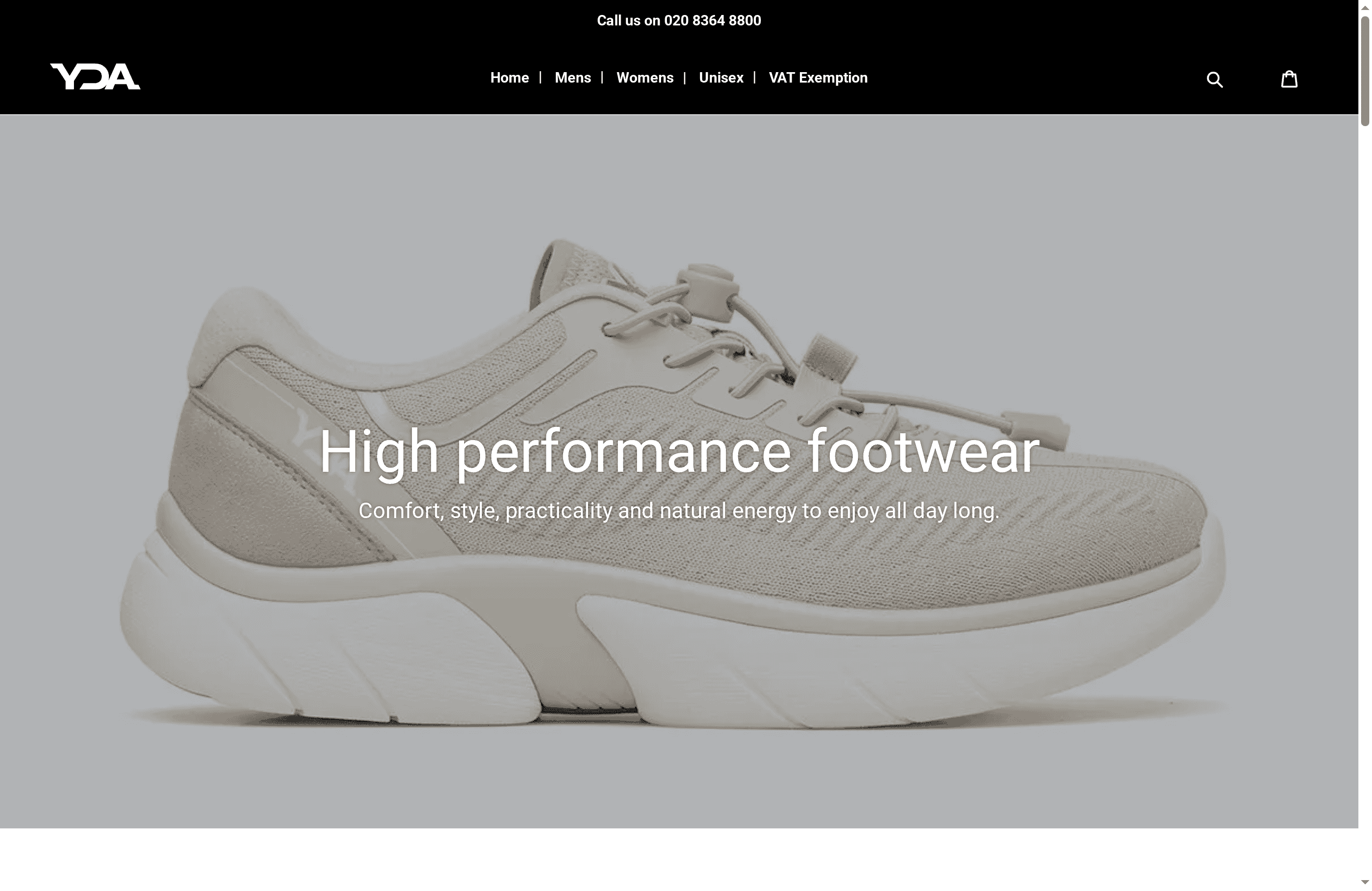
Take the first step towards healthier feet today by browsing our latest innovations at https://ydauk.com and check out our selection for women at Womens – YDA UK. Enjoy stylish designs paired with expert craftsmanship tailored to enhance your foot wellbeing and overall comfort. Don’t wait to give your feet the care and support they deserve.
Frequently Asked Questions
What are the key benefits of diabetic shoes?
Diabetic shoes provide essential protection for sensitive feet by preventing pressure points and improving circulation. To maximise foot health, ensure to select shoes that fit correctly and incorporate features like cushioned insoles and breathable materials.
How do orthopaedic shoes help with foot pain?
Orthopaedic shoes are designed to provide biomechanical support, alleviating pressure points and improving natural foot alignment. Consult with a podiatrist to find shoes tailored to your specific foot structure for optimal relief.
What features should I look for in energy-return trainers?
When selecting energy-return trainers, focus on shoes made with responsive materials that absorb impact and return energy efficiently. For the best results, choose trainers suited to your specific physical activity to enhance your performance.
Why are wide-fit shoes important for foot health?
Wide-fit shoes help reduce pressure points and prevent injuries by allowing for natural foot expansion. Always have your feet properly measured to ensure the best fit and increased comfort for broader foot sizes.
What are the benefits of shock-absorbing soles in footwear?
Shock-absorbing soles minimise repetitive impact stress on your joints and muscles during various physical activities. Ensure your shoes have these soles to improve comfort and protect against potential injuries.
How do posture-correcting shoes enhance body alignment?
Posture-correcting shoes support your body’s natural alignment, helping to prevent musculoskeletal strain. Gradually transition to these shoes to allow your body time to adapt for the best benefits.
Recommended
- 7 Key Benefits of Foot Health Shoes for Everyday Comfort – YDA UK
- 7 Examples of Stylish Footwear for Foot Health and Comfort – YDA UK
- 7 Essential Footwear Selection Tips for Healthy Feet – YDA UK
- Footwear Technology Explained: Comfort and Performance – YDA UK
- Flip-Flops Cockpit View - Aviator Style | Bequem & Langlebig