
Neuropathy Footwear: Improving Comfort for Diabetics
Over 50 percent of people living with diabetes develop peripheral neuropathy, making every footwear choice a crucial decision. For british and international communities alike, finding shoes that balance style, high performance, and proven protection is not just about fashion but about daily health. Here you will discover how the right neuropathy footwear can reduce injury risks, provide relief, and support active, confident living for diabetic individuals everywhere.
Table of Contents
- Defining Neuropathy Footwear And Its Purpose
- Key Types Of Neuropathy Footwear Available
- Essential Features For Diabetic Foot Health
- How Neuropathy Footwear Supports Daily Life
- Challenges And Mistakes When Choosing Shoes
Key Takeaways
| Point | Details |
|---|---|
| Neuropathy Footwear Purpose | Designed for individuals with peripheral nerve damage, these shoes prioritise protection and support to prevent injuries. |
| Key Features | Essential attributes include extra depth, seamless interiors, and breathable materials to enhance foot health. |
| Types of Footwear | Options range from orthopedic shoes to sport sandals, each catering to varying levels of activity and comfort needs. |
| Selection Mistakes | Common errors include incorrect sizings and overlooking critical design elements, which can significantly impact foot health. |
Defining neuropathy footwear and its purpose
Neuropathy footwear represents a specialised category of shoes designed specifically for individuals experiencing peripheral nerve damage, particularly those with diabetes. These unique shoes are engineered to provide comprehensive protection and support for feet vulnerable to sensory complications. Protecting feet with adaptive design becomes crucial when nerve damage compromises natural pain perception and increases injury risks.
The primary purpose of neuropathy footwear extends beyond standard shoe functionality. These shoes are meticulously crafted to accommodate the specific challenges faced by individuals with reduced foot sensation. Preventing potential foot injuries is paramount, as people with peripheral neuropathy cannot rely on pain signals to alert them to potential damage or pressure points.
Key design features of neuropathy footwear typically include:
- Extra depth to reduce pressure on sensitive areas
- Seamless interior construction to minimise friction
- Soft, breathable materials that prevent skin irritation
- Supportive insoles that distribute weight evenly
- Wide toe boxes to prevent compression
By integrating advanced biomechanical principles, these specialised shoes help mitigate risks associated with diabetic foot complications. They provide a protective barrier between vulnerable feet and external environments, reducing the likelihood of ulcers, infections, and other serious medical concerns.
Expert Tip: Always consult a podiatrist or diabetes specialist when selecting neuropathy footwear to ensure the most appropriate fit and protection for your specific foot health needs.
Key types of neuropathy footwear available
Neuropathy footwear encompasses several specialised types designed to address the unique needs of individuals with reduced foot sensation. Exploring adaptive footwear options reveals a diverse range of solutions tailored to different lifestyle and comfort requirements. These footwear variations are carefully engineered to provide maximum protection and support for vulnerable feet.
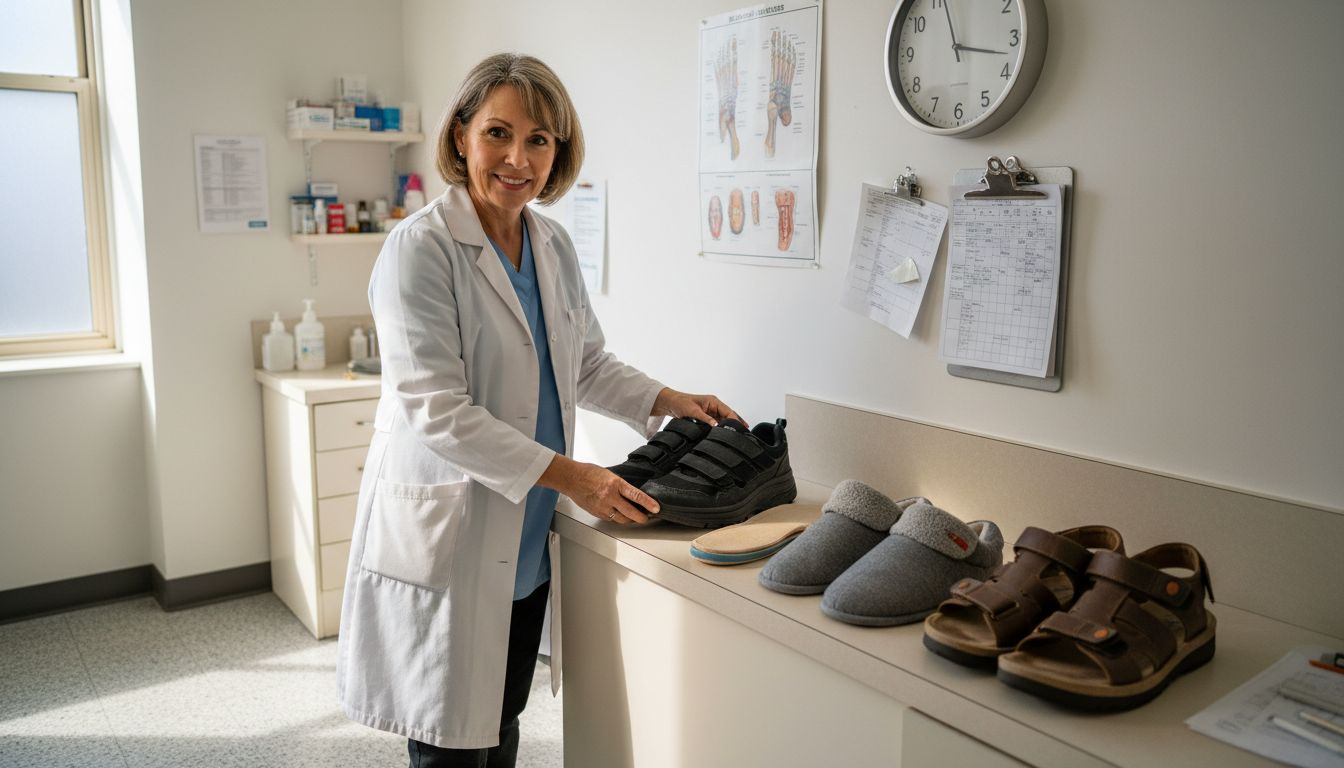
The primary categories of neuropathy footwear include orthopedic shoes, adaptive sandals, therapeutic slippers, and specialised walking shoes. Orthopedic shoes stand out as the most comprehensive option, featuring extra depth, seamless interiors, and custom-fit designs that minimise pressure points. Understanding diabetic shoe characteristics becomes crucial for individuals seeking optimal foot protection.
Specific types of neuropathy footwear offer unique benefits:
- Orthopedic Shoes: Maximum support and customised fit
- Sport Sandals: Breathable design for active individuals
- Therapeutic Slippers: Indoor comfort with gentle protection
- Waterproof Shoes: Enhanced protection in various environments
- Sheepskin Moccasins: Soft, pressure-reducing indoor footwear
Each footwear type addresses different aspects of foot protection, from reducing friction to providing temperature regulation and minimising injury risks. The selection depends on individual needs, activity levels, and specific neuropathy symptoms. Consulting with healthcare professionals can help determine the most appropriate footwear for specific conditions.
Below is a comparison of neuropathy footwear types and their ideal use scenarios for different lifestyles:
| Footwear Type | Best For | Typical Environment | Key Benefit |
|---|---|---|---|
| Orthopedic Shoes | Severe neuropathy cases | Work, outdoors, formal events | Maximum protection |
| Sport Sandals | Active individuals | Leisure, sport, warm climates | Comfort and breathability |
| Therapeutic Slippers | Home and indoors | Residential settings | Gentle daily support |
| Waterproof Shoes | Outdoor activities | Wet or variable settings | Injury prevention |
| Sheepskin Moccasins | Limited mobility indoors | Home, lounging | Soft interior cushioning |
Expert Tip: Always prioritise comfort, proper fit, and protection when selecting neuropathy footwear, and replace shoes regularly to maintain optimal foot health.
Essential features for diabetic foot health
Diabetic foot health demands specialised footwear with carefully considered design elements that protect vulnerable feet from potential complications. Advanced biomechanical insole technologies have revolutionised our understanding of pressure distribution and injury prevention for individuals with diabetes-related neuropathy.

Understanding diabetic-friendly shoe characteristics reveals several critical features essential for maintaining optimal foot health. These include seamless interior linings to prevent friction, extra depth to accommodate potential foot deformities, and materials that provide exceptional breathability and moisture management.
Key essential features for diabetic foot health encompass:
- Pressure Redistribution: Specialised insoles that evenly distribute body weight
- Breathable Materials: Moisture-wicking fabrics that prevent bacterial growth
- Soft Interior Padding: Minimises friction and reduces potential injury risks
- Adjustable Closures: Accommodates potential foot swelling
- Shock Absorption: Reduces impact during walking and movement
The intricate design of diabetic footwear goes beyond aesthetic considerations, focusing instead on creating a protective environment that supports compromised foot structures. Careful material selection, advanced biomechanical engineering, and precise fit become paramount in preventing potential complications associated with diabetic foot conditions.
Expert Tip: Replace diabetic footwear every 6-9 months or when visible wear appears, as deteriorating shoe structures can increase foot injury risks.
How neuropathy footwear supports daily life
Enhancing daily mobility for individuals with diabetes represents a critical aspect of managing neuropathy-related challenges. Specialised footwear provides more than simple protection, offering a comprehensive approach to maintaining independence and reducing potential health risks associated with compromised foot sensation.
Neuropathy footwear fundamentally transforms daily experiences by addressing multiple functional limitations. Assistive devices for improving personal independence demonstrate how carefully designed shoes can mitigate risks and support individuals in performing everyday activities with greater confidence and safety.
Key ways neuropathy footwear supports daily life include:
- Stabilising Movement: Reduces risk of unexpected falls
- Pressure Distribution: Prevents potential foot ulcers
- Sensory Protection: Compensates for reduced nerve sensitivity
- Mobility Enhancement: Improves walking comfort and range
- Injury Prevention: Shields vulnerable feet from potential damage
The psychological impact of specialised footwear should not be underestimated. By providing physical support and reducing anxiety about potential injuries, these shoes enable individuals to engage more fully in social, professional, and personal activities without constant worry about foot health complications.
Expert Tip: Regularly consult with healthcare professionals to ensure your neuropathy footwear continues to meet your evolving foot health requirements.
Challenges and mistakes when choosing shoes
Understanding diabetic shoe selection challenges requires careful consideration of multiple complex factors that extend far beyond standard footwear purchasing decisions. Individuals with neuropathy face unique obstacles when selecting appropriate footwear, where seemingly minor details can significantly impact foot health and overall comfort.
The most prevalent mistakes in neuropathy footwear selection involve overlooking critical design elements that protect vulnerable feet. Shoe shopping strategies for health-oriented footwear emphasise the importance of understanding individual foot characteristics and potential risk factors before making a purchase.
Common challenges and mistakes in shoe selection include:
- Incorrect Sizing: Choosing shoes that are too tight or too loose
- Ignoring Seam Placement: Selecting shoes with internal seams that cause friction
- Overlooking Cushioning: Purchasing shoes without adequate shock absorption
- Neglecting Material Quality: Choosing non-breathable or rigid materials
- Disregarding Foot Deformities: Using shoes that do not accommodate existing foot conditions
Navigating these challenges requires a comprehensive approach that prioritises foot health over aesthetic preferences. Professional guidance, careful measurement, and understanding individual foot requirements become crucial in selecting appropriate neuropathy footwear that genuinely supports long-term foot health and mobility.
To support readers, here’s a quick summary of major shoe selection mistakes and their health impacts:
| Common Selection Error | Potential Foot Health Impact | Prevention Tip |
|---|---|---|
| Incorrect shoe size | Increased risk of pressure sores | Always measure both feet professionally |
| Poor material choice | Heightened sweating, infections | Choose breathable, flexible materials |
| Absent shock absorption | Higher risk of foot pain | Seek shoes with cushioned insoles |
| Neglected foot deformities | Aggravation of existing conditions | Opt for custom or adaptive designs |
Expert Tip: Always have your feet professionally measured and evaluated by a podiatrist before purchasing specialised neuropathy footwear.
Discover Neuropathy Footwear Designed for Lasting Comfort and Protection
Living with neuropathy means facing unique challenges such as reduced foot sensation, increased risk of pressure sores, and the need for specialised shoes that offer true comfort and injury prevention. As highlighted in the article, features like seamless interiors, pressure redistribution, and breathable materials are not just luxuries but essentials for maintaining diabetic foot health and daily mobility.

Experience the perfect blend of style, advanced technology, and foot health benefits at YDA UK. Our collection focuses on innovative shoe designs incorporating the latest biomechanical principles and cushioning technologies that help stabilise movement and protect your feet. Don’t compromise when it comes to your foot care. Explore our range today to find footwear that supports your neuropathy needs with unmatched comfort and performance. Visit our home page now and take the first step towards safer, healthier feet.
Frequently Asked Questions
What are neuropathy footwear and their main purpose?
Neuropathy footwear is a specialised category of shoes designed for individuals with peripheral nerve damage, particularly diabetics. Their main purpose is to provide protection and support for sensitive feet, accommodating challenges like reduced sensation and increased risk of foot injuries.
What key features should I look for in neuropathy footwear?
When selecting neuropathy footwear, look for features such as extra depth, seamless interiors, soft breathable materials, supportive insoles for weight distribution, and wide toe boxes to prevent compression and irritation.
How does neuropathy footwear improve daily life for diabetics?
Neuropathy footwear enhances daily life by stabilising movement, redistributing pressure to prevent ulcers, protecting from sensory loss, and improving overall mobility, allowing individuals to engage in daily activities with greater confidence and reduced injury risk.
What are common mistakes to avoid when choosing neuropathy footwear?
Common mistakes include selecting incorrect shoe sizes, ignoring seam placements that may cause friction, overlooking cushioning, neglecting material quality, and disregarding existing foot deformities. It’s crucial to prioritise comfort and proper fit over aesthetics.