
Role of Footwear in Ulcer Prevention: Foot Health Matters
Finding supportive footwear that looks stylish and keeps your feet safe should not feel like a compromise for anyone living with diabetes or chronic foot issues. The risk of developing painful foot ulcers rises sharply when protective sensation or circulation drops, making prevention a critical daily concern. With modern advances in therapeutic shoe design and data-driven custom solutions, individuals worldwide now have access to evidence-based strategies that reduce ulcer risk while supporting comfort, health, and confidence.
Table of Contents
- Foot Ulcers and Their Prevention Essentials
- Types of Footwear for At-Risk Individuals
- Key Features of Protective and Therapeutic Shoes
- Technological Advancements in Foot Ulcer Prevention
- Orthoses, Inserts and Footwear Fitting Standards
- Adherence, User Challenges and Mistake Risks
Key Takeaways
| Point | Details |
|---|---|
| Regular Foot Screenings | Conduct regular foot examinations to identify potential issues early and minimise ulcer risk. |
| Specialised Footwear | Use properly fitted therapeutic and custom-made footwear to prevent pressure and protect vulnerable areas. |
| Patient Education | Engage in comprehensive education about foot care practices and adherence to treatment to enhance overall outcomes. |
| Technological Innovations | Leverage advancements in technology for personalised monitoring and adaptive footwear design in foot health management. |
Foot Ulcers and Their Prevention Essentials
Foot ulcers represent a serious health challenge, particularly for individuals with diabetes and compromised circulation. These painful open wounds can develop rapidly and lead to significant medical complications if not addressed promptly. Understanding their prevention requires comprehensive insight into risk factors, protective strategies, and proactive healthcare management.
The International Working Group on the Diabetic Foot guidelines highlight critical prevention strategies that are essential for minimising ulcer development. Key preventative approaches include regular foot screenings, identifying patients with reduced protective sensation, and assessing peripheral arterial disease risk. Medical professionals recommend systematic patient education focusing on several fundamental practices:
- Performing daily foot self-examinations
- Maintaining proper foot hygiene
- Avoiding walking barefoot
- Wearing appropriately fitted therapeutic footwear
- Managing underlying health conditions effectively
Neuropathy and reduced blood circulation significantly increase ulcer risk, making careful monitoring crucial. Patients with diabetes must pay special attention to skin temperature, sensation changes, and any emerging wounds. Therapeutic footwear plays a pivotal role in distributing pressure evenly and protecting vulnerable foot areas. Pressure reduction techniques recommended by medical experts involve selecting shoes with proper cushioning, accommodating orthotic inserts, and ensuring minimal friction against skin surfaces.
Pro Tip: Schedule a comprehensive foot assessment with a podiatrist at least twice annually to detect early warning signs and prevent potential ulcer development.
Types of Footwear for At-Risk Individuals
Individuals with diabetes and other foot-related health challenges require specialised footwear that goes beyond standard shoe design. Managing foot health demands strategic shoe selection to minimise ulcer risks and protect vulnerable areas. Custom-made diabetic footwear represents a critical intervention for preventing potential complications and maintaining foot integrity.
The primary categories of protective footwear include:
- Therapeutic Shoes: Specifically designed with extra depth and width to accommodate orthotics
- Custom Orthotic Footwear: Personalised shoes with specialised insoles addressing individual foot structures
- Pressure-Redistributing Shoes: Engineered to minimise stress points and reduce friction
- Wide Toe-Box Shoes: Providing additional space to prevent compression and potential wound formation
The International Working Group on the Diabetic Foot guidelines emphasises the importance of selecting footwear that offers comprehensive protection. Key considerations include proper fit, material flexibility, cushioning capabilities, and seamless interior construction. Patients should prioritise shoes that minimise pressure points, allow breathability, and support natural foot movement while preventing potential friction-related injuries.
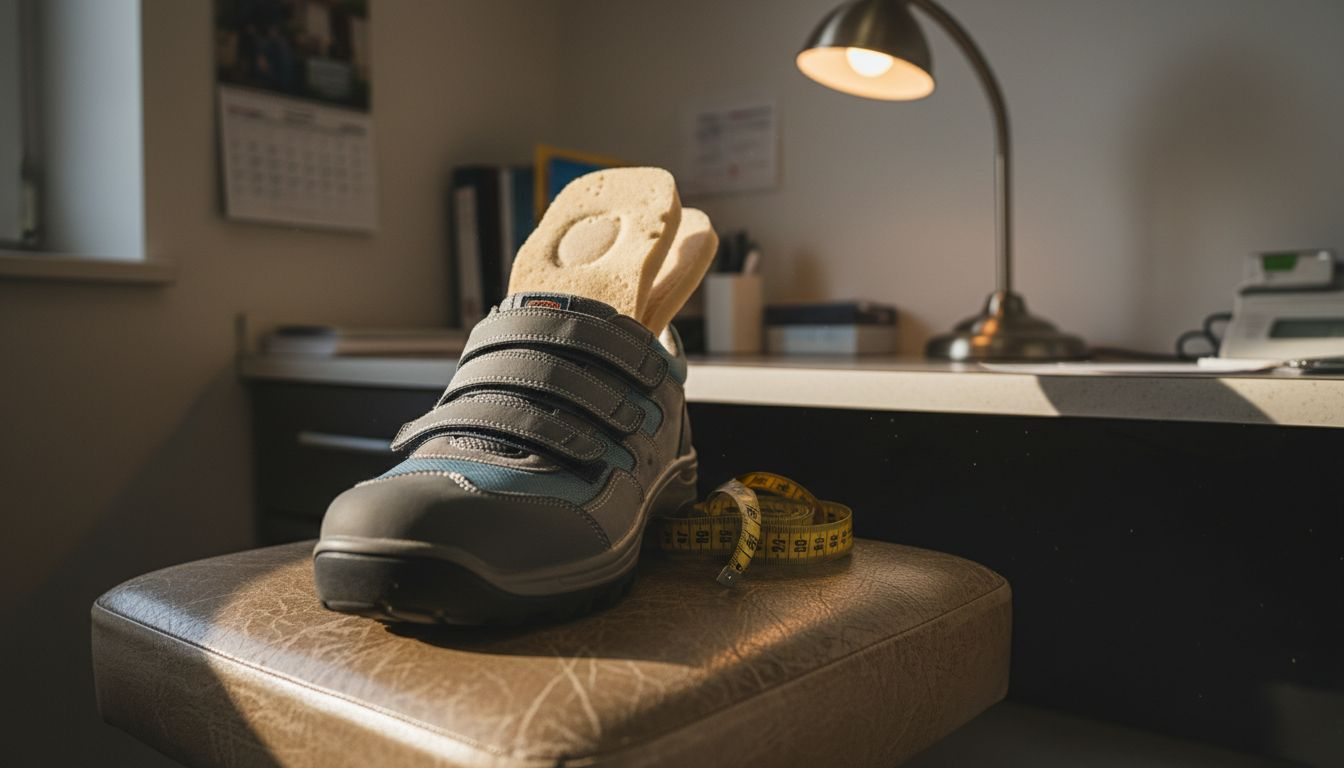
Footwear selection requires a multifaceted approach, combining medical professional recommendations with individual comfort requirements. Individuals with neuropathy or compromised circulation must work closely with podiatrists to identify shoes that provide optimal protection and support specific foot health needs.
Here is a summary comparing different types of specialised footwear for at-risk individuals:
| Footwear Type | Main Benefit | Typical User |
|---|---|---|
| Therapeutic Shoes | Accommodates orthotics and swelling | Diabetics, oedema cases |
| Custom Orthotic Footwear | Addresses unique foot structure | Complex deformities |
| Pressure-Redistributing | Reduces localised stress and friction | Neuropathy sufferers |
| Wide Toe-Box Shoes | Prevents compression and wounds | Bunions, wide feet |
Pro Tip: When purchasing specialised footwear, always request a professional fitting and bring your current orthotics to ensure maximum compatibility and comfort.
Key Features of Protective and Therapeutic Shoes
Protective and therapeutic footwear represents a sophisticated medical intervention designed to safeguard vulnerable feet from potential complications. Comprehensive pressure offloading techniques are fundamental in creating shoes that effectively prevent ulcer formation and support healing processes.
Critical features of protective footwear include:
- Pressure Redistribution: Advanced design that minimises stress on specific foot areas
- Customisable Insoles: Removable inner layers accommodating individual foot structures
- Enhanced Cushioning: Soft materials providing shock absorption and comfort
- Deformity Accommodation: Extra width and depth to prevent friction and compression
- Seamless Interior: Reducing potential irritation points
The structural requirements for therapeutic shoes extend beyond standard footwear design. Best practice guidelines emphasise the importance of precise fit, material flexibility, and biomechanical support. Shoes must provide stable foundation, allow natural foot movement, and incorporate specialised technologies that adapt to individual physiological needs.
Medical professionals recommend selecting footwear with secure fastening mechanisms, breathable materials, and sufficient room for orthotic interventions. The goal is creating a protective environment that simultaneously supports foot health and prevents potential injury risks.
Pro Tip: Invest in professional foot measurements and consult a podiatrist when selecting therapeutic footwear to ensure optimal fit and protection.
Technological Advancements in Foot Ulcer Prevention
The landscape of foot ulcer prevention has undergone remarkable transformation through cutting-edge technological innovations. Advanced data-driven footwear technologies are revolutionising how medical professionals approach foot health, offering unprecedented precision in preventing potentially devastating complications.
Key technological breakthroughs include:
- 3D Foot Mapping: Creating personalised digital foot models
- Pressure Sensor Integration: Real-time monitoring of foot stress points
- Machine Learning Customisation: Adaptive footwear design algorithms
- Smart Material Technologies: Dynamic pressure redistribution capabilities
- Biomechanical Analysis Systems: Comprehensive foot movement tracking
Novel manufacturing techniques are expanding the frontiers of protective footwear design. Innovative manufacturing methods such as selective laser sintering and fused deposition modeling enable the creation of lightweight, intricately structured insoles with superior pressure-relieving properties. These advanced techniques allow for unprecedented levels of customisation, ensuring that each pair of shoes can be precisely tailored to an individual’s unique foot anatomy.
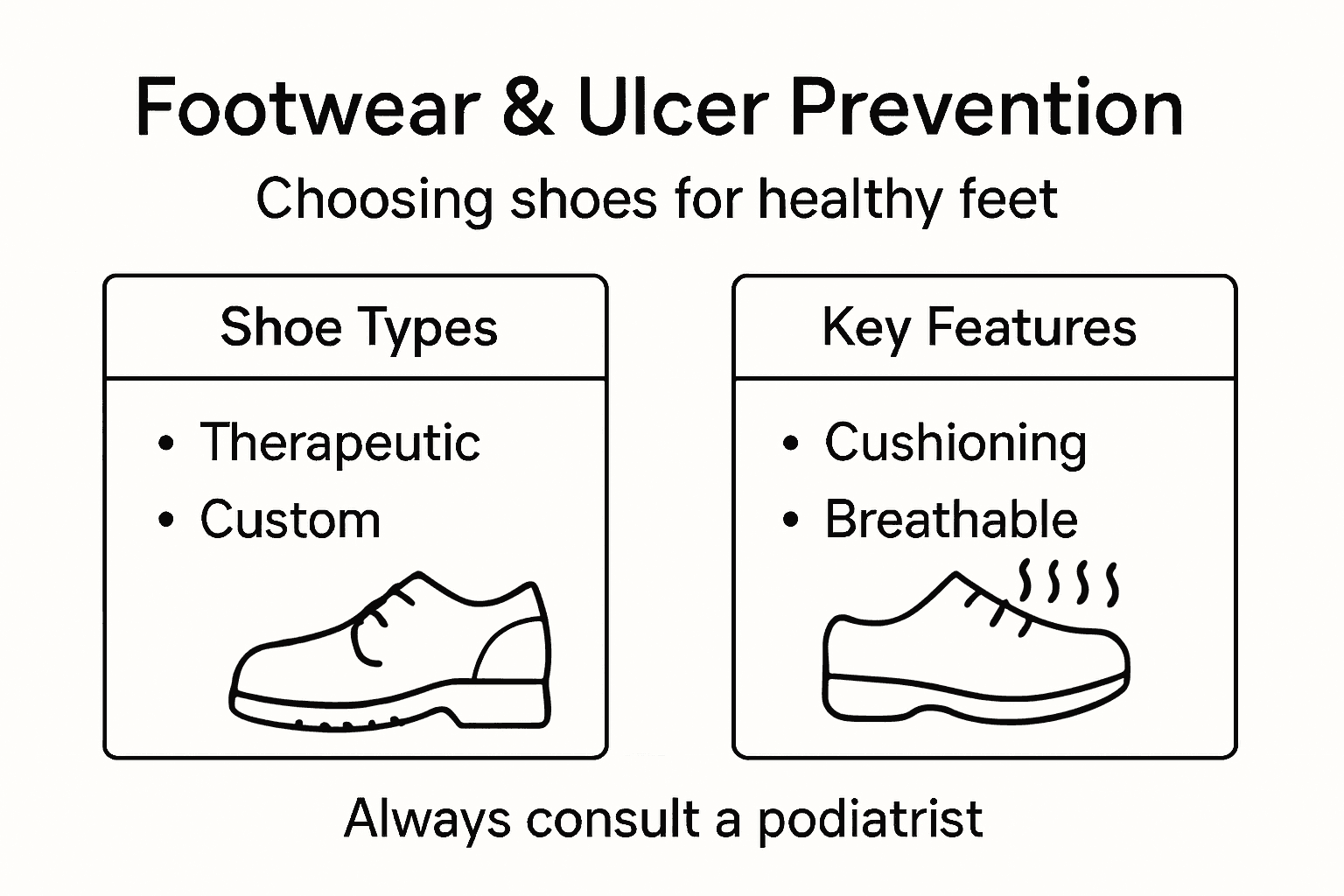
The convergence of biomechanical engineering, materials science, and digital technologies promises a future where foot ulcer prevention becomes increasingly personalised, predictive, and proactive. Emerging technologies are transforming therapeutic footwear from passive protection to active health management systems.
Pro Tip: Consider consulting technology-enabled podiatric specialists who can leverage advanced scanning and analysis tools for truly personalised foot health interventions.
The following table contrasts traditional and technology-enhanced prevention approaches for foot ulcers:
| Approach | Key Technique | Level of Personalisation |
|---|---|---|
| Traditional Preventive Care | Manual screening & advice | Generalised, patient-led |
| Technology-Enhanced | 3D mapping & sensors | Highly tailored, adaptive |
| Modern Orthotics | Pressure-based customisation | Precision-fit, dynamic |
Orthoses, Inserts and Footwear Fitting Standards
Navigating the complex world of orthotic solutions requires understanding the precise science behind personalised foot health interventions. Plantar pressure-based orthoses represent a sophisticated approach to preventing foot ulcers by creating custom solutions tailored to individual biomechanical needs.
Critical components of effective orthotic fitting include:
- Comprehensive Foot Mapping: Detailed digital assessment of foot structure
- Pressure Point Analysis: Identifying specific areas of mechanical stress
- Material Selection: Choosing appropriate cushioning and support materials
- Dynamic Fitting Techniques: Adjusting orthoses to accommodate natural foot movement
- Ongoing Biomechanical Monitoring: Regular reassessment of orthotic effectiveness
The International Working Group on the Diabetic Foot guidelines emphasise the critical nature of precise footwear fitting for patients with diabetes and foot-related vulnerabilities. Professional assessment involves more than simple measurement, requiring a holistic approach that considers individual foot anatomy, existing medical conditions, and potential pressure distribution challenges.
Successful orthotic interventions demand a multidisciplinary approach, combining podiatric expertise, advanced measurement technologies, and patient-specific biomechanical analysis. The goal extends beyond immediate comfort, focusing on long-term foot health prevention and ulcer risk mitigation.
Pro Tip: Request a comprehensive biomechanical assessment that includes dynamic pressure mapping when seeking orthotic solutions to ensure maximum personalisation and effectiveness.
Adherence, User Challenges and Mistake Risks
Navigating therapeutic footwear requires understanding the complex psychological and practical barriers patients encounter. Diabetic footwear adherence challenges reveal multiple interconnected factors that significantly impact patient compliance and foot health outcomes.
Primary barriers to consistent therapeutic footwear usage include:
- Aesthetic Concerns: Perceived lack of style or attractiveness
- Comfort Limitations: Potential discomfort during initial adaptation
- Financial Constraints: High costs of specialised footwear
- Psychological Resistance: Feeling stigmatised by medical interventions
- Lack of Understanding: Insufficient education about potential risks
The diabetic foot care research demonstrates that patient education represents a crucial intervention strategy. Healthcare professionals must develop comprehensive support systems that address not only physical requirements but also psychological barriers. This holistic approach involves personalised coaching, regular follow-ups, and technologies that enhance patient engagement and understanding.
Risk mitigation requires a multifaceted strategy addressing both technical and human factors. Patients need clear, consistent guidance about potential consequences of non-adherence, alongside practical strategies for integrating therapeutic footwear into daily life. Continuous monitoring, supportive technologies, and compassionate professional guidance can significantly improve long-term compliance.
Pro Tip: Request a personalised adherence plan from your healthcare provider that addresses your specific psychological and practical barriers to therapeutic footwear usage.
Protect Your Feet with Stylish, Health-Focused Footwear Today
Foot ulcers are a serious concern, especially for those facing challenges like diabetes or poor circulation. The article highlights how crucial therapeutic footwear is for pressure redistribution, cushioning, and preventing painful wounds. If you have experienced discomfort or worry about foot health, choosing the right shoes that combine medical-grade features with everyday comfort can transform your wellbeing.
Discover the innovative range at YDA UK, where style meets advanced foot health technology. From pressure-relieving designs to seamless interiors that reduce friction, these shoes are crafted to support your feet every step of the way. Don’t wait for complications — visit our collection now to find comfortable, performance-driven shoes tailored to your needs and protect your feet for the long term.
Frequently Asked Questions
What types of footwear are recommended for preventing foot ulcers?
Specialised footwear for preventing foot ulcers includes therapeutic shoes, custom orthotic footwear, pressure-redistributing shoes, and wide toe-box shoes. Each type offers specific benefits for at-risk individuals, balancing protection and comfort.
How can I ensure my therapeutic footwear fits properly?
To ensure proper fit, seek professional fitting from a podiatrist, bring your current orthotics, and consider your foot’s unique structure and any deformities. A precise fit is critical for maximising the protective benefits of your footwear.
What are the essential features of protective footwear?
Essential features of protective footwear include pressure redistribution, customisable insoles, enhanced cushioning, deformity accommodation, and a seamless interior to reduce irritation. These features work together to safeguard vulnerable feet.
How often should I consult a podiatrist for foot health management?
It is advisable to schedule a comprehensive foot assessment with a podiatrist at least twice a year. Regular check-ups can help detect early warning signs and prevent potential ulcer development.
Recommended
- Podiatrist Recommended Footwear: Lasting Comfort and Health – YDA UK
- What Are Diabetic Shoes? Complete Expert Overview – YDA UK
- Role of Footwear in Injury Prevention Explained – YDA UK
- Neuropathy Footwear: Improving Comfort for Diabetics – YDA UK
- Injury Prevention: Interview With Dr. Matthieu Sailly, Sports Physician At The Prix De Lausanne | Harlequin Floors