
Role of Footwear in Injury Prevention Explained
Over 60 percent of injuries during daily activities can be traced back to improper footwear choices. Footwear should do more than look good—it is vital for anyone wanting to stay active and pain free, whether you’re in a british city or training in the Australian outback. This quick guide unpacks how the right shoes combine style and advanced support to keep your feet healthy and help you avoid common injuries.
Table of Contents
- What Footwear Does For Injury Prevention
- Types Of Shoes For Different Needs
- Key Design Features And Technologies
- Footwear, Biomechanics, And Injury Risk
- Common Footwear Mistakes To Avoid
- Innovations And Personalised Footwear Solutions
Key Takeaways
| Point | Details |
|---|---|
| Footwear is Key for Injury Prevention | Well-designed shoes use biomechanical principles to reduce injury risks by absorbing shock and stabilising body alignment. |
| Select Appropriate Footwear for Activities | Different shoe types cater to specific biomechanical needs for various environments, enhancing performance and safety. |
| Be Aware of Common Footwear Mistakes | Avoid choosing shoes based solely on aesthetics and ensure proper fit to prevent potential injuries. |
| Consider Personalised Footwear Solutions | Tailored shoe designs using advanced technologies can address individual biomechanical requirements and improve foot health. |
What Footwear Does for Injury Prevention
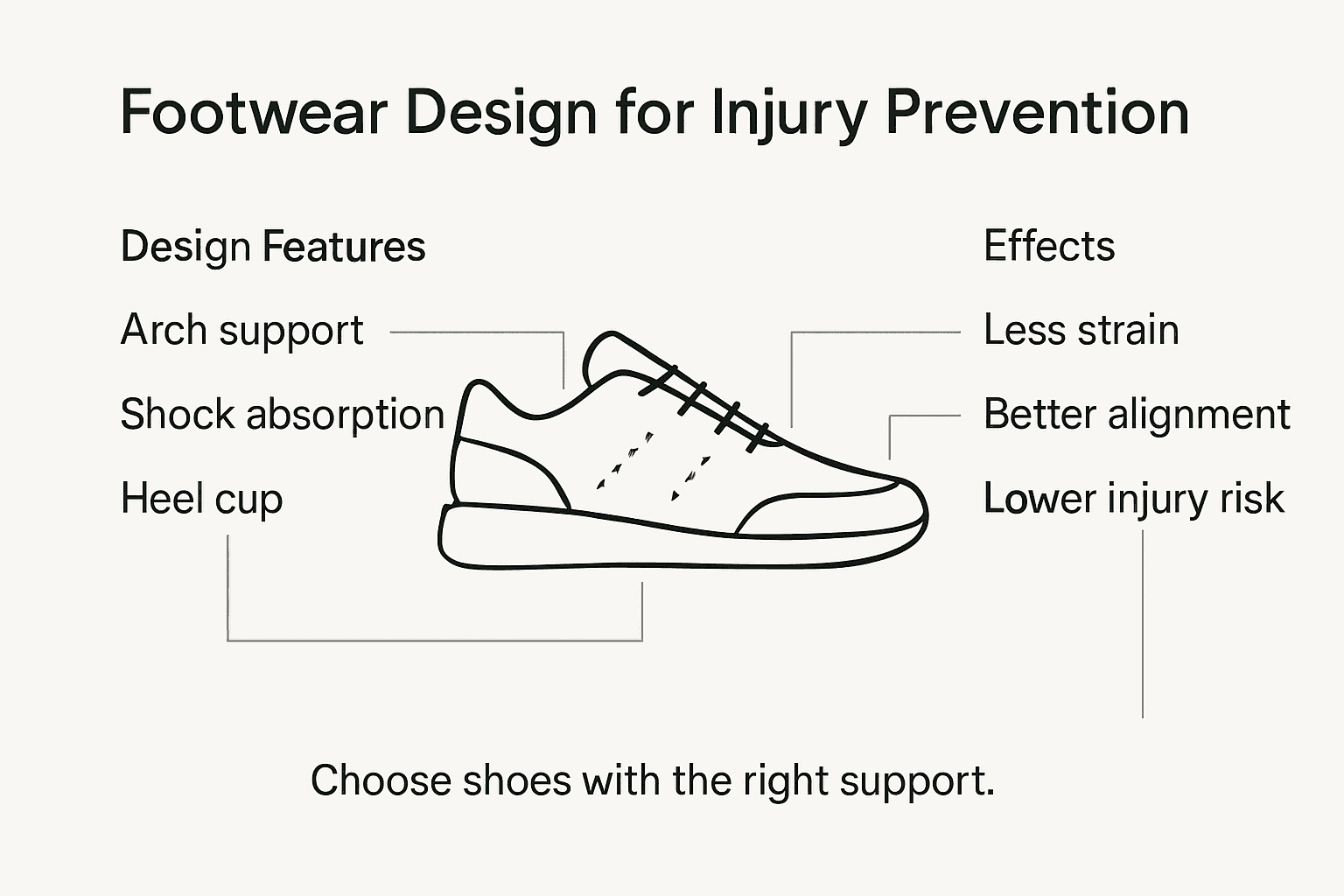
Footwear represents a critical line of defence against physical injuries, functioning far beyond simple aesthetic choices. By integrating advanced biomechanical principles, shoes actively work to protect and support the human musculoskeletal system during movement. Biomechanical research demonstrates that properly designed shoes can significantly reduce injury risks by managing shock absorption, stabilising body alignment, and providing targeted structural support.
The primary injury prevention mechanisms of footwear operate through several sophisticated pathways. Specialised shoe designs address specific biomechanical challenges by controlling motion, distributing pressure, and compensating for individual gait variations. These mechanisms help prevent conditions like stress fractures, plantar fasciitis, shin splints, and knee pain by minimising excessive joint stress and maintaining proper musculoskeletal alignment. Foot health research indicates that shoe selection should prioritise individual anatomical needs over purely aesthetic considerations.
Key injury prevention features in modern footwear include:
- Shock Absorption Technology: Reduces impact forces during walking and running
- Arch Support: Distributes body weight evenly and prevents overstretch of foot ligaments
- Heel Stabilisation: Controls lateral movement and prevents ankle rolling
- Cushioning Materials: Minimises stress on joints and reduces fatigue
Pro tip: Rotate between two pairs of supportive shoes to allow each pair adequate recovery time and maintain consistent foot protection.
Types of Shoes for Different Needs
Footwear selection is not a one-size-fits-all proposition, with specific shoe types designed to address unique biomechanical requirements across various activities and professional contexts. Occupational and sporting research demonstrates that different shoe types significantly influence gait, posture, muscle activity, and overall injury risk.
The primary categories of specialised footwear include work safety boots, athletic performance shoes, orthotic therapeutic shoes, and recreational footwear. Each category serves distinct purposes: work safety boots provide protection in hazardous environments, athletic shoes offer performance enhancement and injury prevention for specific sports, orthotic shoes address individual foot health challenges, and recreational shoes ensure comfort during leisure activities.
Key shoe types and their specific injury prevention characteristics include:
- Work Safety Boots: Reinforced toe protection, slip-resistant soles, ankle support
- Athletic Performance Shoes: Sport-specific cushioning, motion control, stability features
- Orthotic Therapeutic Shoes: Custom arch support, pressure redistribution, biomechanical correction
- Walking/Running Shoes: Shock absorption, heel stabilisation, lightweight design
- Occupational Shoes: Task-specific design for professions like nursing, construction, hospitality
Examples of foot health shoes can provide additional insights into selecting the right footwear for individual needs.
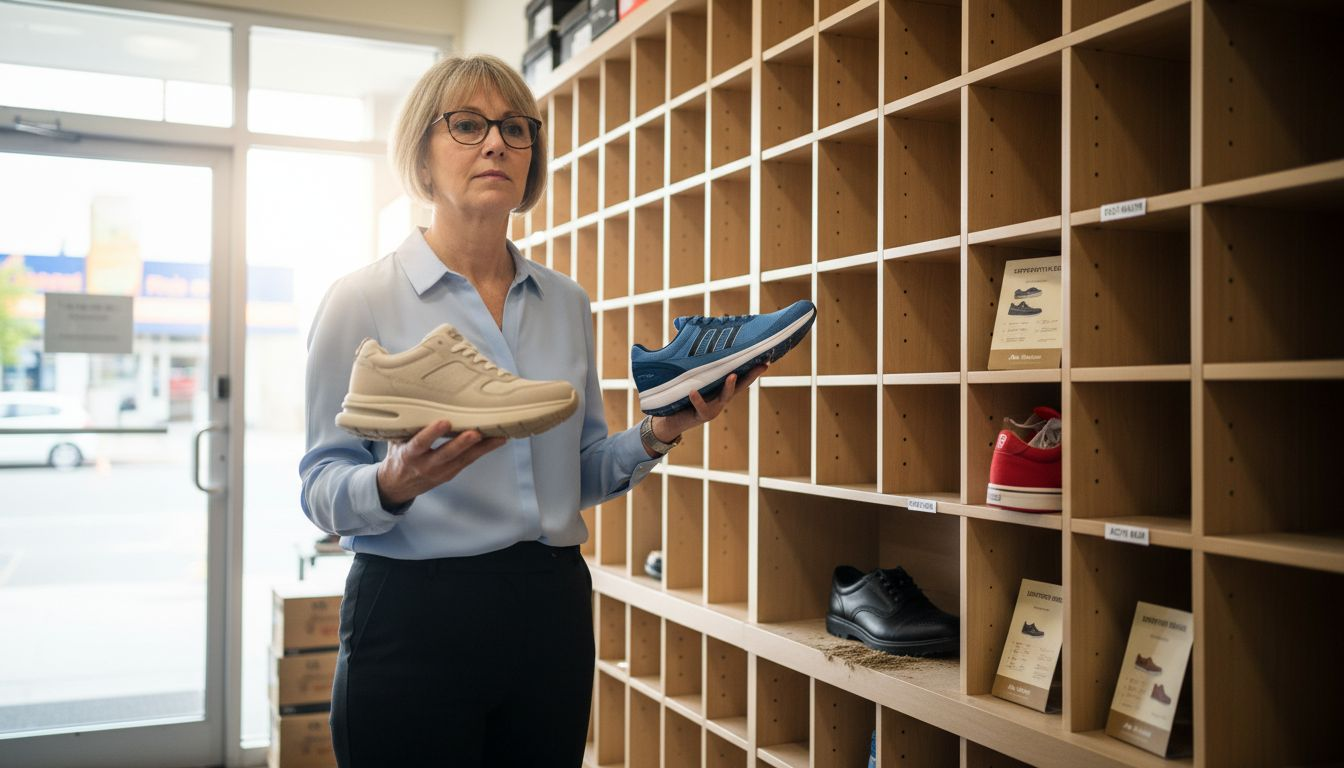
Here is a comparison of footwear categories and their target user groups:
| Shoe Type | Typical User | Unique Injury Prevention Benefit |
|---|---|---|
| Work Safety Boots | Construction workers | Protection from heavy impact and slips |
| Athletic Performance Shoes | Runners, athletes | Sport-specific shock absorption |
| Orthotic Therapeutic Shoes | Individuals with foot issues | Personalised biomechanical correction |
| Walking/Running Shoes | Everyday walkers, joggers | Reduces joint strain during daily use |
| Occupational Shoes | Nurses, chefs, hospitality | Endurance support for long standing hours |
Pro tip: Consult a podiatrist or biomechanics specialist to assess your unique foot structure and activity requirements before investing in specialised footwear.
Key Design Features and Technologies
Advanced biomechanical research on footwear design reveals that modern shoe technologies go far beyond simple comfort, serving as sophisticated injury prevention mechanisms. The integration of specialised materials and engineering principles creates footwear capable of actively mitigating biomechanical stress and protecting the human musculoskeletal system during complex movements.
Contemporary shoe design incorporates multiple sophisticated technologies aimed at reducing injury risks. These include advanced shock absorption systems using materials like ethylene-vinyl acetate (EVA) foam, strategically placed gel inserts, and dynamic air cushioning mechanisms. Each technology serves a specific purpose: distributing impact forces, reducing joint strain, and supporting natural foot biomechanics. Performance footwear studies demonstrate that these innovations can significantly lower peak loading rates and minimise cumulative stress on joints.
Key technological features in modern injury prevention footwear include:
- Adaptive Cushioning: Responsive materials that adjust to individual foot pressure
- Biomechanical Mapping: Targeted support zones based on foot anatomy
- Impact Dispersion Technology: Distributed shock absorption across entire sole
- Dynamic Stabilisation: Flexible support that moves with natural foot mechanics
- Pressure Redistribution Zones: Strategically designed areas to minimise stress points
Pro tip: Rotate between multiple pairs of technologically advanced shoes to allow materials to recover and maintain their protective biomechanical properties.
The following table summarises how modern footwear technologies interact with key biomechanics:
| Technology Feature | Biomechanical Effect | Impact on Injury Risk |
|---|---|---|
| Adaptive Cushioning | Reduces localised pressure | Lessens risk of stress fractures |
| Biomechanical Mapping | Supports foot anatomy | Improves joint alignment |
| Impact Dispersion Technology | Spreads impact force | Helps prevent soft tissue damage |
| Dynamic Stabilisation | Adapts to movement | Reduces likelihood of ankle injuries |
Footwear, Biomechanics, and Injury Risk
Biomechanical research on footwear reveals the intricate relationship between shoe design and human movement, demonstrating how sophisticated engineering can directly influence injury prevention. The complex interaction between footwear and the human musculoskeletal system involves nuanced mechanisms of force distribution, joint alignment, and movement efficiency that extend far beyond simple protection.
The relationship between biomechanics and injury risk is multifaceted, with footwear acting as a critical intervention point for mitigating potential damage. Scientific investigations suggest that running shoes and performance footwear can modify injury risks by altering fundamental movement patterns such as gait mechanics, foot strike forces, and overall joint loading. These modifications can potentially reduce the cumulative stress on muscles, tendons, and ligaments during repetitive physical activities.
Key biomechanical considerations in injury risk reduction include:
- Joint Alignment: Maintaining proper body positioning during movement
- Force Distribution: Spreading impact across larger surface areas
- Movement Efficiency: Reducing unnecessary muscular compensation
- Shock Absorption: Minimising direct trauma to bones and soft tissues
- Proprioceptive Feedback: Enhancing body’s awareness of movement and position
Footwear technology insights can provide additional understanding of these complex biomechanical interactions.
Pro tip: Conduct periodic biomechanical assessments with a professional to understand how your specific movement patterns interact with your current footwear.
Common Footwear Mistakes to Avoid
Research on footwear selection reveals that many individuals compromise their foot health by making critical errors when choosing and maintaining shoes. The most prevalent mistakes often stem from prioritising aesthetic appeal over functional requirements, leading to potential long-term musculoskeletal complications and increased injury risks.
Contemporary studies on running and athletic footwear demonstrate that misconceptions about shoe technologies can significantly impact injury prevention strategies. Consumers frequently make errors such as selecting shoes based on trends, ignoring individual biomechanical needs, or believing that expensive motion control technologies automatically guarantee protection.
Common footwear mistakes that increase injury risk include:
- Aesthetic-Driven Selection: Choosing shoes purely for looks
- Incorrect Sizing: Wearing shoes that are too tight or too loose
- Prolonged Usage: Continuing to wear shoes past their optimal performance period
- Ignoring Individual Biomechanics: Using generic shoes without considering personal movement patterns
- Neglecting Regular Shoe Assessments: Failing to evaluate shoe condition and fit periodically
Foot health shopping guidance can provide additional insights into making informed footwear choices.
Pro tip: Conduct an annual biomechanical assessment and shoe fitting to ensure your footwear continues to support your specific movement needs.
Innovations and Personalised Footwear Solutions
Emerging personalized footwear research reveals a transformative approach to injury prevention through tailored shoe design that addresses individual biomechanical needs. Modern manufacturing technologies now enable precise customisation of midsole characteristics, outsole profiles, and support structures, moving far beyond traditional one-size-fits-all shoe production.
Functional footwear individualization studies demonstrate sophisticated approaches to biomechanical adaptation through footwear. These innovations involve comprehensive assessments that consider factors such as foot morphology, movement patterns, activity levels, and historical injury profiles to create shoes that actively mitigate potential health risks.
Key innovations in personalised footwear solutions include:
- 3D Foot Scanning: Capturing precise foot geometry for custom fitting
- Dynamic Pressure Mapping: Analysing individual movement and load distribution
- Adaptive Material Technologies: Shoes that respond to changing biomechanical conditions
- Predictive Injury Risk Algorithms: Machine learning models identifying potential movement-related risks
- Modular Design Components: Interchangeable support and cushioning elements
Key footwear innovations for 2025 can provide further insights into emerging technologies.
Pro tip: Invest in a professional biomechanical assessment that includes comprehensive foot analysis to unlock truly personalised footwear solutions.
Discover Footwear That Truly Prevents Injury and Supports Your Feet
Proper footwear is essential to reduce injury risk and improve your foot biomechanics as detailed in the article. Many struggle with common problems like lack of shock absorption, poor arch support, and inadequate heel stabilisation that increase discomfort and long-term damage. At https://ydauk.com, we offer a carefully curated range of technologically advanced shoes designed with these challenges in mind. Our collection balances style, comfort, and scientifically backed features such as adaptive cushioning and biomechanical mapping to keep you moving safely every day.
Take control of your foot health today by exploring our innovative selections at YDAUK. Benefit from the latest YDA Technology that aligns perfectly with injury prevention principles to protect your feet throughout the day. Don’t wait until pain or injury slows you down. Visit https://ydauk.com now and find your perfect pair built for performance, comfort, and well-being.
Frequently Asked Questions
What are the main functions of footwear in injury prevention?
Footwear primarily provides shock absorption, stabilises body alignment, and supports the musculoskeletal system, helping to reduce the risk of injuries such as stress fractures and knee pain.
How do different types of shoes affect injury risk?
Different shoe types are designed for specific activities and biomechanical needs. For example, work safety boots offer toe protection and slip resistance, while athletic shoes provide sport-specific cushioning and support.
What key features should I look for in injury-preventive footwear?
Look for shock absorption technology, arch support, heel stabilisation, and cushioning materials, as these features minimise joint stress and enhance comfort during movement.
How can I ensure my shoes fit properly for injury prevention?
To ensure proper fit, avoid aesthetic-driven selection, choose the correct size, and consider individual biomechanics. Regular shoe assessments and consultations with a podiatrist can also help ensure your footwear continues to meet your specific needs.