
How Shoes Impact Energy – Boosting Comfort and Health
Every british runner, walker, or worker knows that the right footwear can make or break your day. With research showing that up to 65 percent of walking energy can be conserved through efficient biomechanics, the connection between shoe choice and energy use is impossible to ignore. Whether you are training for a marathon or just aiming to ease daily fatigue, discovering how footwear supports natural movement unlocks smarter choices for comfort, stamina, and overall performance.
Table of Contents
- Understanding Energy In Human Movement
- The Role Of Footwear In Energy Efficiency
- Types Of Shoes Affecting Energy Use
- Biomechanics: How Shoes Influence Fatigue
- Choosing Footwear For Optimal Energy
Key Takeaways
| Point | Details |
|---|---|
| Energy Conversion in Movement | Human locomotion relies on converting stored potential energy into kinetic energy, maximising movement efficiency through biomechanics. |
| Footwear’s Role in Performance | Proper footwear enhances energy efficiency by supporting natural movement patterns and reducing muscle strain during physical activities. |
| Design Influences on Energy Use | Different shoe types, such as minimalist and performance shoes, significantly impact energy expenditure by optimising biomechanics. |
| Selecting Optimal Footwear | Choosing the right shoes involves considering weight, midsole technology, and biomechanical alignment to reduce energy loss and enhance performance. |
Understanding Energy in Human Movement
Movement represents a complex interplay of biological systems, where energy transfer becomes a sophisticated dance between potential and kinetic forces. At its core, human locomotion involves an intricate mechanism of energy conversion that transforms stored potential energy into dynamic movement. Walking utilises a remarkable double pendulum mechanism, where leg muscles strategically alternate between supporting body weight and generating forward momentum.
The human body operates as an extraordinarily efficient energy management system. Skeletal muscles play a pivotal role in this process, consuming and converting energy through sophisticated biochemical pathways. Muscles store energy in creatine phosphate and glycogen, enabling rapid glucose conversion that supports sustained physical activity. This intricate energy storage and release mechanism allows individuals to move with remarkable efficiency, transforming biochemical potential into mechanical work.
Understanding energy transfer in human movement requires recognising the body’s biomechanical design. Our musculoskeletal system functions like a complex machine, converting chemical energy into mechanical motion through precise muscular contractions. Each step involves multiple energy transformations:
- Potential Energy Storage: Muscles and connective tissues accumulate energy before movement
- Kinetic Energy Generation: Muscular contractions transform stored energy into motion
- Energy Conservation: Approximately 65% of energy is conserved during walking through efficient biomechanical design
This sophisticated energy management highlights why choosing appropriate footwear becomes critical. Shoes that support natural movement patterns can enhance energy efficiency, reduce muscular strain, and optimise biomechanical performance during everyday activities.
The Role of Footwear in Energy Efficiency
Footwear represents far more than a simple protective covering for our feet; it plays a critical role in optimising human movement efficiency. Sport shoes can fundamentally influence the energetics of human locomotion, strategically designed to maximise energy return and minimise unnecessary energy expenditure. The sophisticated engineering behind modern footwear focuses on reducing shoe mass and selecting appropriate midsole materials that transform how we move.
Modern footwear technologies have revolutionised our understanding of biomechanical performance. Energy efficiency in shoes is not just about comfort, but about creating a synergistic relationship between human physiology and mechanical design. Different shoe components work together to manage impact, distribute weight, and support natural movement patterns. Comprehensive footwear technology guides explore how advanced materials and structural designs contribute to reducing muscular fatigue and optimising energy transfer.
The key elements that contribute to footwear energy efficiency include:
- Midsole Composition: Advanced materials that absorb and return kinetic energy
- Structural Design: Shoes that support natural foot mechanics
- Weight Reduction: Minimising unnecessary mass to decrease energy expenditure
- Impact Management: Technologies that reduce shock and redistribute force
By understanding these critical factors, individuals can select footwear that not only provides comfort but actively enhances their physical performance. Intelligent shoe design transforms walking and running from a simple locomotion activity into an optimised energy management process.
Types of Shoes Affecting Energy Use
Athletic footwear represents a complex ecosystem of design innovations specifically engineered to optimise human movement and energy expenditure. Minimalist shoes demonstrate remarkable potential for improving running biomechanics, designed to closely approximate barefoot conditions while enhancing foot strength and natural movement patterns. These shoes strategically minimise interference with the foot’s inherent mechanical capabilities, promoting more efficient energy transfer during locomotion.
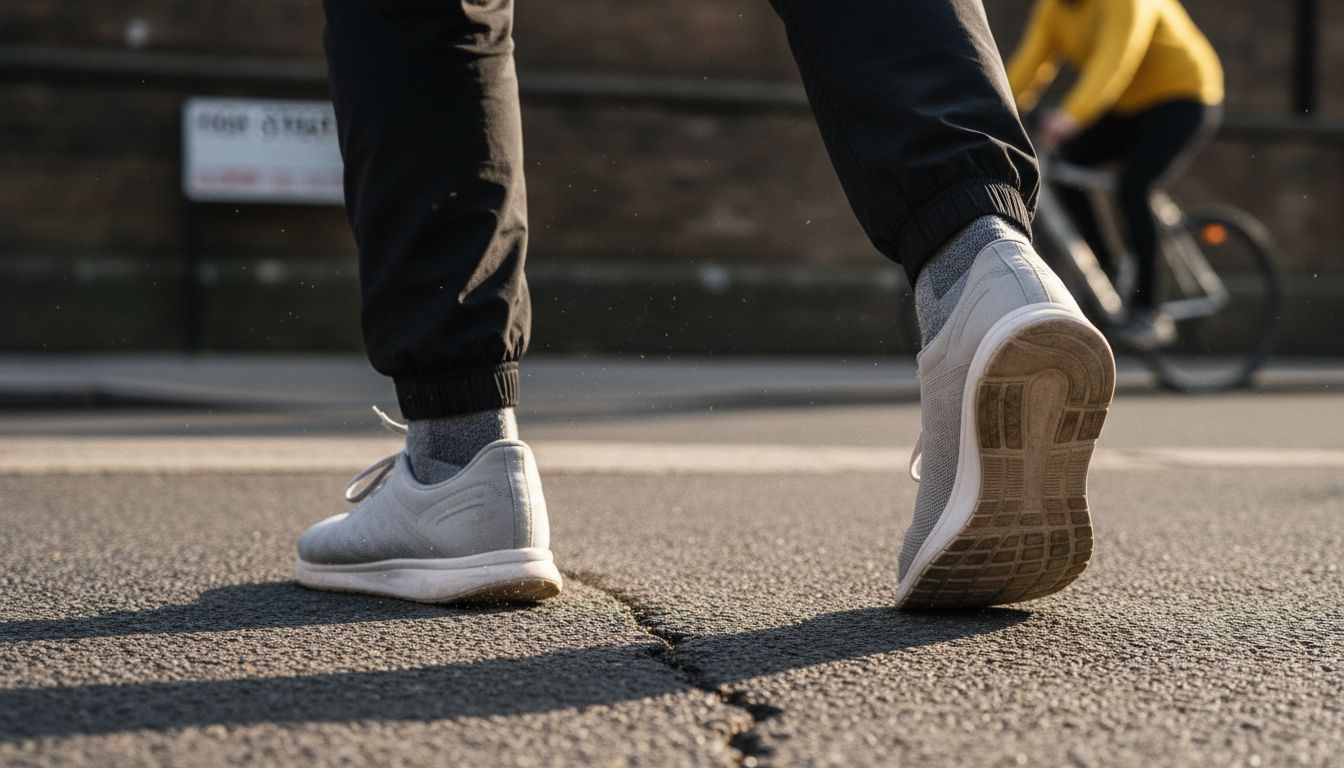
Different shoe categories significantly impact energy use through targeted technological interventions. Modern safety boots incorporate sophisticated energy return systems using responsive foams and advanced cushioned midsoles, specifically engineered to reduce worker fatigue by returning energy with each step. This innovative approach transforms footwear from a passive protective layer into an active performance-enhancing mechanism.
The primary shoe types influencing energy efficiency include:
- Minimalist Shoes: Designed to replicate natural foot mechanics
- Athletic Performance Shoes: Engineered for specific sport-related energy transfer
- Workplace Safety Footwear: Incorporating energy return technologies
- Orthopedic Support Shoes: Optimising biomechanical alignment
Comprehensive guides on lightweight shoe benefits further elaborate on how reduced shoe mass can dramatically decrease energy expenditure. By understanding these nuanced design principles, individuals can select footwear that not only protects their feet but actively contributes to their overall physical efficiency and performance.
Biomechanics: How Shoes Influence Fatigue
Biomechanical efficiency represents a complex interaction between human physiology and footwear design, where seemingly subtle elements can dramatically influence physical performance and energy expenditure. The human body operates as an intricate system of interconnected mechanisms, with shoes playing a critical role in managing muscular strain and reducing overall physiological stress during movement.
Safety boot designs demonstrate remarkable potential for mitigating worker fatigue through advanced energy return systems and strategic cushioning technologies. These innovations go beyond simple comfort, actively reducing leg and lower back strain by improving biomechanical energy efficiency during prolonged standing and walking. The sophisticated engineering transforms footwear from a passive protective layer into an active performance-enhancing mechanism.
The key biomechanical factors influencing fatigue through shoe design include:
- Shock Absorption: Reducing impact forces on joints and muscles
- Energy Return: Converting potential energy into forward momentum
- Structural Support: Maintaining proper alignment and reducing unnecessary muscular compensation
- Weight Distribution: Minimising localised pressure points
Comprehensive guides on performance shoe technologies reveal the intricate ways footwear can fundamentally transform human movement efficiency. By understanding these nuanced design principles, individuals can select shoes that not only protect their feet but actively contribute to reducing physical fatigue and enhancing overall performance.
Choosing Footwear for Optimal Energy
Energy efficiency in footwear represents a sophisticated intersection of biomechanical science and technological innovation. Selecting sport shoes that minimise energy loss requires understanding the intricate relationship between shoe design and human movement dynamics. The right footwear can transform walking and running from a basic locomotion activity into an optimised energy management process, dramatically reducing unnecessary physical expenditure.

The selection process involves evaluating multiple critical parameters that directly impact movement efficiency. Modern shoe technologies incorporate advanced materials and structural designs specifically engineered to reduce energy waste and support natural biomechanical patterns. These innovations go beyond simple cushioning, focusing on creating a symbiotic relationship between the foot, shoe, and ground contact.
Key considerations when choosing energy-efficient footwear include:
- Weight: Minimising shoe mass to reduce energy expenditure
- Midsole Technology: Selecting materials that return energy with each step
- Biomechanical Alignment: Ensuring proper foot positioning and support
- Activity-Specific Design: Matching shoe characteristics to intended movement patterns
Comprehensive guides on energy-efficient footwear provide deeper insights into selecting shoes that actively contribute to reducing physical strain. By understanding these nuanced design principles, individuals can transform their footwear from a passive protective layer into an active performance-enhancing tool that supports their body’s natural energy management systems.
Enhance Your Energy Efficiency with Advanced Footwear Solutions
The article reveals how critical the connection is between shoe design and energy management in everyday movement. Common challenges include unnecessary energy loss, muscular fatigue, and poor biomechanical alignment that can lead to discomfort and decreased physical performance. If you are looking to reduce fatigue and improve your natural motion, discovering the right footwear that supports optimal energy transfer is essential. At YDA UK, we specialise in offering a range of technologically advanced shoes that blend style with cutting-edge foot health innovations for superior comfort and energy efficiency.
Explore our selection of performance footwear designed to minimise energy waste through lightweight materials, innovative midsole technology, and biomechanical alignment support. Take control of your movement and experience the difference that scientifically crafted shoes can make. Visit YDA UK to view our collection and learn more about how harnessing specialised footwear technology can transform your daily comfort and activity levels. Act now to step into footwear that works as hard as you do.
Frequently Asked Questions
How do shoes affect energy efficiency during movement?
Footwear plays a critical role in optimising human movement efficiency by supporting natural movement patterns, reducing unnecessary energy expenditure, and enhancing energy return with advanced materials and designs.
What are the key features to look for in energy-efficient footwear?
When selecting energy-efficient footwear, consider factors like weight, midsole technology that maximises energy return, proper biomechanical alignment, and activity-specific design that matches the intended movement patterns.
How do different types of shoes impact physical fatigue?
Different shoe types, such as minimalist shoes, athletic performance shoes, and workplace safety footwear, utilise varying technologies that can significantly reduce muscular strain, improve shock absorption, and enhance overall biomechanical efficiency, thus mitigating fatigue.
Why is midsole composition important for energy transfer in shoes?
Midsole composition is crucial as advanced materials can absorb and return kinetic energy, facilitating a more efficient energy transfer process during movement, which helps in reducing the physical strain on the body while walking or running.
Recommended
- What Is Energy Efficient Footwear? Complete Guide – YDA UK
- 7 Key Benefits of Foot Health Shoes for Everyday Comfort – YDA UK
- Role of Footwear in Daily Comfort: Complete Guide – YDA UK
- Complete Guide to Why Choose Comfortable Shoes – YDA UK
- Κατανοώντας τα οφέλη στρωμάτων αφρού για την υγεία | Afrokoptiki