
Shoe Fit for Diabetics: Preventing Foot Complications
More than 80 percent of diabetic foot complications can be linked to shoes that do not fit properly. For those managing diabetes, choosing the right footwear is about much more than style or trends seen in British boutiques. Every step depends on protecting your feet against injury, infection, and decreased mobility. This guide brings helpful insights to empower diabetic individuals to prioritize shoe fit, comfort, and long-term health.
Table of Contents
- Defining Shoe Fit For Diabetic Health
- Impact Of Poor Fit On Diabetic Feet
- Essential Features Of Diabetic Shoes
- Risks Linked To Improper Footwear
- Choosing Footwear For Diabetes Management
Key Takeaways
| Point | Details |
|---|---|
| Importance of Shoe Fit | Properly fitted shoes are vital for diabetic individuals to prevent serious foot complications, ensuring comfort and support immediately upon wear. |
| Risks of Poor Fit | Ill-fitting shoes can lead to severe medical issues, including infections and amputations, due to decreased sensation and circulation associated with diabetes. |
| Essential Shoe Features | Diabetic shoes should include features like cushioned soles, seamless interiors, and adjustable fastenings to protect against foot injuries. |
| Professional Assessment | Regular professional foot measurements and assessments are recommended to ensure footwear continues to meet the changing needs of diabetic patients. |
Defining Shoe Fit for Diabetic Health
Shoe fit for diabetic individuals represents far more than basic comfort—it is a critical health intervention essential for preventing potentially devastating foot complications. Proper footwear can mean the difference between maintaining mobility and risking serious medical consequences. Comprehensive shoe selection demands precision and understanding of unique diabetic foot challenges.
Diabetic shoe fitting requires meticulous attention to specific anatomical considerations. Shoes must accommodate potential nerve damage, reduced circulation, and increased susceptibility to injury. This means selecting footwear with specific characteristics: ample toe room, seamless interior construction, soft leather materials, and cushioned nonskid soles. The goal is eliminating pressure points that could cause undetected wounds or ulcerations, which diabetic patients might not feel due to peripheral neuropathy.
The fitting process involves multiple critical steps beyond traditional shoe shopping. Patients should be measured while wearing their typical diabetic socks, ensuring precise sizing. The shoe must feel comfortable immediately—with no expectation of stretching or breaking in—and provide consistent support across the entire foot. Proper foot measurement techniques become paramount, focusing on width, length, and volume to prevent potential deformities or stress injuries.
Pro tip: Always have your feet professionally measured and assessed by a specialist who understands diabetic foot health, as standard shoe fitting techniques may not adequately address your unique requirements.
Impact of Poor Fit on Diabetic Feet
Diabetic patients face significant risks from poorly fitted footwear that extend far beyond simple discomfort. Diabetic foot complications can rapidly escalate from minor irritations to severe medical emergencies, potentially leading to life-altering consequences such as infections and amputations. The unique physiological challenges of diabetes—including reduced sensation, compromised circulation, and slower wound healing—make precise shoe fitting absolutely critical.
The mechanisms of foot damage from improper footwear are complex and multifaceted. Tight or ill-fitting shoes create pressure points that can cause unnoticed skin breakdown, especially in areas with reduced nerve sensitivity. These microscopic injuries become breeding grounds for potentially dangerous infections. Tight shoe risks are particularly pronounced for diabetic individuals, who may not immediately detect developing wounds due to peripheral neuropathy, a common diabetic complication that diminishes pain perception.
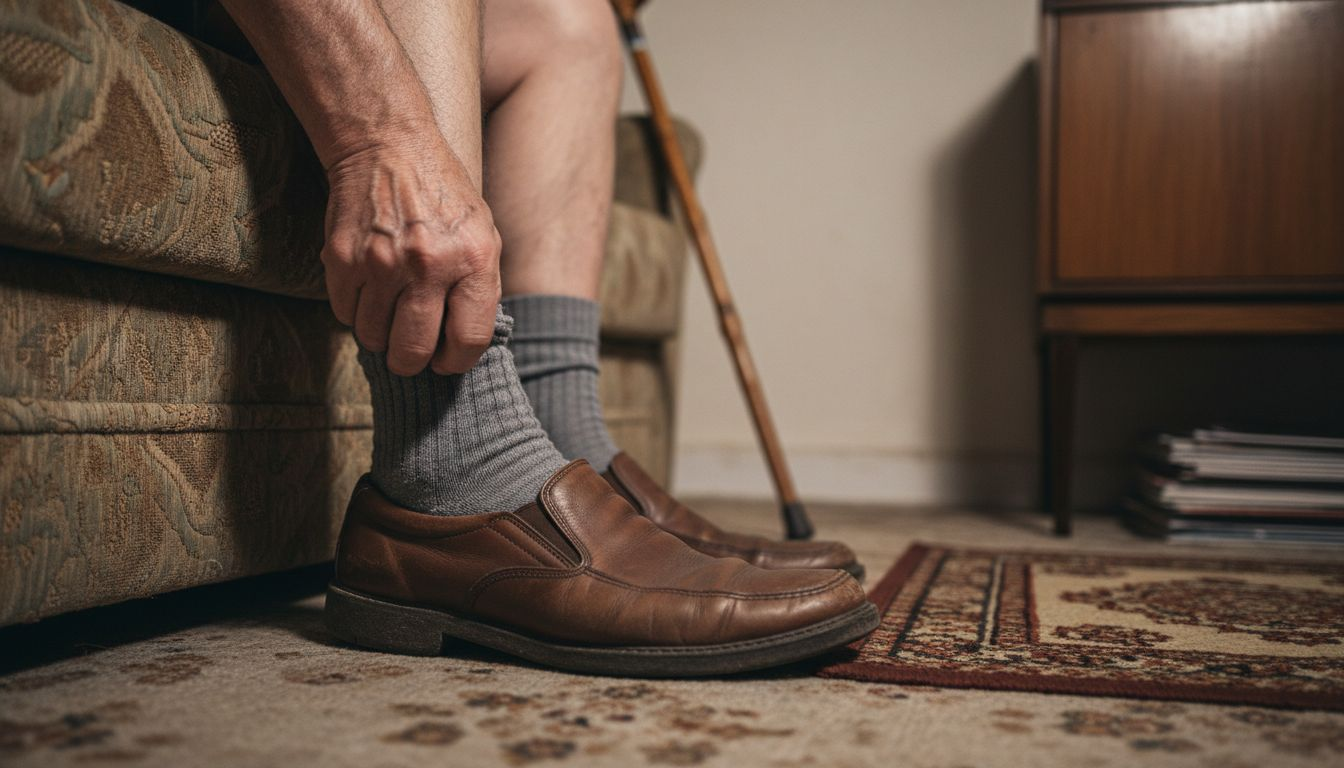
Understanding the potential consequences requires recognising specific risk factors. Diabetic patients are vulnerable to foot complications that include ulcerations, gangrene, and potential amputation. Shoes that pinch, rub, or create uneven pressure can transform minor irritations into serious medical challenges. The combination of reduced blood flow, compromised immune response, and diminished sensation creates a perfect storm for potentially devastating foot injuries that can progress rapidly without immediate intervention.
Here is a summary of common diabetic foot complications and their underlying causes:
| Complication | Typical Cause | Potential Outcome |
|---|---|---|
| Ulceration | Prolonged pressure points | Chronic wounds, infection |
| Gangrene | Poor circulation, tissue death | Risk of amputation |
| Blisters | Friction from tight shoes | Entry point for bacteria |
| Deformities | Ill-fitting footwear | Reduced mobility |
| Skin breakdown | Repeated microtrauma | Non-healing wounds |
Pro tip: Inspect your feet thoroughly after each wearing, using a mirror if necessary to check areas you cannot easily see, and immediately address any signs of redness, blisters, or skin changes.
Essential Features of Diabetic Shoes
Diabetic shoes represent a specialised category of footwear engineered with precision to address the unique physiological challenges faced by individuals managing diabetes. Diabetic shoe design goes far beyond aesthetic considerations, focusing instead on creating a protective environment that mitigates potential foot complications. These shoes are meticulously crafted to provide maximum protection, comfort, and support for vulnerable feet susceptible to neuropathy, poor circulation, and increased infection risks.
The core structural elements of diabetic shoes include several critical design features. They typically feature an extra-deep toe box to accommodate potential foot deformities, prevent friction, and reduce pressure points. Soft, cushioned interiors with seamless constructions minimise the risk of skin irritation, while removable orthotic inserts allow for customised support. The materials used are carefully selected—typically soft leather or breathable synthetic fabrics that reduce moisture and provide gentle, consistent support without creating additional stress on sensitive foot areas.
Beyond structural considerations, diabetic shoe technologies incorporate advanced protective mechanisms. Secure fastening systems like adjustable Velcro straps ensure a stable fit without causing constriction, while cushioned soles with shock-absorbing properties help distribute weight evenly. Some specialised designs include seamless inner linings, extra padding in high-pressure areas, and materials that actively manage moisture to prevent bacterial growth and potential infections. These features work synergistically to create a protective environment that supports foot health and reduces the risk of serious diabetic foot complications.
This table outlines the technologies used in diabetic shoes and their health benefits:
| Technology/Feature | Function | Health Benefit |
|---|---|---|
| Seamless inner lining | Reduces internal friction | Minimises skin irritation |
| Adjustable Velcro straps | Provides secure, bespoke fit | Prevents constriction injuries |
| Removable orthotic inserts | Enable custom support | Accommodates foot deformities |
| Shock-absorbing soles | Distributes foot pressure | Reduces risk of ulceration |
| Moisture-control fabrics | Manages internal humidity | Lowers infection risk |
Pro tip: When purchasing diabetic shoes, always try them on with the specific socks you typically wear and walk around to ensure complete comfort and proper fit.
Risks Linked to Improper Footwear
The consequences of wearing inappropriate footwear for diabetic individuals extend far beyond simple discomfort, representing a serious medical risk. Diabetic foot complications can transform seemingly minor shoe-related issues into potentially life-altering medical emergencies. Patients with diabetes face unique physiological challenges that magnify the impact of poorly fitted shoes, creating a complex landscape of potential health risks that demand meticulous attention and proactive management.
The primary risks associated with improper footwear stem from the neurological and vascular complications inherent to diabetes. Peripheral neuropathy diminishes sensation, meaning patients might not immediately detect developing injuries such as blisters, cuts, or pressure points. Foot injury risks can rapidly escalate from minor irritations to severe infections, potentially leading to hospitalisation or even amputation. The combination of reduced blood flow, compromised immune response, and diminished pain perception creates a perfect storm for potentially devastating foot complications.
Beyond immediate physical risks, inappropriate footwear can trigger a cascading series of health challenges for diabetic individuals. Repeated stress from ill-fitting shoes can cause skin breakdown, ulcerations, and chronic wounds that resist standard healing processes. These complications are particularly dangerous because they may develop silently, without the typical pain signals that would ordinarily prompt immediate medical intervention. The cumulative effect of consistent microtrauma from unsuitable footwear can progressively compromise foot structural integrity and overall mobility.
Pro tip: Schedule a professional foot measurement and consultation with a diabetes specialist at least twice annually to ensure your footwear continues to meet your changing physiological needs.
Choosing Footwear for Diabetes Management
Selecting appropriate footwear represents a critical component of comprehensive diabetes management, extending far beyond mere aesthetic considerations. Diabetic foot care guidelines emphasise the profound importance of strategic shoe selection in preventing potentially devastating foot complications. Diabetic patients must approach footwear as a medical intervention, understanding that each shoe represents a potential shield against serious health risks.
The selection process demands meticulous attention to specific design features that accommodate the unique physiological challenges of diabetes. Ideal diabetic footwear should incorporate several key characteristics: an expansive toe box to prevent pressure points, seamless interior construction to minimise friction, adequate depth to support potential foot deformities, and removable insoles that allow for custom orthotics. Diabetes foot protection strategies recommend prioritising shoes with secure closure systems like adjustable Velcro straps, which provide consistent support without creating constricting pressure zones.
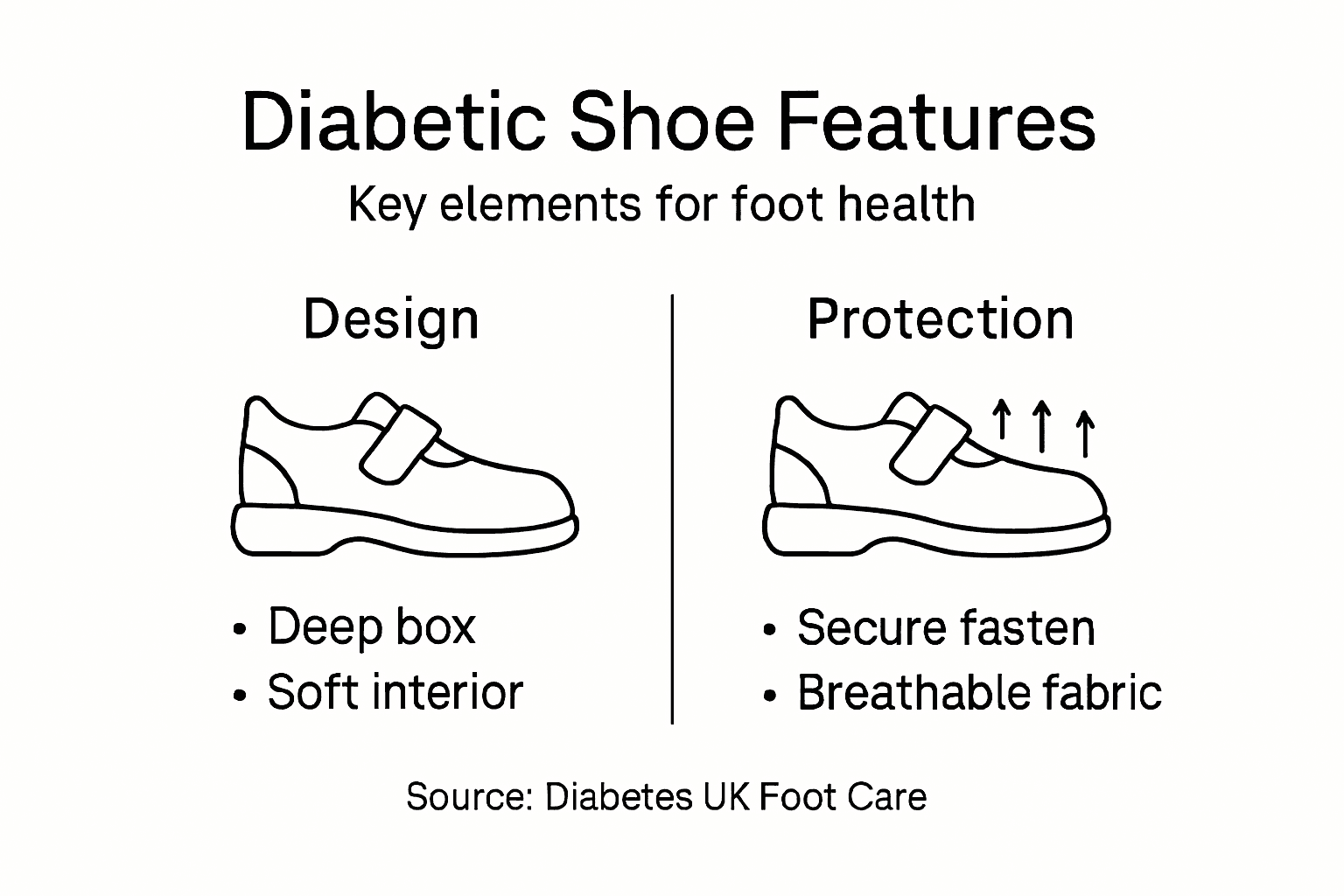
Beyond structural considerations, material selection plays a crucial role in diabetic foot protection. Shoes constructed from soft, breathable leather or advanced synthetic materials can help manage moisture, reduce friction, and provide consistent cushioning. The goal is creating a protective environment that actively mitigates risks associated with reduced sensation, compromised circulation, and increased vulnerability to infections. Patients should seek footwear that feels comfortable immediately, with no expectation of ‘breaking in’ or stretching, as even minor initial discomfort could signal potential injury risks.
Pro tip: Rotate between at least two pairs of diabetic-appropriate shoes to allow each pair to fully dry and recover its structural integrity between wearings.
Protect Your Feet with Properly Fitted Diabetic Footwear from YDA UK
Finding shoes that meet the unique needs of diabetic feet is essential to prevent serious complications like ulcerations and infections. The article highlights the importance of precise shoe fit, including features such as a wide toe box, seamless interiors, and cushioned soles that reduce pressure points and protect vulnerable skin. At YDA UK, we understand these critical factors and offer a carefully curated collection of shoes designed to prioritise comfort, foot health, and advanced support for those managing diabetes. Explore our Shoes – YDA UK range that combines thoughtful design with the latest footwear technology.

Don’t take risks with your foot health. Visit https://ydauk.com today and discover stylish, high-performance shoes that help safeguard your mobility and wellbeing. Browse our selection to find footwear that fits perfectly right away, provides stability, and supports your diabetic care needs. Take the step now to protect your feet with shoes built for your health and comfort.
Frequently Asked Questions
What are the key features to look for in diabetic shoes?
When selecting diabetic shoes, key features include an extra-deep toe box, seamless interior construction, soft materials like leather, cushioned non-skid soles, and removable orthotic inserts for custom support.
How can improperly fitting shoes affect diabetic individuals?
Improperly fitting shoes can create pressure points, leading to unnoticed skin breakdown, which can escalate to serious complications such as ulcerations, infections, and even amputations due to reduced sensation and circulation.
Why is professional fitting important for diabetic footwear?
Professional fitting is crucial as it ensures accurate measurements account for unique diabetic foot conditions and changes. A specialist can help assess your specific needs, ensuring comfort and proper support are achieved without pressure on sensitive areas.
How often should I get my diabetic shoes assessed or replaced?
It is recommended to have your diabetic shoes assessed at least twice a year. Regular assessments ensure that your footwear continues to meet your changing physiological needs and helps prevent complications linked to wear and tear.