
How to select the right orthopedic shoes: comfort and style
TL;DR:
- Orthopedic shoes are specially designed to support foot structure and reduce strain.
- Proper fit, support features, and personal comfort are key to selecting effective orthopedic footwear.
- Stylish options now combine advanced support with modern designs for everyday wear.
Finding shoes that genuinely support your feet without making you feel like you’ve sacrificed your personal style is a challenge millions of people face every day. Whether you’re dealing with plantar fasciitis, bunions, flat feet, or general fatigue after long hours on your feet, the pressure to choose between medical necessity and looking good is real. The good news is that you no longer have to pick one over the other. This guide walks you through everything you need to know, from understanding what orthopedic shoes actually are, to identifying your specific needs, selecting the right pair, and finding designs that work with your wardrobe.
Table of Contents
- Understanding orthopedic shoes: features and benefits
- Preparing to shop: identifying your needs and priorities
- Selecting the right pair: essential criteria for orthopedic shoes
- Style and technology: balancing aesthetics with advanced support
- What most guides overlook about choosing orthopedic shoes
- Explore stylish orthopedic shoe solutions from YDA
- Frequently asked questions
Key Takeaways
| Point | Details |
|---|---|
| Orthopedic shoe basics | Understanding core features helps you choose shoes that support foot health. |
| Assess personal needs | Identifying your individual requirements is key to finding the right pair. |
| Follow practical selection steps | Use fit, support and materials as critical criteria to ensure lasting comfort. |
| Style meets technology | Modern orthopedic shoes combine fashionable designs with advanced support. |
| Continuous comfort | Prioritising user experience ensures day-to-day comfort and satisfaction. |
Understanding orthopedic shoes: features and benefits
Orthopedic shoes are not simply wider or more cushioned versions of ordinary footwear. They are purpose-built to support the natural structure of your foot, redistribute pressure, and reduce strain on joints, tendons, and muscles. As noted in research on types of orthopedic shoes, orthopedic shoes feature support for various foot conditions, making them a practical choice for a wide range of people, not just those with diagnosed medical issues.
The difference between orthopedic and ordinary shoes comes down to specific design features. Standard shoes are often built around aesthetics first, with support added as an afterthought. Orthopedic shoes reverse that priority entirely.
Key features to look for include:
- Arch support: Structured insoles that follow the natural curve of your foot, reducing overpronation (rolling inward) or supination (rolling outward)
- Deep heel cup: Holds the heel in a neutral position to improve alignment from the ground up
- Wide toe box: Allows toes to spread naturally, reducing pressure on bunions or hammertoes
- Cushioned midsole: Absorbs impact with each step, protecting knees and hips over time
- Flexible yet stable sole: Bends at the ball of the foot, not in the middle, to support natural gait
- Adjustable fastenings: Velcro straps or wide lacing systems accommodate swelling and orthotics
For further context on how these features translate into real-world benefits, the guide on defining orthotic shoes offers a useful breakdown of the terminology and what each element actually does for your foot health.
| Feature | Orthopedic shoe | Ordinary shoe |
|---|---|---|
| Arch support | Structured, built-in | Minimal or absent |
| Toe box width | Wide, generous | Often narrow |
| Heel cup | Deep, stabilising | Shallow |
| Cushioning | Multi-layer, impact-absorbing | Basic padding |
| Adjustability | High (straps, wide lacing) | Limited |
| Sole flexibility | Controlled at ball of foot | Variable |
The benefits of wearing well-designed orthopedic footwear extend beyond immediate comfort. Regular wearers often report reduced lower back pain, less fatigue after walking, and fewer flare-ups of chronic foot conditions.
Pro Tip: Comfort should always come before appearance when trying a new pair. If a shoe feels slightly off in the shop, it will not improve with wear.
Preparing to shop: identifying your needs and priorities
Before you browse a single product page, it pays to understand your own feet. This sounds obvious, but most people skip this step entirely and end up buying shoes that look right but feel wrong within a few weeks.
Start with a proper foot measurement. Feet change shape with age, weight fluctuation, and pregnancy, so do not rely on a size you wore five years ago. Measure both feet (they are rarely identical) and shop for the larger one. Also note your arch type: flat, neutral, or high. A wet footprint test at home can reveal this quickly.
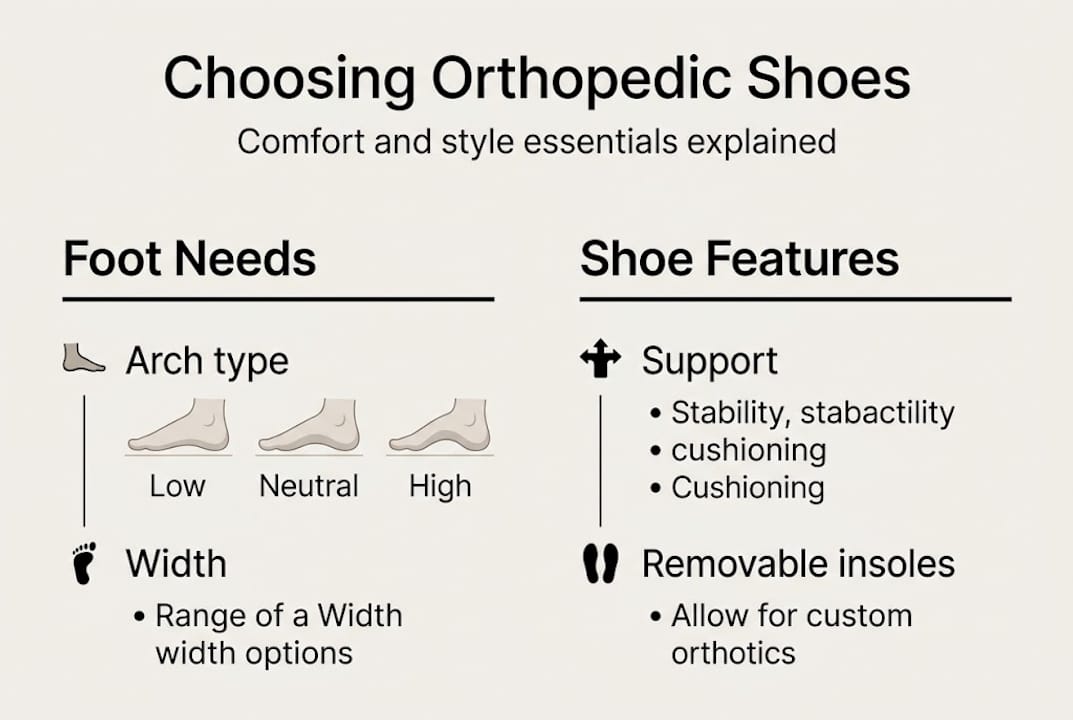
Different foot conditions genuinely require specific shoe features, as outlined in guidance on types of health oriented footwear. Matching your condition to the right design makes a significant difference in outcome.
| Foot condition | Recommended shoe features |
|---|---|
| Flat feet / overpronation | Motion control, firm arch support |
| High arches | Extra cushioning, flexible sole |
| Plantar fasciitis | Deep heel cup, firm arch support |
| Bunions | Wide toe box, soft upper materials |
| Diabetic feet | Seamless interior, pressure redistribution |
| Swollen feet | Adjustable fastenings, stretch uppers |
Here is a practical numbered process for identifying your needs before you shop:
- Measure both feet at the end of the day when they are at their largest
- Identify your arch type using the wet footprint method
- List any specific conditions or pain points you experience regularly
- Note your primary use case: daily errands, work, walking, travel
- Set a realistic budget that reflects the value of long-term foot health
The footwear selection guide from YDA UK offers additional structured advice for matching your profile to the right category of shoe. If you are uncertain about your foot type or have been dealing with persistent pain, a podiatrist assessment before shopping is well worth the investment.
Pro Tip: Bring your current orthotics or insoles when trying shoes. Many orthopedic styles are designed with removable insoles specifically to accommodate custom orthotics.
Selecting the right pair: essential criteria for orthopedic shoes
Now that you know what you need, the selection process becomes far more focused. Rather than browsing endlessly, you are evaluating specific criteria against your personal requirements.
As the shoe shopping process guidance confirms, proper selection impacts foot comfort and long-term health in ways that go well beyond immediate relief. Getting this right matters.
Follow these steps when evaluating any pair:
- Check the fit with your orthotics or thick socks in place
- Walk on a hard surface, not just carpet, to feel the true sole response
- Press the toe box to confirm at least a thumb’s width of space beyond your longest toe
- Flex the shoe at the ball of the foot. It should bend there, not at the arch
- Check the heel counter (the back stiffener). It should feel firm, not floppy
- Assess the weight. Lighter shoes reduce fatigue over long distances
Research consistently shows that over 70% of people who switch to properly fitted orthopedic footwear report a noticeable improvement in daily comfort within the first month. That figure reflects how significant the right fit really is.
Common mistakes to avoid:
- Buying for looks alone without checking structural support
- Choosing too small because you want a sleeker silhouette
- Ignoring break-in time for leather or structured uppers
- Skipping the heel check and ending up with a shoe that slips at the back
- Dismissing adjustability when your feet tend to swell throughout the day
For inspiration on what well-designed options look like in practice, browsing examples of orthopaedic shoes can help you visualise the range of styles available. And if you want a deeper understanding of why this investment pays off, the case for lasting foot health is well made with long-term evidence.
Style and technology: balancing aesthetics with advanced support
One of the most persistent myths about orthopedic shoes is that they look clinical or old-fashioned. That perception is now firmly outdated. Modern orthopedic shoes incorporate innovative materials and stylish designs that sit comfortably alongside contemporary fashion.
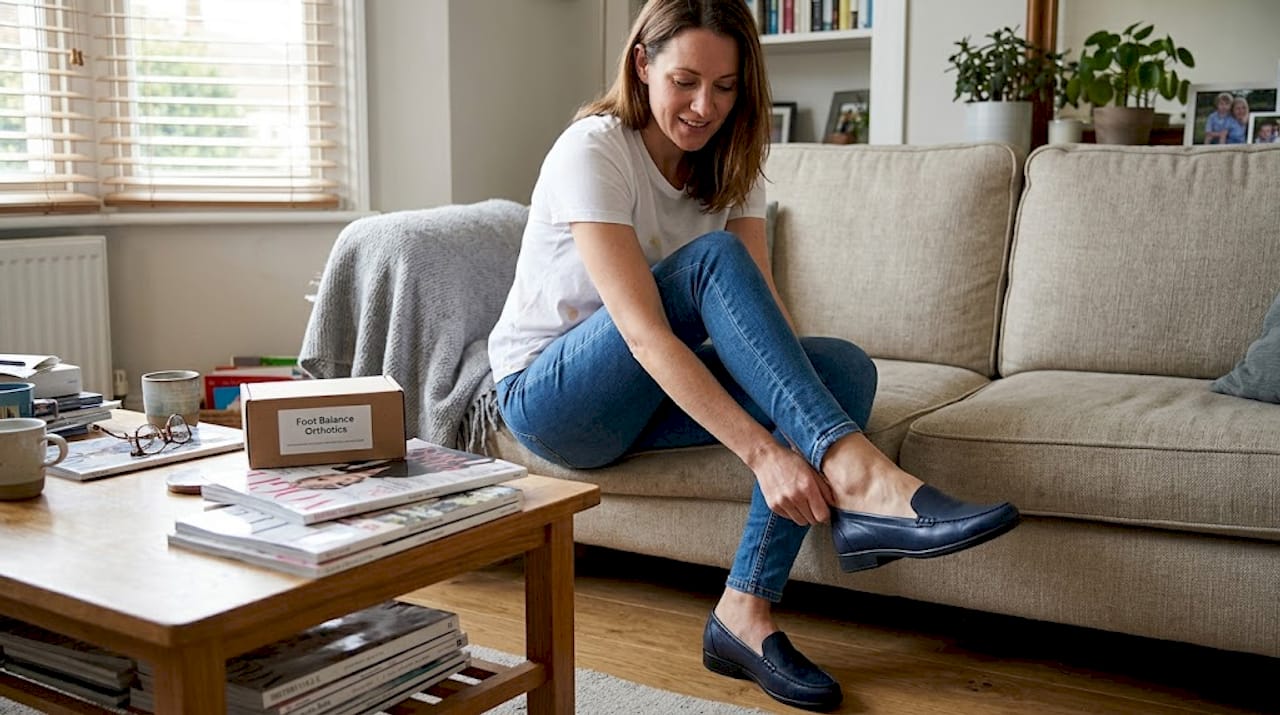
The shift has been driven by advances in materials science and manufacturing. Brands are now building support into sleek profiles rather than adding bulk to achieve it. The result is footwear that genuinely works for both a weekend walk and a smart-casual office environment.
Technology features now standard in quality orthopedic footwear include:
- Memory foam insoles: Mould to the shape of your foot over time for personalised cushioning
- Lightweight EVA (ethylene-vinyl acetate) midsoles: Provide shock absorption without adding weight
- Breathable mesh uppers: Reduce heat and moisture build-up during extended wear
- Anti-slip outsoles: Improve safety on wet or uneven surfaces
- Seamless interior linings: Eliminate friction points that cause blisters, particularly important for sensitive or diabetic feet
For those with an active lifestyle, the options for active lifestyle comfort have expanded considerably. Meanwhile, if you use custom orthotics, exploring orthotic-friendly footwear ensures your insoles work with the shoe rather than against it.
“When a shoe looks good and feels good at the same time, people wear it consistently. Consistent wear of supportive footwear is where the real health benefits accumulate.”
Pro Tip: Neutral tones such as white, grey, navy, and tan are the most versatile choices. They pair with the widest range of outfits and make it easier to get genuine daily use from a single pair.
Matching shoe style to your wardrobe does not require compromise. A structured walking shoe in a clean colourway works with jeans, chinos, and casual trousers. A supportive loafer or slip-on with a cushioned sole can transition from home to errands to a relaxed social setting without looking out of place.
What most guides overlook about choosing orthopedic shoes
Most buying guides focus heavily on features and specifications. They tell you what to look for in a sole or how to measure your arch. That information is useful, but it misses something important: the emotional dimension of footwear choice.
If you do not feel good in your shoes, you will not wear them consistently. And inconsistent wear means inconsistent benefit. The footwear selection guide touches on this, but it is worth stating plainly: orthopedic shoes should enhance your sense of self, not suppress it.
We have seen people invest in technically excellent shoes that sat in a cupboard because they felt dowdy or unfamiliar. The best orthopedic shoe is not the one with the most features. It is the one you actually put on every morning. That means finding a design you genuinely like, in a colour that works with your life, at a fit that feels natural rather than medicinal.
Prioritise your own experience. Foot health outcomes improve when people enjoy the process of wearing supportive footwear, not just when they endure it.
Explore stylish orthopedic shoe solutions from YDA
If this guide has helped clarify what you are looking for, the next step is finding footwear that brings it all together. YDA UK offers a carefully curated range of shoes for problem feet that combine genuine orthopedic support with designs you will actually want to wear.
From everyday walking shoes to smart-casual styles, each pair is built around the principles covered in this guide: proper arch support, cushioned soles, wide toe boxes, and materials that work with your foot rather than against it. The shoe technology features behind YDA’s range reflect a genuine commitment to foot health without sacrificing style. Browse the collection and find the pair that fits your needs, your wardrobe, and your life.
Frequently asked questions
What defines an orthopedic shoe?
An orthopedic shoe is designed to support foot structure and address specific foot health concerns, offering features like arch support, cushioning and adaptability. As confirmed by guidance on orthopedic shoe features, these shoes are built to accommodate a wide range of foot conditions.
How can I check if a shoe is truly orthopedic?
Look for indicators such as medical-grade arch support, extra cushioning, adjustable fittings, and manufacturer identification on product tags or descriptions. Guidance on health oriented footwear confirms that different foot conditions require specific shoe features, so matching those features to your needs is the clearest verification.
Can orthopedic shoes be stylish?
Yes, many modern orthopedic shoe brands offer fashionable designs that blend advanced foot health technology with current trends. The technology behind YDA shoes is a clear example of innovative materials and stylish designs working together.
What is the best way to choose orthopedic shoes for everyday use?
Start by assessing your foot needs, then select shoes offering good support and comfort, ensuring they fit well and match your lifestyle. The shoe shopping process confirms that proper selection impacts foot comfort and long-term health, making a structured approach well worth the effort.