
Defining Orthotic Shoes: Comfort Meets Innovation
Finding shoes that combine comfort, advanced support and contemporary style often feels like a challenge for anyone living with foot pain. The reality is, modern orthotic shoes now offer much more than passive support. Engineered with extra depth and enhanced stability, these shoes actively improve your movement and alleviate discomfort. Discover how smart design and evolving technology make it possible to address your foot health needs without sacrificing personal style or daily confidence.
Table of Contents
- Orthotic Shoes: Definition And Misconceptions
- Types Of Orthotic Shoes And Uses
- Key Features For Foot Health And Comfort
- Medical Standards And Prescription Process
- Cost Considerations And Common Mistakes
- Comparing Orthotic Shoes To Alternatives
Key Takeaways
| Point | Details |
|---|---|
| Understanding Orthotic Shoes | Orthotic shoes are designed to improve foot comfort and correct biomechanical issues, offering more than just passive support. |
| Variety of Orthotic Types | Different types, such as soft accommodative, rigid control, and functional orthoses, cater to various foot conditions and needs. |
| Prescription is Essential | Orthotic shoes require a medical prescription to ensure they address specific foot health concerns effectively. |
| Cost Considerations | Prices vary widely between off the shelf and custom options, highlighting the importance of choosing the right solution for your needs. |
Orthotic shoes: definition and misconceptions
Orthotic shoes are footwear engineered with specific design features aimed at improving foot comfort and addressing biomechanical issues. Unlike regular shoes, these are constructed with extra depth in the shoe box, enhanced foot stability, and padded heel collars to accommodate individuals with foot deformities, joint abnormalities, or chronic foot pain. When combined with custom orthoses and specialised insoles, they create a comprehensive support system that goes beyond what standard footwear can provide. The technology behind these shoes focuses on correcting movement patterns and reducing stress on vulnerable areas of your feet.
Where misconceptions often emerge is in how people understand what orthotic shoes actually do. Many individuals believe these shoes simply provide passive support or hold your feet in a static position, much like a brace immobilises an injured limb. The reality is far more sophisticated. Modern orthotic footwear works through complex biomechanical functions, including modifying how your feet move during walking, absorbing shock more effectively than conventional shoes, and redistributing pressure across your foot. Research into orthotic shoe mechanisms reveals that these shoes actively influence your body’s movement patterns rather than simply restraining motion. This distinction matters significantly because it explains why orthotic shoes feel different to wear and why they can deliver meaningful improvements in pain reduction and mobility.
Another widespread misconception centres on who actually needs orthotic shoes. Some people assume they’re only for individuals with severe clinical conditions or those who’ve already developed significant foot problems. The truth is that orthotic footwear benefits anyone experiencing foot discomfort, from mild morning stiffness to those managing chronic conditions. Whether you spend your day standing at work, dealing with flat feet, or managing the effects of previous foot injuries, these shoes address real functional needs. The definition of orthopedic shoes encompasses footwear designed to alleviate pain and improve fit through specialised construction, making them relevant to a much broader population than many people realise.
What makes today’s orthotic shoes particularly valuable is their evolution beyond purely clinical designs. Modern orthotic footwear combines health-focused engineering with contemporary style, allowing you to address foot health concerns without compromising on appearance. This shift has dissolved the perception that wearing orthotic shoes means sacrificing fashion or drawing attention to your feet.
Pro tip: When first transitioning to orthotic shoes, wear them for short periods before increasing daily use, allowing your feet and lower legs to adjust to the corrected movement patterns over a week or two.
Types of orthotic shoes and uses
Orthotic shoes come in several distinct categories, each designed to address specific foot conditions and biomechanical needs. The three primary types are soft accommodative orthoses, rigid control devices, and functional orthoses. Soft accommodative orthoses prioritise cushioning and comfort, making them ideal if you experience conditions like diabetic foot ulcers, arthritis, or general foot pain from prolonged standing. These shoes feature extra padding and shock-absorbing materials that reduce stress on sensitive areas. Rigid control devices, by contrast, limit motion and provide maximum stability, benefiting those with severe flat feet, high arches, or significant ankle instability. Functional orthoses occupy the middle ground, designed to correct biomechanical dysfunctions by modifying how your foot moves during walking and running. This category includes shoes engineered to address overpronation, supination, and other gait abnormalities that contribute to pain or injury.
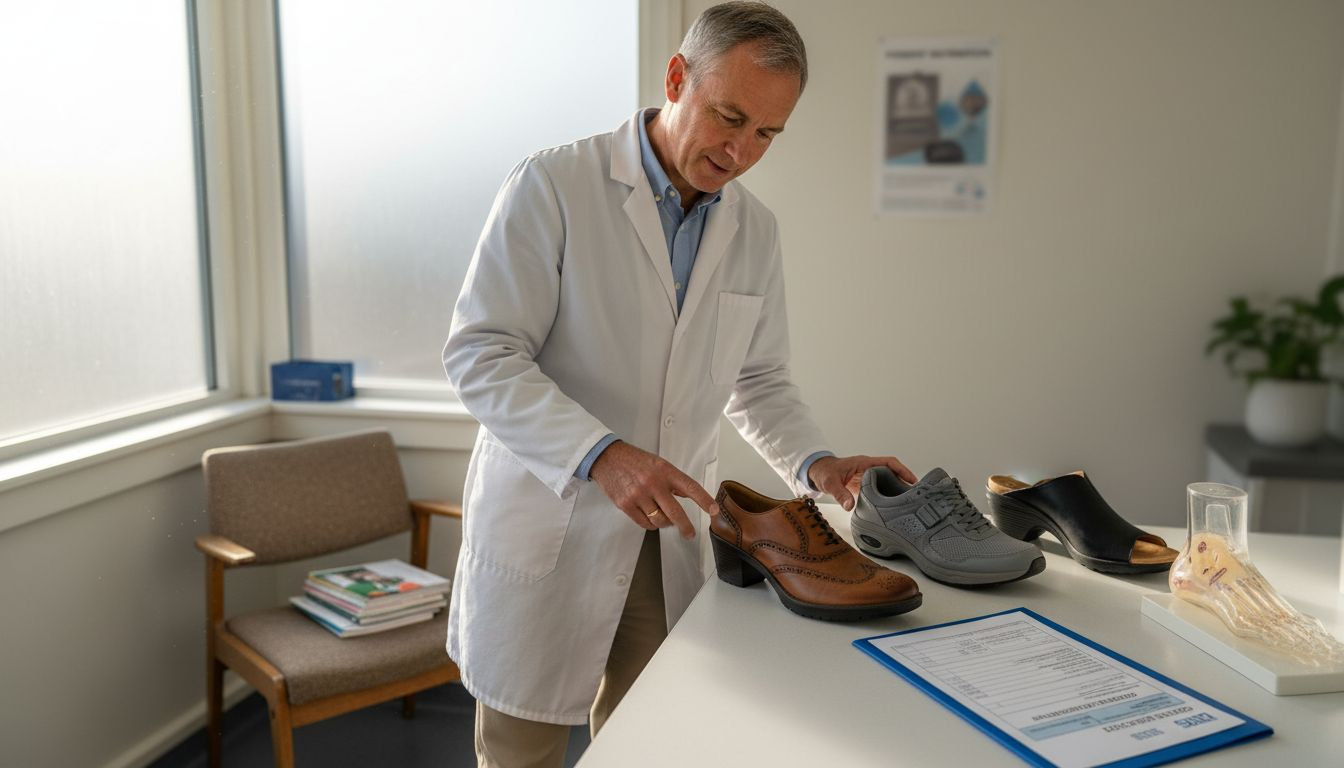
The clinical applications of these shoe types extend well beyond basic pain relief. Athletes often benefit from functional orthotic devices that enhance performance and reduce injury risk during high impact activities. Runners with plantar fasciitis might choose rigid control shoes that stabilise the arch, whilst weekend footballers dealing with ankle weakness would benefit from functional orthoses that support lateral stability. People managing chronic conditions like diabetes or rheumatoid arthritis typically need soft accommodative shoes that prevent tissue breakdown and ulceration. Additionally, various orthotic solutions for flat feet now range from off the shelf options to fully customised designs, allowing you to find appropriate support regardless of your budget or severity of condition. Special populations such as children with developmental foot issues or older adults recovering from surgery have access to specifically tailored orthotic footwear that addresses their unique requirements.
Choosing the right type depends entirely on your specific condition and lifestyle demands. If you spend hours standing at work and experience general foot fatigue, soft accommodative shoes provide immediate relief. Should you have diagnosed gait abnormalities or recurring ankle injuries, functional orthoses offer targeted correction. For those managing serious foot deformities or post surgical recovery, rigid control devices deliver the stability necessary for healing and protection. The beauty of modern orthotic shoe design is that manufacturers now offer solutions combining these features with genuine style, eliminating the need to compromise fashion for foot health. Understanding which category matches your needs ensures you invest in footwear that genuinely addresses your specific challenges.
Here is a summary of orthotic shoe types, their characteristics, and ideal users:
| Shoe Type | Key Characteristics | Ideal For |
|---|---|---|
| Soft accommodative | Extra cushioning, flexible design | Diabetics, arthritis, prolonged standing |
| Rigid control | Firm support, limits movement | Severe flat feet, high arches, ankle instability |
| Functional orthoses | Modifies foot motion, some flexibility | Overpronation, supination, gait correction |
Pro tip: Match your shoe type to your primary complaint: choose soft shoes for pain relief, rigid shoes for stability, and functional shoes for movement correction, then test them during activities that trigger your symptoms.
Key features for foot health and comfort
The most important features that distinguish quality orthotic shoes from standard footwear revolve around how they’re engineered to support your specific anatomy. Proper fit stands at the foundation, meaning the shoe accommodates your foot’s width, length, and volume without pinching or sliding. Beyond fit, several technical elements work together to deliver genuine comfort. Lightweight construction reduces the effort your legs expend during walking, preventing fatigue that often accompanies heavier shoes. Cushioning systems, particularly in the midsole and heel, absorb impact forces that would otherwise transmit directly through your joints. Arch support is tailored to your foot type, whether you have flat feet requiring substantial support or high arches needing targeted stability. The flexibility of the sole matters significantly as well, allowing natural foot motion whilst maintaining support where needed.
Research into footwear comfort factors confirms that these features work synergistically rather than in isolation. A shoe with excellent cushioning but poor arch support fails to prevent foot disorders. Conversely, strong arch support paired with an inflexible sole restricts natural movement and causes discomfort. The best orthotic shoes balance all these elements simultaneously. Soft midsoles provide the cushioning that reduces pressure on sensitive areas, whilst appropriately designed insoles deliver the anatomical support your specific foot shape requires. This is why off the shelf orthotic shoes vary so dramatically in quality. Some manufacturers focus heavily on cushioning but neglect stability, creating shoes that feel plush initially but cause problems during extended wear. Others prioritise rigid support at the expense of comfort, leaving your feet feeling restricted.
What makes contemporary orthotic footwear truly innovative is how designers now integrate these features with contemporary aesthetics. You no longer face a choice between functional support and stylish appearance. Modern orthotic friendly footwear incorporates advanced materials like gel inserts, memory foam, and breathable mesh that enhance both performance and wearability. The construction quality matters tremendously as well, including how seams are finished, how the upper material stretches or holds firm, and whether internal components align properly with your foot’s contours. When evaluating any orthotic shoe, examine whether it addresses your particular concern. Someone recovering from plantar fasciitis needs strong arch support and heel cushioning. An individual managing diabetic neuropathy requires soft, pressure-distributing materials throughout. An athlete seeking injury prevention needs stability combined with flexibility for dynamic movement.
Pro tip: When trying orthotic shoes, wear the socks you’d normally use and walk around for at least 15 minutes, paying attention to whether pressure points develop or if your arch feels adequately supported throughout the trial period.
Medical standards and prescription process
Orthotic shoes occupy a unique position in healthcare because they’re classified as medical devices rather than ordinary consumer footwear. This classification means they’re subject to strict regulatory standards and manufacturing requirements designed to ensure they actually deliver the therapeutic benefits they promise. Unlike shoes you’d pick up at a high street shop, orthotic footwear requires a medical prescription from a qualified practitioner such as a podiatrist, physiotherapist, or orthopaedic consultant. This prescription isn’t simply a piece of paper confirming you need arch support; it’s a detailed clinical document specifying your exact foot condition, biomechanical dysfunction, and the precise characteristics your shoes must possess. The prescription guides the entire manufacturing process, whether your shoes will be off the shelf products fitted to your needs or fully customised devices created specifically for your feet.
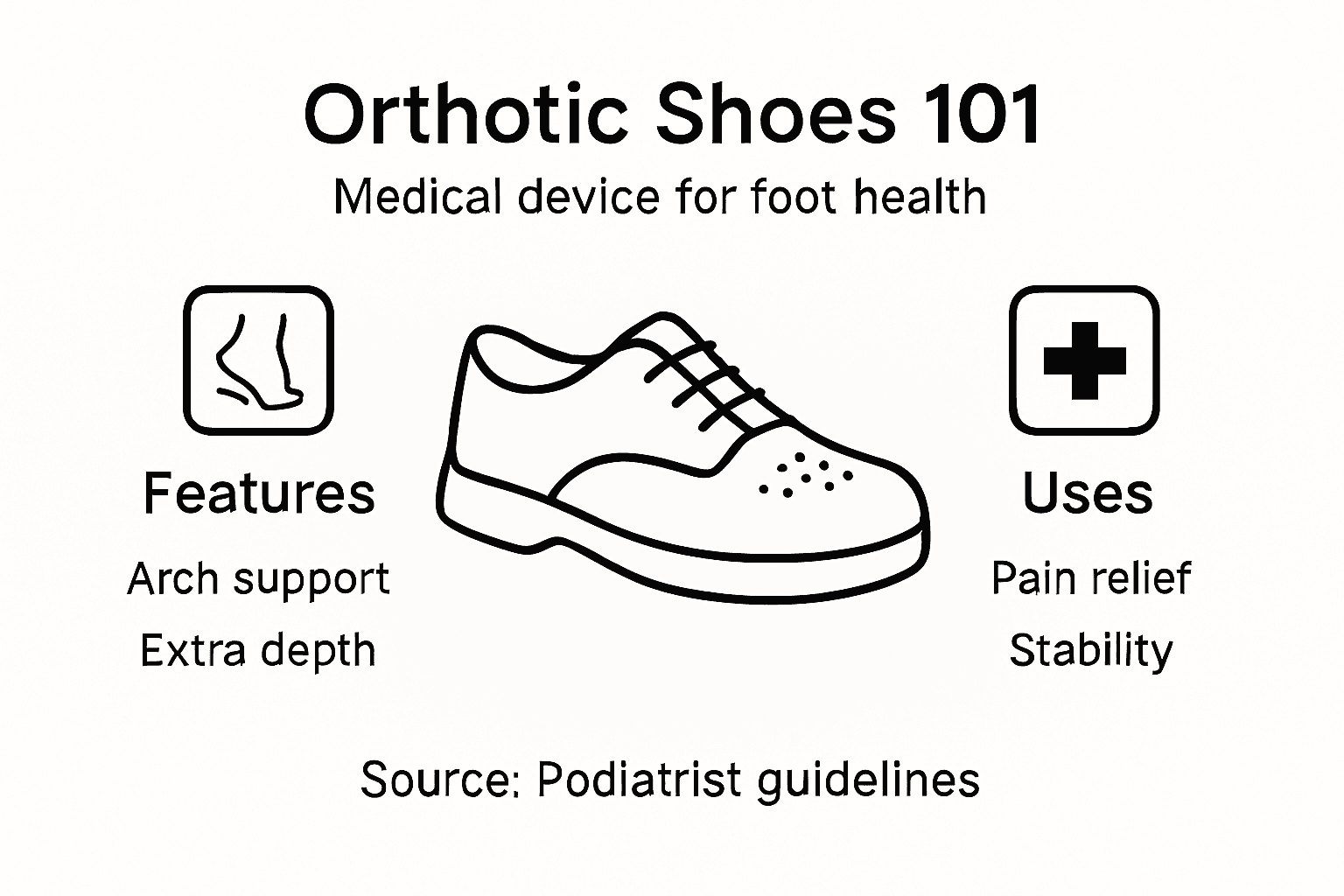
The prescription process itself reflects the seriousness with which modern healthcare treats foot health. Your practitioner conducts a thorough assessment, including examining your foot structure, analysing your walking pattern, and understanding your daily activities and pain points. Medical standards for orthotic prescriptions require comprehensive documentation of medical necessity, ensuring that what’s prescribed actually matches your clinical needs rather than being a generic recommendation. This documentation becomes critical for several reasons. First, it ensures quality control throughout manufacturing, so the shoes produced meet specific therapeutic goals. Second, it creates a clinical record protecting both you and your healthcare provider. Third, if your insurance covers orthotic footwear, detailed documentation supports reimbursement claims. The prescription must be clear, specific, and comprehensive, because manufacturers rely on it to develop devices that genuinely address your condition.
Following the initial prescription, the process typically involves fitting and adjustment phases. If you’re receiving custom-made orthotic shoes, a technician may take detailed measurements or even create moulds of your feet to ensure perfect fit. Interdisciplinary collaboration and detailed documentation throughout the prescription and fitting process maximises clinical effectiveness and ensures you’re wearing shoes that genuinely correct your biomechanical issues. Your practitioner should schedule follow up appointments after you’ve worn your new shoes for a few weeks, allowing them to assess whether the prescription worked as intended and make adjustments if necessary. This iterative process distinguishes proper orthotic shoe provision from simply purchasing supportive footwear online. The entire system exists to ensure that what you wear actually addresses your specific foot health needs rather than relying on marketing claims or general recommendations.
Pro tip: Bring a detailed list of your symptoms, when they occur, and which activities aggravate them to your prescription appointment, as this information directly influences whether you’ll receive off the shelf or custom made orthotic shoes.
Cost considerations and common mistakes
Orthotic shoes represent a genuine investment in your foot health, and understanding the financial aspects helps you make informed decisions. Prices vary dramatically depending on whether you choose off the shelf options or custom-made devices. Off the shelf orthotic shoes typically range from £80 to £200, making them accessible for many people wanting to address mild to moderate foot discomfort. Custom-made orthotic shoes start around £300 and can exceed £800, particularly when crafted from premium materials or designed for complex biomechanical issues. This significant price difference reflects more than just materials and labour. Custom devices require detailed clinical assessment, individual moulding or scanning, personalised manufacturing, and fitting appointments. The question you face isn’t simply which is cheaper but which delivers genuine value for your specific situation. Someone managing mild arch pain might find an off the shelf solution perfectly adequate, whilst someone with severe flat feet or recovering from foot surgery genuinely needs custom prescription footwear.
Where cost analysis becomes genuinely important is understanding that cheaper initial purchases sometimes cost far more long term. Buying budget orthotic shoes that fail to address your biomechanical issues means continued pain, reduced activity, and potentially worsening foot conditions requiring more expensive treatment down the line. Research into custom foot orthoses supply chains reveals that cost remains a significant barrier to patient access, yet balancing cost against clinical benefit is essential for sustainable foot health. This means evaluating whether a particular shoe genuinely addresses your condition rather than simply choosing the least expensive option. Additive manufacturing in orthotic footwear shows promise for eventually reducing costs, though currently involves higher expenses as technology integration develops.
Common mistakes emerge when people prioritise price over prescription compliance. One widespread error involves ignoring professional recommendations and purchasing shoes that market themselves as orthotic without actual clinical prescription. Another mistake centres on expecting instant results, then abandoning properly prescribed shoes after wearing them for just a week. Your feet and lower leg muscles require time to adjust to corrected biomechanics, typically 2 to 4 weeks before you notice genuine improvement. A third mistake involves wearing orthotic shoes sporadically rather than consistently, then concluding they don’t work. Your feet adapt to whatever support system you provide, so sporadic use means they’re constantly readjusting. Some people also neglect the fitting adjustment phase, assuming shoes should feel perfect immediately rather than allowing for minor adjustments that optimise comfort. Perhaps most costly is purchasing custom orthotic shoes without first trying off the shelf options, discovering later that a less expensive solution would have sufficed.
Checking whether your insurance covers orthotic footwear can substantially reduce out of pocket costs. Many private health plans reimburse custom orthotic shoes when prescribed by a qualified practitioner, though coverage varies considerably. If cost is a genuine barrier, discuss this openly with your healthcare provider, as they may recommend starting with quality off the shelf options rather than custom devices.
Pro tip: Request a trial period or return window when purchasing orthotic shoes, as some retailers allow 30 days to assess whether the shoes address your specific concerns before making a final commitment.
Comparing orthotic shoes to alternatives
When addressing foot health concerns, you have several options beyond orthotic shoes, and understanding how they compare helps you choose the right solution for your needs. Standard supportive shoes offer basic arch support and cushioning but lack the clinical engineering of orthotic footwear. They’re adequate for general comfort during everyday activities but typically don’t address specific biomechanical dysfunctions or therapeutic requirements. Shoe inserts and aftermarket insoles represent another alternative, ranging from basic gel inserts to semi-custom arch supports that fit into regular shoes. These products are affordable and accessible, usually costing £15 to £60, but they work within whatever shoe you already own, which sometimes creates fit issues or instability problems. Orthopaedic braces and ankle supports address specific joint instability but constrain movement rather than correcting it functionally. Finally, physical therapy alone can strengthen muscles and improve movement patterns without any footwear intervention, though this approach requires significant time and effort and may not help those with structural foot deformities.
Orthotic shoes themselves exist in two primary categories, and comparing them reveals important distinctions. Prefabricated orthotic shoes come ready made in standard sizes with pre designed support features, costing significantly less than custom alternatives. They’re immediately available and work well for many people with mild to moderate foot issues. However, custom and prefabricated foot orthoses show that custom options often deliver higher patient satisfaction scores because they’re tailored to your specific biomechanical needs. Custom orthotic shoes provide enhanced functional support precisely aligned with your foot structure, gait pattern, and lifestyle demands. The trade off involves higher cost and longer wait times for manufacturing, but the improved outcomes justify the investment for complex foot conditions or when prefabricated options fail to relieve your symptoms.
Emerging technology is changing the comparison landscape. Three dimensional printed orthoses demonstrate improved comfort, fit, and functional outcomes compared to conventional orthoses, offering a promising middle ground between prefabricated and fully custom solutions. Digital manufacturing allows for mass customisation, meaning you get individualised design at near prefabricated pricing, though durability and long term effectiveness require ongoing research. This technological advancement means the future of orthotic footwear may combine the accessibility of standard shoes with the precision of custom devices.
Deciding between these alternatives depends on your specific situation. Choose aftermarket insoles or standard supportive shoes if you have mild discomfort and limited budget. Select prefabricated orthotic shoes if you experience moderate foot pain or biomechanical issues without complex deformities. Invest in custom orthotic shoes if you have diagnosed structural problems, chronic pain unresponsive to other treatments, or specific athletic or occupational demands. Consider emerging 3D printed solutions if you want customisation without lengthy wait times. Whatever you choose, ensure it addresses your actual condition rather than simply providing general comfort.
Compare orthotic shoe alternatives at a glance:
| Option | Pros | Cons |
|---|---|---|
| Standard supportive shoes | Inexpensive, adequate basic comfort | Lacks clinical correction, generic fit |
| Aftermarket insoles | Affordable, easy to swap between shoes | May not fit well, limited correction |
| Custom orthotic shoes | Precise fit, corrects complex issues | Expensive, requires prescription |
| 3D printed orthoses | Customisable, emerging technology | Durability and availability vary |
Pro tip: If cost is limiting, start with quality prefabricated orthotic shoes and note which symptoms improve or persist, then discuss upgrading to custom solutions only if specific areas remain problematic after 4 weeks of consistent use.
Discover Orthotic Innovation That Transforms Comfort and Style
If you have struggled with foot discomfort or biomechanical challenges like overpronation, flat feet or chronic pain the right orthotic shoes can make all the difference. Orthotic footwear is not just about stability but advanced support that improves your movement and relieves pressure throughout the day. At YDA UK, we specialise in combining cutting-edge foot health technology with modern design so you never have to sacrifice style for comfort.
Explore our collection of high-performance orthotic shoes featuring YDA Technology engineered to support your unique feet and enhance energy efficiency. Whether you need soft cushioning for sensitive feet or functional control to correct gait patterns start your journey to healthier feet with footwear that delivers lasting relief. Visit the YDA homepage now and take the next step towards pain-free days with our expertly crafted, stylish shoes tailored to your needs.
Frequently Asked Questions
What are orthotic shoes designed for?
Orthotic shoes are designed to improve foot comfort, address biomechanical issues, and support individuals with foot deformities, joint abnormalities, or chronic foot pain.
How do orthotic shoes differ from regular shoes?
Unlike regular shoes, orthotic shoes feature extra depth, enhanced stability, and padded collars, which provide better support and comfort, as well as address specific foot health needs.
Who can benefit from wearing orthotic shoes?
Orthotic shoes can benefit anyone experiencing foot discomfort, from mild stiffness to chronic conditions. They are especially useful for those with foot injuries, flat feet, or those who spend long hours on their feet.
What are the different types of orthotic shoes available?
The main types of orthotic shoes include soft accommodative shoes for cushioning and comfort, rigid control devices for stability, and functional orthoses that modify foot movement to correct gait abnormalities.