
Comfort Footwear Features: 7% of UK Has Plantar Fasciitis
Around 4-7% of the UK population suffers from plantar fasciitis, underscoring the need for proper footwear to manage pain. For individuals dealing with plantar fasciitis, diabetes, or other foot conditions, selecting the right footwear can dramatically improve daily mobility and reduce discomfort. This guide explores essential features in comfort footwear, compares top UK models, and helps you make informed choices that blend health benefits with stylish designs.
Table of Contents
- Selection Criteria For Comfort Footwear
- Essential Features Of Comfort Footwear For Plantar Fasciitis
- Specialized Features For Diabetic Foot Health
- Top Comfort Footwear Models: Features And Comparisons
- Proper Fit, Adjustability, And Style Considerations
- Summary Comparison And Situational Recommendations
- Explore YDA UK For Stylish, Supportive Comfort Footwear
Key Takeaways
| Point | Details |
|---|---|
| Essential Features | Arch support, cushioning, heel counter, fit, and style are critical factors for effective comfort footwear aiding foot health and mobility. |
| Plantar Fasciitis Relief | Memory foam and EVA cushioning absorb shock while firm heel counters stabilize the foot to reduce strain. |
| Diabetic Protection | Soft uppers, wide stable heels, protective soles, and roomy toe boxes prevent ulcers and accommodate swelling. |
| Top UK Models | Brooks Adrenaline GTS 24, ASICS Gel-Kayano 30, and Hoka Bondi 8 offer specialized support for different arch types and conditions. |
| Fit and Style | Proper toe space, adjustable closures, and modern designs increase comfort and encourage consistent wear for health benefits. |
Selection Criteria for Comfort Footwear
Choosing the right comfort footwear requires understanding specific technical features that address foot health needs. Arch support, cushioning, heel counter, fit, and style are critical factors for effective comfort footwear aiding foot health and mobility. These elements work together to distribute pressure, absorb impact, and provide stability throughout your daily activities.
Arch support comes in various forms, from medial arch reinforcement for flat feet to neutral designs for normal arches. The type of support you need depends on your foot structure and condition. Cushioning materials like memory foam, EVA, and proprietary compounds absorb shock with each step, reducing stress on joints and soft tissues.
The heel counter, a rigid structure at the shoe’s back, prevents excessive heel movement and maintains proper alignment. A deep heel cup enhances this stability by cradling the heel bone securely. Proper fit considerations include adequate toe space, width options, and adjustability features like laces or Velcro straps.
Style matters more than many realize. When footwear looks good, you’re more likely to wear it consistently, ensuring you receive the health benefits. Modern comfort shoes blend medical-grade support with contemporary designs that suit various occasions. Understanding footwear technology explained helps you identify which innovations best serve your needs.
Key selection criteria include:
- Arch type compatibility (flat, normal, or high arches)
- Cushioning system responsiveness and durability
- Heel counter firmness and heel cup depth
- Toe box width and overall fit adjustability
- Design versatility for different activities and settings
Essential Features of Comfort Footwear for Plantar Fasciitis
Plantar fasciitis demands specific footwear attributes that address the inflammation and pain in the thick band of tissue running across your foot’s bottom. Arch support distributes pressure evenly across the foot, reducing concentrated strain on the plantar fascia that causes sharp heel pain, especially during first morning steps.
Memory foam and EVA cushioning materials absorb shock effectively, cushioning each heel strike to minimize impact forces traveling through the inflamed tissue. Common cushioning materials for plantar fasciitis shoes include EVA and proprietary foams engineered for shock absorption and durability. These materials maintain their supportive properties through thousands of steps, unlike cheaper foams that compress permanently.
Firm heel counters and deep heel cups stabilize the heel bone and align the foot properly, with heel cup depths often 10-12 mm. This structure prevents the excessive inward rolling (overpronation) that stretches the plantar fascia beyond its comfortable range. By limiting unwanted motion, the heel counter reduces repetitive strain on already irritated tissue.

A slight heel elevation, typically 4 to 8 mm, can benefit plantar fascia pressure relief by reducing the angle at which the tissue stretches during walking. This elevation shouldn’t be excessive, as too much height shifts pressure to the forefoot. The right balance provides relief without creating new problems.
Essential plantar fasciitis features:
- Contoured arch support matching your foot’s natural curve
- Multi-density midsoles combining firm support with plush cushioning
- Rigid heel counters that resist compression when squeezed
- Deep heel cups cradling the heel bone securely
- Moderate heel-to-toe drop promoting natural gait
Pro Tip: Replace your comfort shoes every 400 to 500 miles of walking, as cushioning materials degrade over time, reducing their shock-absorbing effectiveness and potentially worsening plantar fasciitis symptoms.
Exploring comfortable shoes for plantar fasciitis reveals the variety of styles available that incorporate these therapeutic features without sacrificing appearance.
Specialized Features for Diabetic Foot Health
Diabetic neuropathy reduces sensation in feet, making it difficult to feel blisters, pressure points, or injuries that can escalate into serious ulcers. Soft leather uppers, wide stable heels (up to 3 cm), protective soles, and roomy toe boxes are essential for diabetic footwear to reduce pressure and prevent complications.
Soft uppers made from breathable leather or technical fabrics minimize friction against sensitive skin. Unlike stiff materials that create hotspots, these gentle uppers flex with your foot movements without rubbing. Seamless interior construction further reduces irritation risk by eliminating raised stitching that could cause pressure injuries.
Wide heels provide a stable base that reduces wobbling and improves balance, especially important for individuals with diabetic peripheral neuropathy affecting proprioception. The heel height of up to 3 cm offers support without excessive elevation that could destabilize gait. Protective outsoles with thick, durable rubber guard against sharp objects penetrating through to the foot.
Spacious toe boxes prevent toes from crowding together or pressing against the shoe front. This extra room accommodates natural toe splay, reduces pressure on bunions or hammertoes, and allows space for swelling that commonly occurs throughout the day. Adequate depth also permits custom orthotics or diabetic insoles when prescribed.
Critical diabetic footwear features:
- Padded collars and tongues preventing ankle and instep irritation
- Adjustable closures accommodating daily volume fluctuations
- Removable insoles allowing orthotic insertion
- Rounded toe boxes eliminating pressure on toe tips
- Non-slip outsoles reducing fall risk
Pro Tip: Inspect your feet daily for any signs of redness, blisters, or cuts, and always try on new shoes in the afternoon when feet are naturally more swollen to ensure adequate room throughout the day.
Understanding diabetic footwear types and neuropathy footwear for diabetics provides deeper insight into specialized designs addressing circulation and sensation challenges.
Top Comfort Footwear Models: Features and Comparisons
Comparing leading UK comfort footwear models helps identify which technologies and designs best match your specific foot health needs. Each model brings unique strengths suited to different arch types, conditions, and activity levels.
Brooks Adrenaline GTS 24 features GuideRails technology to limit excessive foot motion and provides superior stability and grip. This system supports your natural stride while preventing overpronation that stresses the plantar fascia. The durable outsole with strategic rubber placement delivers reliable traction on various surfaces.
ASICS Gel-Kayano 30 is recommended for flat feet with an 8 mm heel drop and medial arch support, plus a deep heel cup. The higher heel-to-toe offset reduces Achilles tendon strain while the reinforced medial post controls inward rolling. Gel cushioning in heel and forefoot absorbs impact without adding excessive weight.
Hoka Bondi 8 offers plush cushioning and a neutral sole with a 4 mm heel drop, ideal for normal arches. The maximalist cushioning platform provides exceptional shock absorption for individuals who spend long hours on their feet. Despite generous padding, the shoe maintains a stable ride through its wide base design.
All three models feature removable insoles, allowing insertion of custom orthotics prescribed by podiatrists. This adaptability extends the shoes’ therapeutic potential beyond their factory configuration.
| Feature | Brooks Adrenaline GTS 24 | ASICS Gel-Kayano 30 | Hoka Bondi 8 |
|---|---|---|---|
| Best For | Overpronation, stability needs | Flat feet, extra arch support | Normal arches, maximum cushioning |
| Heel Drop | 12 mm | 8 mm | 4 mm |
| Key Technology | GuideRails motion control | Medial post, gel cushioning | Meta-Rocker, EVA foam |
| Weight | 283g (UK 8) | 305g (UK 8) | 290g (UK 8) |
| Orthotic Compatible | Yes | Yes | Yes |
Model-specific advantages:
- Brooks Adrenaline: Ideal for heavy walkers needing motion control
- ASICS Gel-Kayano: Best medial arch reinforcement for collapsed arches
- Hoka Bondi: Superior cushioning for high-impact activities
Researching the diabetic footwear selection guide and orthotic-friendly footwear benefits clarifies how these models integrate with comprehensive foot care strategies. Following a systematic workflow for finding right shoes ensures you consider all relevant factors before purchasing.
Proper Fit, Adjustability, and Style Considerations
Even the most technologically advanced comfort footwear fails if it doesn’t fit correctly or suit your lifestyle. A thumb’s width gap between your longest toe and shoe front provides adequate room for natural foot expansion during walking. This space prevents toenail damage and reduces pressure on toe joints.
Laces and Velcro closures enhance adjustability, letting you customize tightness throughout the day as feet naturally swell. Laces offer more precise control over midfoot snugness, while Velcro provides convenience for individuals with limited dexterity or arthritis. Both systems accommodate volume changes better than slip-on designs.
Orthotic-friendly removable insoles improve support customization beyond factory settings. When your podiatrist prescribes custom orthotics, removable insoles create necessary depth for proper orthotic placement. Even without custom devices, you can upgrade to premium aftermarket insoles targeting specific conditions.
Fashion-forward designs boost user confidence and wear compliance. Modern comfort footwear brands recognize that therapeutic shoes must look appealing to encourage consistent use. Contemporary styling in neutral colors suits professional environments, while athletic-inspired designs fit casual settings.
Fit and style essentials:
- Measure feet annually, as size changes with age and weight fluctuations
- Try shoes with socks you’ll actually wear for accurate fit assessment
- Walk around the store for at least 10 minutes before deciding
- Check for heel slippage, which indicates inadequate fit
- Select versatile colors matching multiple outfits
Pro Tip: Shop for shoes in the late afternoon when feet are at their largest, ensuring adequate room during all-day wear rather than purchasing shoes that feel perfect only in the morning.
Learning about shoe fit for diabetics and choosing shoes for neuropathy provides condition-specific fitting guidance beyond general recommendations.
Summary Comparison and Situational Recommendations
Consolidating model comparisons into actionable recommendations empowers you to select footwear matching your unique situation. Different conditions, foot structures, and activity levels require tailored approaches.
| Situation | Recommended Model | Key Reason | Alternative Option |
|---|---|---|---|
| Flat feet with plantar fasciitis | ASICS Gel-Kayano 30 | Strong medial arch support with 8 mm drop | Brooks Adrenaline GTS 24 |
| Normal arches, long standing hours | Hoka Bondi 8 | Maximum cushioning reduces fatigue | Brooks Adrenaline GTS 24 |
| Diabetic neuropathy, wide feet | Hoka Bondi 8 | Roomy toe box, protective cushioning | ASICS Gel-Kayano 30 (wide fit) |
| Overpronation with heel pain | Brooks Adrenaline GTS 24 | GuideRails prevent excessive motion | ASICS Gel-Kayano 30 |
| Style-conscious with foot health needs | All three models | Modern designs blend support with aesthetics | Depends on arch type |
For flat feet, prioritize medial arch reinforcement and motion control technologies that prevent arch collapse during gait. The ASICS Gel-Kayano 30’s design specifically addresses these needs with its supportive medial post.
Wide feet benefit from models offering width options (2E, 4E) and generous toe boxes. Hoka’s naturally roomy fit accommodates wider feet without requiring special sizing. Always verify width availability before purchasing.
Diabetic needs demand protective features over performance specifications. Soft, seamless uppers and thick cushioning layers take priority. Models with removable insoles allow custom diabetic orthotics when prescribed by your healthcare provider.
Mobility levels influence cushioning preferences. Higher activity demands more responsive cushioning that returns energy, while lower mobility benefits from softer, more forgiving materials. Match cushioning firmness to your typical daily step count.
Style preferences shouldn’t compromise foot health, but modern comfort footwear makes this balance achievable. All recommended models offer color variations suiting professional, casual, and athletic contexts.
Explore YDA UK for Stylish, Supportive Comfort Footwear
YDA UK curates expert-selected footwear that blends medical-grade support with contemporary style, addressing the specific needs of individuals managing foot health conditions. Our range includes specialized options for diabetic foot protection, plantar fasciitis relief, and enhanced daily mobility.
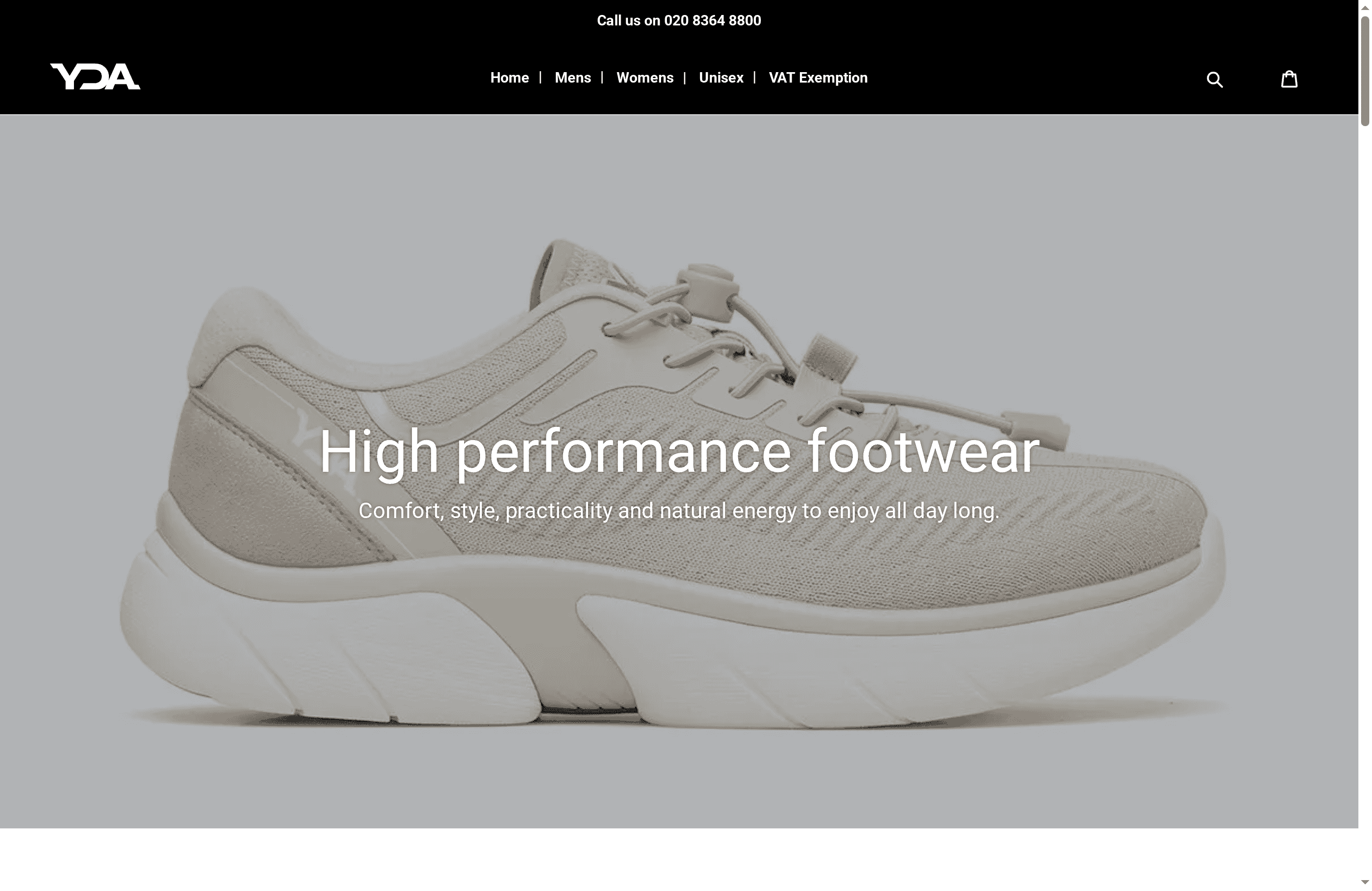
Whether you need stability features for overpronation, cushioning for long standing hours, or protective designs for diabetic neuropathy, YDA UK’s collection provides solutions backed by footwear technology research. Each model undergoes careful evaluation for its therapeutic benefits and style versatility.
Our resources help you make informed decisions through detailed guides on selecting shoes for energy and comfort and comprehensive footwear technology explained articles. Discover shoes for problem feet that don’t compromise on appearance while delivering the support your condition requires. Take the first step toward improved foot health and confident mobility with YDA UK’s thoughtfully curated footwear selection.
FAQ
What arch support features relieve plantar fasciitis pain?
Support should evenly distribute pressure across the foot’s length, reducing concentrated strain on the plantar fascia that causes sharp heel pain. Medial arch reinforcement with firm materials prevents arch collapse during weight-bearing, while contoured footbeds match your natural arch curve for optimal pressure distribution.
How can diabetic footwear reduce risk of foot ulcers?
Soft uppers prevent skin irritation by eliminating friction points that could develop into blisters or sores, especially critical when neuropathy prevents early warning sensations. Wide toe boxes and stable heels minimize pressure points on vulnerable areas while enhancing balance, reducing fall risk that could cause injuries progressing to ulcers.
Are stylish comfort shoes available for foot health conditions in the UK?
Many brands now offer modern designs balancing contemporary aesthetics with medical-grade support, recognizing that appearance influences wear compliance. Wearing comfortable, stylish shoes encourages consistent use, ensuring you receive ongoing health benefits rather than reserving therapeutic footwear only for times when pain becomes unbearable.
How often should I replace comfort footwear for plantar fasciitis?
Replace shoes every 400 to 500 miles of walking, typically every six to eight months for regular users. Cushioning materials compress permanently over time, losing shock-absorbing properties that protect inflamed tissue, so continuing to wear degraded shoes may worsen symptoms despite initial quality.
Can I use custom orthotics with comfort footwear models?
Most quality comfort shoes feature removable insoles creating adequate depth for custom orthotic insertion prescribed by podiatrists. This adaptability extends therapeutic potential beyond factory configuration, allowing personalized support addressing your unique biomechanical needs while maintaining the shoe’s stability and cushioning benefits.