
7 Types of Diabetic Footwear for Comfort and Health
Protecting your feet becomes a constant concern when you have diabetes. Ordinary shoes often rub, pinch, or fail to support your foot health, leaving you at risk for injuries that may go unnoticed until they turn into ulcers or worse. Finding footwear that truly meets your needs can feel overwhelming, especially when every misstep can lead to serious consequences.
The right shoes make a real difference by reducing pain, preventing irritation, and protecting against injury. Whether it’s relieving pressure, adapting to swelling, or minimising friction, understanding what features to look for gives you the confidence to choose wisely.
You are about to discover specific, proven footwear features that shield your feet from harm and make daily comfort possible. Each item on this list provides actionable solutions designed to help you stay active and pain-free, so you can move through your day with peace of mind.
Table of Contents
- 1. Cushioned Trainers For Pain Relief
- 2. Adjustable Straps For Custom Fit
- 3. Seamless Shoes To Prevent Irritation
- 4. Wide-Fit Designs For Swelling
- 5. Breathable Materials For Freshness
- 6. Orthotic-Friendly Styles For Support
- 7. Slip-Resistant Soles For Safety
Quick Summary
| Key Message | Explanation |
|---|---|
| 1. Choose cushioned trainers for comfort | Cushioned trainers reduce foot pressure and stress, enhancing diabetic foot health by preventing injuries and complications. |
| 2. Opt for adjustable straps for a better fit | Adjustable straps accommodate swelling, ensuring a secure fit that prevents friction and injuries as foot size changes throughout the day. |
| 3. Select seamless shoes to avoid irritation | Seamless shoes eliminate friction points, thereby protecting sensitive skin from blisters and ulcers, crucial for diabetic foot care. |
| 4. Look for wide-fit shoes to manage swelling | Wide-fit designs provide ample space, preventing constriction that leads to pressure ulcers and supports healthy blood flow. |
| 5. Consider breathable materials for foot health | Breathable fabrics manage moisture and temperature, reducing infection risks and skin maceration, vital for diabetic care. |
1. Cushioned Trainers for Pain Relief
Cushioned trainers are specifically engineered to tackle one of the most pressing challenges diabetic individuals face: foot pain and pressure-related damage. When you have diabetes, your feet become particularly vulnerable because high blood sugar levels can damage nerves, causing you to lose protective sensation. This means injuries, blisters, and pressure points often go unnoticed until they develop into serious complications like ulcers. That’s where cushioned trainers step in. They work by reducing the mechanical stress placed on your feet throughout the day, redistributing pressure away from high-risk areas and providing the comfort you need to stay active without risking further damage.
The science behind cushioned trainers is straightforward. Unlike regular shoes that concentrate pressure on specific points, therapeutic footwear with cushioning spreads the load more evenly across your entire foot. This redistribution is crucial because it prevents excessive pressure from accumulating in vulnerable zones like your heels, ball of the foot, and toes. Studies show that cushioned trainers reduce mechanical pressure and protect the foot, directly lowering your risk of ulceration. What makes this particularly valuable is that the comfort they provide encourages you to wear them consistently, which is essential for managing diabetic foot health. When shoes feel good, you actually use them regularly instead of leaving them in the cupboard.
Practically speaking, look for trainers with deep, responsive cushioning in the midsole, particularly in areas where your foot naturally bears the most weight. Memory foam insoles, gel padding, and specialised arch support all contribute to pain relief and stability. The key is finding trainers that feel supportive without being stiff. Your feet should feel cradled rather than constricted. When trying on cushioned trainers, spend time walking around to ensure the cushioning responds appropriately to your weight and gait. Pay attention to how your heel and arch feel, as these areas often require the most support for diabetic wearers.
Pro tip Select trainers with removable insoles so you can replace them with custom orthotics prescribed by your healthcare provider, allowing you to maintain optimal support tailored specifically to your foot’s unique needs.
2. Adjustable Straps for Custom Fit
Adjustable straps might seem like a minor feature, but they are genuinely transformative for diabetic foot health. Your feet are unique, and they change throughout the day as swelling fluctuates and your body responds to activity and temperature. Standard shoes with fixed closures cannot adapt to these natural changes, which creates problems. Adjustable straps give you the ability to customise your shoe’s fit moment by moment, ensuring your foot stays securely positioned without excessive tightness or dangerous looseness. This adaptability is not just about comfort; it directly prevents the friction, movement, and pressure imbalances that lead to injuries and ulcers in diabetic feet.
When your foot moves inside a shoe that doesn’t fit properly, friction builds up and creates hot spots that can quickly turn into blisters or ulcers. For someone with diabetes who may not feel these injuries developing due to nerve damage, a poor fit becomes a serious threat. Adjustable straps accommodate foot deformities and swelling, allowing you to tighten or loosen your shoes as needed throughout your day. Clinicians specifically recommend adjustable designs because they enable optimisation of pressure relief and improved compliance, meaning you’re more likely to wear the shoes consistently when they feel perfectly fitted. Beyond preventing ulcers, this customisable fit simply feels better, which matters more than many people realise. When shoes fit well, you want to wear them.
Look for shoes with multiple strap options. Velcro straps are excellent because they allow micro adjustments, which means you can fine-tune the fit without needing to unlace and relace. Some shoes offer both velcro closures and traditional laces, giving you flexibility depending on your preference and situation. During the day, as your feet swell slightly from activity and heat, you can simply adjust your straps to maintain that ideal level of security. Pay special attention to straps across the midfoot and heel, as these areas need the most support to prevent excessive movement. When trying on shoes, wear the socks you normally use and adjust the straps to feel snug but not restrictive. Your toes should have room to move, and you should be able to slide one finger under the straps comfortably.
Pro tip Adjust your straps in the morning when your feet are less swollen, then loosen them slightly mid-afternoon to accommodate natural swelling, and readjust before evening rest to maintain optimal support throughout your entire day.
3. Seamless Shoes to Prevent Irritation
Seamless shoes represent one of the most underestimated features in diabetic footwear, yet they are absolutely fundamental to preventing serious complications. Inside every ordinary shoe, seams and stitching create ridges and pressure points where friction builds up with every step. For most people, this minor irritation goes unnoticed. For you, with diabetes and potentially diminished nerve sensation in your feet, those seams become invisible threats. A seam rubbing against your skin for hours can create a blister that quickly develops into an ulcer without you ever feeling it happen. This is why seamless construction eliminates friction points that would normally trigger warning signals in your nervous system.
The genius of seamless design lies in its simplicity. By removing internal seams entirely, manufacturers create a smooth internal surface that simply cannot create pressure sores. When your foot presses against the inside of a shoe with every step, a seamless interior distributes pressure evenly rather than concentrating it on seam lines. This feature is particularly valuable because seamless construction minimises irritation that can lead to ulcer development, protecting vulnerable skin and supporting your overall foot health strategy. When you combine seamless construction with adjustable straps and proper cushioning, you create a protective environment where your feet can safely carry you through your day without hidden dangers developing.
When shopping for shoes, run your hand along the inside of the shoe before buying. Feel for any bumps, ridges, or seams that might irritate your skin. Pay particular attention to the toe box area and the heel cup, as these zones contact your skin most directly. Some manufacturers use special bonding techniques instead of stitching, which creates seamless joints that are both durable and completely smooth. Check the heel counter as well, ensuring there are no sharp edges or problematic seams. If you find a shoe you love but notice seams inside, ask yourself honestly whether you’ll develop problems from them. With diabetes, this is not a risk worth taking. Your feet deserve shoes designed with your unique sensory challenges in mind, and seamless construction is a basic requirement for that protection.
Pro tip Inspect your feet daily after wearing new shoes to catch any red marks or irritation early, since you may not feel the initial friction that creates them.
4. Wide-Fit Designs for Swelling
Swelling is one of the most common yet frustrating challenges diabetic individuals face, and it changes throughout the day without warning. Your feet might feel perfectly normal in the morning, yet by afternoon or evening they’ve expanded significantly, leaving your regular shoes feeling like vice grips around your midfoot and toes. This is not simply uncomfortable. Constriction from shoes that are too narrow directly threatens your foot health by impeding blood flow, increasing pressure on vulnerable tissues, and creating the perfect conditions for ulcer development. Wide-fit designs solve this problem by providing the generous space your feet need to accommodate natural fluctuations in volume. Wide-fit footwear reduces constriction and lessens the risk of pressure ulcers by avoiding tight areas that impair circulation, which is absolutely crucial for protecting your skin integrity.
Understanding why wide-fit shoes matter requires recognising how swelling actually works in diabetic feet. When your body retains fluid or your circulatory system isn’t functioning optimally, your feet respond by swelling. This swelling is particularly pronounced in the midfoot and forefoot areas, where pressure builds quickly in standard-width shoes. A shoe that feels good in the morning becomes progressively tighter, squeezing your tissues and restricting blood flow. Over time, this compression can damage skin and underlying tissues without you realising it’s happening. The solution is shoes with generous width and volume that reduce mechanical stress and improve blood flow, which are essential for maintaining skin integrity and preventing ulcers when you have edema or foot deformities.
When selecting wide-fit shoes, don’t simply assume a wider shoe means a longer shoe. Width and length are independent measurements, and you need both to be correct. Many people find that going up a full size in width without changing length works perfectly. Try on shoes at different times of day, ideally in the afternoon when your feet are at their most swollen. This ensures you’re sizing for your maximum volume, not your minimum. Look for shoes with expandable materials or multiple width options rather than rigid constructions. The toe box should feel roomy without being sloppy, and you should be able to wiggle your toes comfortably. Your arch should feel supported but not cramped, and the heel should stay secure without pinching. Pay attention to how the sides of your foot feel against the shoe. There should be no sensation of pressure or squeezing, as these sensations indicate inadequate width that will create problems over time.
Pro tip Measure your feet in the afternoon when they’re naturally swollen, as this measurement will be more accurate for selecting shoes that accommodate your actual daily foot volume rather than your morning size.
5. Breathable Materials for Freshness
Breathable materials might seem like a luxury feature, but for diabetic feet they represent a critical line of defence against infections and skin breakdown. Your feet naturally perspire throughout the day, and that moisture needs somewhere to go. When shoes trap sweat inside, you create a warm, damp environment that fungal and bacterial organisms absolutely love. The problem intensifies for diabetics because your immune system is already compromised, making you far more susceptible to infections that can quickly escalate into serious complications. Breathable materials help manage moisture and temperature, reducing fungal infections and skin maceration risks by maintaining a dry, fresh environment inside your shoe, which is genuinely non-negotiable for foot health.
When you understand what breathable materials actually do, you realise why they matter so much. These fabrics allow sweat to evaporate rather than accumulate, and they permit air circulation throughout the shoe’s interior. This constant airflow keeps your feet drier and cooler, which directly prevents the conditions that allow infections to develop. Beyond preventing fungal issues like athlete’s foot or candida, breathability also reduces skin maceration, which is that pruned, softened skin condition that occurs from prolonged moisture exposure. Macerated skin is fragile skin, and fragile skin breaks down easily. Breathable fabrics in diabetic footwear allow sweat evaporation and air circulation, which decreases the likelihood of bacterial and fungal growth and enhances your overall skin condition, reducing infection risks that are frequently observed in diabetic foot complications.
When shopping for shoes, look for materials explicitly described as breathable such as mesh panels, moisture-wicking fabrics, or specialised technical textiles designed for ventilation. Leather, whilst breathable to some degree, isn’t always ideal because it can trap moisture if not properly treated. Synthetic mesh materials often outperform leather for breathability because they’re engineered specifically to promote airflow. Check that breathable elements are positioned where your feet actually contact the shoe. You want ventilation across the top of the foot, along the sides, and ideally in the heel area as well. Avoid shoes with fully sealed, plastic-like interiors, as these prevent any air circulation whatsoever. If you live in a warm climate, breathability becomes even more critical because your feet will perspire more abundantly. Consider rotating between multiple pairs of shoes so each pair can dry completely between uses, maximising the benefit of breathable materials.
Pro tip Choose shoes with removable insoles so you can dry them separately, and consider moisture-wicking socks designed for diabetics to maximise your shoe’s breathability and keep your feet genuinely dry throughout the day.
6. Orthotic-Friendly Styles for Support
If your healthcare provider has prescribed custom orthotics or insoles, you need shoes that actually accommodate them properly. Many standard shoes have insoles that are glued or permanently attached, leaving you with a difficult choice: either squeeze your custom orthotics into a shoe they don’t fit, or abandon the orthotics altogether. Orthotic-friendly styles solve this problem by featuring removable insoles and internal volume designed specifically to accept custom devices. This might seem like a technical detail, but it’s actually the bridge between clinical prescription and real-world effectiveness. When your shoes accommodate your orthotics properly, you get the full benefit of the individualised support your healthcare team designed for you.
Custom orthotics work by redistributing pressure away from vulnerable areas of your foot and supporting your biomechanics in ways that generic shoe insoles cannot match. Orthotic-friendly footwear accommodates custom insoles designed to redistribute plantar pressure, which enhances stability and reduces muscle activity associated with compensatory gait patterns, directly lowering your ulcer risk by offloading high-pressure zones in neuropathic feet. The key mechanism is offloading, which means strategically moving pressure away from areas most at risk of breakdown. Your orthotics are engineered to do exactly this, but they only work if your shoes provide adequate space for them. Shoes without sufficient internal volume compress your orthotics, reducing their effectiveness and creating new pressure points where the insole presses against the shoe’s rigid structure. Orthotic-friendly shoes designed with removable insoles and sufficient internal volume support individualised offloading strategies critical in diabetic foot care to reduce plantar pressure peaks, prevent ulceration, and improve your mobility.
When shopping for orthotic-friendly shoes, ask specifically whether the insoles are removable before you buy. Many retailers won’t volunteer this information, but it’s absolutely essential. Once you have the shoes home, try inserting your orthotics to ensure they fit without buckling, bending, or compressing. Your orthotics should sit flat inside the shoe with no wrinkling or folding. If they don’t fit comfortably, the shoes aren’t truly orthotic-friendly despite what the label says. Look for shoes with a slightly deeper toe box and a bit of extra internal depth compared to standard styles. The shoe should feel accommodating without being sloppy. Work closely with your podiatrist or orthotist when selecting shoes, as they can advise whether specific styles will work with your custom devices. If you’ve invested in custom orthotics, investing in shoes that genuinely support them is the logical next step.
Pro tip Ask your orthotist or podiatrist to write down the dimensions and specifications of your custom insoles, then use this information when shopping online or in stores to verify that shoes will actually accommodate them before purchasing.
7. Slip-Resistant Soles for Safety
Slip-resistant soles might seem like a practical afterthought, but for diabetic individuals they are genuinely a safety feature that prevents injuries before they happen. When you have diabetes, your feet are already compromised by reduced sensation and potential balance issues related to neuropathy. A simple slip or fall that would barely inconvenience most people can become catastrophic for you, potentially leading to fractures, sprains, or foot trauma that triggers a cascade of serious complications. Slip-resistant soles enhance stability and reduce fall risk, providing better traction on various surfaces and improving safety during daily walking. This protection is not about looking cautious or staying home. It’s about maintaining your independence and your ability to move confidently through your world.
The mechanism behind slip-resistant soles is straightforward physics combined with practical design. A traditional smooth rubber sole loses traction on wet floors, polished tiles, or certain outdoor surfaces, causing your foot to slide unexpectedly. That microsecond of slipping destabilises your balance and forces your body to compensate with quick muscle movements to prevent a fall. For someone with diabetes and diminished proprioception, this compensation mechanism doesn’t work as effectively. Your body relies on sensory feedback from your feet to maintain balance, and when that feedback is compromised, an unexpected slip becomes a genuine fall risk. Slip-resistant soles provide effective grip and reduce slippage, contributing to safer walking conditions and reducing the chance of falls and related foot trauma that could prove devastating for diabetic feet.
When evaluating slip-resistant soles, look for textured rubber outsoles with visible tread patterns rather than smooth, flat surfaces. The texture should be substantial enough to feel rough to your touch without being uncomfortably abrasive. Test the grip by stepping on smooth surfaces like bathroom tiles or kitchen floors before committing to shoes. Quality slip-resistant soles maintain their grip even when wet, which is critical since most falls occur on wet surfaces. Don’t assume that expensive shoes automatically have better slip resistance. Budget-friendly options often include excellent grip technology. Pay attention to the heel as well as the forefoot, since slips often happen at the heel when walking on stairs or stepping backward. Some diabetic-specific shoe brands specifically engineer their soles for maximum grip, using materials that combine flexibility with excellent traction. This is one feature where you should absolutely prioritise function over fashion.
Pro tip Test slip-resistant soles on various home surfaces before wearing shoes outdoors, and replace them when you notice the tread becoming smooth, as worn soles lose their protective grip regardless of their original quality.
Below is a comprehensive table summarising the essential features, practices, and benefits of diabetic footwear and related considerations discussed in the article.
| Topic | Key Attributes or Recommendations | Benefits or Outcomes |
|---|---|---|
| Cushioned Trainers | Incorporate deep cushioning in midsole, distribute pressure evenly, and feature supportive but flexible design. | Enhance foot comfort, reduce pressure on sensitive areas, and minimise risk of ulcers. |
| Adjustable Straps | Provide Velcro or similar mechanisms for personalised fit adjustments throughout the day. | Maintain optimal fit, prevent friction, and reduce injury risks caused by poor fitting. |
| Seamless Construction | Use shoes without internal seams to avoid pressure points that can irritate the skin. | Prevent blisters and ulcers by eliminating potential friction zones. |
| Wide-Fit Designs | Incorporate ample space for the foot, compensating for natural swelling during the day. | Ensure comfort, prevent constriction, and maintain healthy blood circulation. |
| Breathable Materials | Employ materials that allow air circulation and moisture wicking. | Reduce sweat retention, prevent bacterial and fungal infections, and maintain skin health. |
| Orthotic Compatibility | Design with removable insoles to fit custom healthcare-prescribed orthotics. | Enhance pressure redistribution and maintain biomechanical support. |
| Slip-Resistant Soles | Feature textured outsoles offering strong traction on diverse surfaces. | Improve balance, reduce fall risks, and ensure stability for daily activities. |
This table provides an overview of effective diabetic footwear specifications to support comprehensive foot health management.
Discover The Perfect Footwear For Your Diabetic Foot Health
Managing diabetic foot challenges requires footwear that truly supports your unique needs including cushioning, adjustable fit, seamless interiors, and breathability. With the risk of foot pain, pressure ulcers, and swelling ever present, choosing the right shoes is essential to protect your feet and maintain your comfort throughout the day. YDA UK specialises in technologically advanced shoes designed to address these concerns while providing stylish, comfortable options for everyday wear.
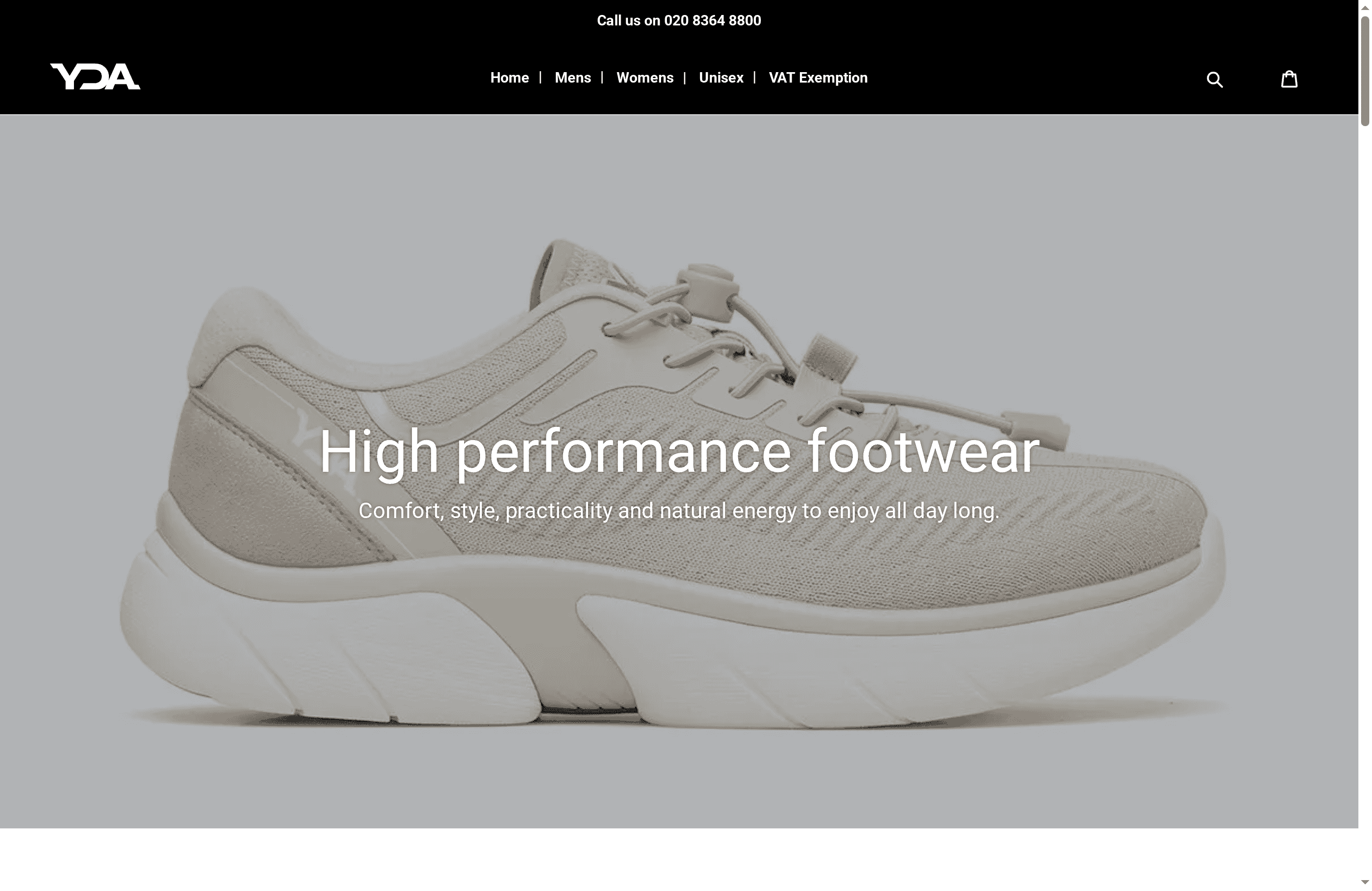
Explore our carefully curated Shoes collection where you will find orthotic-friendly designs, wide-fit choices, and slip-resistant soles crafted to give your feet the protection and support they deserve. Don’t wait for problems to arise. Visit https://ydauk.com today and take the first step towards healthier, happier feet with footwear engineered to match your lifestyle. Check out our Womens range for specialised cuts and fits tailored just for you.
Frequently Asked Questions
What are cushioned trainers and how do they benefit diabetics?
Cushioned trainers are specially designed shoes that help reduce foot pain and mechanical stress for individuals with diabetes. Look for trainers that offer deep cushioning and good support to redistribue pressure across the foot, which can help lower your risk of foot ulcers and improve overall comfort.
Why are adjustable straps important in diabetic footwear?
Adjustable straps allow you to customise the fit of your shoes throughout the day, accommodating changes in foot swelling. Choose shoes with multiple Velcro or lacing options to ensure the fit remains secure yet comfortable, preventing friction and injuries caused by a poor fit.
How can seamless shoes help prevent foot complications?
Seamless shoes eliminate internal stitching that can cause friction points, reducing the risk of blisters and ulcers for diabetics. When shopping, ensure the interior of the shoe is smooth and free from seams to create a more protective environment for your feet.
Why is it necessary to choose wide-fit designs for diabetic footwear?
Wide-fit designs provide the extra room required for feet that may swell throughout the day, preventing constriction and promoting healthy blood flow. Look for shoes with ample width, especially in the midfoot and forefoot areas, to reduce pressure and maintain skin integrity.
What materials should I look for in diabetic footwear to enhance breathability?
Breathable materials are essential as they allow moisture to evaporate and air to circulate, reducing the risk of fungal infections. Select shoes made from mesh or moisture-wicking fabrics to help keep your feet dry and comfortable, particularly in warm conditions.
How do I know if shoes are orthotic-friendly?
Orthotic-friendly shoes have removable insoles and sufficient internal depth to accommodate custom orthotics effectively. Ensure that your orthotics fit comfortably without buckling or compressing by trying them in the shoes before purchase to maximise their benefits.