
Role of footwear in posture: 15% better alignment
You might believe high heels are merely uncomfortable, but they actually increase lumbar spine load by 3.6 times compared to flat shoes. This dramatic biomechanical shift affects your entire spinal column, not just your feet. Many people struggle to find footwear that supports proper posture without sacrificing style. This guide explains how the right shoes can transform your alignment, reduce discomfort, and maintain your aesthetic preferences through scientifically backed selection strategies.
Table of Contents
- Understanding How Footwear Influences Posture
- Key Footwear Features That Support Postural Health
- Common Misconceptions About Footwear And Posture
- Technological Innovations Improving Posture Through Footwear
- Comparing Footwear Solutions For Posture Improvement
- Practical Tips To Select Footwear For Better Posture
- Enhance Your Posture With YDA Supportive Footwear
- Frequently Asked Questions About Footwear And Posture
Key takeaways
| Point | Details |
|---|---|
| Arch support stabilises alignment | Proper arch support reduces pelvic tilt and spinal misalignment by stabilising the foot foundation. |
| Style and support coexist | Advanced footwear technologies enable shoes that are both fashionable and biomechanically supportive. |
| Technology enhances posture | Energy-return materials and multi-layer soles adapt to gait cycles, reducing fatigue and improving stability. |
| Selection requires assessment | Choosing footwear depends on individual posture severity, foot type, and lifestyle requirements. |
| Poor choices cause pain | Prioritising fashion over function often increases musculoskeletal discomfort within months. |
Understanding how footwear influences posture
Your shoes create the foundation for your entire body’s alignment. When footwear fails to stabilise your feet properly, compensatory changes ripple upward through your kinetic chain. This biomechanical cascade affects pelvic tilt, spinal curvature, and ultimately your musculoskeletal health.
Properly designed footwear with adequate arch support significantly improves postural alignment by stabilising the foot and reducing compensatory pelvic tilt and spinal misalignment. The role of stability in footwear extends beyond comfort to influence how your body distributes weight and maintains balance throughout daily activities.
Sole design directly impacts gait mechanics. Shoes with inadequate support force your body to adjust walking patterns, creating unnecessary strain on joints and muscles. These adjustments may feel subtle initially but accumulate into chronic pain over time.
Consider these critical biomechanical connections:
- Foot stability controls how your pelvis tilts during each step
- Pelvic position determines the natural curve of your lumbar spine
- Spinal alignment affects shoulder and neck positioning
- Poor alignment in any segment forces other areas to compensate
The footwear impact on joint health demonstrates that shoes influence far more than your feet. Every stride you take either reinforces healthy posture or contributes to gradual deterioration. Understanding this connection empowers you to make informed choices that protect your long-term wellbeing.
“The foot is the foundation of the body. When that foundation is unstable, everything above it compensates, often leading to pain and dysfunction throughout the kinetic chain.”
Key footwear features that support postural health
Three primary design elements determine whether shoes will enhance or undermine your posture. Each feature serves a specific biomechanical purpose that contributes to overall alignment and comfort.
Arch support stands as the most critical component. Your arch acts as a natural shock absorber and stability mechanism. When shoes provide adequate arch support, they prevent excessive foot pronation that would otherwise pull your pelvis out of alignment. This stabilisation effect travels upward through your spine.
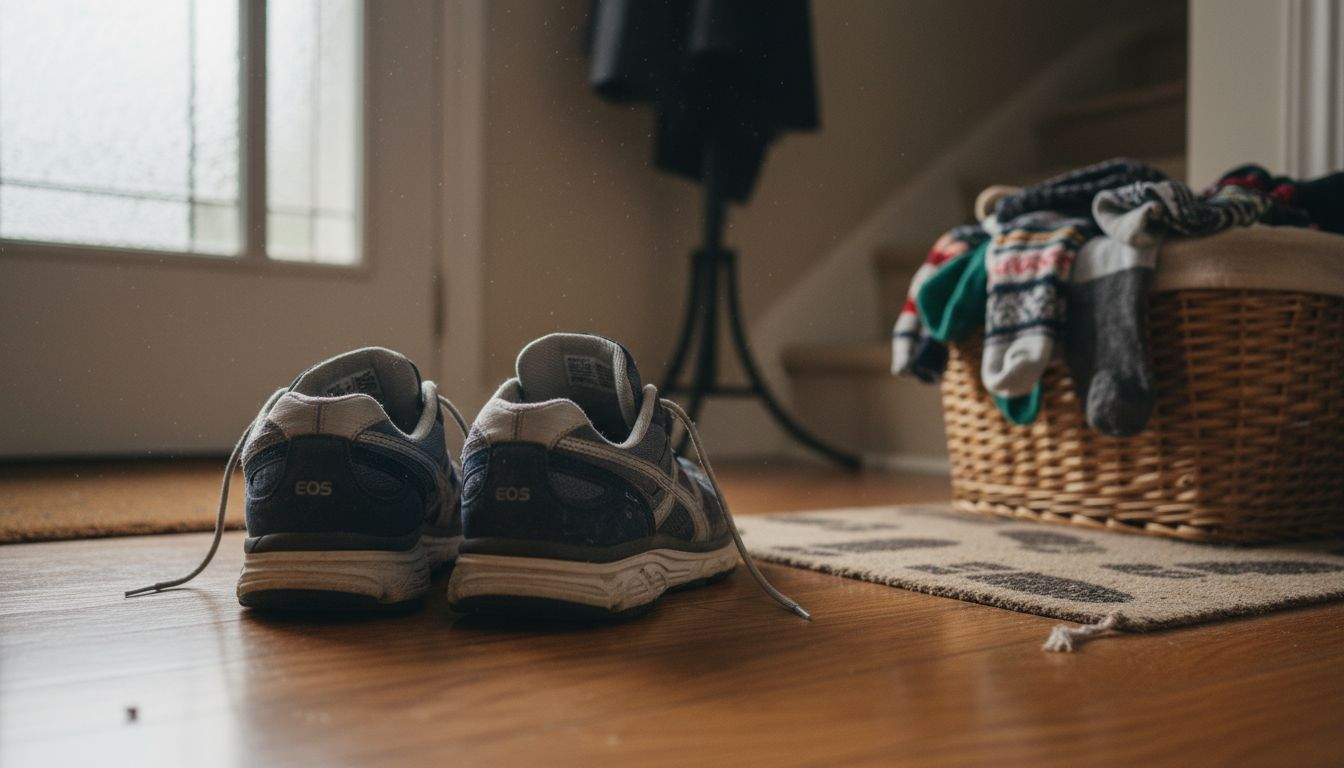
Sole stiffness requires careful balance. Overly rigid soles restrict natural foot movement and force awkward gait patterns. Conversely, excessively flexible soles offer insufficient support during the push-off phase of walking. The ideal sole flexes at the ball of the foot whilst maintaining structural integrity through the arch and heel.
Cushioning protects against impact forces that would otherwise jar your joints with each step. However, cushioning alone cannot correct postural problems without proper support structures. The combination of responsive cushioning with arch support and appropriate sole stiffness creates optimal conditions for healthy posture.
Look for these essential footwear features for foot health:
- Contoured insoles that match your arch height
- Firm heel counters that prevent excessive rearfoot motion
- Adequate toe box space allowing natural toe splay
- Breathable materials that maintain comfort during extended wear
When you evaluate shoe technology, focus on how these features work together rather than isolated attributes. A shoe might advertise superior cushioning but fail to provide the arch support your posture requires.
Pro Tip: Test arch support by pressing your thumb into the insole midfoot area. If it collapses easily, the shoe lacks sufficient structural support for postural health, regardless of how comfortable it feels initially.
Common misconceptions about footwear and posture
Several persistent myths prevent people from making footwear choices that would genuinely improve their posture. These misconceptions often stem from prioritising appearance over biomechanical function.
The belief that fashionable shoes cannot provide adequate support remains widespread but false. Modern footwear technology enables manufacturers to create shoes that meet both aesthetic and biomechanical requirements. Many brands now offer designs that look stylish whilst incorporating the structural features your posture needs.
Survey data shows 65% of respondents who prioritise style over support report increased foot and posture pain within six months. This statistic reveals the real cost of choosing fashion over function. The discomfort often develops gradually, making it easy to overlook the connection between footwear choices and postural problems.
Here are the most damaging misconceptions:
- Cushioning alone ensures good posture (it requires proper support structures too)
- Expensive shoes automatically provide better postural support (price does not guarantee biomechanical design)
- Breaking in uncomfortable shoes will eventually improve posture (poor fit and support never become beneficial)
- Flat shoes always support posture better than heels (some flat shoes lack necessary arch support)
- Orthotic inserts can fix any shoe’s postural problems (severely flawed shoe designs cannot be fully corrected)
High heels deserve particular scrutiny. These shoes fundamentally alter your body’s weight distribution and force compensatory postural changes throughout your spine. The increased load on your lumbar region creates sustained stress that can lead to chronic back pain.
“Choosing footwear based solely on appearance whilst ignoring biomechanical needs sets up a cascade of postural compensations that manifest as pain, often in areas seemingly unrelated to the feet.”
Educating yourself about stylish and supportive footwear examples demonstrates that you need not sacrifice aesthetics for health. The key lies in understanding what features matter and seeking brands that integrate them into appealing designs.
Technological innovations improving posture through footwear
Advanced materials and engineering approaches now enable shoes that actively support posture whilst maintaining contemporary style. These innovations address the biomechanical requirements your body needs without the bulky, clinical appearance of traditional orthotic footwear.
Energy-return materials represent a significant advancement. These compounds compress under impact then release stored energy during toe-off, reducing the muscular effort required for each step. This efficiency decreases overall fatigue, which helps maintain proper posture throughout the day as tired muscles are less able to support correct alignment.
Multi-layer sole structures provide dynamic support that adapts to different phases of your gait cycle. The outer layer handles initial impact absorption whilst inner layers offer stability during midstance. This sophisticated approach mimics how your foot naturally functions when properly supported.
YDA Technology biomechanically stabilises the foot through engineered geometry that guides natural movement patterns. This technology enhances overall posture by ensuring your foot strikes and pushes off in alignment with your body’s optimal mechanics.
Key technological features improving posture include:
- Responsive foam compounds that maintain support properties across temperature ranges
- Anatomically mapped support zones targeting specific pressure points
- Lightweight composite materials providing structure without excess weight
- Moisture-wicking systems that prevent material degradation affecting support
These footwear technology trends in 2026 demonstrate how far the industry has progressed beyond the traditional compromise between style and support. Modern manufacturing techniques allow precise control over material properties and structural characteristics.
The science behind YDA trainers illustrates how biomechanical research translates into practical footwear design. These shoes incorporate evidence-based features that address the specific ways poor footwear undermines posture.
Pro Tip: Look for shoes describing their technology in biomechanical terms rather than vague marketing language. Specific references to arch support angles, energy return percentages, or gait cycle phases indicate genuine engineering focus.
Comparing footwear solutions for posture improvement
Different approaches to postural support through footwear suit varying needs and severity levels. Understanding these options helps you select the most appropriate solution for your specific situation.
| Feature | Custom Orthotic Devices | Supportive Footwear | Standard Shoes + Inserts |
|---|---|---|---|
| Correction Level | High (severe issues) | Moderate (mild to moderate) | Low to moderate |
| Style Options | Limited | Extensive | Depends on shoe |
| Cost | £200-£500 | £80-£200 | £60-£150 |
| Adjustment Period | 2-4 weeks | 1-2 weeks | 1 week |
| Transferability | Can move between shoes | Fixed to specific shoe | Can move between shoes |
| Professional Fitting | Required | Recommended | Optional |
Custom orthotic devices offer maximum correction for severe postural deviations. A podiatrist creates these based on precise measurements and gait analysis. However, they often protrude visibly from shoes and limit your footwear style choices.
Supportive footwear integrates biomechanical features directly into shoe construction. This approach provides substantial postural benefits for mild to moderate issues whilst maintaining aesthetic appeal. The support remains consistent because it forms part of the shoe’s structure rather than a removable insert.
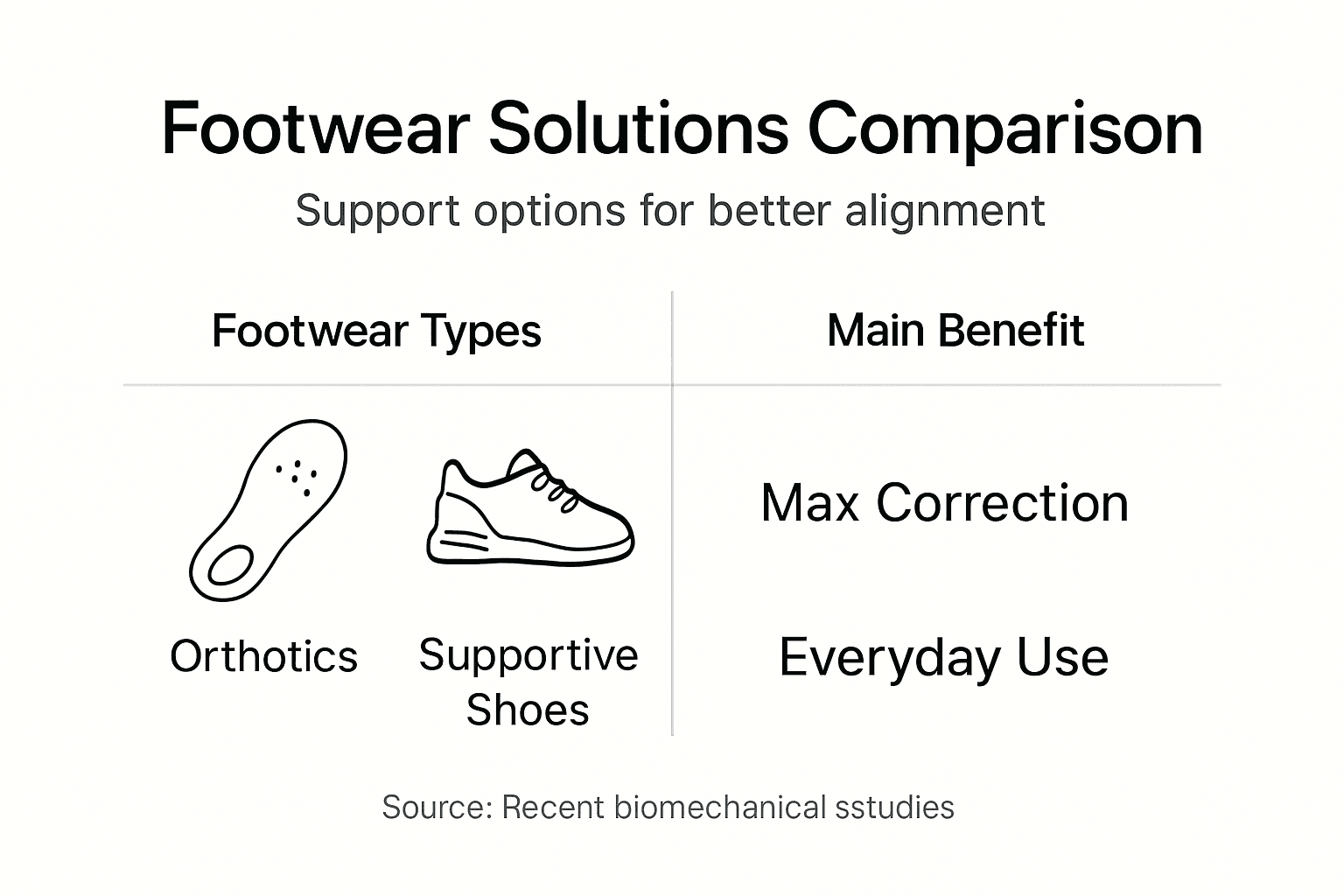
Standard shoes paired with aftermarket inserts offer flexibility and moderate improvement. This option works when you find shoes you love that lack adequate built-in support. Quality varies significantly among inserts, so research and potentially professional guidance remain important.
Motion control footwear benefits certain individuals more than others. Those with significant overpronation or flat feet often require the structured support these shoes provide. Others with neutral gait patterns may find them unnecessarily restrictive.
Some people benefit from combining approaches. You might wear custom orthotics in dress shoes whilst choosing supportive footwear with integrated technology for daily activities. This strategy maximises postural support across different situations and style requirements.
Practical tips to select footwear for better posture
Applying the insights from previous sections requires a systematic approach to footwear selection. These practical strategies help you identify shoes that will genuinely improve your posture rather than merely claiming to do so.
Start by assessing your foot type and current postural issues. Do you overpronate? Is your arch high, neutral, or flat? What specific discomfort do you experience? Answering these questions guides you toward appropriate features and technologies.
When shopping, test shoes later in the day when your feet are slightly swollen to their largest size. This timing ensures you select shoes that remain comfortable during extended wear. Walk around the shop observing how the shoes affect your natural gait and whether you notice any immediate pressure points.
Prioritise brands incorporating proven technologies. Look beyond marketing claims to actual biomechanical features. Does the shoe provide structured arch support? Is the sole appropriately stiff through the midfoot? Can you identify multiple support layers?
Key selection criteria:
- Adequate arch support matching your foot type
- Firm heel counter preventing excessive rearfoot motion
- Flexible forefoot allowing natural toe-off
- Sufficient cushioning without sacrificing stability
- Breathable materials maintaining comfort during long wear
Examine stylish supportive footwear examples to understand how quality shoes balance aesthetics with function. Notice how well-designed footwear incorporates support structures without obvious clinical appearance.
Consider your lifestyle requirements when choosing shoes for daily wear. Shoes you wear consistently matter more than those reserved for special occasions. Your daily footwear has the greatest cumulative impact on your postural health.
Pro Tip: The “twist test” reveals sole stiffness. Hold the shoe at heel and toe, then try twisting. A quality supportive shoe will resist twisting through the midfoot whilst flexing at the ball of the foot. Shoes that twist easily anywhere lack the structural integrity your posture needs.
Replace shoes when you notice decreased support or visible wear patterns indicating breakdown of structural components. Even the best footwear loses effectiveness over time as materials compress and degrade.
Enhance your posture with YDA supportive footwear
You now understand how footwear choices directly impact your postural health and overall comfort. Implementing this knowledge requires finding shoes that genuinely integrate the biomechanical features discussed throughout this guide.
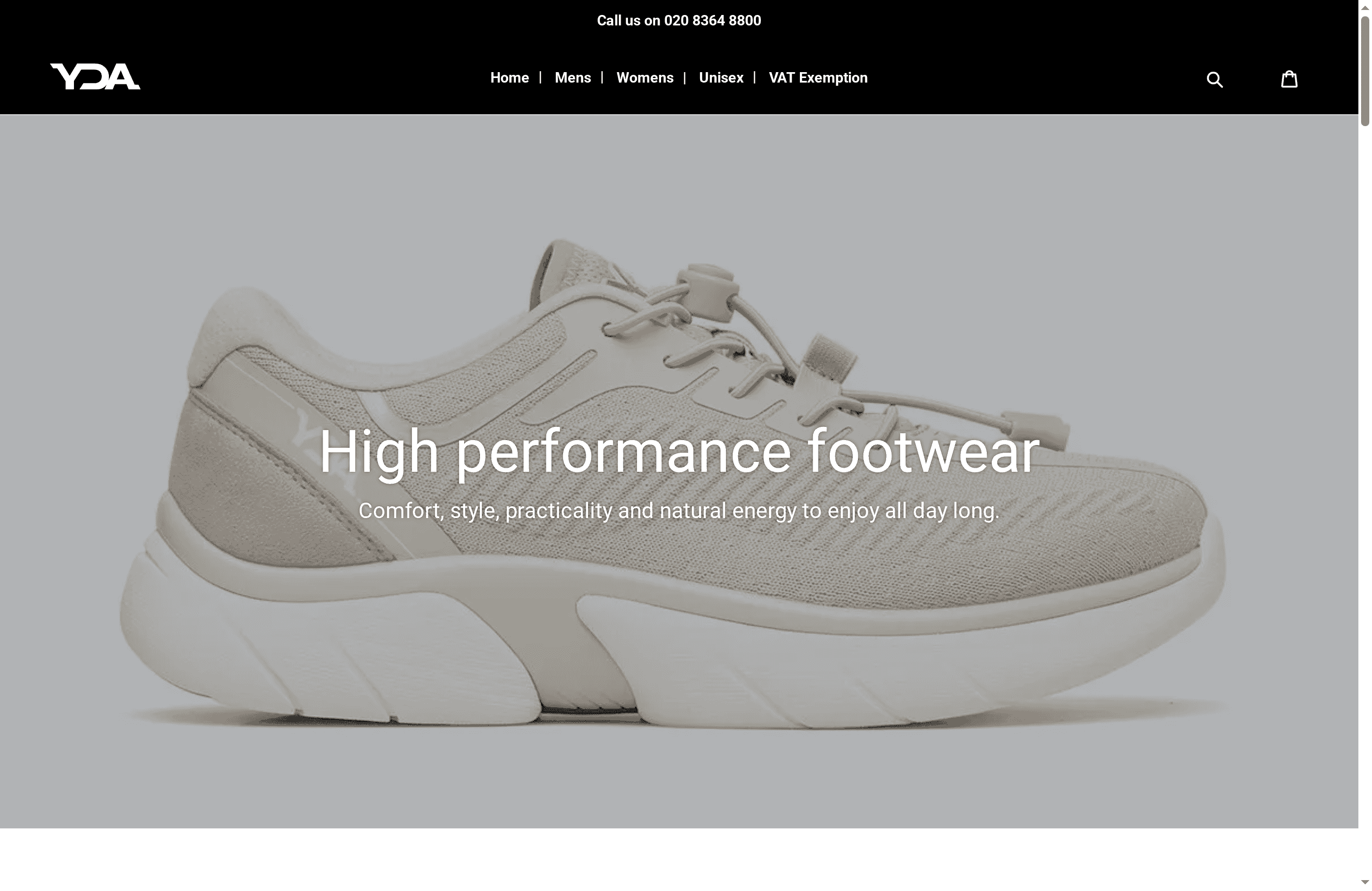
YDA combines cutting-edge footwear technology with contemporary style specifically for people prioritising both aesthetics and postural support. Each design incorporates arch stabilisation, responsive cushioning, and sole structures engineered to guide natural gait patterns. The result is footwear that actively enhances your alignment whilst complementing your personal style.
When selecting shoes for energy and comfort, YDA’s range addresses diverse foot types and lifestyle needs. Whether you require motion control features or prefer neutral support with energy return, options exist that meet your specific biomechanical requirements. Learn about YDA shoe technology to understand how these innovations translate into real postural benefits. Explore stylish footwear examples demonstrating that supporting your posture need not compromise your aesthetic preferences.
Frequently asked questions about footwear and posture
What footwear features most improve posture?
Arch support provides the greatest postural benefit by stabilising your foot and preventing excessive pronation that affects pelvic tilt. Appropriate sole stiffness through the midfoot maintains this stability during gait. Responsive cushioning reduces impact forces that would otherwise compromise your ability to maintain proper alignment throughout the day.
Can stylish shoes also provide good posture support?
Modern footwear technology enables shoes that are both fashionable and biomechanically supportive. Advanced materials and engineering approaches integrate arch support, stability features, and cushioning into contemporary designs. The key lies in selecting brands that prioritise biomechanical function alongside aesthetic appeal rather than focusing exclusively on appearance.
How does poor footwear cause back pain?
Shoes lacking proper support allow excessive foot motion that forces compensatory changes in pelvic position. This altered pelvic tilt affects your lumbar spine curvature, creating sustained stress on spinal structures. Over time, these compensations strain muscles and ligaments throughout your back, manifesting as chronic pain that seems unrelated to your feet.
Are orthotic devices always better than supportive shoes?
Custom orthotics provide superior correction for severe postural deviations requiring maximum intervention. However, quality supportive footwear often suffices for mild to moderate issues whilst offering better style options and convenience. Many people achieve excellent results with supportive shoes that integrate biomechanical features directly into their construction.
What signs indicate I need posture-supportive footwear?
Persistent lower back pain, foot fatigue by midday, visible foot pronation when standing, or uneven shoe wear patterns all suggest your current footwear fails to support proper posture. You might also notice knee discomfort, hip pain, or neck tension stemming from compensatory postural changes. These symptoms often improve significantly when you switch to properly supportive shoes.
Recommended
- Role of Stability in Footwear – Impact on Foot Health – YDA UK
- Role of Shoes in Joint Health – Impact and Solutions – YDA UK
- Role of Footwear in Reducing Fatigue: Key Insights – YDA UK
- Orthotic-Friendly Footwear: Enhancing Comfort and Foot Health – YDA UK
- Performance Wheel Upgrade Guide 2026: Cut 3 Seconds Fast