
Identifying shoe technology benefits for diabetic footwear
Finding footwear that balances style with genuine comfort remains a persistent challenge for people managing diabetes or foot conditions. Swollen feet, reduced sensation from neuropathy, and limited mobility create specific needs that standard shoes simply cannot address. Advanced shoe technology now offers targeted solutions, from adjustable fit systems to non-slip soles, designed specifically for these concerns. Understanding which technological features deliver real benefits helps you make informed choices that support both foot health and personal style. This guide reveals how to identify and evaluate the key innovations that matter most for your comfort and safety.
Table of Contents
- Understanding Shoe Fit Benefits For Diabetic And Swollen Feet
- Safety And Stability: The Role Of Non-Slip Soles
- Ease Of Use: Design Features For Mobility And Dexterity Challenges
- When To Seek Specialised Footwear: Limits Of Shoe Technology
- Explore YDA UK’s Selection Of Technology-Enhanced Footwear
- Frequently Asked Questions
Key takeaways
| Point | Details |
|---|---|
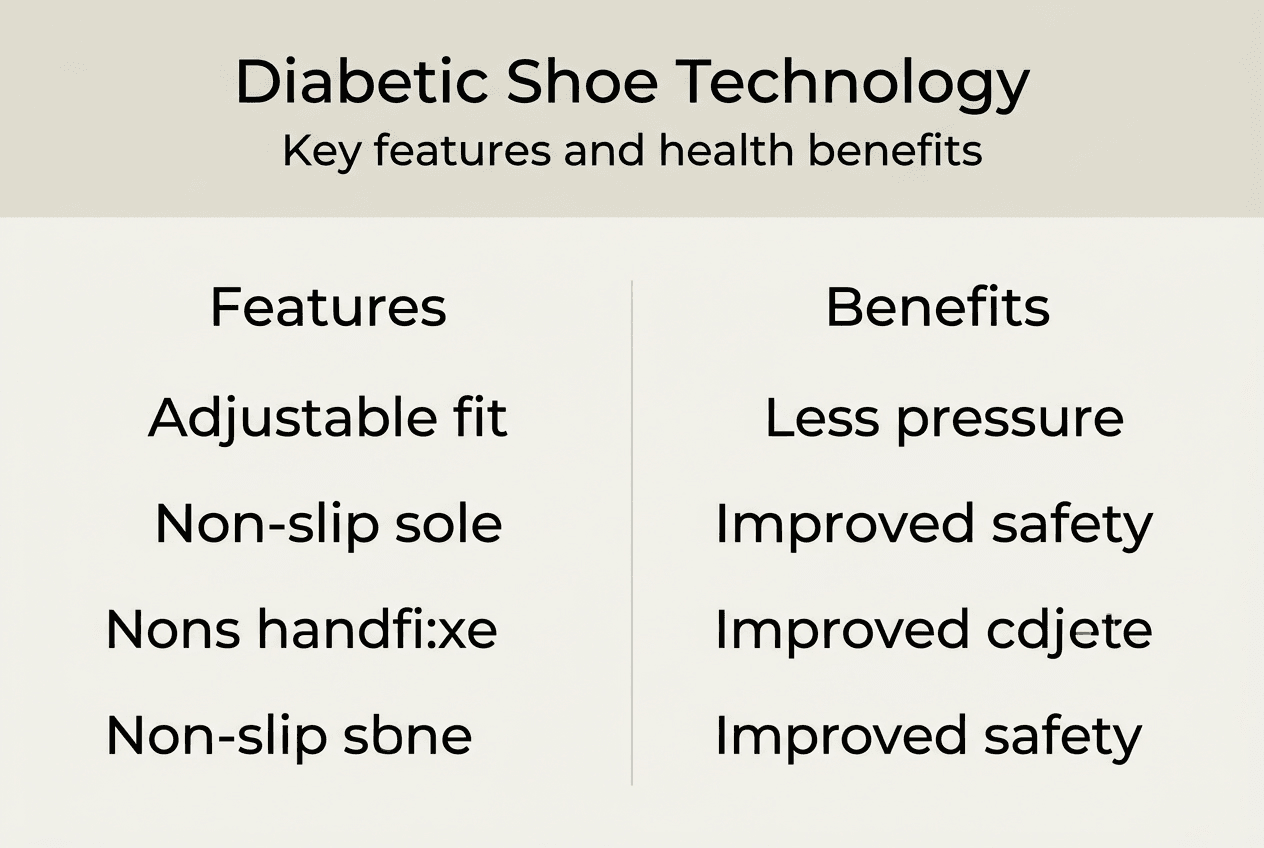
| Adjustable fit accommodates swelling | Extra width and customisable closures adapt to daily foot size fluctuations common with diabetes |
| Non-slip soles enhance safety | Specialised grip technology reduces fall risks on various surfaces for neuropathy sufferers |
| Easy entry supports mobility | Wide openings and simplified fastenings help those with limited dexterity put shoes on independently |
| Professional guidance remains essential | Severe deformities may require custom orthotics beyond what technology-enhanced shoes can provide |
Understanding shoe fit benefits for diabetic and swollen feet
Proper fit stands as the foundation of diabetic footwear effectiveness. People with diabetes frequently experience foot swelling throughout the day, making standard shoe widths uncomfortable or even dangerous. FitVille Diabetic Shoes are designed with extra width and adjustable features to accommodate swollen feet, common for diabetes and neuropathy. This adaptability prevents the pressure points that can quickly develop into serious complications.
Your feet deserve room to breathe and expand naturally. Shoes with shoe width for diabetics considerations typically offer deeper toe boxes and wider midfoot areas, creating space that traditional footwear lacks. Adjustable straps, elastic panels, or hook-and-loop closures let you modify the fit multiple times daily as swelling increases or decreases. This flexibility proves particularly valuable for managing fluctuations caused by medication, activity levels, or temperature changes.
Pro Tip: Check your shoe fit in the afternoon when feet tend to be most swollen, ensuring adequate room throughout the entire day.
The health implications of proper fit extend beyond mere comfort. Ill-fitting shoes create friction and pressure that healthy skin might tolerate but diabetic skin cannot. Reduced blood flow and nerve damage mean injuries heal slowly and often go unnoticed until they become severe. Pressure sores can develop into ulcers within hours, not days. Extra width and adjustable features actively prevent these complications by distributing pressure evenly across the foot’s surface.
Modern diabetic footwear successfully merges medical necessity with contemporary aesthetics. Manufacturers now understand that people want shoes that look good whilst protecting their health. You no longer need to choose between orthopedic function and stylish appearance. The selecting shoes for swollen feet guide demonstrates how current designs incorporate fashionable elements alongside therapeutic features.
Consider these essential fit features when evaluating footwear:
- Extra depth to accommodate custom insoles or orthotics
- Seamless interiors that eliminate friction points
- Breathable materials that reduce moisture and heat buildup
- Multiple width options beyond standard sizing
The table below shows how adjustable features address specific diabetic foot challenges:
| Foot Challenge | Technology Solution | Primary Benefit |
|---|---|---|
| Morning to evening swelling | Hook-and-loop straps | Customisable fit throughout day |
| Neuropathy numbness | Extra wide toe box | Prevents unnoticed pressure injuries |
| Reduced circulation | Seamless construction | Eliminates friction and rubbing |
| Custom orthotic use | Removable insoles with extra depth | Accommodates medical devices |
Safety and stability: the role of non-slip soles
Falls represent one of the most serious risks for people with diabetic neuropathy. Reduced sensation in the feet means you cannot feel when shoes begin to slip on smooth surfaces. The shoes feature non-slip soles, enhancing safety and confidence on various floor surfaces. This seemingly simple feature dramatically reduces accident risks that could lead to devastating injuries.
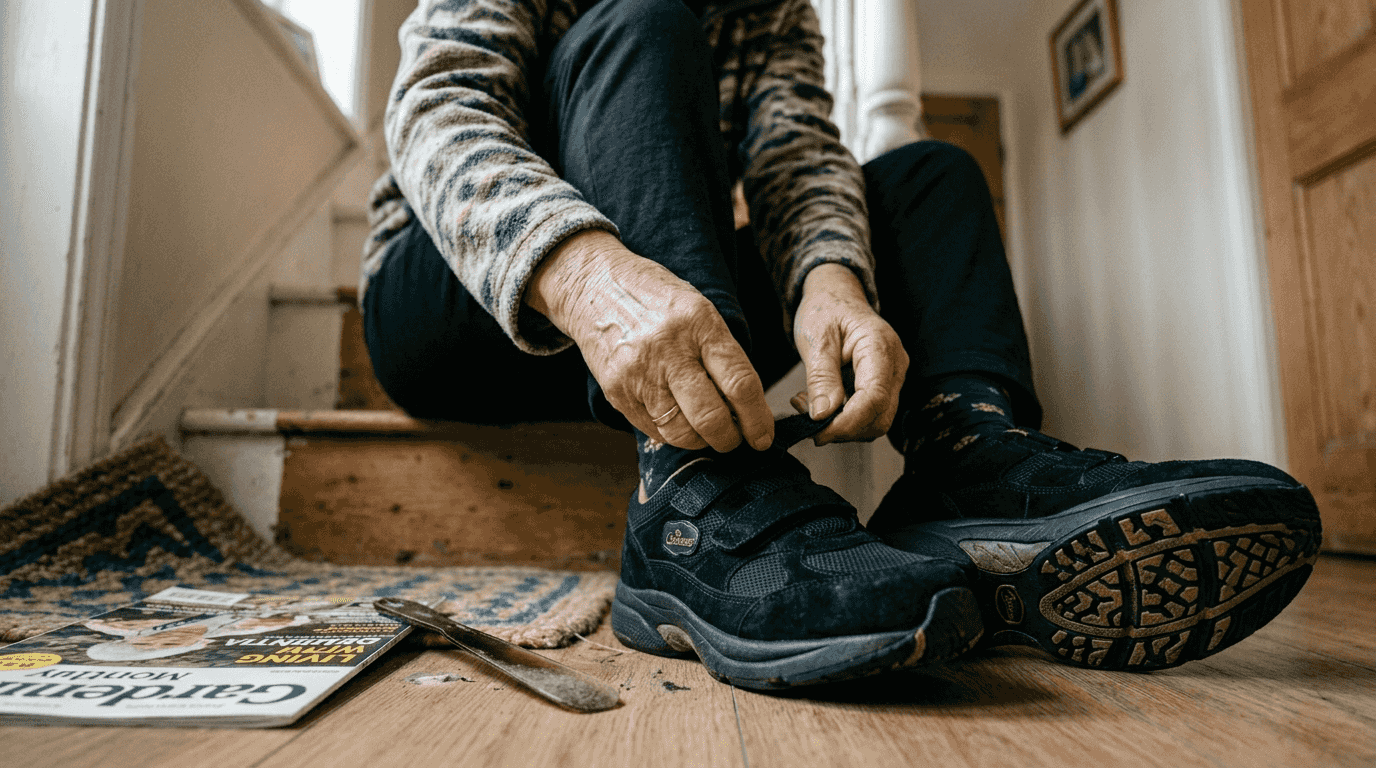
Non-slip sole technology employs specialised rubber compounds and tread patterns engineered for maximum grip. Unlike standard shoe soles that prioritise aesthetics or lightweight construction, these designs focus purely on traction. The materials remain flexible enough for natural foot movement whilst maintaining their grip across wet tiles, polished floors, outdoor pavements, and other challenging surfaces. You gain stability without sacrificing comfort or mobility.
Pro Tip: Test sole grip by attempting a gentle slide on your kitchen floor, the surface where most indoor falls occur.
The psychological benefits of reliable traction match the physical safety advantages. Many people with neuropathy develop anxiety about walking on certain surfaces, limiting their activities and independence. Knowing your shoes provide dependable grip restores confidence for everyday tasks like shopping, visiting friends, or simply moving around your home. This mental reassurance supports overall wellbeing and quality of life.
“I can walk on any surface without fear of slipping. The grip gives me back the confidence I lost when neuropathy started affecting my balance.” – verified customer review
Durability considerations matter equally to initial performance. Non-slip soles must maintain their grip properties through months of regular wear. Quality materials resist wearing smooth, a common problem with cheaper alternatives. The anti-slip footwear health safety features explain how premium compounds balance longevity with effectiveness. Investing in proven technology pays dividends through extended protection.
Key indicators of effective non-slip technology include:
- Multi-directional tread patterns that grip in all movement directions
- Rubber compounds rated for wet and dry traction
- Sole flexibility that maintains ground contact during walking
- Wear indicators showing when replacement becomes necessary
Understanding shoe fit for diabetics reveals how sole technology integrates with overall design. The best diabetic shoes coordinate non-slip bases with proper cushioning and support structures. This holistic approach addresses multiple safety and comfort needs simultaneously, creating footwear that truly serves your health requirements.
Ease of use: design features for mobility and dexterity challenges
Putting on shoes should never become a frustrating ordeal. The shoes are easy to put on and take off, beneficial for individuals with limited mobility or dexterity. Arthritis, reduced flexibility, or hand strength limitations make traditional laces and narrow openings nearly impossible to manage independently. Technology-enhanced designs eliminate these barriers through thoughtful engineering.
Wide throat openings allow feet to enter shoes without excessive bending or force. You can slide your foot in smoothly rather than struggling to squeeze through a tight opening. Some designs incorporate elastic side panels that expand during entry then gently secure around the foot. Others use oversized pull tabs positioned for easy grasping. These features transform the basic act of putting on shoes from a painful challenge into a simple, dignified task.
Consider these ease-of-use innovations ranked by effectiveness:
- Hook-and-loop straps requiring minimal finger strength to operate
- Elastic lacing systems that adjust automatically to foot shape
- Heel loops large enough for assistive devices or limited grip strength
- Side zippers providing maximum opening width with single-hand operation
- Slip-on designs with structured heels preventing collapse during entry
Pro Tip: Practice putting shoes on whilst seated to reduce balance risks and make the process more manageable.
Lightweight materials reduce fatigue during wear, another crucial consideration often overlooked. Heavy shoes drain energy with every step, particularly problematic for people already managing chronic conditions. Modern materials like engineered mesh and advanced foam compounds deliver structure and support without unnecessary weight. You maintain mobility longer without the exhaustion traditional orthopedic shoes often cause.
The choosing shoes for neuropathy guide emphasises how ease of use directly impacts compliance. If shoes prove difficult to manage, people simply stop wearing them, negating all their protective benefits. Designs that respect real-world limitations encourage consistent use. You actually wear the shoes that help you, rather than leaving them in the wardrobe whilst resorting to easier but less supportive alternatives.
Accessibility features benefit everyone, not just those with diagnosed conditions. Ageing naturally reduces flexibility and hand strength. Temporary injuries can limit mobility. Universal design principles create footwear that serves broader populations whilst excelling for those with specific needs. The neuropathy footwear diabetic comfort innovations demonstrate how medical necessity drives improvements that enhance general usability.
When to seek specialised footwear: limits of shoe technology
Technology-enhanced shoes offer remarkable benefits but cannot address every foot health challenge. Individuals with severe foot deformities or conditions like Charcot foot may need custom-moulded footwear in addition to or instead of technology-enhanced shoes. Recognising these limitations protects you from relying on inadequate solutions when medical intervention becomes necessary.
Charcot foot, a serious complication causing bone weakening and deformity, requires specialised orthotic devices that standard footwear cannot provide. The condition creates unique structural challenges demanding custom moulding to distribute pressure safely. Similarly, severe bunions, hammertoes, or other deformities may progress beyond what adjustable features can accommodate. Professional assessment determines whether off-the-shelf technology suffices or custom solutions become essential.
Pro Tip: Schedule annual foot examinations with a podiatrist to catch developing issues before they require custom interventions.
Advanced shoe technology complements medical care rather than replacing it. Your footwear works alongside glucose management, regular examinations, and professional wound care as part of comprehensive diabetes management. The diabetic footwear selection guide emphasises this integrated approach. Shoes provide daily protection, but they cannot substitute for medical expertise when complications arise.
Warning signs indicating you may need specialised intervention include:
- Persistent pressure sores despite wearing properly fitted diabetic shoes
- Visible foot deformities that standard widths cannot accommodate
- Wounds that fail to heal within expected timeframes
- Significant gait changes or balance problems during walking
The relationship between footwear technology and medical devices deserves careful consideration. Custom orthotics prescribed by podiatrists require shoes with sufficient depth and width to accommodate them properly. Some technology-enhanced shoes specifically design for orthotic compatibility, featuring removable insoles and extra interior volume. Others prioritise built-in support that may conflict with custom devices. Understanding types of diabetic footwear helps you select options compatible with your complete treatment plan.
“Technology shoes gave me comfort for years, but when my Charcot foot developed, I needed custom moulding. Both solutions have their place in my foot care routine.” – podiatry patient testimonial
Combining technological footwear with professional care delivers optimal outcomes. Regular monitoring catches problems early when less invasive solutions still work. Technology-enhanced shoes prevent many complications from developing initially. When issues do arise, established relationships with healthcare providers ensure prompt, appropriate responses. This layered approach maximises both prevention and treatment effectiveness.
Explore yda uk’s selection of technology-enhanced footwear
Now that you understand the key technological benefits to seek, exploring practical options becomes your next step. YDA UK specialises in shoes for problem feet, curating collections that prioritise the adjustable fit, safety features, and ease of use detailed throughout this guide. Their range addresses diabetic needs, neuropathy concerns, and mobility challenges through proven design innovations.
Each product listing provides detailed specifications about width options, closure systems, sole technology, and material construction. You can compare features directly rather than guessing which shoes might work. The technology of YDA shoes page explains the engineering behind their comfort and support systems, helping you make informed decisions based on your specific requirements. Browse their selection to find footwear that combines medical functionality with the style you deserve.
Frequently asked questions
What should I look for in diabetic shoes?
Prioritise adjustable closures like hook-and-loop straps that accommodate daily swelling fluctuations. Seek extra width options and seamless interiors that prevent pressure points and friction. Non-slip soles provide essential safety on various surfaces. Adequate cushioning protects feet from impact whilst maintaining stability. The what makes shoes diabetic friendly guide offers comprehensive selection criteria.
How do non-slip soles benefit people with neuropathy?
Neuropathy reduces foot sensation, making it difficult to detect when shoes begin slipping on smooth surfaces. Specialised grip technology maintains traction across wet tiles, polished floors, and outdoor pavements. This prevents falls that could cause serious injuries, particularly dangerous for people with reduced healing capacity. The anti-slip footwear safety features explain how proper traction supports independence and confidence during daily activities.
Can I wear technology-enhanced shoes if I have severe foot deformities?
Severe deformities often require custom-moulded footwear or specialised orthotics that standard shoes cannot provide. Conditions like advanced Charcot foot need professional assessment and custom solutions. Technology-enhanced shoes work well for mild to moderate conditions but cannot replace medical devices for severe cases. Consult a podiatrist to determine appropriate footwear for your specific situation. The diabetic footwear selection guide helps identify when professional intervention becomes necessary.
How often should I replace diabetic shoes?
Replace diabetic shoes every six months to one year depending on wear patterns and activity levels. Inspect soles regularly for worn tread that compromises grip. Check interiors for developing seams or rough spots that could cause friction. Cushioning compresses over time, reducing protective benefits. Worn footwear loses the technological advantages that protect your feet, making timely replacement essential for continued safety and comfort.
Do technology-enhanced shoes work with custom orthotics?
Many technology-enhanced shoes specifically accommodate custom orthotics through removable insoles and extra depth construction. Check product specifications for orthotic compatibility before purchasing. Some designs prioritise built-in support that may conflict with custom devices. Shoes designed for orthotic use typically indicate this feature prominently. Ensure adequate width and depth to house both your orthotic and your foot comfortably without creating new pressure points.