
Everyday shoe checklist: your 2026 guide for the UK
TL;DR:
- A good everyday shoe must fit well, support the arch, and have breathable materials to prevent foot problems. Selecting versatile styles like trainers, walking shoes, loafers, ankle boots, sandals, and formal options ensures suitability for various daily activities. Proper shoe fit, construction, and maintenance are essential for comfort, durability, and foot health.
A solid everyday shoe checklist covers five non-negotiables: proper fit, arch support, cushioning, sole flexibility, and breathable materials. Get those right and most foot problems simply do not happen. Get them wrong and even a beautiful pair of shoes becomes a liability by lunchtime.
Here is what your daily footwear essentials list should include before you buy anything:
- Fit: a comfortable amount of space in the toe box, snug heel, no pinching at the sides
- Width: matched to your actual foot width, not just length
- Arch support: suited to your foot type (flat, neutral, or high arch)
- Cushioning: thick enough for your daily activity level, springy not rock-hard
- Sole design: flexes at the toe, firm through the midfoot
- Removable insole: allows custom orthotic compatibility if needed
- Breathable upper: mesh or quality leather depending on climate and use
- Heel counter: firm enough to hold the heel in place without collapsing
For most people, six core shoe styles cover virtually every daily situation: a casual trainer, a walking shoe, a loafer or smart flat, an ankle boot, a sandal, and one formal option. Experts at Bedfordshire foot care recommend prioritising versatility, quality construction, and classic shapes over trend-led choices. That framework applies whether you are building a wardrobe from scratch or editing down an overcrowded shoe rack.
Table of Contents
- 1. Casual trainers: the workhorse of everyday wear
- 2. Walking shoes for high-mileage days
- 3. Loafers and smart flats for work and social settings
- 4. Ankle boots for versatility across seasons
- 5. Minimalist and barefoot shoes for foot strength
- 6. Sandals for warmer months and indoor use
- How your foot type changes everything
- What to look for in shoe construction
- Common mistakes that cost you comfort and money
- How to make your shoes last longer
- Ydauk: footwear built around foot health technology
- Key takeaways
1. Casual trainers: the workhorse of everyday wear
Casual trainers handle more daily mileage than any other shoe type, which is precisely why the construction matters so much. A good one transitions from the morning commute to weekend errands without complaint.
- New Balance 574 or 990 series: wide-fit options available, excellent cushioning, and a last shape that suits neutral to mild overpronation. Genuinely built for all-day wear rather than performance running.
- Adidas Stan Smith: a leather upper that ages well, minimal cushioning so better for light daily use than long walks, and one of the most versatile silhouettes for office-casual settings.
- Allbirds Wool Runners: merino wool upper regulates temperature well in the UK’s variable climate, and the natural fibre reduces odour on longer days. Lighter on cushioning than foam-heavy trainers.
- ASICS Gel-Kayano or Gel-Nimbus: built around pronation control and substantial midsole cushioning. If you spend most of your day on your feet, these deliver where fashion trainers fall short.
The key distinction between a casual trainer and a performance running shoe is the last shape. Running shoes are built for forward motion; a trainer with a wider, flatter last distributes weight more evenly for standing and walking. For choosing everyday shoes that genuinely work across settings, the trainer category rewards careful selection more than any other.
2. Walking shoes for high-mileage days
Walking shoes occupy a specific niche between trainers and running shoes. They prioritise a secure heel fit, durable outsole, and a sole that bends at the ball of the foot rather than the arch.
- HOKA Bondi or Clifton: thick, cushioned midsoles with a rocker geometry that reduces stress on the heel and forefoot. Particularly useful for anyone who stands on hard floors for long periods.
- Brooks Addiction Walker: motion-control construction for overpronators, with a leather upper that holds its shape over years of use. A podiatrist favourite for good reason.
- Saucony Echelon: wide-fit friendly, removable insole, and a stable platform. Works well for flat-footed wearers who need motion control without bulk.
Shock absorption and sole design are especially critical for anyone covering significant ground on pavement. NHS Lanarkshire podiatry guidance notes that rocker bottom soles reduce stress on feet and lower legs, making them worth seeking out if fatigue is a recurring problem.
3. Loafers and smart flats for work and social settings
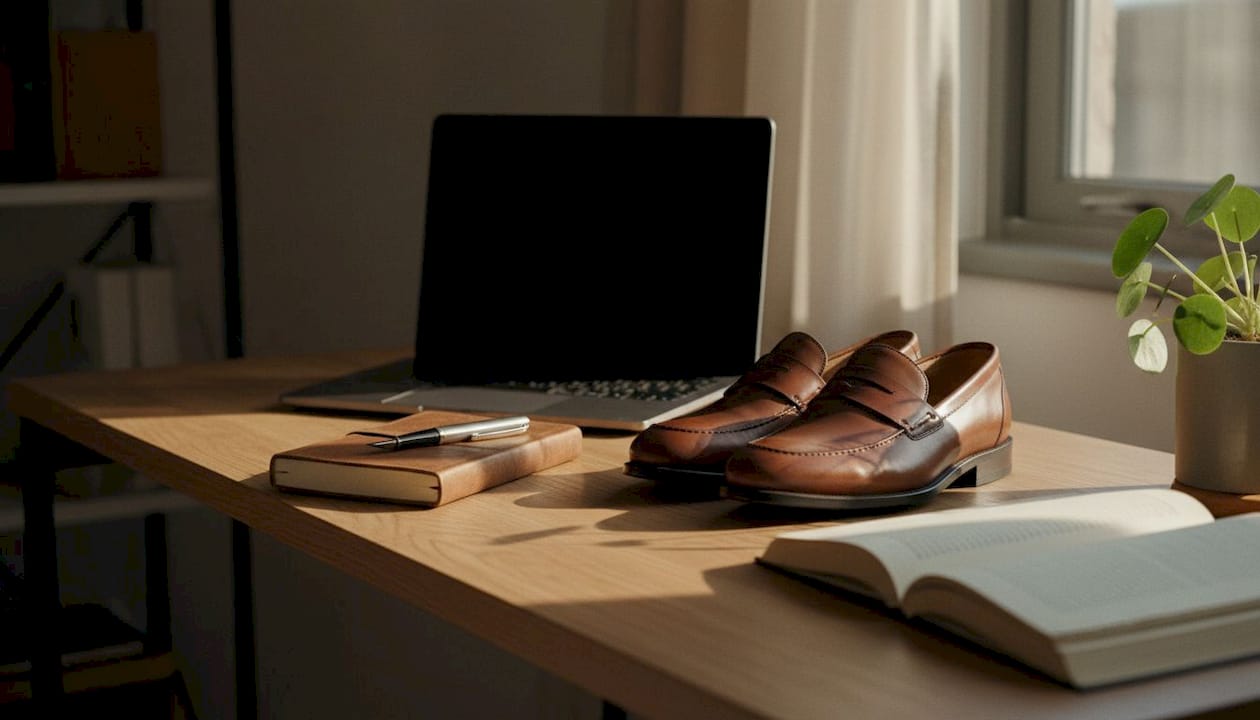
A well-made loafer bridges smart-casual and professional dress codes without requiring the sacrifice of comfort that heels demand. The catch is that many loafers on the market offer almost no arch support, so construction quality matters enormously here.
- Look for a loafer with a cushioned footbed rather than a flat leather insole glued directly to the last.
- A slight heel elevation (around 1.5–2.5 cm) distributes weight more evenly than a completely flat sole.
- Leather or suede uppers hold their shape better than synthetic alternatives and mould to the foot over time.
Ariat produces loafers and smart work shoes with genuine arch support built into the last, originally developed for equestrian use but increasingly popular with professionals who stand all day. Their construction quality is noticeably above the average high-street loafer.
4. Ankle boots for versatility across seasons
A good ankle boot is arguably the most versatile item in a UK shoe wardrobe, covering everything from wet commutes to weekend walks to smart-casual evenings. The key is finding one with enough sole depth to handle British pavements and enough structure to support the foot properly.
- Blundstone 500 series: Chelsea boot construction with a TPU sole, elastic side panels, and a removable footbed. Waterproof enough for most UK weather, durable enough to last years, and genuinely comfortable from day one.
- Look for a heel counter that does not collapse when you squeeze it. A boot that lets the heel slide will cause blisters within hours.
- Ankle boots with a lug sole offer better grip on wet leaves and uneven surfaces, which matters more in the UK than most buyers anticipate.
The Blundstone is worth singling out because it fits the everyday shoe checklist criteria almost perfectly: removable insole, firm heel counter, flexible forefoot, and a sole that handles varied terrain. It is not the most stylish option in every context, but it is one of the most practical.
5. Minimalist and barefoot shoes for foot strength
VivoBareFoot sits at the opposite end of the cushioning spectrum from HOKA, and that is the point. Minimalist shoes with a wide toe box and thin, flexible sole encourage the foot’s intrinsic muscles to work as they are designed to, which can improve stability and reduce certain types of chronic foot pain over time.
- These are not suitable as a first shoe for everyone. Transitioning from heavily cushioned footwear to minimalist shoes takes weeks, not days.
- The wide toe box is the feature most worth adopting even if you never go fully minimalist. Cramped toe boxes are a leading cause of bunions and hammertoes.
- VivoBareFoot’s construction uses natural and recycled materials, which suits buyers prioritising sustainability alongside foot health.
Minimalist shoes work best as part of a rotation rather than a sole daily option, particularly for anyone with existing foot conditions.
6. Sandals for warmer months and indoor use
A sandal earns its place in the daily footwear rotation when it offers more than just an open upper. Flip-flops with no arch support are not a daily footwear essential; a contoured sandal with a footbed is.
- Look for a sandal with a moulded footbed that follows the arch rather than a flat foam base.
- Adjustable straps allow a precise fit across different foot widths, which matters more in sandals than in closed shoes.
- A rubber outsole with some texture prevents slipping on wet tiles and smooth floors.
For UK summers, a quality sandal handles light walking, casual social settings, and indoor wear. Pair it with a walking shoe for any day involving more than an hour on your feet.
How your foot type changes everything
Your foot type determines which features matter most, and buying without knowing yours is the single most common mistake in shoe selection. The wet test is the simplest way to check: wet the sole of your foot and step onto a piece of cardboard or dark paper.
Flat feet (overpronation):
- The footprint shows almost the full outline of the foot with little inward curve.
- You need stability or motion-control shoes with a firm medial post.
- Brooks Addiction Walker, Saucony Echelon, and ASICS Gel-Kayano are built for this.
- A firm heel counter is non-negotiable; without it, the foot rolls inward with every step.
High arches (supination/underpronation):
- The footprint shows only a thin strip connecting heel and forefoot.
- You need extra cushioning and flexibility rather than motion control.
- HOKA’s rocker geometry and New Balance’s cushioned platforms suit this type well.
- Orthotic insoles with lateral support can help distribute load more evenly.
Neutral arches:
- The footprint shows a clear curve roughly halfway across the foot.
- You have the widest range of suitable shoes, but moderate support and cushioning still beat a flat, unsupported sole.
- Most casual trainers and walking shoes work well here.
Shoe width compatibility is just as important as arch type. Too narrow causes bunions and pinching; too wide causes blisters from the foot sliding inside the shoe. Many brands now offer 2E and 4E wide fittings, and finding the right width can transform a shoe that felt mediocre into one that feels made for you. For a broader look at how sizing and fit interact, the guidance on finding clothes that fit applies the same principles across apparel categories.
What to look for in shoe construction
The way a shoe is built determines how long it supports you, not just how it looks on the shelf. Four components deserve close attention.
Heel counter: Squeeze the back of the shoe. If it collapses easily, it will not hold your heel in place during walking. A firm heel counter is especially critical for flat-footed wearers who need lateral stability.
Midsole: Press the midsole with your thumb. It should feel springy and resilient, not rock-hard or so soft it offers no resistance. Materials like EVA foam and polyurethane each have different rebound characteristics; the feel test matters more than the label.
Sole flexibility: A shoe that folds in half has insufficient midfoot support. The correct flex point is at the toe line only. Hold the heel in one hand and the toe in the other, then gently bend. A good shoe resists folding through the arch.
Removable insole: An insole you can lift out means you can replace it with a custom orthotic or a better aftermarket footbed. Glued-in insoles lock you into whatever support the manufacturer decided to include, which is rarely enough for people with specific foot needs.
Pro Tip: Before buying, hold the shoe at each end and try to twist it along its length. A shoe that twists easily through the midfoot offers poor torsional support. Some give is normal; full rotation is not.
For materials, leather provides durability and structure but lower breathability, while mesh uppers offer superior airflow at the cost of some structural support. In the UK climate, a leather or leather-lined shoe handles autumn and winter better; mesh suits summer and indoor environments.
Common mistakes that cost you comfort and money
Most shoe-buying regrets come from the same handful of errors, and they are all avoidable.
- Buying tight and expecting stretch. NHS guidance is clear: shoes must fit comfortably straight out of the box. A shoe that pinches in the shop will cause lasting pain at home.
- Shopping in the morning. Feet swell during the day. Trying shoes in the afternoon or evening gives you a fit that holds up through all-day wear rather than one that tightens later in the day, such as by mid-afternoon.
- Prioritising style over width. A shoe that looks right but is too narrow will cause bunions and blisters over time. Width is not a secondary consideration.
- Ignoring activity-specific needs. A trainer suited to casual errands is not the right choice for a day of standing on concrete. Match the shoe to the primary demand.
- Wearing one pair every day. Rotating two or three pairs lets each shoe dry out and recover its cushioning between uses, extending lifespan and maintaining consistent support.
The correct shoe fitting steps matter as much as the shoe itself. A well-constructed shoe fitted badly performs worse than a modest shoe fitted well.
How to make your shoes last longer
Good shoes are an investment, and basic care extends that investment considerably.
Clean the upper regularly with a material-appropriate cleaner: a damp cloth for mesh, a leather conditioner for smooth leather, a suede brush for napped finishes. Dirt left to dry into the upper breaks down the fibres faster than wear does.
Use shoe trees in leather footwear when not in use. Cedar shoe trees absorb moisture and hold the shape of the last, preventing the creasing that eventually cracks leather. For trainers and walking shoes, removing the insole and leaving the shoe to air after each wear achieves a similar result.
Replace insoles before the cushioning compresses fully. Most insoles lose meaningful support well before the outsole shows visible wear. If your feet feel more tired than usual in shoes that once felt comfortable, the insole is usually the first thing to check.
Store shoes away from direct sunlight and heat sources. UV exposure fades and dries out leather; heat accelerates the breakdown of EVA foam midsoles. A cool, ventilated spot is all that is needed.
Ydauk: footwear built around foot health technology
Most everyday shoes ask you to compromise: comfort or style, support or looks. Ydauk was built on the premise that you should not have to choose.
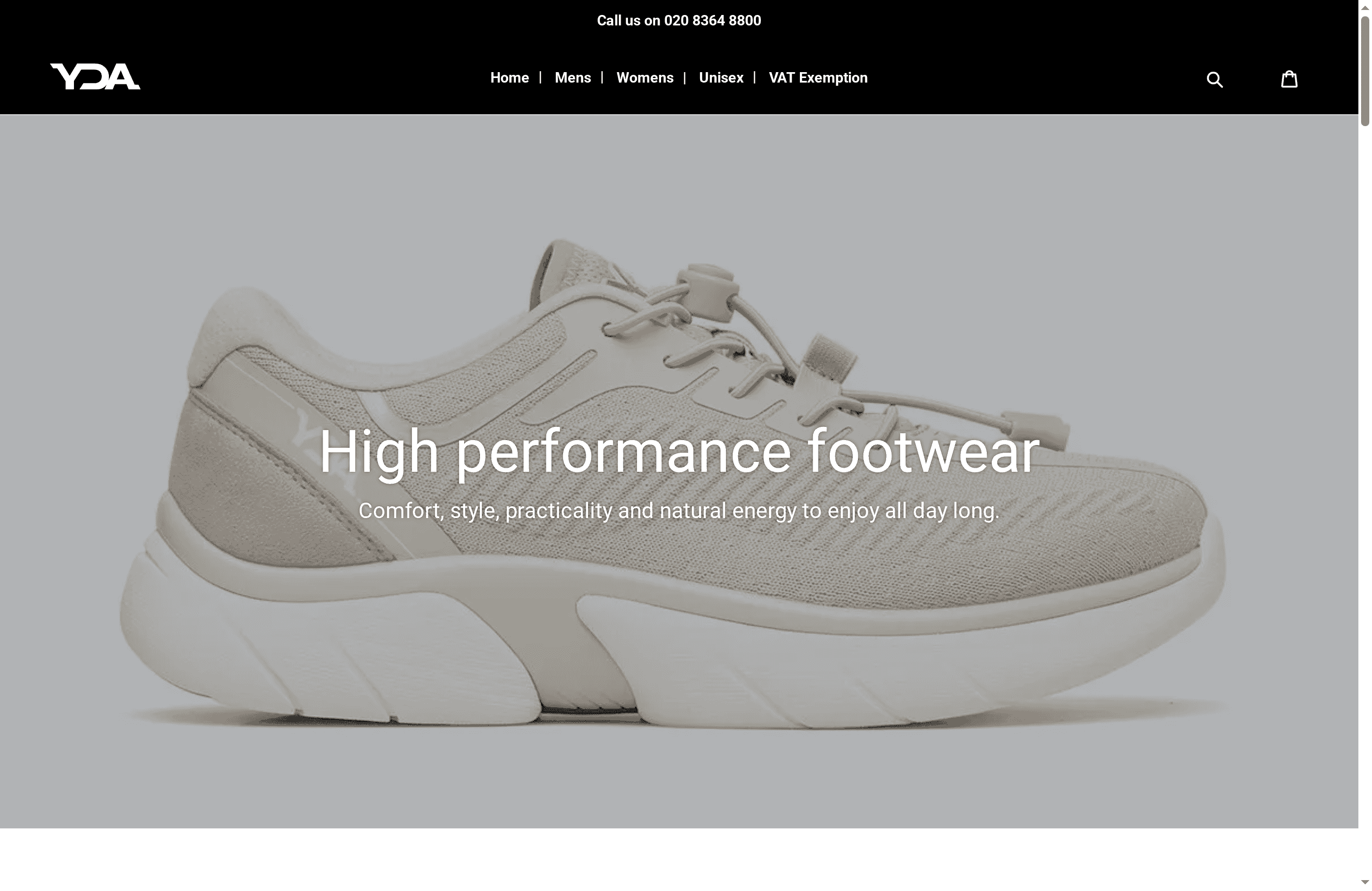
Ydauk’s range centres on YDA Technology, a proprietary approach to shoe construction that prioritises foot health and energy efficiency alongside aesthetics. Where standard footwear brands treat support as a secondary feature, Ydauk integrates it into the core design. The result is a shoe that meets the criteria on this checklist without requiring you to sacrifice how it looks. For anyone who has worked through this guide and wants footwear that already ticks the boxes on fit, support, and construction quality, exploring YDA shoe technology is a logical next step. Visit ydauk.com to see the current range and check availability.
Key takeaways
A functional everyday shoe wardrobe requires six core styles, chosen around your foot type and daily demands, not around trends.
| Point | Details |
|---|---|
| Fit comes first | Aim for a thumb-width of space in the toe box and a snug, non-sliding heel. |
| Match shoes to foot type | Flat feet need motion control; high arches need cushioning and flexibility; neutral arches suit most styles. |
| Test construction before buying | Check sole flex at the toe only, squeeze the heel counter, and confirm the insole is removable. |
| Avoid the break-in myth | Shoes must feel comfortable immediately; discomfort in the shop will worsen with wear. |
| Ydauk integrates foot health technology | Ydauk’s YDA Technology builds support and energy efficiency into the shoe design from the ground up. |