
7 Essential Steps for a Footwear Buying Checklist
Finding the perfect pair of shoes is rarely straightforward. Whether you struggle with aching feet, balance concerns, or simply want footwear that keeps up with your daily routine, your shoe choice matters more than you might think. Poor fit or lack of support can lead to discomfort, reduced stability, or even an increased risk of falls—especially as your feet change over time.
The good news is that you can make your next purchase far more successful by following a set of expert-backed principles. This guide will show you what makes footwear truly supportive, how advances like smart shoes and innovative midsoles make a difference, and the crucial steps to finding your ideal fit. Get ready for practical insights you can put to use right away—your feet will thank you.
Table of Contents
- 1. Assess Your Specific Foot Health Needs
- 2. Check for Advanced Support Technology Features
- 3. Ensure Proper Sizing and Fit Accuracy
- 4. Evaluate Comfort and Cushioning Materials
- 5. Consider Style and Everyday Wear Versatility
- 6. Review Product Availability and Inventory Updates
- 7. Confirm After-Sales Support and Customer Assistance
Quick Summary
| Key Insight | Explanation |
|---|---|
| 1. Assess Your Individual Foot Needs | Understanding specific foot health requirements is crucial for selecting suitable footwear to prevent injuries and enhance comfort. |
| 2. Prioritise Proper Sizing and Fit | Accurate shoe sizing is essential for comfort and performance, with emphasis on measuring feet at the day’s end to account for natural swelling. |
| 3. Evaluate Comfort and Cushioning | Choosing shoes with appropriate cushioning materials can significantly improve comfort and reduce injury risks by absorbing shocks effectively. |
| 4. Consider Advanced Support Technologies | Familiarise yourself with innovative features in footwear that enhance performance and comfort, especially for athletes and active individuals. |
| 5. Ensure After-Sales Support | Verify the quality of customer assistance and after-sales support, including return policies and warranty coverage, before making a purchase. |
1. Assess Your Specific Foot Health Needs
Understanding your individual foot health requirements is the critical first step in selecting the right footwear. Your feet are unique, with specific biomechanical needs that vary based on age, medical history, activity level, and potential existing conditions.
Every person’s foot structure differs, which means a one-size-fits-all approach to shoe shopping is fundamentally flawed. Age, weight, previous injuries, and underlying health conditions significantly impact foot comfort and stability. For older adults especially, proper footwear becomes crucial in preventing potential falls.
Specific health considerations like muscle weakness, neuropathy, balance disorders, or structural deformities such as bunions require targeted footwear solutions. Some individuals might need shoes with firm heel collars, supportive laces, textured soles, or specialised stability features to enhance mobility and reduce injury risk.
To effectively assess your foot health needs, consider consulting healthcare professionals such as podiatrists or physiotherapists. They can provide comprehensive evaluations of your foot structure, gait analysis, and personalised recommendations for footwear that supports your specific requirements.
Expert Tip: Schedule an annual foot health assessment to track changes in your foot structure and adjust your footwear strategy accordingly.
2. Check for Advanced Support Technology Features
Modern footwear has transformed far beyond simple protection for your feet, incorporating sophisticated technological innovations designed to enhance performance and comfort. Understanding these advanced support technologies can significantly impact your walking and athletic experience.
Footwear engineering now integrates cutting-edge features that go beyond traditional design. Advanced sensor technologies are revolutionising how shoes interact with human biomechanics. Smart shoes can now monitor health metrics, track fitness performance, and provide personalised feedback through embedded sensors and intelligent materials.
Key technological features to consider include midsole geometries that optimise energy return, carbon fibre plates for improved running economy, and materials engineered to provide superior cushioning. These innovations are not merely marketing gimmicks but scientifically developed solutions aimed at reducing injury risk and enhancing overall foot support.
For athletes and active individuals, carbon fibre plate technologies can measurably improve running speeds and efficiency. Some advanced running shoes have demonstrated performance increases of approximately 2% through innovative design elements that optimise energy transfer and reduce muscular fatigue.
Expert Recommendation: When shopping for footwear, request a detailed explanation of the support technologies integrated into each shoe model to ensure you select the most appropriate option for your specific needs.
3. Ensure Proper Sizing and Fit Accuracy
Proper shoe sizing is far more nuanced than simply selecting a number that seems familiar. Your footwear’s fit can dramatically impact comfort, performance, and overall foot health, making precise measurement critical.
Most people are unaware that feet change size and shape throughout the day, which is why professional shoe fitting recommendations suggest measuring feet later in the day. This approach accounts for natural foot swelling and provides a more accurate sizing assessment.
When trying on shoes, ensure approximately 3/8 to 1/2 inch of space at the toe area, allowing natural movement without compression. The shoe should embrace your foot securely, preventing heel slippage while avoiding uncomfortable rubbing or chafing. Pay particular attention to width and depth, as these factors are just as crucial as length.
Footwear recommendations for older adults emphasise selecting shoes with wider toe boxes, firm heel support, and secure fastening mechanisms like laces or adjustable straps. These features become increasingly important for maintaining stability and preventing potential falls.
Expert Recommendation: Always measure both feet and use the larger foot’s measurements as your primary sizing guide to ensure optimal comfort and support.
4. Evaluate Comfort and Cushioning Materials
The right cushioning materials can transform your footwear from a basic necessity into a personalised comfort experience. Understanding the science behind shoe cushioning helps you make informed choices that protect your feet and enhance overall walking comfort.
Innovative midsole technologies are revolutionising how we think about shoe comfort. Modern cushioning goes beyond simple padding, with researchers developing materials that can be strategically tailored to different areas of the foot. Polyurea foams with varying densities now allow for targeted cushioning that addresses specific pressure points and movement patterns.
When evaluating cushioning, consider how different materials interact with ground impact forces. Cushioning stiffness directly influences shock absorption, which can significantly reduce stress on your musculoskeletal system. Softer materials typically provide lower impact peaks, potentially decreasing injury risks during activities like running or walking.
Look for shoes that offer graduated cushioning zones designed to provide support where your foot needs it most. Pay attention to how different materials respond to your specific walking or running style, understanding that comfort is not a universal experience but a personalised requirement.
Expert Recommendation: Test shoes by walking on different surfaces and paying attention to how the cushioning material responds to your unique foot mechanics and movement patterns.
5. Consider Style and Everyday Wear Versatility
Modern footwear is no longer just about protection. It is a dynamic expression of personal identity and lifestyle, blending performance with aesthetic appeal in ways that reflect your individual needs and preferences.
Sportswear design trends now emphasise creating shoes that seamlessly transition between different environments. Your ideal shoe should move effortlessly from morning commutes to casual evening gatherings, eliminating the need for multiple footwear changes throughout the day.
Contemporary consumers increasingly demand multipurpose shoes that do not compromise on style or functionality. This means selecting footwear that offers technical performance features while maintaining a sleek, adaptable design that complements various outfits and activities.
Footwear versatility research indicates that cultural and social factors play significant roles in shoe selection. Consider how your chosen footwear represents your personal brand and lifestyle, looking for designs that communicate both practicality and individual style.
Prioritise shoes with neutral colour palettes and clean lines that can be dressed up or down, ensuring maximum wardrobe compatibility. Pay attention to material quality, construction details, and design elements that allow seamless transitions between different social and professional contexts.
Expert Recommendation: Invest in shoes with minimalist designs and neutral tones that can effortlessly complement multiple outfits while providing consistent comfort and performance.
6. Review Product Availability and Inventory Updates
Navigating the current footwear marketplace requires strategic planning and an understanding of inventory dynamics. Your ability to secure the perfect pair of shoes depends on more than just finding the right style and fit.
Consumer buying patterns reveal significant shifts in purchasing behaviours. Recent studies indicate that consumers are increasingly sensitive to product availability, with frequent size shortages and inventory inconsistencies potentially disrupting brand loyalty.
To make informed purchasing decisions, develop a proactive approach to tracking product availability. This means regularly checking online inventories, signing up for restock notifications, and understanding seasonal variation in shoe stock levels. Manufacturing inventory reports can provide valuable insights into potential supply chain challenges that might affect your preferred footwear options.
Consider creating a flexible shopping strategy that includes multiple size and style alternatives. This approach helps mitigate disappointment when specific models are unavailable and allows you to adapt quickly to changing inventory landscapes.
Expert Recommendation: Maintain a list of alternative shoe models and sizes as backup options, and remain flexible in your purchasing approach to navigate potential inventory limitations.
7. Confirm After-Sales Support and Customer Assistance
After-sales support represents the final critical checkpoint in your footwear purchasing journey. Effective customer assistance can transform a simple transaction into a comprehensive consumer experience that extends well beyond the initial purchase.
Responsible supply chain management emphasises the importance of transparent and responsive customer service. This means looking beyond the immediate product and evaluating the comprehensive support infrastructure that surrounds your potential purchase.
When assessing after-sales support, examine multiple dimensions including return policies, warranty coverage, repair services, and communication channels. Consider requesting detailed information about exchange procedures, potential repair options, and the company’s approach to addressing product issues.
Sourcing compliance resources suggest that robust customer assistance reflects a company’s commitment to quality and consumer satisfaction. Look for businesses that offer clear communication pathways, multiple contact methods, and demonstrable responsiveness to customer concerns.
Expert Recommendation: Before finalising your purchase, directly contact the customer service team with a specific query to gauge their responsiveness, knowledge, and willingness to provide comprehensive support.
Below is a comprehensive table summarising the main recommendations and insights discussed throughout the article regarding strategies for selecting effective and suitable footwear for various needs.
| Topic | Details | Key Recommendations |
|---|---|---|
| Assess Specific Foot Health Needs | Understand unique considerations such as age, activity level, and medical requirements. | Consult healthcare professionals such as podiatrists for personalised evaluations. |
| Check for Support Technology Features | Explore advancements like intelligent cushioning, carbon-fibre plates, and health sensors in footwear. | Request explanations about integrated footwear technologies to align with your activity needs. |
| Ensure Proper Sizing and Fit Accuracy | Measure foot dimensions carefully, addressing swelling and fit across toe space, width, and depth. | Prioritise shoes with secure features such as laces or adjustable straps, and measure later in the day for optimal sizing. |
| Evaluate Comfort and Cushioning | Consider midsole innovations and strategic material applications to reduce impact forces and enhance foot support. | Test on various surfaces to identify cushioning materials responding favourably to your movement patterns. |
| Consider Style and Wear Versatility | Look for stylish yet functional designs that transition between different environments. | Choose minimalist, neutral designs to complement various outfits, offering both practicality and individuality. |
| Review Product Availability and Updates | Monitor inventory and stock levels to ensure access to desired footwear models. | Maintain backup options and use inventory alerts to acquire selections promptly. |
| Confirm After-Sales Support | Evaluate return policies, warranties, and customer service responsiveness from the retailer. | Contact customer service prior to purchase to assess their capability in addressing post-purchase concerns. |
Find Your Perfect Pair with YDA UK
Choosing the right footwear can be overwhelming when you consider fit accuracy, advanced support technologies and cushioning comfort, all crucial to maintaining foot health and stability. If you want shoes that truly meet your needs and reduce injury risk, explore our curated range designed with these essential factors in mind.
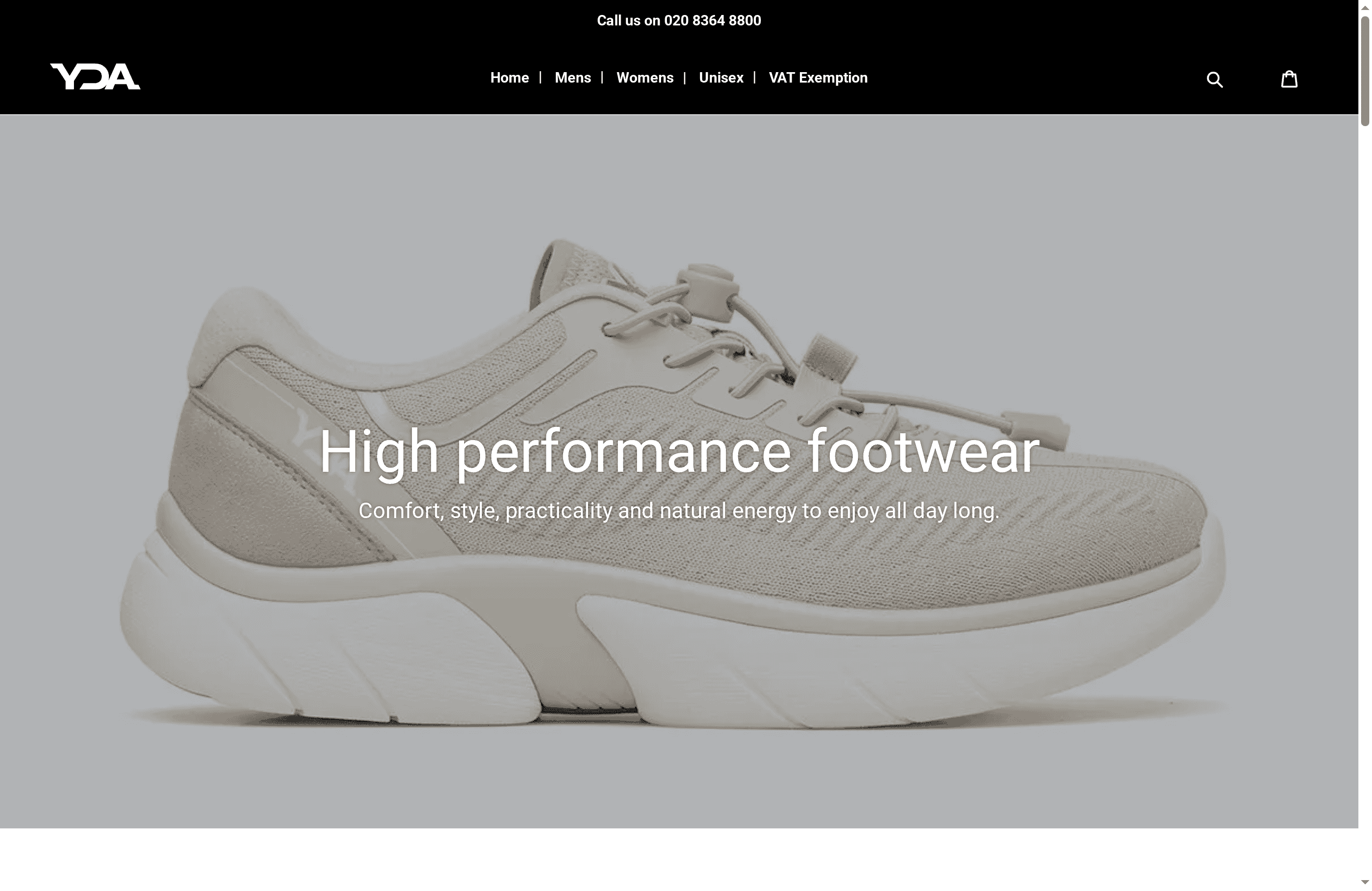
Experience footwear that combines cutting-edge comfort and style by visiting our Shoes – YDA UK collection. Whether you need everyday wear or specialised support, our innovative Womens – YDA UK selection offers options that blend advanced foot health technology with versatility and elegance. Start your journey today at https://ydauk.com and step confidently into footwear designed for your unique lifestyle.
Frequently Asked Questions
How can I assess my specific foot health needs before buying shoes?
Understanding your individual foot health requirements is crucial in selecting the right footwear. Start by consulting a healthcare professional like a podiatrist for a comprehensive evaluation of your foot structure and gait analysis to ensure you choose shoes that meet your specific needs.
What advanced support technology features should I look for in footwear?
Modern footwear often includes advanced support technologies that enhance comfort and performance. Research the specific features such as midsole geometries and cushioning materials that optimise energy return or reduce injury risk, and take note of how these can benefit your walking or athletic activities.
How do I ensure proper sizing and fit accuracy when trying on shoes?
To confirm the right shoe size, measure your feet later in the day to account for natural swelling. Ensure there is approximately 3/8 to 1/2 inch of space at the toe area and evaluate both width and depth to achieve the most comfortable fit.
What types of cushioning materials should I evaluate for comfort?
When shopping for footwear, focus on the cushioning materials that best suit your needs. Test for graduated cushioning zones and consider how various materials respond to your foot mechanics, ensuring the shoes effectively absorb impact while providing adequate support.
How can I confirm product availability before making a purchase?
Before finalising your decision, check multiple sources for product availability of your desired footwear. Create a proactive strategy by signing up for restock notifications and keeping an alternative list of shoe models and sizes, so you can quickly adapt to any inventory changes.
Why is after-sales support important when buying shoes?
After-sales support ensures a satisfactory consumer experience beyond the initial purchase. Before purchasing, evaluate the company’s return policies and customer service responsiveness to ensure they offer adequate assistance in case you encounter any issues with your footwear.