
Types of everyday athletic shoes: your 2026 guide
TL;DR:
- Choosing the correct athletic shoe depends on your main activity and foot type. A neutral or stability running shoe worn at least 80% of the time provides versatile support and foot health. Rotating between two pairs extends shoe lifespan and reduces injury risk.
Everyday athletic shoes are classified by their intended motion pattern and structural design, making shoe type the single most important factor for foot health and daily comfort. The right choice depends on whether you run, train, walk, or simply move through a busy day. A well-made neutral running shoe offers the most versatile support for everyday use, and experts recommend wearing a supportive, performance-engineered shoe at least 80% of the time. Understanding the types of everyday athletic shoes available in 2026 means you can match your footwear to your actual routine rather than guessing.
What are the main types of everyday athletic shoes?
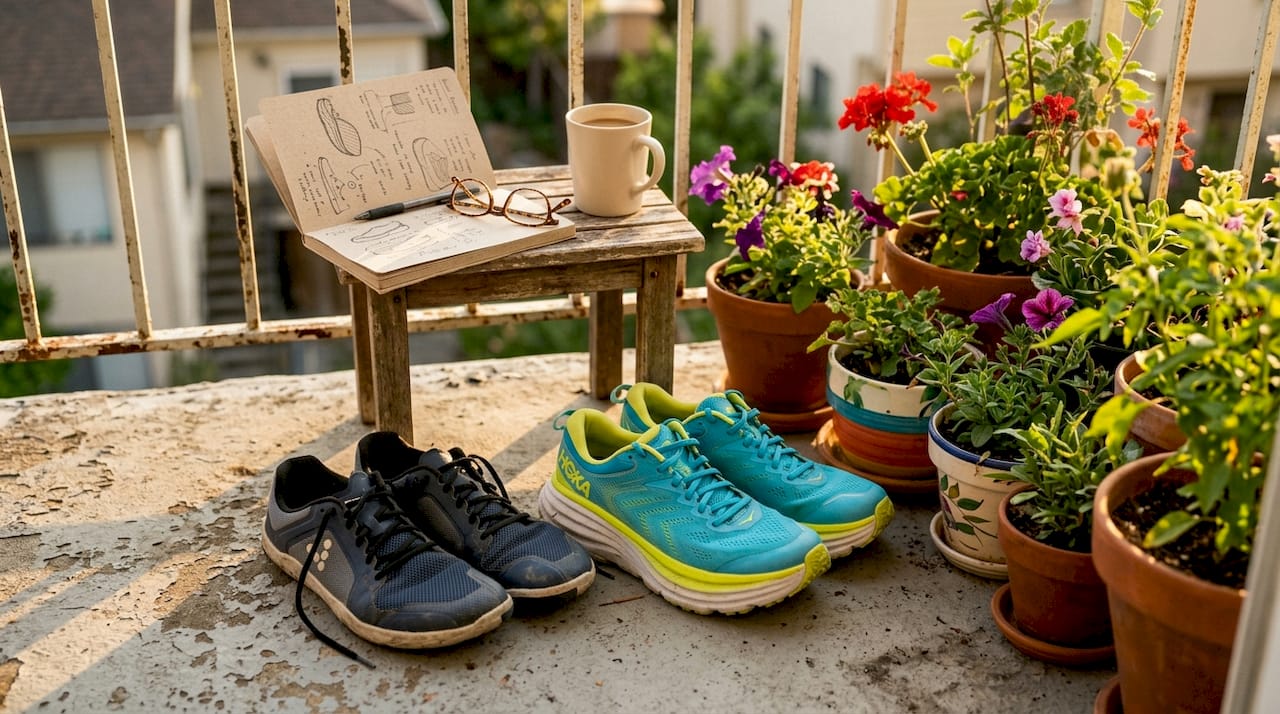
Athletic footwear falls into four broad categories: running shoes, training shoes, lifestyle shoes, and specialised types. Each category is built around a distinct movement pattern, and choosing the wrong one leads to discomfort, poor support, and avoidable foot problems. Athletic shoes differ by movement pattern, which is why a shoe that works brilliantly for a 10k run may feel unstable during a gym session.
- Running shoes are built for forward motion. They feature high shock absorption, a pronounced heel-to-toe drop of 8–12mm, and thick midsole cushioning to protect joints over long distances.
- Training shoes prioritise lateral stability and ground contact. Their heel drop sits between 0–6mm, which keeps the foot flat and responsive during side-to-side movements.
- Lifestyle and walking shoes focus on all-day comfort. They offer moderate cushioning and a relaxed fit suited to standing, commuting, and casual wear.
- Specialised shoes include carbon-plated super shoes, trail running shoes, court shoes, and weightlifting shoes. Each is engineered for a narrow set of conditions and performs poorly outside that context.
Knowing which category fits your day is the first step. The sections below break each type down further so you can match your shoe to your actual activity.
How do support levels and foot conditions affect shoe choice?
Running shoes are further divided into seven types based on the level of structural support they provide. Seven main running shoe types help match foot biomechanics and terrain for optimal comfort. That range matters because overpronation, supination, and neutral gait each demand a different construction.
- Neutral cushioning shoes suit feet with a neutral gait or a tendency to supinate (roll outward). They offer even cushioning without corrective features.
- Stability shoes add a firmer medial post or guide rail to control mild to moderate overpronation. They are the most widely sold category for good reason.
- Motion control shoes provide maximum arch support and a rigid structure for severe overpronation. They are heavier but protect the ankle and knee over time.
- Trail shoes feature aggressive outsole lugs and reinforced uppers for off-road terrain. They are not ideal for pavement or gym floors.
- Lightweight racing flats sacrifice cushioning for speed. They suit short, fast efforts rather than daily wear.
- Maximalist shoes use thick, highly cushioned soles to reduce impact forces. Market preference has shifted noticeably towards this category for joint protection.
- Minimalist shoes strip cushioning back to near zero, encouraging natural foot movement. They require a long adaptation period and are unsuitable for most everyday wearers.
The market trend away from minimalist designs towards maximalist cushioning reflects growing awareness of joint health over long walking days. If you are unsure of your gait type, a gait analysis at a specialist running shop takes under ten minutes and removes all guesswork.
Pro Tip: Have your gait assessed before buying. Wearing a stability shoe on a neutral foot, or vice versa, creates new problems rather than solving existing ones.
What shoe features best suit specific activities?
Matching shoe characteristics to your primary activity prevents the most common footwear mistakes. Choosing the right shoe depends on whether daily steps or workouts dominate your routine. The table below maps key features to common activities.
| Activity | Recommended shoe type | Key features to prioritise |
|---|---|---|
| Road running | Neutral or stability running shoe | High cushioning, 8–12mm heel drop, breathable upper |
| Gym training | Training shoe | Low heel drop (0–6mm), lateral support, flat sole |
| Walking and standing all day | Running or dedicated walking shoe | Moderate cushioning, rigid sole, arch support |
| Trail running | Trail shoe | Lugged outsole, rock plate, protective upper |
| Casual daily wear | Lifestyle shoe | Comfort fit, moderate sole, stylish design |
| Weightlifting | Lifting shoe | Raised heel, very rigid sole, minimal cushioning |
Running shoes work well as a default for walking and prolonged standing because their cushioning absorbs impact across thousands of steps. Training shoes are the better pick for gym sessions that involve squats, lunges, or lateral drills, because their flat sole keeps you stable and connected to the ground. Lifestyle sneakers prioritise comfort and style over intensive support, making them fine for low-activity days but a poor choice for long commutes or standing shifts.
Pro Tip: If your day mixes a morning run with an afternoon at a standing desk, keep two pairs and swap between them. Your feet will thank you by the end of the week.
What are carbon-plated super shoes, and are they right for daily wear?
Carbon-plated super shoes are a specialised category of high-performance running footwear designed exclusively for racing efficiency. They are not a type of everyday athletic shoe in any practical sense, despite their growing presence in mainstream retail.
- Construction: Super shoes feature soles up to 40mm thick and an embedded carbon fibre plate that stores and returns energy with each stride.
- Cost: Prices typically range from £160 to £400, placing them well above standard daily trainers.
- Purpose: They are engineered for forward propulsion over long distances at race pace, not for lateral movement, standing, or casual walking.
- Limitations: Their rigid, thick sole design increases instability during multi-directional movement and raises injury risk when worn off speciality conditions.
Carbon-plated super shoes deliver genuine performance gains for trained runners on race day. Worn daily for commuting, gym work, or casual errands, the same design becomes a liability. The lateral instability that is irrelevant at race pace becomes a real ankle risk on uneven pavements or gym floors.
The high cost and limited durability outside racing contexts make super shoes a poor investment for everyday wear. If you want the feel of a responsive, cushioned shoe without the instability, a maximalist daily trainer is a far more sensible choice.
Which factors should guide your everyday shoe selection?
The single most useful rule is to match your shoe type to the activity you do more than 50% of the time. The one-shoe-does-everything approach underdelivers because running shoes prioritise cushioning whilst training shoes offer stability. Neither does both jobs equally well.
- Prioritise activity match. If you walk more than you run, a supportive walking or neutral running shoe serves you better than a gym-specific trainer.
- Check sole rigidity. Casual footwear marketed as sporty often lacks real structural support. A sole that folds easily in your hands will not support your arch through a full day.
- Consider foot health conditions. Flat feet, high arches, plantar fasciitis, and heel pain each point towards specific support categories. A foot health shoe guide can help narrow the options.
- Rotate your shoes. Alternating shoe types reduces injury risk and extends shoe life by distributing musculoskeletal stress across different structures.
- Replace on schedule. Most running and training shoes lose meaningful cushioning after 500–800km of use. Worn-out shoes feel comfortable but no longer protect.
Fashion trends in athletic footwear shift quickly. The 2025 and 2026 fashion cycles have pushed chunky, maximalist silhouettes into mainstream style, which happens to align well with foot health priorities. You can look current and wear a genuinely supportive shoe at the same time.
Pro Tip: Buy your athletic shoes in the afternoon or evening when your feet are at their largest. A shoe that fits perfectly at 9AM may feel tight after a full day on your feet.
Key takeaways
The most effective everyday athletic shoe is a neutral or stability running shoe worn at least 80% of the time, matched to your foot type and primary daily activity.
| Point | Details |
|---|---|
| Match shoe to activity | Choose based on the activity you do more than 50% of the time for best support. |
| Know your support level | Neutral, stability, and motion control shoes suit different gait types and foot conditions. |
| Avoid sporty-looking casuals | Lifestyle shoes with soft soles lack the structure needed for long walking or standing days. |
| Skip super shoes for daily wear | Carbon-plated shoes are built for racing and create instability in everyday multi-directional use. |
| Rotate your pairs | Owning two pairs and alternating them reduces injury risk and extends the life of both shoes. |
Why I think most people are wearing the wrong shoe every day
Most people choose their everyday athletic shoes based on how they look in the shop, not how they move. I have seen this pattern repeatedly: someone buys a sleek, low-profile trainer because it looks sporty, then wonders why their heels ache after a day of walking. The shoe was not wrong in itself. It was wrong for that person’s routine.
The myth of the one-shoe-fits-all solution is genuinely damaging. A neutral running shoe covers the widest range of everyday needs for most people, but it is not universal. Someone who spends four hours a week in the gym doing lateral drills needs a training shoe for those sessions, full stop. Aesthetics matter, and I am not suggesting you ignore them. The good news is that maximalist designs are both fashionable and functionally sound right now, so you rarely have to choose between looking good and protecting your joints.
The most underrated piece of advice I can offer is this: track your actual daily steps and activities for one week before buying. You will almost certainly discover your routine is different from what you assumed. That data makes the right shoe choice obvious.
— Panagiotis
Ydauk’s technology-driven approach to everyday comfort
Finding a shoe that genuinely combines foot health technology with everyday wearability is harder than it sounds. Ydauk was built around exactly that challenge.
Ydauk’s footwear is designed around YDA Technology, which focuses on energy efficiency and foot health for daily wear. The range targets people who want real structural support without sacrificing style. If you have read this far and realised your current shoes are not doing enough for your feet, the YDA shoe technology page explains the engineering behind each design in plain language. For anyone who spends long hours on their feet, the best shoes for standing all day guide is a practical next step.
FAQ
What is the difference between running shoes and training shoes?
Running shoes are built for forward motion with a heel drop of 8–12mm and high cushioning. Training shoes have a lower heel drop of 0–6mm and prioritise lateral stability for gym movements.
How often should I replace my everyday athletic shoes?
Most athletic shoes lose effective cushioning after 500–800km of use. Replace them on that schedule regardless of how they look on the outside.
Are super shoes suitable for everyday wear?
Carbon-plated super shoes are not suited for everyday use. Their thick, rigid soles and minimal lateral support create instability outside specialised running conditions.
What type of shoe is best for walking all day?
A neutral or stability running shoe provides the best cushioning and arch support for prolonged walking and standing. Lifestyle shoes with soft, foldable soles do not offer adequate structural support for full-day wear.
Should I own more than one pair of athletic shoes?
Owning at least two pairs and rotating them reduces musculoskeletal stress and extends the life of both shoes. It also allows you to match the right shoe to each specific activity.