
Footwear care tips for athletes: 2026 guide
TL;DR:
- Consistent cleaning and proper storage significantly extend athletic footwear lifespan and maintain foot safety.
- Routine surface wipes after each session, combined with ventilation and proper deep cleaning, prevent material breakdown and bacterial growth.
Consistent cleaning and proper storage are the two most critical footwear care practices for athletes, directly determining how long your shoes perform and how safe they are for your feet. Neglect either, and you accelerate material breakdown, bacterial growth, and cushioning collapse. Performance trainers and footwear specialists consistently endorse routine shoe maintenance as a non-negotiable part of any training programme. The most common mistakes athletes make include machine washing, drying near radiators, and storing shoes in sealed gym bags. All three shorten shoe lifespan significantly and compromise the structural integrity that protects your joints.
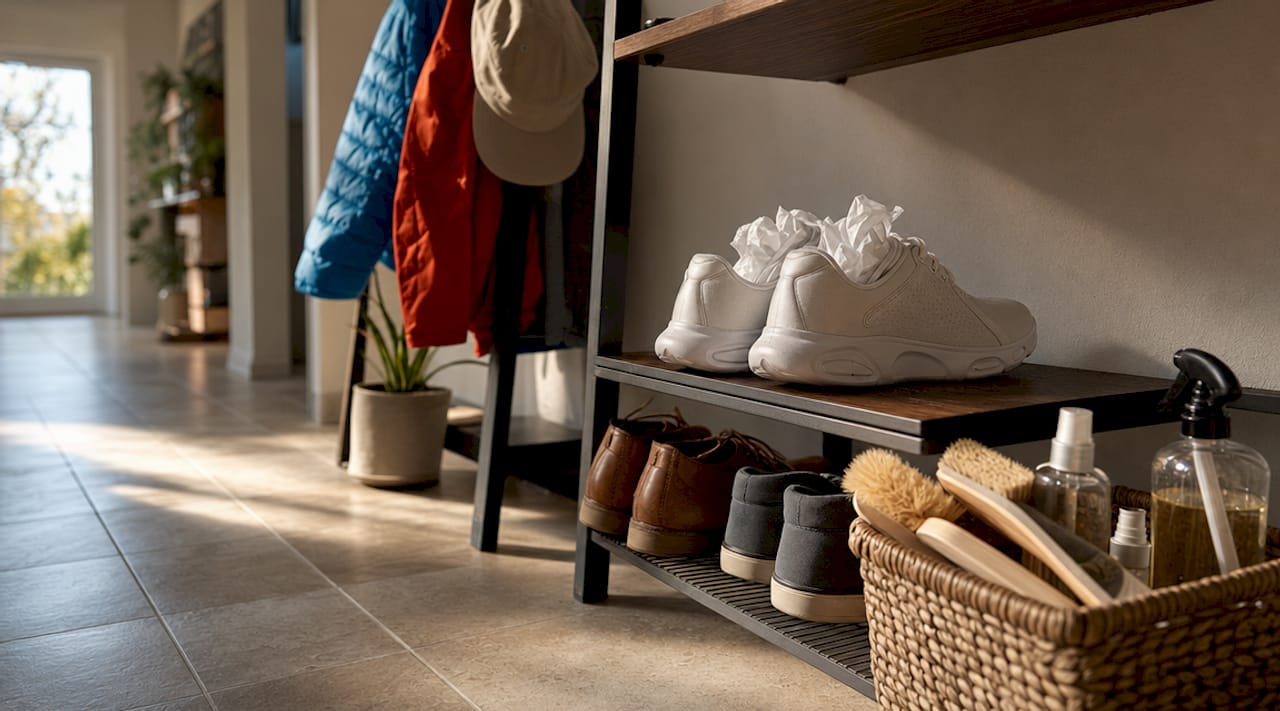
1. Daily footwear care routines that actually work
The single most effective daily habit is a surface wipe immediately after every session. Surface wiping with a damp cloth after every use prevents stains from bonding to athletic shoe fibres. Once dirt dries and sets into mesh or synthetic uppers, it requires far more aggressive cleaning to remove, which itself causes wear.
After wiping, remove your insoles and loosen your laces fully. Removing insoles and laces to dry separately improves airflow and reduces microbial growth inside the shoe. This one step makes a measurable difference to odour and material longevity.
Never leave sweaty shoes inside a sealed gym bag. The trapped humidity creates the exact conditions bacteria need to multiply. Place your shoes in open air as soon as possible after training, ideally in a ventilated space away from direct sunlight.
- Wipe the upper, sole, and toe box with a damp cloth after every session
- Remove insoles and laces to allow full ventilation
- Leave shoes in open air rather than sealed bags
- Place moisture-absorbing sachets or cedar inserts inside to draw out residual sweat
- Keep laces loosened during storage to allow the shoe to breathe
Pro Tip: Stuff your shoes with paper towels immediately after a session. Replacing the paper every two hours accelerates drying without warping the shoe structure or damaging adhesives.
2. How to deep clean athletic shoes properly
Deep cleaning is distinct from the daily wipe-down. It targets embedded dirt, bacteria, and odour that surface cleaning cannot reach. Deep cleaning every four to six weeks, or sooner after muddy or extreme use, is the recommended frequency for most athletes.
Follow these steps for a thorough clean that preserves your shoe’s materials:
- Remove the insoles and laces and wash them separately in warm, soapy water.
- Use a soft-bristled brush to loosen dried mud or debris from the outsole and upper before applying any liquid.
- Mix a small amount of mild detergent with warm water. Apply with a soft cloth or sponge using gentle circular motions.
- For mesh uppers, work the solution lightly into the fabric without soaking. For leather panels, use minimal moisture and wipe in one direction.
- Rinse with a clean damp cloth, removing all detergent residue. Soap left in the material attracts dirt faster.
- Stuff the shoes with paper towels and leave them to air-dry at room temperature, away from radiators, direct sunlight, or tumble dryers.
Avoid machine washing as it damages structural integrity through heat, agitation, and glue separation. If machine washing is unavoidable, use cold water, a gentle cycle, minimal detergent, and a protective mesh laundry bag.
Pro Tip: Specialised sneaker cleaners are pH-balanced for materials ranging from primeknit to nubuck. Using a product designed for sports shoes rather than a household detergent protects the shoe’s chemistry and finish.
3. Storage methods that preserve shoe shape and hygiene
How you store your shoes between sessions matters as much as how you clean them. Storing athletic footwear in airtight plastic bins traps humidity, causing midsole yellowing and material embrittlement over time. This is one of the most common and least recognised mistakes in athletic shoe preservation.
The ideal storage environment is cool, dry, and well-ventilated, away from UV light. Direct sunlight degrades synthetic materials and causes colour fading and surface cracking. A shelf in a wardrobe or a dedicated shoe rack in a shaded area works well for most athletes.
- Avoid airtight plastic boxes for regular-use shoes; use open shelving or breathable shoe bags instead
- Store shoes away from windows and heat sources such as radiators or boilers
- Keep laces loosened when shoes are stored to allow the upper to breathe
- Use cedar shoe trees to absorb moisture, neutralise odours, and prevent toe-box creasing
- Rotate between at least two pairs to allow each pair adequate drying and decompression time
“Well-ventilated, shaded storage is the single most overlooked factor in shoe longevity. Most athletes focus on cleaning but store their shoes in conditions that undo all that effort.” — 2026 footwear preservation industry guidance
Rotating athletic shoe pairs gives midsoles approximately 48 hours to regain cushioning and prevent permanent compression. If you train daily, owning two or three pairs and rotating them is not a luxury. It is a maintenance strategy.
4. Tackling odours, stains, and material wear
Odour is not caused by sweat itself. Odour is primarily due to bacteria feeding on sweat, which means preventing bacterial growth is the correct target, not masking the smell with sprays.
Baking soda neutralises acidic odours inside shoes by disrupting the bacterial environment. Leave a tablespoon inside each shoe overnight and shake it out in the morning. Activated charcoal inserts work on the same principle and can be left in shoes during storage.
For stains, a diluted white vinegar and water solution works on most fabric uppers without damaging fibres. Apply with a soft cloth, work gently into the stain, and blot dry. Never use bleach or harsh chemical cleaners on athletic shoes. They strip protective coatings, weaken adhesives, and cause irreversible discolouration.
| Problem | Cause | Solution |
|---|---|---|
| Persistent odour | Bacterial growth from trapped sweat | Baking soda overnight or activated charcoal inserts |
| Fabric stains | Mud, grass, or sweat residue | Diluted vinegar-water solution with soft cloth |
| Yellowing midsoles | UV exposure and oxidation | Store away from sunlight; use airtight bags only for long-term storage |
| Mesh deterioration | Harsh chemicals or machine washing | Hand wash with pH-balanced cleaner and soft brush |
| Suede scuffing | Abrasion and moisture | Dry brush with a suede brush; use suede protector spray |
Pro Tip: For mesh uppers, a soft toothbrush is one of the most effective cleaning tools available. It reaches into the weave without stretching or tearing the fabric, which sponges and cloths often cannot do.
5. The best tools and products for athletic shoe care
The right tools make shoe care faster and more effective. You do not need an expensive kit, but using the correct items for each material prevents accidental damage.
- Soft-bristled brush: Use for outsoles and textured uppers. A firm brush on mesh causes pilling and fibre damage.
- Microfibre cloth: Ideal for wiping down smooth synthetic panels and leather without scratching.
- pH-balanced sneaker cleaner: Products designed specifically for sports shoes clean without stripping protective coatings or altering material chemistry.
- Water and stain repellent spray: A hydrophobic coating applied to clean, dry shoes creates a barrier against moisture and surface staining. Reapply every four to six weeks for active use.
- Cedar shoe trees or deodoriser balls: Both absorb moisture and neutralise odour during storage. Cedar also maintains shoe shape by providing internal tension.
- Mesh laundry bag: If machine washing is unavoidable, this reduces agitation damage significantly.
Avoid tumble dryers, hair dryers, and placing shoes near radiators. Heat causes shrinking leather, warped midsoles, and brittle glue separation. Air-drying at room temperature is always the correct method. For a broader overview of shoe care best practices, Ydauk’s resource library covers material-specific guidance in detail.
Consistent maintenance routines reduce the need for aggressive cleaning. A shoe that is wiped down after every session and stored correctly rarely needs the kind of deep intervention that risks material damage.
Key takeaways
Protecting athletic footwear requires daily surface cleaning, deep cleaning every four to six weeks, and ventilated storage away from heat and UV light.
| Point | Details |
|---|---|
| Daily wipe-down | Remove surface dirt and sweat after every session to prevent stain bonding and bacterial growth. |
| Deep clean frequency | Clean thoroughly every four to six weeks, or sooner after muddy conditions, using pH-balanced products. |
| Storage environment | Store in cool, ventilated spaces away from sunlight and airtight containers to prevent material degradation. |
| Odour prevention | Target bacteria with baking soda or activated charcoal rather than masking smells with sprays. |
| Shoe rotation | Rotate between two or more pairs to allow midsoles 48 hours to decompress and dry fully. |
Why shoe care is part of your training, not separate from it
I have worked with enough athletes to know that footwear maintenance is almost always the last thing on the list. Training plans, nutrition, recovery protocols. Shoes get worn until they fall apart or start causing pain, and only then does anyone pay attention.
What I have found is that consistent footwear care routines are as critical to athletic performance as physical training itself. This is not an exaggeration. A compressed midsole does not absorb impact the way a fresh one does. A shoe that has been stored in a damp bag for weeks carries bacterial load that directly affects skin and nail health. These are not cosmetic issues.
The athletes I have seen get the most from their footwear are the ones who treat post-session shoe care the same way they treat post-session stretching. It takes three minutes. It becomes automatic. And the compounding benefit over months of training is significant, both in shoe lifespan and in foot health.
The most common mistake I see is the radiator dry. Someone comes in from a wet run, puts their shoes on the nearest heat source, and considers the job done. The shoe looks dry the next morning, but the adhesive has weakened, the midsole has warped slightly, and the upper has stiffened. Do this twenty times and the shoe is structurally compromised well before the outsole shows visible wear. Air-dry every time, without exception. It is the single habit change with the highest return.
For athletes serious about their footwear care routine, the investment in a few good tools and ten minutes of weekly maintenance is far cheaper than replacing performance shoes every three months.
— Panagiotis
Protect your performance with Ydauk

Ydauk designs high-performance footwear built around YDA Technology, which combines foot health engineering with durable materials that respond well to the care routines described in this article. Shoes built with quality materials last longer when maintained correctly, and Ydauk’s construction is specifically designed to withstand the demands of active use. If you are looking for footwear that supports your training from the ground up, explore the YDA shoe technology behind each pair. For athletes managing foot health concerns alongside performance goals, Ydauk’s range of specialist performance footwear is worth exploring. Good shoes, properly maintained, are one of the most cost-effective investments in your training.
FAQ
How often should athletes clean their sports shoes?
Deep cleaning every four to six weeks is the standard recommendation, with a quick surface wipe after every session. Muddy or wet conditions warrant cleaning sooner.
Can you put athletic shoes in the washing machine?
Machine washing risks glue separation and structural warping. If unavoidable, use cold water, a gentle cycle, minimal detergent, and a mesh laundry bag to reduce damage.
What is the best way to remove odour from sports shoes?
Baking soda left overnight neutralises odour-causing bacteria effectively. Cedar shoe trees and activated charcoal inserts work well for ongoing odour control during storage.
How should athletic shoes be stored between uses?
Store in a cool, dry, well-ventilated space away from direct sunlight and heat sources. Avoid airtight containers, which trap moisture and accelerate midsole yellowing.
How long do athletic shoes last with proper care?
With consistent maintenance and regular rotation, quality athletic shoes typically last significantly longer than those worn without care. Midsoles need roughly 48 hours between wears to fully recover their cushioning properties.