
6 Essential Tips for Your Performance Shoe Buying Guide
Buying performance shoes can feel overwhelming when every brand claims their pair is the most supportive and comfortable for your feet. Picking the wrong shoe means risking blisters, joint pain, and wasted money on footwear that never quite fits right. You want shoes that do more than just look good—they need to actually support your body and match your activity.
The right guidance makes all the difference. By learning how to assess your foot type, comfort features, and shoe design, you gain the ability to make choices that protect your feet and enhance your performance. These expert-backed tips will reveal what actually matters when choosing your next pair, so you can step out with confidence every time.
Discover insights designed to keep your feet healthy and comfortable, while helping you avoid the injuries and disappointments that come from guesswork. Each step brings you closer to finding shoes that truly work for your unique needs.
Table of Contents
- 1. Understand Your Foot Type for the Right Fit
- 2. Prioritise Comfort and Cushioning Features
- 3. Assess Shoe Design for Specific Activities
- 4. Check the Importance of Foot Health Technology
- 5. Evaluate Durability and Material Quality
- 6. Consider Style Without Compromising Performance
Quick Summary
| Takeaway | Explanation |
|---|---|
| 1. Understand Your Foot Type | Knowing your arch type and pronation pattern really enhances comfort and prevents injuries when choosing shoes. |
| 2. Prioritise Comfort and Cushioning | Effective cushioning reduces impact, improving performance and minimising injury risk during activities. |
| 3. Choose Activity-Specific Shoes | The right shoe design for your activity ensures support and biomechanics align, reducing injury likelihood. |
| 4. Embrace Foot Health Technology | Advanced shoe technologies can personalise features to better suit your foot’s unique needs, enhancing comfort. |
| 5. Evaluate Material Quality for Durability | High-quality materials and solid construction ensure shoes last longer, maintaining their supportive features over time. |
1. Understand Your Foot Type for the Right Fit
Your foot type is the foundation of every shoe decision you’ll make. Getting this right prevents discomfort, injuries, and wasted money on shoes that don’t work for your body.
Think of your feet as unique blueprints. No two people have identical arch heights, pronation patterns, or toe shapes. When you match shoe features to your actual foot structure, everything changes. Comfort improves. Performance increases. Injuries become less likely.
What Makes Your Foot Type Unique
Three main characteristics define how your feet work:
- Arch type: Whether you have flat, neutral, or high arches
- Pronation pattern: How your foot rolls when you walk or run
- Foot width and toe shape: The overall structure affecting shoe fit
Each of these influences which shoes will support you properly. Understanding arch types and pronation patterns helps you avoid selecting footwear that fights against your natural movement.
Discovering Your Foot Type
The wet footprint test is your simplest starting point. Wet your foot and step on a paper bag or cardboard. The print reveals your arch height immediately.
Flat feet leave almost a complete footprint. Neutral feet show a curved line connecting heel to ball. High arches display only the heel and ball with minimal midfoot contact.
Your pronation type matters just as much. Neutral pronators roll their foot slightly inward. Overpronators roll too far inward, stressing joints. Supinators don’t roll enough, placing pressure on outer foot edges.
Podiatrists recommend measuring your feet and assessing your gait to guide shoe selection effectively. Consider having your feet professionally evaluated if you experience recurring discomfort or injuries.
Identifying your foot type prevents injuries and improves performance by ensuring your shoes match your natural movement patterns.
Why This Matters for Your Performance Shoes
Performance shoes are engineered with specific foot types in mind. Shoes for flat feet include more arch support and motion control features. Neutral shoes work best for balanced foot strikers. High-arch shoes provide cushioning without excessive support that would feel uncomfortable.
Selecting shoes that align with your foot type means:
- Less fatigue during activity
- Reduced joint stress and injury risk
- Better energy efficiency
- Improved overall foot health
When shoe features match your foot structure, you’re not fighting against your body’s design. Instead, you’re working with it.
Pro tip: Document your foot type with a wet footprint test and note your pronation pattern, then use this information consistently across all footwear purchases to maintain comfort and support across your entire shoe collection.
2. Prioritise Comfort and Cushioning Features
Comfort isn’t a luxury in performance shoes. It’s the difference between enjoying your activity and battling pain with every step. When you prioritise cushioning and comfort features, you’re investing in both immediate pleasure and long-term foot health.
Your shoes absorb tremendous force every time your feet strike the ground. Without proper cushioning, that impact travels through your joints, increasing injury risk. With the right cushioning, forces distribute evenly, reducing stress and fatigue.
How Cushioning Works
Midsole cushioning is the critical layer between your foot and the ground. This layer absorbs impact forces and redistributes loads during activity. The better the midsole design, the more effectively it protects your feet.
Different cushioning materials perform differently. Some provide soft, plush comfort immediately. Others firm up under pressure, offering support when you need it most. Your personal preference matters here because individual biomechanics vary significantly.
Research shows that moderate to high cushioning levels were associated with fewer injuries in runners. This isn’t coincidental. Better cushioning genuinely reduces injury risk.
Key Comfort Features to Evaluate
When trying on performance shoes, test these specific elements:
- Midsole thickness: Provides primary shock absorption
- Heel cushioning: Protects during landing and propulsion
- Forefoot padding: Supports the ball of your foot during push-off
- Footbed design: Offers arch support and comfort throughout your day
- Collar comfort: Prevents rubbing and irritation around the ankle
The role of footbed design in creating comfort cannot be overstated. A well-designed footbed provides stability and support while distributing pressure evenly across your foot.
Testing Comfort Before Buying
Never judge a shoe by appearance alone. Comfort testing reveals what marketing cannot. Walk around the shop for at least five minutes. Move in different directions. Feel where pressure concentrates.
Your feet should feel supported, not squeezed. Cushioning should feel responsive, not mushy. There shouldn’t be any spots where the shoe irritates your skin.
Optimal cushioning reduces impact forces and prevents injuries whilst improving your performance during every activity.
Don’t settle for shoes that feel “okay” right now. Discomfort typically worsens as you wear shoes longer. What feels acceptable during a shop visit often becomes painful during actual activity.
Pro tip: Shop for shoes later in the day when your feet are slightly swollen from activity, as this mimics how they’ll feel during actual use and ensures you select shoes with adequate cushioning for your needs.
3. Assess Shoe Design for Specific Activities
Not all performance shoes are created equal. A shoe designed for running behaves differently from one built for hiking or cross-training. Choosing the wrong shoe design for your activity undermines everything else you’ve considered so far.
Your activity demands specific biomechanical responses from your shoes. Running requires responsive cushioning and forward propulsion. Hiking needs ankle support and durable traction. Cross-training demands stability in multiple directions. When shoe design mismatches your activity, injuries become more likely and performance suffers.
Why Activity-Specific Design Matters
Footwear impacts biomechanics and injury risk differently depending on what you’re doing. Shoe characteristics like cushioning, support, and flexibility must be tailored to specific sport or usage demands for optimal function and injury prevention.
This isn’t marketing hype. This is biomechanical reality. Your feet experience different forces during different activities. A running shoe designed for forward motion doesn’t provide the lateral support needed for basketball. A hiking boot’s rigid sole would feel clumsy during gym workouts.
Understanding Different Activity Demands
Each activity places unique demands on your feet:
- Running: Needs responsive cushioning, forward propulsion, and shock absorption during repetitive impact
- Walking: Requires stability, flexibility, and all-day comfort for extended wear
- Hiking: Demands ankle support, aggressive tread, and protection from uneven terrain
- Cross-training: Calls for multidirectional support and versatile flexibility
- Court sports: Requires lateral stability and quick directional changes
Identifying your primary activity helps narrow shoe options significantly. If you participate in multiple activities, consider owning shoes designed for each.
Evaluating Design Features for Your Activity
Look beyond the aesthetic appeal. Examine the actual shoe construction. The role of shoe flexibility directly affects how well your shoe performs during your chosen activity.
Check the midsole firmness. Inspect the outsole tread pattern. Evaluate how much ankle support the collar provides. These details determine whether the shoe serves your activity or fights against it.
Activity-specific shoe design ensures your footwear supports your biomechanics rather than fighting against them.
Run your hands along the shoe’s flex points. Does it bend where your foot naturally bends? A running shoe should flex easily at the ball of your foot. A hiking boot should feel stiffer for stability on uneven ground.
Pro tip: Test shoes in conditions mimicking your actual activity. If you run on trails, try them on trails before purchasing. If you hike rocky terrain, walk on similar surfaces. This reveals how the shoe design truly performs when it matters most.
4. Check the Importance of Foot Health Technology
Foot health technology has evolved dramatically. Today’s performance shoes incorporate innovations that go far beyond basic cushioning. Understanding what these technologies do helps you make smarter purchasing decisions that benefit your feet for years to come.
Modern shoe technology addresses real biomechanical problems. Smart materials adapt to your foot’s movement. Advanced insole designs redistribute pressure more effectively. These aren’t marketing gimmicks. They’re engineering solutions that improve comfort and prevent injuries.
What Foot Health Technology Actually Does
Technology-enabled personalised footwear helps address individual needs by preventing podiatric disorders and enhancing overall well-being. The right technology can transform how your feet feel and perform.
Modern innovations work in several ways. Some technologies monitor your foot’s movement patterns in real time. Others use smart materials that respond to pressure and temperature. A few even collect data that helps customise future shoe designs specifically for you.
Think of it this way. Your feet are unique. Generic shoe designs can’t address every foot’s specific needs. Technology bridges that gap by personalising the shoe experience.
Key Technologies to Look For
When evaluating shoes, watch for these innovations:
- Pressure-mapping insoles: Monitor weight distribution and identify problem areas
- Smart materials: Adapt to your foot’s movement throughout the day
- Real-time sensors: Collect data on your gait and foot health
- Customisation algorithms: Use your data to recommend optimal shoe features
- Advanced cushioning systems: Respond dynamically to different activities
These technologies improve prevention and management of foot problems whilst enhancing your quality of life. How to evaluate shoe technology becomes increasingly important as options multiply.
Why This Matters for Your Health
Ill-fitting shoes cause problems that compound over time. Blisters become calluses. Pressure points develop. Biomechanical imbalances worsen. Technology-enabled shoes reduce these risks significantly.
Advancements in AI and wearable technology are transforming foot care. These innovations enable real-time monitoring of your foot’s condition and allow for targeted interventions before problems escalate.
Modern foot health technology prevents complications and improves mobility by customising shoe features to your individual biomechanics.
You no longer need to settle for shoes that “sort of work.” Technology makes genuinely personalised footwear accessible to everyone. Look for brands incorporating these innovations into their designs.
Pro tip: Research which specific technologies are integrated into shoes you’re considering, then test them by wearing the shoes through your typical daily activities to verify the technology actually delivers the comfort and support promised before committing to purchase.
5. Evaluate Durability and Material Quality
A great-feeling shoe that falls apart after three months isn’t a bargain. It’s a waste of money. Evaluating durability and material quality separates shoes that last from those destined for the bin.
Durable shoes protect your feet longer whilst maintaining their supportive features. Quality materials resist wear, retain shape, and withstand repeated stress. When you invest in durable footwear, you’re actually saving money over time.
Understanding Material Quality
Not all shoe materials perform equally. The upper material determines breathability and flexibility. The midsole material affects cushioning longevity. The sole material impacts traction and wear resistance.
Testing for abrasion resistance and tensile strength confirms whether materials can handle extended use and hygienic demands. Quality manufacturers run rigorous tests on every component before releasing shoes to market.
Innovative material combinations enhance durability significantly. Recycled polyester blended with polyurethane demonstrates superior abrasion resistance and antibacterial properties. These combinations offer extended use whilst supporting sustainability. Look for materials specifically tested for performance.
What to Examine When Evaluating Durability
Inspect shoes carefully before purchasing:
- Upper material: Check for smooth stitching with no loose threads
- Sole attachment: Press the heel and toe area to ensure they’re firmly bonded
- Midsole density: Press firmly to feel resistance and check for quick rebound
- Outsole tread: Verify depth and pattern definition for traction
- Overall construction: Look for consistent quality across all components
Pay special attention to stress points. Physical testing of footwear durability includes adhesion tests that measure how well upper and sole materials bond under stress. These adhesion standards ensure your shoes won’t fall apart during activity.
Why This Matters for Your Investment
Durable shoes maintain their supportive features throughout their lifespan. Cheap materials break down quickly, losing cushioning and support. Your feet suffer as the shoe deteriorates.
Quality materials and solid construction ensure your shoes maintain support and comfort throughout their entire lifespan.
Better materials also resist moisture better, reducing odour and bacterial growth. They maintain their shape longer, providing consistent support. Your feet stay healthier and more comfortable.
Consider cost per wear rather than initial price. A £150 shoe lasting two years costs less per wear than a £80 shoe lasting six months.
Pro tip: Examine the stitching quality and sole-to-upper bond before buying by flexing the shoe’s heel area and checking for any gaps or loose threads, as these weak points indicate poor durability that will fail under normal use.
6. Consider Style Without Compromising Performance
You shouldn’t have to choose between looking good and performing well. Modern performance shoes prove you can have both. The false choice between style and function is exactly that—false.
Today’s footwear designers understand that aesthetics matter. How your shoes look affects whether you’ll actually wear them. Style influences your confidence during activity. When shoes look good, you feel good wearing them. This psychological benefit improves your overall experience.
Why Style and Performance Coexist
Contemporary running shoe design balances performance improvements with aesthetic appeal. Modern shoes integrate advanced materials and technologies without sacrificing visual appeal. The trend now is combining biomechanical efficiency with stylish designs.
This integration serves real purposes. Innovative designs encourage user acceptance and consistent wear. When shoes look appealing, people wear them more confidently and regularly. Your performance improves when you actually enjoy wearing your footwear.
Style also influences your perception of yourself. Stylistic choices are closely linked to perceptions of power and confidence. Wearing shoes that match your identity and aesthetic preferences boosts your mental state during activity.
Evaluating Style Alongside Performance
When shopping for performance shoes, consider these style factors:
- Colour options: Choose shades that complement your workout wardrobe
- Design aesthetic: Select silhouettes that match your personal style
- Brand philosophy: Find manufacturers whose style aligns with your values
- Trend relevance: Balance current trends with timeless designs for longevity
- Versatility: Look for shoes that work across multiple settings and outfits
The goal is finding shoes that feel authentic to you personally. Forcing yourself into a style that doesn’t resonate means you won’t enjoy wearing them, undermining your commitment to fitness and foot health.
Making Your Choice
Performance features always come first. Never sacrifice cushioning, support, or comfort for appearance. Once you’ve identified shoes meeting your performance needs, evaluate which option you actually prefer aesthetically.
Modern performance shoes integrate advanced technology with attractive design, meaning you never need to sacrifice style for function.
You’ll wear shoes consistently when they look good and feel great. This consistency improves your overall activity patterns and foot health outcomes.
Pro tip: After narrowing choices based on performance features, try shoes in different outfits you actually wear to ensure they complement your personal style, making you more likely to reach for them regularly and maintain your fitness routine.
Below is a comprehensive table summarising the strategies and insights shared in the article regarding selecting the ideal performance footwear for individual needs.
| Aspect of Consideration | Details | Benefits and Outcomes |
|---|---|---|
| Understanding Foot Type | Identify foot type via arch height, pronation pattern, and dimensions using tests like the wet test. | Improved comfort, performance, and injury prevention. |
| Importance of Cushioning | Focus on midsole design and material to ensure proper shock absorption and support. | Reduces impact forces, prevents joint stress, and enhances activity enjoyment. |
| Activity-Specific Shoe Design | Choose footwear tailored to specific activities such as running, hiking, or training. | Enhanced performance and injury prevention due to biomechanical optimisation. |
| Foot Health Technology | Explore innovative features like pressure-mapping insoles and adaptive materials. | Long-term foot health improvements and customised support. |
| Material Quality and Durability | Assess upper, midsole, and outsole materials for resilience and wear resistance. | Prolonged shoe lifespan and better value for investment. |
| Style and Visual Appeal | Ensure selected designs align with personal aesthetics without compromising functionality. | Encourages consistent usage and boosts confidence during activity. |
Find Your Perfect Performance Shoe Today
Choosing the right performance shoe involves understanding your unique foot type, prioritising comfort, cushioning, and considering the specific demands of your favourite activities. If you want to avoid discomfort, reduce injury risk and enjoy every step you take, it is essential to invest in footwear that truly supports your natural movement and foot health. At YDA UK, we combine cutting-edge foot health technology with stylish designs to help you achieve this balance effortlessly.
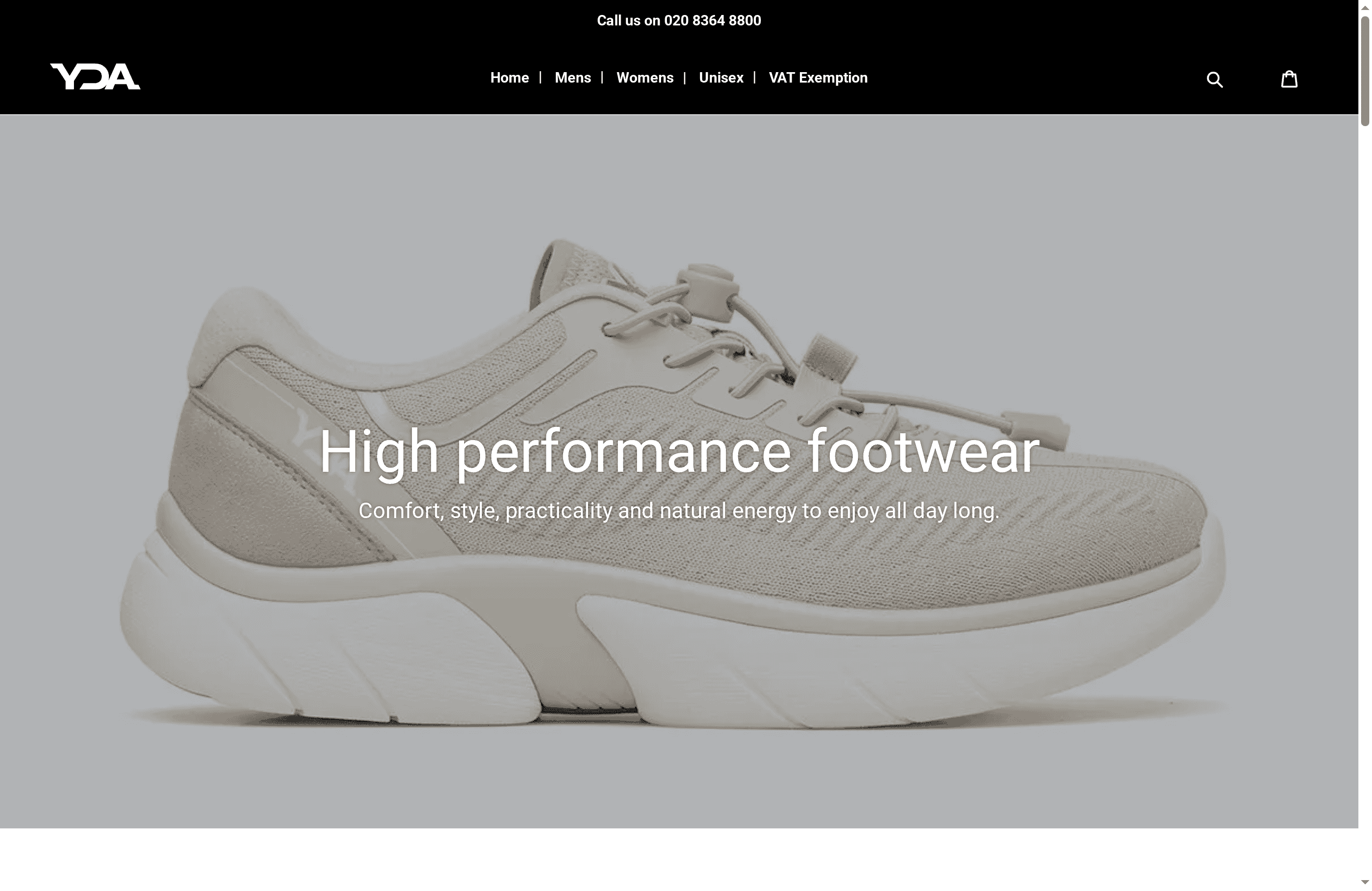
Explore our extensive collection of Shoes – YDA UK designed with advanced cushioning and personalised support tailored to your needs. Whether you are looking for women’s specialised performance footwear or shoes engineered with smart materials and durability in mind, you will find exactly what your feet require. Don’t wait until discomfort holds you back; visit https://ydauk.com now and step into a new era of comfort and performance. Take the first step towards better foot health today by browsing our Womens – YDA UK selections and elevate your fitness journey with shoes designed just for you.
Frequently Asked Questions
How can I determine my foot type for performance shoe selection?
Understanding your foot type is crucial for selecting suitable performance shoes. Conduct a wet footprint test to identify your arch type—flat, neutral, or high. This step helps ensure your shoes provide the right support for your foot, thereby enhancing comfort during activity.
What cushioning features should I prioritise when buying performance shoes?
Look for shoes with adequate midsole cushioning, heel padding, and forefoot support to enhance comfort and reduce the risk of injury. Modelling these features can significantly improve your performance—select shoes that deliver responsive cushioning to match your specific activities.
Why is it important to choose shoes designed for specific activities?
Choosing shoes specifically designed for your activity ensures that they meet biomechanical demands and reduce injury risks. For instance, running shoes should emphasise cushioning and shock absorption, while hiking shoes require added ankle support and traction. Always assess shoe features according to what you need for your chosen activity to optimise performance levels.
What role does foot health technology play in performance shoe selection?
Foot health technology enhances comfort and helps prevent injuries by personalising shoe features to your biomechanics. Look for advanced cushioning systems and smart materials that adapt to your foot’s movement. Incorporating these technologies into your shoe choices can lead to improved performance and reduced consequences of foot problems.
How can I evaluate the durability of performance shoes before buying?
Inspect the materials, stitching quality, and overall construction of the shoes. Ensure the sole is firmly attached and the upper material is smooth without loose threads. This thorough evaluation helps you select shoes that will withstand regular use and maintain their supportive features over time.
How can I ensure my performance shoes are stylish without sacrificing functionality?
After identifying shoes that meet your performance requirements, consider their appearance. Choose styles and colours that match your personal aesthetic, making you more likely to wear them consistently. This balance improves not only your comfort but also your confidence during your activities.