
7 Essential Types of Athletic Footwear Explained Simply
Choosing the right shoes for your activity can feel overwhelming when every step affects your comfort and health. With countless options claiming to offer support and stability, it’s easy to become unsure about which features truly matter for running, lifting, or walking. How do you separate marketing buzz from proven designs that actually protect your feet and joints?
This list breaks down the science behind top footwear choices, revealing which specific features are linked with impact absorption, injury prevention, and overall comfort. You’ll get clear insights into the practical benefits of specialised shoe types, backed by research on energy absorption ratios and design innovation.
Ready to discover which shoes can help you minimise stress, enhance performance, and feel more confident every time you move? Each section delivers actionable answers straight from the experts.
Table of Contents
- 1. Running Shoes: Cushioning For Impact Absorption
- 2. Cross-Trainers: Versatile Support For Multiple Sports
- 3. Walking Shoes: Focus On Stability And Comfort
- 4. Basketball Shoes: Enhanced Ankle Protection
- 5. Football Boots: Grip And Traction For The Pitch
- 6. Tennis Shoes: Lateral Support For Quick Moves
- 7. Trail Shoes: Durable Protection For Off-Road Use
Quick Summary
| Takeaway | Explanation |
|---|---|
| 1. Choose proper cushioning for running shoes | Effective cushioning absorbs impact, reducing injury risks and enhancing comfort during runs. |
| 2. Select cross-trainers for versatile activities | Cross-trainers provide stability and support for various fitness disciplines, making them ideal for multi-sport athletes. |
| 3. Try walking shoes for stability and comfort | Specialised walking shoes enhance movement efficiency and reduce fatigue through supportive design features. |
| 4. Prioritise ankle support in basketball shoes | High-top basketball shoes help prevent ankle injuries by offering enhanced support during quick movements. |
| 5. Invest in football boots for optimal grip | Specific stud patterns in football boots improve traction and stability, essential for performance on the pitch. |
1. Running Shoes: Cushioning for Impact Absorption
Running shoes are far more than simple footwear. They are sophisticated engineering marvels designed to protect your body from the repetitive impact of each stride.
When you run, your feet endure significant force with every step. Specialised running shoes utilise advanced cushioning technologies to absorb and disperse impact energy, reducing stress on your joints and muscles. A groundbreaking study on energy absorption ratios reveals how strategic shoe design can dramatically mitigate injury risks.
Key cushioning features in running shoes include:
- Heel cushioning to reduce initial ground contact shock
- Midsole padding that distributes impact forces evenly
- Arch support to stabilise foot movement during running
Effective cushioning transforms running from a high-impact activity into a smoother, more biomechanically efficient movement.
Research demonstrates that proper cushioning isn’t just about comfort. A randomised trial on runners confirmed that optimised shoe cushioning can significantly reduce injury potential by minimising stress on muscles and joints.
Pro tip: Replace your running shoes every 500-700 kilometres to maintain optimal cushioning and impact protection.
2. Cross-Trainers: Versatile Support for Multiple Sports
Cross-trainers represent the Swiss Army knife of athletic footwear. These multi-purpose shoes are engineered to provide exceptional performance across various fitness disciplines.
Unlike specialised shoes designed for single activities, cross-trainers offer comprehensive athletic support. Professional trainers highlight that these shoes excel at providing stability during static weightlifting and supporting dynamic lateral movements.
Key features of cross-trainers include:
- Reinforced side supports for lateral stability
- Versatile sole design for multi-directional traction
- Enhanced cushioning to absorb impact across different exercise types
- Flexible midfoot enabling smooth transitions between activities
Cross-trainers bridge the gap between specialised footwear, making them ideal for athletes who participate in multiple fitness disciplines.
Whether you are transitioning between weight training, aerobics, or high-intensity interval workouts, cross-trainers adapt to your changing exercise requirements. Their unique construction provides balanced support and flexibility for diverse athletic movements.
Pro tip: Choose cross-trainers with a flat, stable heel for weightlifting and good lateral support for circuit training.
3. Walking Shoes: Focus on Stability and Comfort
Walking shoes are engineered to transform your everyday movement into a smooth and supported experience. Unlike other athletic footwear, they prioritise biomechanical comfort and stability.
Structural shoe features play a critical role in enhancing walking performance and reducing potential fall risks. Scientific research demonstrates that specialised walking shoes can significantly improve postural control and overall walking efficiency.
Key characteristics of high-quality walking shoes include:
- Soft midsole cushioning for shock absorption
- Curved rocker-sole design to facilitate natural foot movement
- Supportive arch structures that align foot biomechanics
- Lightweight materials reducing walking fatigue
Optimal walking shoes adapt to your unique foot anatomy while providing consistent support during movement.
Comfort in walking shoes is not a one-size-fits-all concept. Footwear comfort studies reveal that individual physiology significantly influences shoe performance and comfort levels.
Pro tip: When trying walking shoes, walk around the store for at least 10 minutes to assess true comfort and stability.
4. Basketball Shoes: Enhanced Ankle Protection
Basketball shoes are not just stylish sportswear; they are sophisticated protective gear engineered to shield athletes from potential injuries. These specialised shoes represent a critical line of defence against the high-impact, quick-pivot movements characteristic of basketball.
Systematic research reviews demonstrate that high-top basketball shoes can significantly reduce ankle injury risks through strategic mechanical support. The unique design focuses on stabilising the ankle joint during rapid directional changes.
Key protective features include:
- High-top ankle collar for increased joint support
- Reinforced lateral sides to prevent rolling
- Impact-absorbing midsoles to reduce sudden force transmission
- Grippy outsole patterns for enhanced court traction
Basketball shoes transform unpredictable movements into controlled, supported athletic performance.
Innovative shoe designs now integrate multiple performance elements beyond basic ankle protection. These advanced shoes aim to minimise injury risks while simultaneously improving player mobility and comfort.
Pro tip: Select basketball shoes with a snug ankle fit that allows flexibility while preventing excessive side-to-side movement.
5. Football Boots: Grip and Traction for the Pitch
Football boots are precision-engineered pieces of athletic equipment designed to maximise performance on the football pitch. More than mere footwear, they are sophisticated tools that connect athletes to the playing surface.
Detailed traction research reveals the complex relationship between boot design and athletic performance. The outsole configuration plays a critical role in determining grip, stability, and potential injury risks during football-specific movements.
Key design elements of high-performance football boots include:
- Strategic stud patterns for multi-directional grip
- Lightweight materials enabling quick movement
- Flexible soleplate supporting natural foot mechanics
- Surface-specific outsole designs for different pitch conditions
Football boots transform athletic potential by creating a direct biomechanical interface between player and playing surface.
A seasonal study of elite football footwear demonstrates significant variability in rotational traction across different shoe models. This variability depends on factors like outsole type and grass species, highlighting the nuanced science behind football boot design.
Pro tip: Choose football boots specifically designed for your primary playing surface to maximise grip and minimise injury risk.
6. Tennis Shoes: Lateral Support for Quick Moves
Tennis shoes are precision-engineered footwear designed to support the explosive, multi-directional movements unique to tennis. These specialised shoes transform court performance by offering superior stability and protection.
Biomechanical research reveals how subtle variations in shoe design can dramatically impact athlete performance and injury prevention. Even slight changes in outsole tread width can significantly influence friction and ankle joint rotational dynamics.
Critical design features of tennis shoes include:
- Reinforced lateral support for quick side-to-side movements
- Low-profile, stable heel to reduce ankle rolling
- Durable toe reinforcement for frequent court stops
- Breathable upper materials to manage foot temperature
Tennis shoes are not just footwear; they are sophisticated movement interfaces that connect athlete to playing surface.
The sophisticated engineering behind tennis shoes goes beyond simple comfort. By understanding how shoe design influences biomechanical performance, athletes can make informed choices that protect their bodies while enhancing court agility.
Pro tip: Replace your tennis shoes every 45-60 hours of play to maintain optimal support and prevent potential injury.
7. Trail Shoes: Durable Protection for Off-Road Use
Trail shoes represent the ultimate footwear solution for adventurers who challenge unpredictable terrains. These specialised shoes transform challenging landscapes from potential hazards into conquerable pathways.
Trail running shoe research reveals complex engineering designed to withstand harsh off-road conditions. Unlike standard running shoes, trail footwear offers comprehensive environmental protection with unique technological features.
Critical design elements include:
- Aggressive lugged outsoles for superior terrain grip
- Reinforced toe guards to prevent rock and debris damage
- Rugged upper materials resistant to tears and punctures
- Enhanced midsole cushioning for uneven surface stability
Trail shoes transform challenging terrain from obstacle to opportunity, protecting your feet while enabling exploration.
Advanced trail shoe technology goes beyond standard footwear design. These shoes integrate specialised materials and structural innovations to provide stability, protection, and performance across diverse environmental conditions.
Pro tip: Select trail shoes with lugs matching your primary terrain type to maximise traction and minimise injury risk.
Below is a comprehensive table summarising the features and benefits of different types of athletic footwear as discussed in the article.
| Footwear Type | Key Features | Primary Benefits |
|---|---|---|
| Running Shoes | Heel cushioning, midsole padding, and arch support. | Absorption of impact energy; reduced stress on joints and muscles. |
| Cross-Trainers | Reinforced side supports and versatile sole design. | Suitable for varied activities; stability for both lifting and lateral movements. |
| Walking Shoes | Soft midsole, rocker-sole design, and lightweight materials. | Enhanced walking comfort; minimised fatigue and improved stability. |
| Basketball Shoes | High-top ankle collar and reinforced lateral sides. | Increased ankle protection; effective grip for dynamic movements. |
| Football Boots | Strategic stud patterns and lightweight materials. | Optimised grip and traction; enhanced performance on pitches. |
| Tennis Shoes | Reinforced lateral support and durable toe area. | Superior stability; agility for multi-directional court movements. |
| Trail Shoes | Aggressive lugged outsoles and rugged upper materials. | Protection against debris; stability on uneven terrains. |
Discover Footwear Designed for Your Athletic Needs and Foot Health
Choosing the right athletic footwear is essential to protect your joints, enhance comfort, and improve performance across a variety of sports and activities. Whether you need advanced cushioning for running, lateral support for tennis, or durable grip for trail adventures, understanding these specialised features helps prevent injuries and supports your active lifestyle.
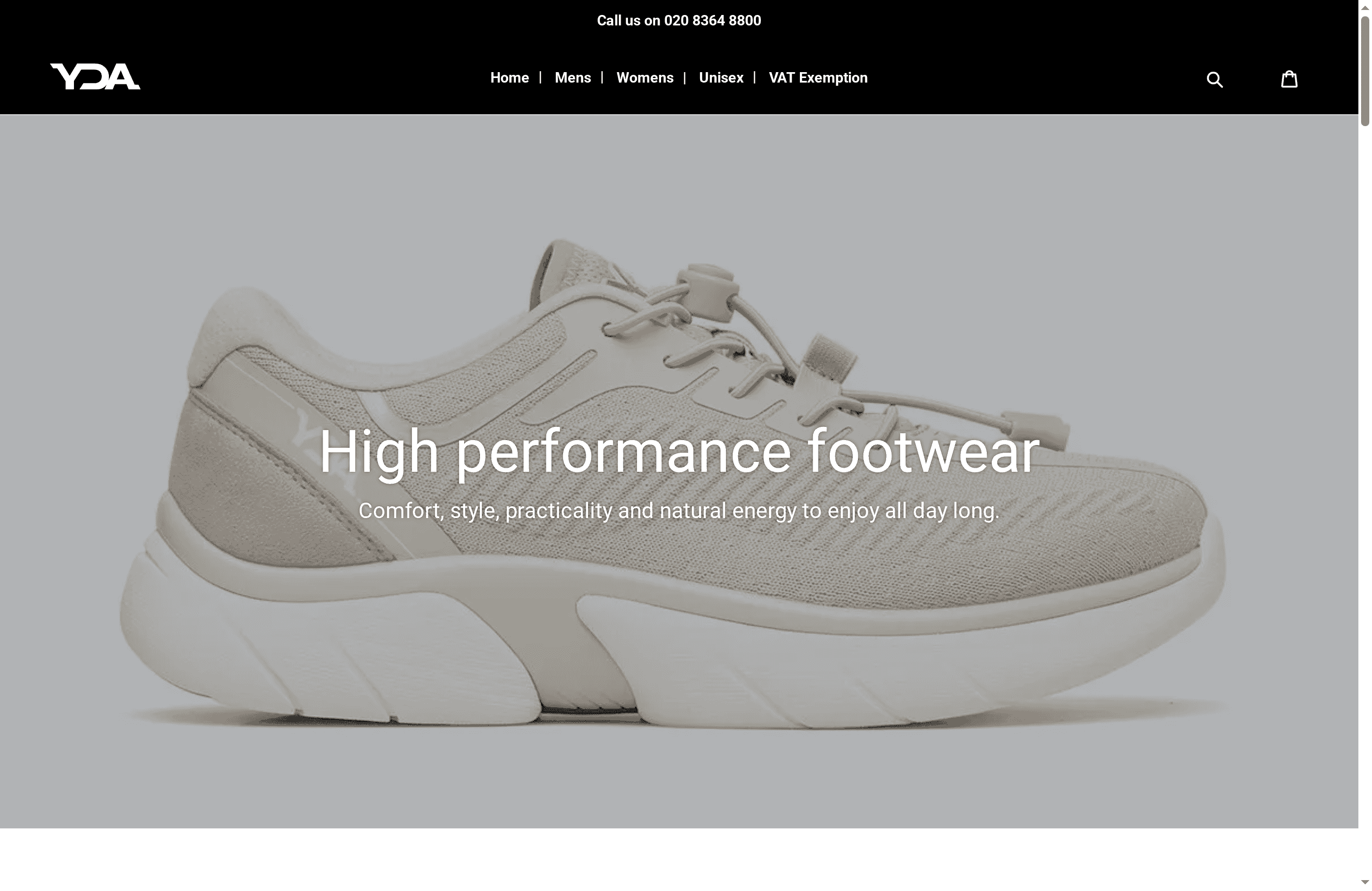
Explore footwear solutions that combine cutting-edge technology with stylish comfort at YDA UK. Our collection integrates YDA Technology, focusing on foot health and energy efficiency to keep you moving confidently every step of the way. Don’t wait until discomfort slows you down. Visit https://ydauk.com now to find footwear expertly crafted for your unique needs and elevate your athletic experience today.
Frequently Asked Questions
What are the key features of running shoes?
Running shoes are designed with advanced cushioning, including heel cushioning, midsole padding, and arch support. These features help absorb and disperse impact energy, reducing stress on your joints and muscles. Be sure to choose shoes that fit your unique foot anatomy for optimal comfort.
How often should I replace my running shoes to prevent injury?
It’s advisable to replace your running shoes every 500-700 kilometres to maintain optimal cushioning and impact protection. Keeping track of your mileage can help ensure your shoes are providing the support needed to reduce injury risks.
What should I look for in cross-trainers?
When selecting cross-trainers, focus on features like reinforced side supports for lateral stability and a versatile sole design for traction. Opt for models that provide enhanced cushioning to absorb impact during diverse exercises, ensuring balanced support across activities.
How do I assess the comfort of walking shoes?
To assess walking shoes, walk around the store for at least 10 minutes to evaluate their comfort and stability. Pay attention to how the shoes feel on your feet and ensure they provide sufficient arch support and cushioning for your walking style.
Why are basketball shoes important for ankle protection?
Basketball shoes feature a high-top ankle collar and reinforced lateral sides, which provide essential support against ankle injuries during rapid movements. Selecting shoes with a snug fit can enhance stability while allowing some flexibility for movement.
What factors should I consider when choosing football boots?
When choosing football boots, consider the stud pattern for multi-directional grip and the outsole type suitable for your playing surface. It’s crucial to select boots that offer a flexible soleplate while providing stability to prevent injuries during gameplay.