
Role of Footbed Design – Why Comfort Starts Here
Most people are surprised to learn that nearly 75 percent of adults worldwide will struggle with foot discomfort at some stage in life. The british footwear industry is responding by blending science and style to help individuals find shoes that support healthy movement without sacrificing appearance. Whether dealing with foot pain or simply seeking lasting comfort, understanding the latest in footbed design can help you choose footwear that feels as good as it looks.
Table of Contents
- What Footbed Design Means In Footwear
- Main Types And Material Innovations
- How Footbed Engineering Supports Health
- Comfort, Stability, And Performance Benefits
- Common Mistakes When Choosing Footbeds
Key Takeaways
| Point | Details |
|---|---|
| Importance of Footbed Design | Effective footbed design enhances comfort and performance by aligning with the foot’s anatomy and facilitating natural movement. |
| Material Innovations | Modern footbeds utilise advanced materials like 3D printed structures and carbon-fibre composites to provide targeted support and improve biomechanical efficiency. |
| Health Implications | Ingenious engineering strategies help distribute mechanical loads, reducing the risk of common foot injuries and enhancing overall foot health. |
| Avoiding Selection Errors | Consumers should prioritise biomechanical compatibility and personal fit over aesthetic appeal when choosing footwear, using professional assessments when possible. |
What Footbed Design Means In Footwear
Footbed design represents a sophisticated intersection of biomechanical engineering and ergonomic principles that directly impacts foot comfort and performance. At its core, footbed design explores the critical interface between human anatomy and shoe construction, focusing on creating supportive interior environments that accommodate natural foot movements and distribute mechanical loads effectively.
The fundamental purpose of footbed design involves strategically managing pressure points, shock absorption, and structural support. Sophisticated designs incorporate multiple layers with varying material densities and contours that mirror the foot’s natural landscape. These intricate configurations help prevent excessive strain during walking, running, or standing by providing targeted cushioning and stabilisation zones that adapt to individual foot morphologies.
Advanced footbed designs now integrate cutting-edge technologies that analyse biomechanical responses. Researchers examine precise factors like material thickness, fibre orientation, and compression characteristics to develop footwear that goes beyond basic protection. Biomechanical load distribution techniques allow manufacturers to create shoes that actively respond to dynamic movement patterns, reducing injury risks and enhancing overall foot health.
Pro tip: When selecting footwear, always test the footbed by walking around and assessing how closely it matches your unique foot shape and movement patterns.
Main Types And Material Innovations
Footbed materials have evolved dramatically, transitioning from traditional natural substances to sophisticated engineered solutions that address complex biomechanical requirements. Advanced material technologies) now enable manufacturers to create footbeds with precise performance characteristics, ranging from ultra-lightweight carbon-fibre composites to adaptive polyurethane and memory foam variants.
Traditional materials like leather and cork continue to play significant roles, offering natural breathability and initial comfort. However, modern innovations have introduced cutting-edge alternatives such as EVA foam, biofoam, and custom-moulded orthotics that provide enhanced shock absorption and personalised support. These materials are strategically engineered to distribute mechanical loads, reduce pressure points, and accommodate individual foot morphologies with unprecedented precision.
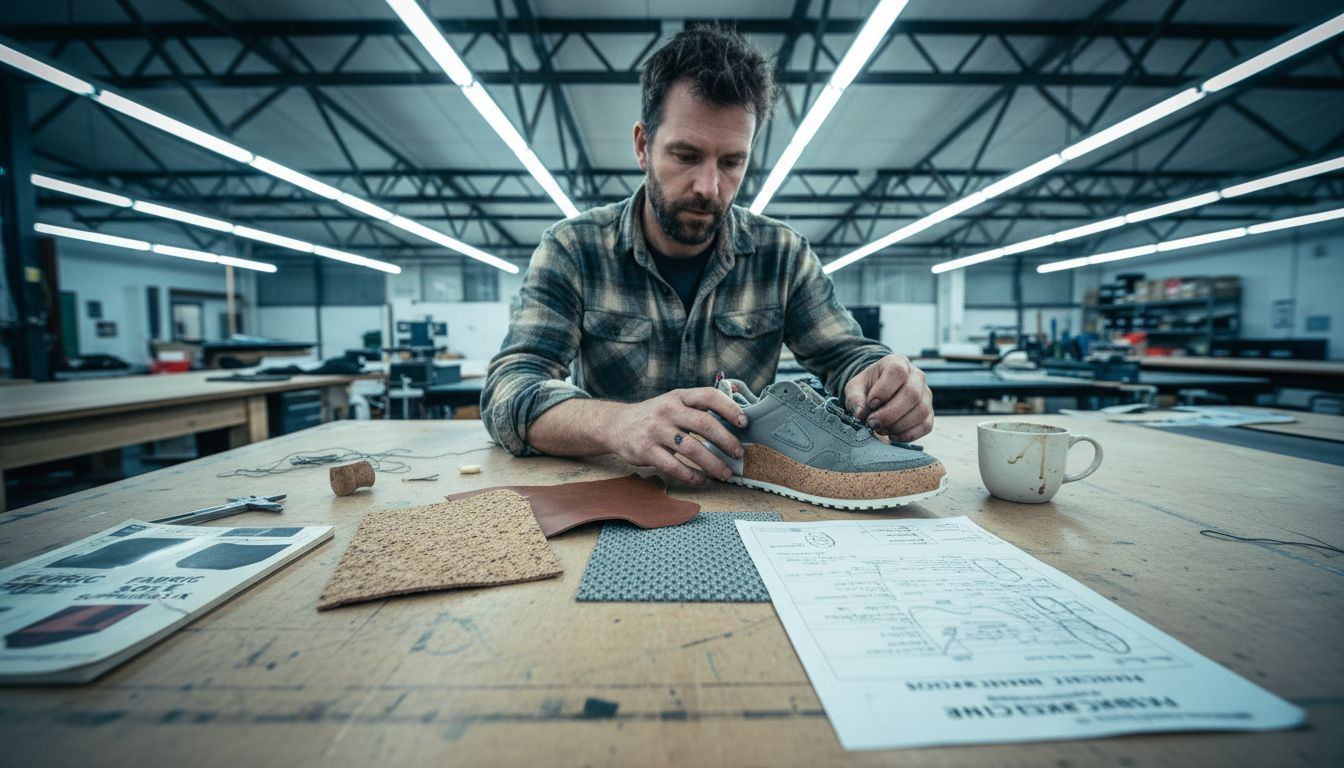
3D printed orthotic structures represent the pinnacle of footbed material innovation, enabling region-specific support through variable hardness gradients. These advanced designs can be customised to individual biomechanical needs, allowing for targeted cushioning and stability that traditional manufacturing methods could never achieve. Manufacturers now leverage meta-material technologies and additive manufacturing techniques to create footbeds that dynamically respond to movement patterns and physiological requirements.
Pro tip: When evaluating footwear, examine the material composition and look for multi-layered designs that offer targeted support in different foot zones.
To better understand modern footbed innovation, here is a comparison of traditional and advanced footbed materials:
| Material Type | Key Properties | Breathability & Comfort | Typical Applications |
|---|---|---|---|
| Leather | Natural, supple, durable | High breathability, soft | Formal, casual, orthopaedic |
| Cork | Lightweight, moulds to shape | Good breathability, firm | Sandals, comfort shoes |
| EVA Foam | Shock-absorbing, light | Moderate comfort, flexible | Sports, trainers, casual |
| Memory Foam | Adaptive to foot contour | High comfort, low breathability | Comfort, custom insoles |
| Carbon-fibre | Ultra-light, rigid support | Minimal breathability, high stability | Performance athletics |
| 3D Printed Biofoam | Customisable, targeted zones | Varies by design, precise fit | Orthotic, medical, bespoke |
How Footbed Engineering Supports Health
Biomechanical load distribution represents the cornerstone of modern footbed engineering, transforming how we understand foot health and injury prevention. By meticulously adjusting structural parameters like plate thickness, material composition, and stress distribution patterns, engineers can create footbeds that actively mitigate potential health risks associated with prolonged standing, walking, and athletic activities.
The implications of advanced footbed design extend far beyond basic comfort. Professional and recreational athletes benefit significantly from engineered solutions that minimise overuse injuries by strategically reducing plantar pressures and balancing mechanical stress across different foot zones. These precision-engineered designs help prevent common conditions like metatarsal stress fractures, shin splints, and chronic joint inflammation by providing targeted support that adapts to individual biomechanical requirements.
Assistive orthotic technologies demonstrate the profound medical potential of sophisticated footbed engineering. Innovative designs now include passive, quasi-passive, and active mechanisms tailored to support individuals with mobility challenges, improving joint function and reducing fatigue. These developments highlight how footbed engineering transcends mere comfort, emerging as a critical intervention in rehabilitative medicine and long-term health maintenance.
Pro tip: Invest time in understanding your unique foot biomechanics and seek professional gait analysis to identify the most appropriate footbed design for your specific health needs.
The following table summarises main footbed engineering strategies and their impact on foot health:
| Engineering Approach | Mechanism | Health Benefit |
|---|---|---|
| Load Redistribution | Even pressure dispersal | Reduces injury risk |
| Multi-Zone Cushioning | Targeted support zones | Prevents localised foot pain |
| Dynamic Response | Adapts to movement | Enhances joint stability |
| Orthotic Integration | Custom support features | Improves mobility, reduces fatigue |
Comfort, Stability, And Performance Benefits
Advanced footbed engineering transforms the relationship between comfort, stability, and performance by creating sophisticated support systems that respond dynamically to human movement. Modern footbed designs go beyond traditional cushioning, implementing precision technologies that redistribute pressure, minimise tissue stress, and enhance overall biomechanical efficiency across various physical activities.
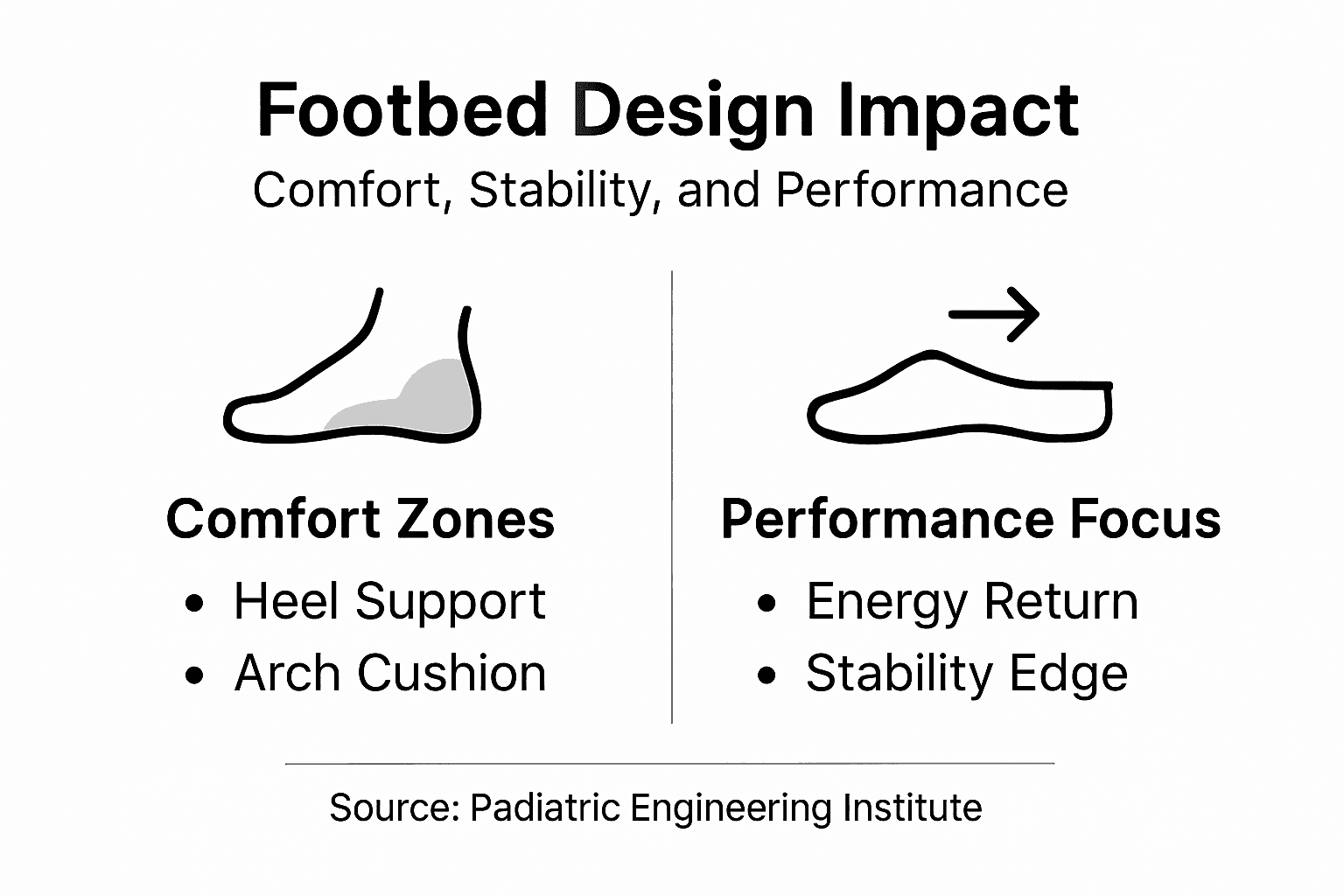
The intricate relationship between comfort and performance becomes evident in how engineered footbeds manage mechanical loads. By strategically incorporating materials with variable hardness and adaptive support zones, these designs help athletes and everyday users maintain optimal joint alignment, reduce fatigue, and minimise injury risks. This approach ensures that comfort is not just about softness, but about creating a responsive interface that supports natural movement patterns and reduces unnecessary muscular strain.
Carbon-fibre plate technologies represent a pinnacle of performance-oriented footbed design, enabling unprecedented improvements in running efficiency and stability. These advanced configurations optimise joint angles, reduce muscular moments during extended activities, and provide targeted support that adapts to individual biomechanical requirements. The result is a holistic approach to footwear that seamlessly integrates comfort, stability, and high-performance capabilities.
Pro tip: Prioritise footwear that offers graduated support zones and adapts to your specific movement patterns, rather than relying solely on generic cushioning.
Common Mistakes When Choosing Footbeds
Footwear selection errors frequently stem from prioritising aesthetic appeal over biomechanical functionality. Consumers often make the critical mistake of choosing footbeds based on style or price, neglecting essential factors like individual foot anatomy, activity requirements, and long-term comfort implications. This superficial approach can lead to significant foot health complications and unnecessary physical strain.
Another prevalent error involves overlooking the importance of personalised fit and material quality. Many individuals select generic footbeds without considering their unique biomechanical profile, gait pattern, or specific activity needs. Professional assessments reveal that one-size-fits-all solutions rarely provide adequate support, potentially causing misalignment, increased fatigue, and heightened injury risks during physical activities.
Biomechanical compatibility represents a crucial consideration often ignored by consumers. Footbed selection should involve a comprehensive evaluation of individual foot structure, arch type, pressure distribution, and movement patterns. Ignoring these nuanced factors can result in improper weight distribution, reduced shock absorption, and increased likelihood of developing chronic foot-related conditions such as plantar fasciitis, knee strain, and lower back pain.
Pro tip: Invest in a professional gait analysis and consult biomechanical experts before selecting footbeds, ensuring your choice provides targeted support for your specific physiological requirements.
Discover How Expert Footbed Design Elevates Your Footwear Experience
The article highlights a common challenge many face when selecting footwear: finding shoes that truly support foot health through innovative footbed design. Key concerns include pressure distribution, personalised support zones, and biomechanical compatibility to reduce pain and improve comfort during daily activities. At YDA UK, we understand that comfort and performance start from within the shoe, which is why our collection focuses on technologically advanced footbeds engineered to match your unique foot shape and movement patterns.
Step into footwear that prioritises your wellbeing. Explore our range of high-performance, stylish shoes featuring exclusive YDA Technology designed for targeted support and energy efficiency. Don’t settle for generic cushioning when you can experience dynamic comfort that adapts to your biomechanics. Visit our site now to find the perfect match and take the first step towards healthier feet today.
Frequently Asked Questions
What is footbed design and why is it important?
Footbed design is the architecture within footwear that supports foot comfort and performance by addressing pressure points, shock absorption, and stability. It plays a critical role in adapting to natural foot movements and reducing strain during activities such as walking or running.
What materials are commonly used in footbed design?
Footbed materials have evolved to include both traditional options like leather and cork, as well as modern engineered solutions such as EVA foam, memory foam, and 3D printed biofoam. These materials offer varying properties like shock absorption, breathability, and personalised support to cater to individual foot needs.
How does footbed design impact foot health?
Advanced footbed design employs biomechanical load distribution strategies to alleviate potential health issues associated with prolonged standing, walking, or athletic activities. Properly engineered footbeds can reduce risks of injuries like stress fractures and inflammation by providing tailored support.
How can I evaluate if a footbed is suitable for my feet?
To assess if a footbed suits your feet, test it by walking around to see if it fits your unique foot shape and movement patterns. Additionally, consider seeking a professional gait analysis to understand your specific biomechanical needs and ensure optimal support.