
Benefits of supportive footwear for comfort and health
TL;DR:
- Supportive footwear includes features like arch support, heel counters, cushioning, and a wide toe box.
- Benefits of supportive shoes include pain reduction, improved posture, and injury prevention, especially for foot conditions.
- Minimalist shoes may strengthen healthy feet, so using a mix of both types optimizes foot health.
Finding shoes that look good and actually support your feet is harder than it should be. Most people settle for style over substance, slipping into flat pumps, thin-soled trainers, or rigid dress shoes without considering the long-term toll. Poor footwear does not just cause tired feet at the end of the day. It creates a ripple effect through your ankles, knees, hips, and lower back, quietly accumulating into chronic discomfort. The right pair of shoes can genuinely change how your body feels. This guide breaks down exactly what supportive footwear does, who needs it most, and how to make a smarter choice the next time you shop.
Table of Contents
- What makes footwear supportive?
- Key benefits of supportive footwear
- Who benefits most from supportive footwear?
- How supportive shoes compare to other styles
- Rethinking supportive footwear: what most miss
- Find your ideal supportive footwear with YDA UK
- Frequently asked questions
Key Takeaways
| Point | Details |
|---|---|
| Support matters | Proper footwear support reduces pain and fatigue, especially for problem feet. |
| Context is key | Minimalist shoes may be best for healthy feet, while support benefits specific conditions. |
| Design features count | Arch support, heel counters, and cushioning all play pivotal roles in comfort and health. |
| Style and function combine | Today’s supportive shoes offer both visual appeal and performance for daily use. |
What makes footwear supportive?
Supportive footwear is not simply about thick soles or cushioned insoles. It is a combination of several design features working together to keep your foot properly aligned and reduce unnecessary strain with every step you take.
The key elements that define a genuinely supportive shoe include:
- Arch support: A contoured footbed that follows the natural curve of your arch, preventing the foot from collapsing inward.
- Heel counter: A firm structure at the back of the shoe that cradles the heel and limits excessive side-to-side movement.
- Midsole cushioning: Shock-absorbing material that reduces the impact travelling up through your joints when your foot strikes the ground.
- Stability features: Wider bases, reinforced shanks, and motion-control elements that prevent overpronation.
- Wide toe box: Enough room for your toes to spread naturally without compression.
Fashion-focused shoes routinely sacrifice these features. A pointed-toe stiletto, for instance, compresses the toes, raises the heel unnaturally, and offers virtually no arch support. Ballet flats feel lightweight but leave the foot without any structural cushioning or midfoot stability.
“Supportive footwear provides arch support, stability, and cushioning, reducing foot pain and strain on the kinetic chain including ankles, knees, hips, and back.”
Podiatrists consistently point to these structural components as non-negotiable for anyone experiencing discomfort. If you want to go deeper on selecting the right pair, this step-by-step shoe guide walks you through the most important factors. For visual inspiration, take a look at some examples of foot health shoes that pair these features with everyday style.
Understanding these components helps you look past marketing language and assess a shoe on its actual merit. Not every shoe labelled “comfort” delivers real support, and knowing what to look for puts you firmly in control.
Key benefits of supportive footwear
With a clear understanding of what sets supportive footwear apart, we can look at the main health and comfort benefits these shoes deliver. The advantages are both immediate and cumulative over time.
- Reduced foot pain and fatigue: Proper cushioning and arch support minimise the stress placed on soft tissues and joints, meaning you feel less worn out after a long day on your feet.
- Improved posture: When your feet are correctly aligned, the positive effect moves upward through the entire body. Less pronation leads to better knee tracking, reduced hip tilt, and a more neutral spine position.
- Relief from common foot conditions: Plantar fasciitis, flat feet, and overpronation all respond well to structured footwear. Supportive shoes with firm arch support and heel cushioning reduce strain on the plantar fascia, directly aiding plantar fasciitis recovery.
- Better biomechanics: Research shows that therapeutic footwear modifies plantar pressure distribution, increases ankle dorsiflexion in late stance, and alters joint torques compared to generic shoes, producing measurable improvements in gait.
- Long-term joint protection: Consistent pressure distribution reduces cumulative wear on cartilage and connective tissue, particularly relevant if you walk or stand for extended periods.
Pro Tip: If you experience heel pain first thing in the morning, that sharp sting is a classic sign of plantar fasciitis. Switching to shoes with structured heel cushioning before getting out of bed can significantly reduce that initial discomfort.
These benefits are not reserved for people with diagnosed conditions. Even healthy adults notice less end-of-day fatigue and fewer aches when wearing genuinely supportive shoes. If you are looking for practical ways to reduce foot pain with shoes, or need guidance on shoes for foot problems, both resources offer clear, actionable starting points.
Who benefits most from supportive footwear?
While the benefits can be significant, it is worth asking who will actually gain the most from making the switch to supportive footwear. The answer is not quite as universal as the footwear industry might suggest.
People who benefit most include:
- Those with flat feet or high arches, where the natural shock-absorption mechanism of the foot is compromised.
- People experiencing plantar fasciitis, tendinopathy, or metatarsalgia, who need offloading and pressure redistribution.
- Individuals who stand or walk for long periods, such as healthcare workers, retail staff, or frequent commuters.
- Anyone managing knee, hip, or lower back pain with a mechanical component linked to gait.
- People returning from foot or ankle injury, where stability and guided movement are important during recovery.
However, the picture shifts for healthy adults without these issues. Research indicates that for healthy individuals in daily walking, little evidence supports biomechanical benefits from cushioning, raised heels, or arch support, with minimal shoes actually recommended as the default for natural foot function. If your feet are strong and pain-free, loading them into heavily structured shoes may actually reduce the natural muscular work your feet perform, potentially weakening them over time.
| Profile | Recommended approach | Priority features |
|---|---|---|
| Flat feet or overpronation | Structured, motion-control support | Arch support, firm heel counter |
| Plantar fasciitis | Cushioned, supportive everyday shoe | Heel cushioning, rigid shank |
| Healthy feet, light activity | Minimal or neutral shoe | Flexible sole, low drop |
| Long hours on feet | Cushioned, supportive trainer | Midsole cushioning, stability |
| Post-injury recovery | Podiatrist-guided supportive shoe | Stability, controlled movement |
For minimalist shoes explained, or to explore which styles are podiatrist recommended footwear, these guides can help match shoe type to your specific profile.
How supportive shoes compare to other styles
Knowing both the strengths and limitations, it helps to see how supportive shoes compare directly to other popular shoe types. The differences go beyond aesthetics.
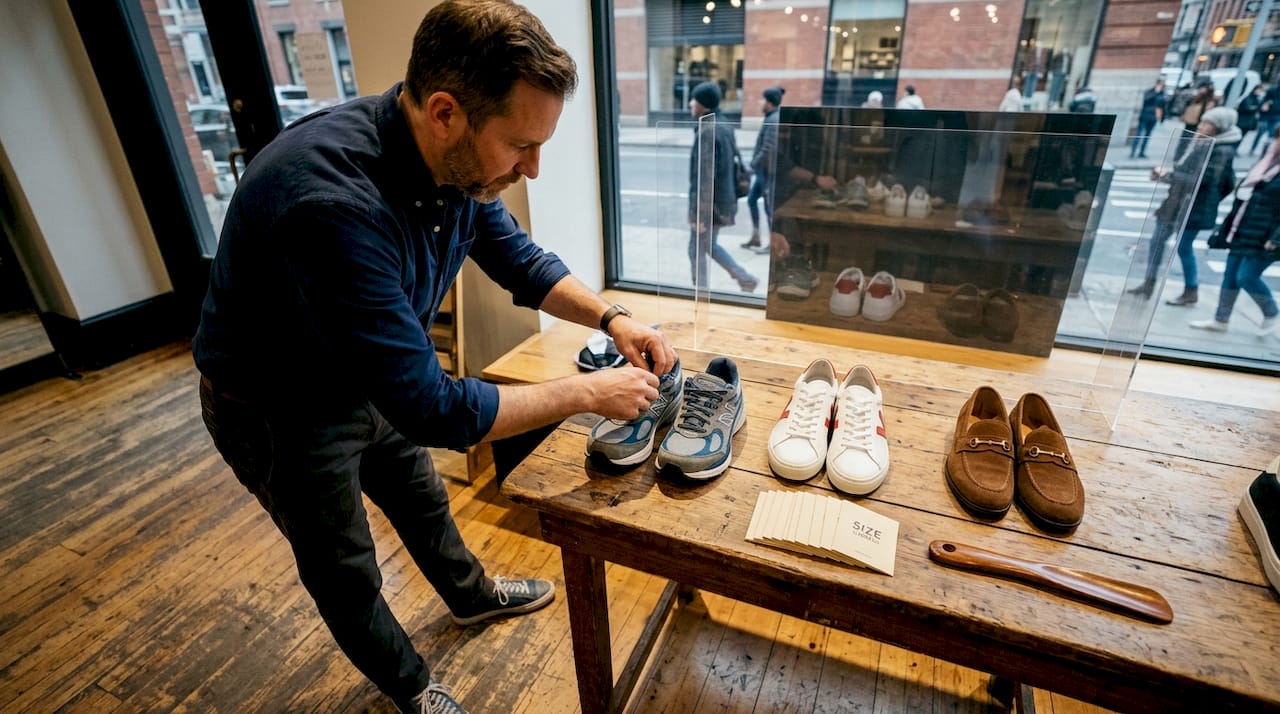
| Feature | Supportive shoes | Minimalist shoes | Fashion shoes |
|---|---|---|---|
| Arch support | High | Low to none | Variable, often low |
| Heel cushioning | High | Low | Variable |
| Sole flexibility | Low to medium | High | Low to medium |
| Foot muscle engagement | Lower | Higher | Variable |
| Suitable for foot conditions | Yes | Limited | Rarely |
| Style range | Growing | Moderate | Very high |
| Price range | Mid to high | Mid | Wide range |
Podiatrists tend to emphasise rigid, non-bendable soles for pain relief and stability, but critical reviews point out there are no broad benefits for healthy feet and that minimalist designs better support natural biomechanics. This is not a contradiction so much as a context issue. The right shoe depends on the foot wearing it.
Cushioning is valued highly for comfort and injury prevention, and stability shoes remain the preferred choice for overpronators and those with flat feet. Fashion shoes, while appealing, rarely compete on any of these markers and are best reserved for short periods or low-impact settings.
Pro Tip: Test a shoe’s stability by holding it at each end and trying to twist it. A supportive shoe should resist torsional force. If it twists easily like a wet cloth, it will offer your foot very little lateral control.
If you are exploring whether orthotic footwear benefits might suit you, or want to see top orthotic-friendly shoes that do not compromise on appearance, both pages offer useful direction.
Rethinking supportive footwear: what most miss
Here is an uncomfortable truth the footwear industry rarely advertises. Supportive shoes are not a solution for everyone, and treating them as such can actually do harm. We have seen people invest in maximum-support footwear expecting transformation, only to find their foot muscles weaken because the shoe is doing all the work their feet should be doing themselves.
The evidence confirms this: minimal shoes may encourage stronger, healthier feet in individuals who do not have an underlying condition requiring support. That does not mean structured shoes are bad. It means they are tools, not permanent solutions.
The smartest approach is one that blends both worlds. Wear supportive footwear when your feet genuinely need it, such as during long walks, recovery from injury, or managing a diagnosed condition. Spend time in lighter, more minimal shoes when your feet are healthy and well-rested, allowing your intrinsic foot muscles to strengthen. And whatever type you choose, select shoes for your health based on your specific foot profile rather than blanket advice.
Find your ideal supportive footwear with YDA UK
At YDA UK, we believe great footwear does not ask you to choose between looking good and feeling well. Our range brings together advanced foot health technology and contemporary design, so every pair you wear actively supports your body rather than working against it.
Whether you are managing a specific foot condition or simply want shoes for problem feet that keep you comfortable from morning to night, our curated collection has options built with purpose. Explore the YDA shoe technology that underpins every pair we make, and discover how biomechanical design and everyday style can work together seamlessly.
Frequently asked questions
What features should I look for in supportive footwear?
Look for arch support, firm heel counters, ample cushioning, and a wide toe box. These elements work together to reduce foot pain and protect the kinetic chain including ankles, knees, and back.
Are supportive shoes always better than minimalist shoes?
Not always. Supportive shoes are genuinely beneficial for those with foot problems, but for healthy adults in everyday walking, minimal shoes are recommended as the better default option.
Can supportive footwear help with plantar fasciitis?
Yes. Shoes with firm arch support and heel cushioning directly reduce strain on the plantar fascia, making them one of the most effective non-medical interventions for plantar fasciitis relief.
Does too much support weaken foot muscles?
Prolonged use of highly supportive shoes can reduce foot muscle engagement in healthy adults, as research finds no proven benefits for cushioning in normal walking. Alternating with minimalist footwear helps maintain foot strength.