
All types of shoe closures for comfort and energy
TL;DR:
- Shoe closures significantly impact foot health, energy efficiency, and overall comfort.
- Modern systems like BOA and DLS offer precise adjustments and better pressure distribution.
- Choosing the right closure depends on lifestyle, mobility needs, and long-term foot support.
Most people choose shoes based on colour, silhouette, or brand. Yet the one detail that directly touches your foot every single day, the closure system, rarely gets a second thought. The right closure affects how securely your foot sits, how pressure is distributed across your sole, and how much energy you waste compensating for a poor fit. From classic laces to micro-adjustable dial systems, each closure type serves a distinct purpose. This guide walks you through every option, the science behind each one, and how to match the right closure to your lifestyle.
Table of Contents
- What are the main types of shoe closures?
- Traditional laces and elastic laces: customisable comfort
- Modern innovations: Velcro, zippers, BOA and DLS systems
- How shoe closure affects foot health and energy
- Choosing the best shoe closure for your lifestyle
- Why fast, easy closures outshine style trends
- Find your perfect fit with innovative shoes
- Frequently asked questions
Key Takeaways
| Point | Details |
|---|---|
| Closure impacts comfort | The right shoe closure enhances comfort, fit, and long-term foot health for every wearer. |
| Innovative closures save energy | Advanced systems like BOA and DLS reduce pressure and prevent foot fatigue by improving stability and fit. |
| Choose closure for lifestyle | Match your shoe closure to your activities—sport, daily wear, travel, or special needs—for the best experience. |
| Traditional options still matter | Classic laces and elastic designs remain favoured for their adjustability and comfort, especially in everyday shoes. |
What are the main types of shoe closures?
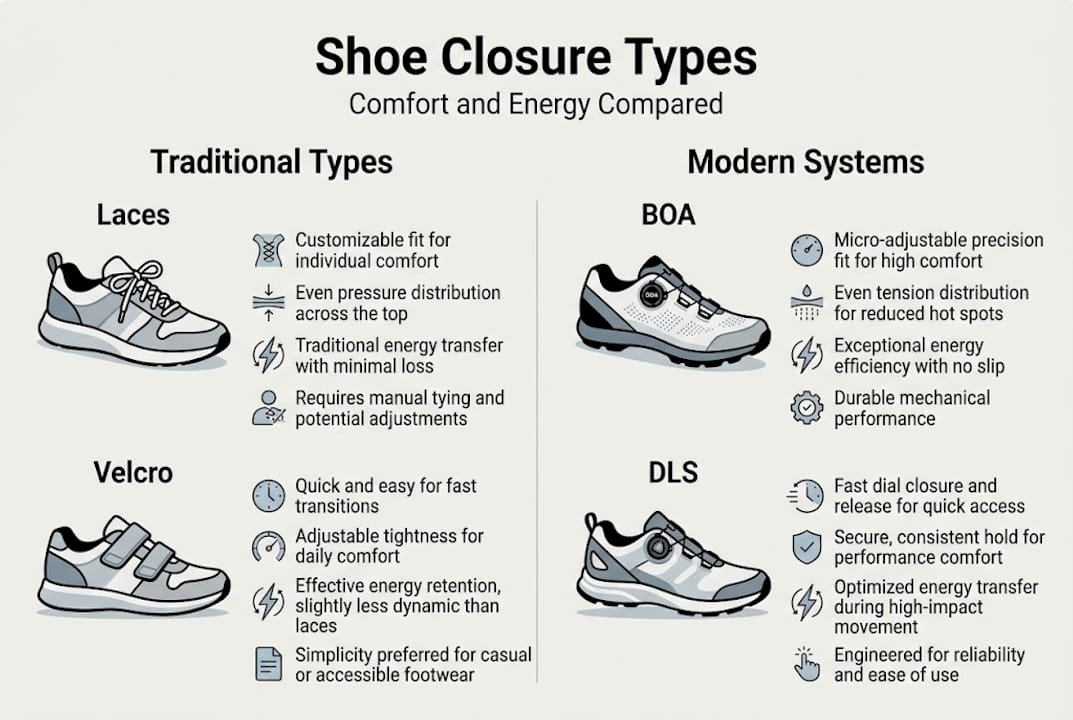
Shoe closures are far more varied than most people realise. Main types include traditional laces, speed laces, elastic laces, hook-and-loop (Velcro), zippers, BOA dial systems, wrapping dial lacing systems (DLS), and buckles. Each one was designed with a specific use case in mind, and understanding the differences helps you make a genuinely informed choice.
Here is a quick breakdown of each type:
- Traditional laces: The most common closure. Fully adjustable, widely available, and suitable for almost any activity.
- Speed laces: A faster version of traditional laces, often used in triathlon and trail running where quick transitions matter.
- Elastic laces: Fixed in place but stretch with your foot. Great for slip-on convenience and continuous comfort.
- Hook-and-loop (Velcro): Simple press-and-peel fastening. Popular for children, elderly users, and adaptive footwear.
- Zippers: Offer a sleek look and fast entry. Common in boots and fashion footwear.
- BOA dial systems: Use a wire lace and a rotating dial for micro-precise tightening. Favoured by athletes and golfers.
- DLS (wrapping dial lacing systems): A newer innovation that wraps the entire foot for even pressure distribution.
- Buckles: Classic and durable. Found in sandals, hiking boots, and fashion-forward designs.
Understanding footwear innovations for foot health shows that the closure you choose is not just about convenience. It shapes how your foot behaves inside the shoe, which has a knock-on effect on posture, fatigue, and long-term joint health.
| Closure type | Best for | Adjustability |
|---|---|---|
| Traditional laces | Everyday, sport | High |
| Elastic laces | Convenience, mobility | Low |
| Velcro | Children, adaptive use | Medium |
| BOA/DLS | Sport, performance | Very high |
| Zippers | Fashion, boots | None |
| Buckles | Sandals, hiking | Medium |
Traditional laces and elastic laces: customisable comfort
Traditional laces remain the gold standard for a reason. They let you fine-tune the fit across different zones of your foot, tighter at the midfoot for support, looser at the toe box for comfort. Over 70% of casual users prefer traditional laces precisely because of this flexibility. You can adapt them to swelling, different sock thicknesses, or specific foot shapes without spending a penny on new footwear.
For everyday wear, traditional laces also offer a level of security that slip-on styles simply cannot match. A well-laced shoe keeps the heel seated properly, which reduces the micro-movements that lead to blisters and fatigue over a long day on your feet.
Elastic laces take a different approach. Rather than adjusting tension manually, they stretch and recover with every step, maintaining consistent pressure without any effort from you. Elastic laces enhance comfort in 88% of cases and are particularly well-suited to people with limited dexterity, arthritis, or those who simply want to get out the door faster. The latest footwear innovations have produced elastic lace designs that mimic the look of traditional laces while delivering the ease of a slip-on.
Key advantages of each:
- Traditional laces: maximum adjustability, universal compatibility, easy to replace
- Elastic laces: zero-fuss entry, consistent pressure, ideal for travel and children’s shoes
- Both: affordable, widely available, and suitable for most foot shapes
When evaluating shoe technology for foot health, lace type is one of the first variables worth assessing. A poorly fitted lace pattern can negate even the best midsole cushioning.
Pro Tip: Swap standard laces for elastic ones in your travel shoes or children’s trainers. You will save time every single day, and your feet will thank you for the consistent, pressure-free fit.
Modern innovations: Velcro, zippers, BOA and DLS systems
Modern closure engineering has moved well beyond the simple knot. Velcro offers easy on/off and remains a go-to for children and adaptive footwear, where independence and speed matter most. It is also seeing renewed interest in casual adult fashion, where the aesthetic has shifted from practical to deliberately retro.
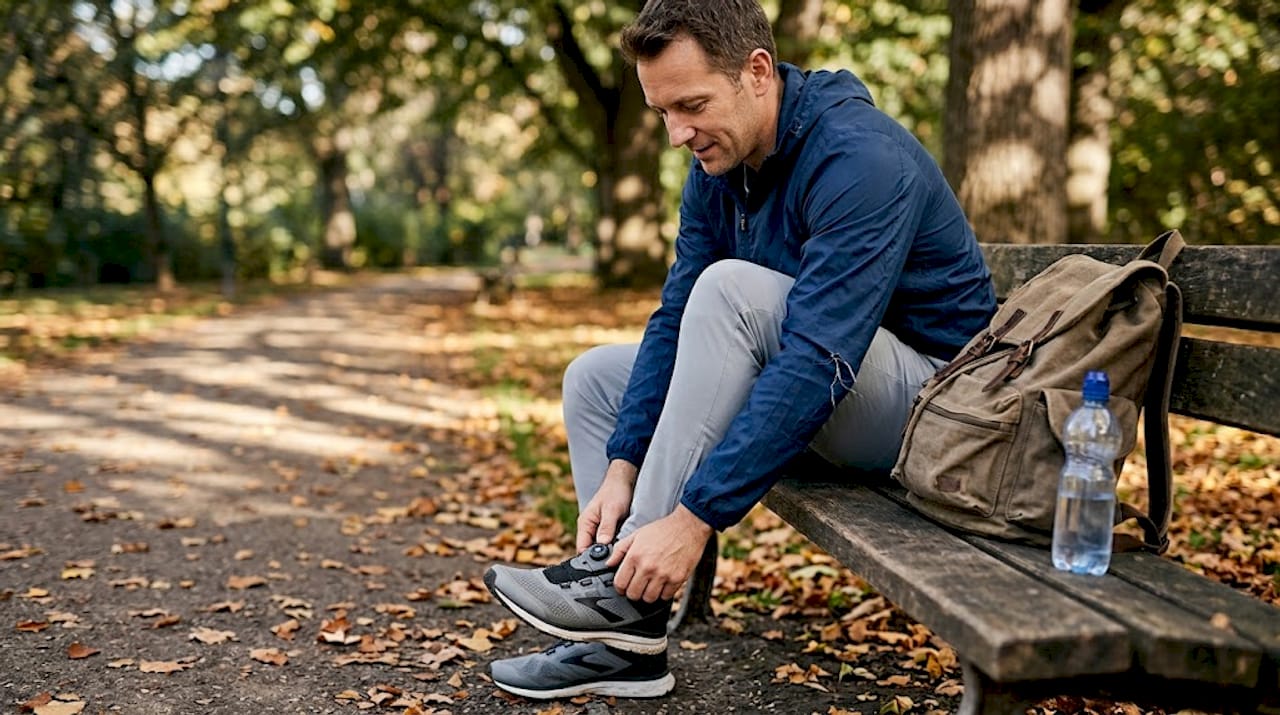
Zippers bring a clean, streamlined look and are particularly useful in boots or shoes where a wide opening is needed for easy entry. They are fast and reliable but offer no adjustability once closed.
BOA dial systems represent a genuine leap forward. A small rotating dial on the upper connects to a thin wire lace that runs through the shoe. Turning the dial tightens or loosens the fit in tiny, precise increments. BOA systems reduce peak foot pressure by 13%, which translates directly into less fatigue and fewer hot spots during extended activity. Golfers, cyclists, and trail runners have embraced BOA for its ability to maintain consistent tension even as the foot moves and swells.
DLS (wrapping dial lacing systems) go even further. Research shows these systems reduce donning time, discomfort, and muscle activation compared to traditional lacing. By wrapping the foot in a single, continuous tension pattern, DLS eliminates the uneven pressure points that standard laces create.
The energy efficiency in shoes achieved through BOA and DLS is not a marketing claim. It is a measurable outcome of better pressure distribution and reduced compensatory muscle effort.
| Feature | BOA/DLS | Velcro | Zipper |
|---|---|---|---|
| Micro-adjustability | Yes | No | No |
| Pressure distribution | Even | Moderate | None |
| Ease of use | High | Very high | High |
| Best for | Sport, performance | Children, adaptive | Fashion, boots |
Pro Tip: If you run longer distances or spend extended hours on your feet, DLS is worth the investment. The reduction in muscle activation alone can make a noticeable difference by the end of a long day.
How shoe closure affects foot health and energy
The link between your shoe closure and your overall energy levels is more direct than most people expect. When a shoe fits loosely, your foot slides slightly with every step. Your muscles compensate by gripping, tensing, and stabilising constantly. Over thousands of steps, this invisible effort adds up to real fatigue.
Innovative closures promote foot health by distributing pressure evenly and minimising the micro-movements that cause both injury and energy loss. A closure that holds the foot securely in its natural position reduces strain on the plantar fascia, Achilles tendon, and ankle ligaments.
Here is how the right closure improves your experience step by step:
- Reduces slippage: A secure closure keeps the heel seated, cutting friction and blister risk.
- Distributes pressure evenly: Systems like BOA and DLS spread load across the whole foot rather than concentrating it at lace points.
- Lowers muscle activation: Less compensatory gripping means less fatigue over long periods.
- Improves energy transfer: Secure closures prevent energy loss from foot slippage, which can meaningfully improve running economy.
- Supports injury prevention: Stable fit reduces lateral roll and overloading of specific joints.
The shoes and energy relationship is well established in sports science, but it applies equally to daily life. Whether you are walking to work or standing in a kitchen all afternoon, a well-secured foot is a more efficient foot.
Most health and energy-friendly closures at a glance:
- BOA dial systems: best for pressure distribution and micro-adjustment
- DLS: best for overall muscle fatigue reduction
- Traditional laces: best for customisable, zone-specific support
- Elastic laces: best for consistent, effort-free comfort
For a deeper look at how to match these benefits to your daily routine, shoe comfort and performance is a useful place to start.
Choosing the best shoe closure for your lifestyle
With the science unpacked, it is time to apply this knowledge to real-life situations. The best closure for you depends on who you are, what you do, and what you value most in a shoe.
Lifestyle factors to consider:
- How much time do you spend on your feet each day?
- Do you have any mobility limitations or conditions like arthritis?
- Are you buying for sport, fashion, travel, or all-day wear?
- How important is quick entry and exit?
- Do you prioritise long-term foot health over short-term convenience?
Velcro is seeing growing demand in the casual market, while DLS systems reduce discomfort and loosening over time for active users. The gap between these two worlds is narrowing as brands bring performance closure technology into everyday styles.
| Scenario | Best closure choice |
|---|---|
| Long-distance running | DLS or BOA |
| Travel and commuting | Elastic laces or Velcro |
| All-day standing | Traditional laces or BOA |
| Children’s shoes | Velcro or elastic laces |
| Adaptive or elderly use | Velcro or zipper |
| Fashion-forward style | Buckles or zippers |
If you care about sustainable choices, it is also worth noting that eco-friendly footwear increasingly incorporates advanced closure systems as part of a broader commitment to longevity and reduced waste.
Pro Tip: Prioritise closures that offer micro-adjustability and consistent stability. The more naturally your shoe conforms to your foot, the less effort your body expends with every step.
Why fast, easy closures outshine style trends
Here is an uncomfortable truth: most people buy shoes for how they look and then spend months tolerating how they feel. Style is important, but it fades. Foot pain does not.
After examining all the evidence, the case for prioritising closure function over fashion is compelling. A dial system or DLS closure that keeps your foot locked in place will do more for your daily energy and long-term joint health than any trending silhouette. The irony is that the best-performing closures, BOA dials, DLS wrapping systems, and well-fitted elastic laces, are now appearing in genuinely stylish shoes. You no longer have to choose.
We have seen, time and again, that customers who switch to micro-adjustable closures report less end-of-day fatigue, fewer blisters, and a noticeably lighter feeling after long walks. That is not coincidence. It is physics. A foot that is not fighting its shoe is a foot that moves efficiently. Advances in shoe cushioning advances work best when paired with a closure that keeps everything in alignment. The closure is the foundation. Get that right first, and everything else follows.
Find your perfect fit with innovative shoes
If you are ready to experience advanced comfort with your next pair, here is where to start. At YDAUK, we offer a carefully selected range of comfortable shoes for foot health built around the principle that style and function should never be a compromise. Our footwear incorporates the kind of closure technology discussed throughout this article, designed to support your foot from the first step to the last.
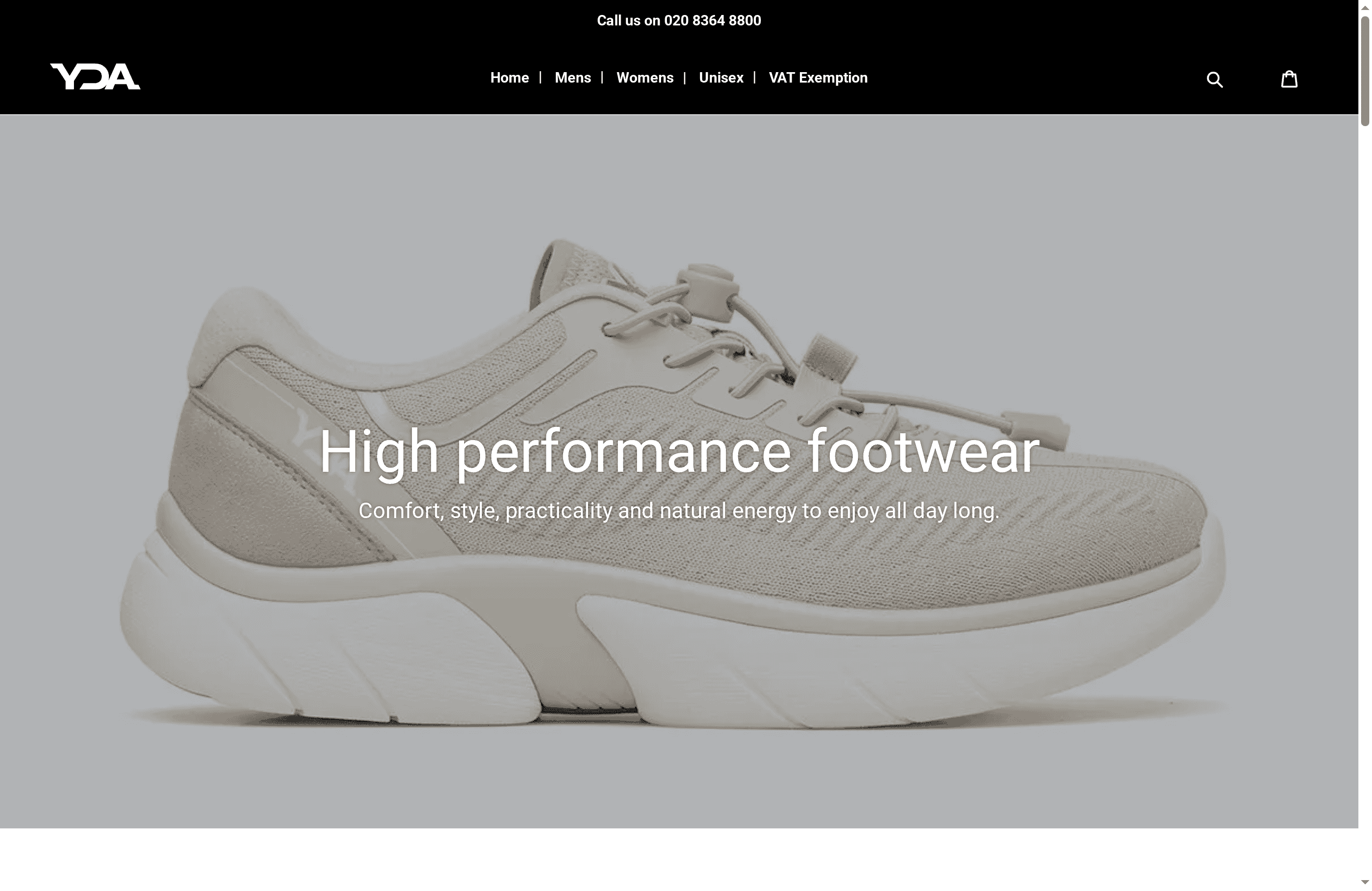
Whether you are drawn to the precision of dial-based systems or the effortless ease of elastic closures, our shoe technology features page explains exactly how each innovation works and why it matters for your health and energy. Explore the range and find the closure that fits your life.
Frequently asked questions
Which shoe closure is best for energy efficiency?
DLS and BOA systems provide high energy efficiency by preventing slippage and distributing pressure evenly. These systems promote stability and reduce the muscle effort needed to compensate for a loose fit.
Are elastic laces suitable for people with mobility challenges?
Yes, elastic laces are ideal for anyone needing easy slip-on shoes or who has limited dexterity. Elastic laces enhance comfort for those with mobility issues by removing the need for manual tying altogether.
Do closures like Velcro or zippers last as long as laces?
Velcro and zippers tend to wear faster than laces but offer unparalleled ease for children and the elderly. Velcro offers easy use especially for adaptive needs, though regular cleaning extends its lifespan considerably.
Why do runners prefer BOA or DLS closure systems?
They create even pressure and allow micro-adjustments, reducing hot spots and mid-run looseness. BOA and DLS prevent loosening and reduce discomfort across extended activity, making them the preferred choice for serious runners.