
Top athletic footwear innovations for performance and foot health
With so many shoe technologies flooding the market, finding the ideal blend of support, energy return, style, and comfort for both athletic performance and daily wear is more complex and rewarding than ever. Brands are racing to outdo each other with foams, plates, and even robot-sprayed materials that promise to transform how your feet feel after a long run or a full day on your feet. The real challenge is cutting through the noise. This guide breaks down the most significant advances in athletic footwear, what sets each one apart, and how to match the right technology to your lifestyle and foot health goals.
Table of Contents
- How to evaluate innovation in athletic shoes
- Spray-on hyper-foam: comfort on demand
- Superfoam and responsive cushioning: the quest for energy return
- Innovation in stability and geometry: carbon plates and beyond
- Style meets science: athletic shoes for health and everyday life
- Comparing the top footwear innovations side by side
- Find your perfect fit: the next step to healthier, smarter shoes
- Frequently asked questions
Key Takeaways
| Point | Details |
|---|---|
| Foam innovation boost | Modern foams like PEBA and TPU deliver over 80 percent energy return for improved performance and comfort. |
| Stability through design | Advanced plates and shank systems add targeted stability without sacrificing cushioning or style. |
| All-day support | Breakthroughs like spray-on foam and full-length air units make it possible to enjoy performance benefits all day, not just during sport. |
| Personalisation matters | Fit and cushioning can now be tailored to your foot shape and daily needs, thanks to emerging technologies. |
| Informed choices win | Understanding features makes selecting the ideal shoe for health, comfort, and athletic goals easier than ever. |
How to evaluate innovation in athletic shoes
Before you spend your money, you need a clear framework for judging whether a shoe’s technology actually delivers. Three benchmarks matter most: running economy, comfort, and injury prevention. Running economy refers to how efficiently your body uses oxygen at a given pace, and it is the gold standard for measuring whether a shoe genuinely helps you perform better.
Advanced Footwear Technology improves running economy by 3-4%, which sounds modest but translates to real minutes off race times and noticeably less fatigue on long training days. When evaluating shoe technology, it helps to look beyond marketing claims and focus on the materials and geometry doing the actual work.
Here is what to assess in any innovative athletic shoe:
- Energy return: How much of each footstrike bounces back to propel you forward
- Foam type: PEBA, TPU, and EVA all behave differently underfoot
- Carbon or nylon plate: Adds propulsion and stability, but not always appropriate for every runner
- Stack height: The thickness of the midsole affects both comfort and running economy
- Versatility: Can the shoe handle the gym, road, and daily errands without compromise
“The best shoe technology is the kind you stop noticing because it simply works with your body, not against it.” This is the standard every innovation should be held to.
For a broader breakdown of what each component does, footwear technology explained is a useful starting point before you commit to a purchase.
With clear criteria in mind, let’s explore the most important footwear innovations redefining the market.
Spray-on hyper-foam: comfort on demand
One of the most buzzworthy innovations is spray-on foam, promising a new frontier for comfort seekers and athletes alike. Rather than moulding a fixed foam shape, this technology uses robotic arms to spray hyper-foam directly onto a last, creating a structure that conforms more naturally to the contours of a real foot.
On Running’s Hyper-Foam Spray-On Shoes use robot-sprayed hyper-foam for futuristic comfort, and the brand ramped up production 30-fold in 2026 to meet demand. That kind of production scale signals this is not a gimmick. It is a genuine shift in how performance footwear is manufactured.
What makes spray-on foam stand out:
- Adaptive fit: The foam structure responds to your foot shape rather than forcing your foot into a predetermined mould
- Lightweight construction: Spraying eliminates excess material, keeping the shoe light without sacrificing cushioning
- Style crossover: The aesthetic is futuristic and clean, making these shoes as at home on a city street as on a track
- Personalisation potential: Robot-controlled spraying opens the door to truly bespoke cushioning profiles in the near future
These key recent innovations are reshaping what consumers expect from a performance shoe, and spray-on foam sits at the cutting edge of that shift.
Pro Tip: If you plan to wear spray-on foam shoes all day, check how the material manages heat and moisture. Some hyper-foams trap warmth, which is fine for short runs but less ideal for eight-hour days on your feet.
Superfoam and responsive cushioning: the quest for energy return
After comfort, energy return and responsive cushioning are the next breakthroughs athletes and walkers alike should pay attention to. The foam in your midsole is doing far more work than most people realise.
Foam energy return varies significantly: PEBA and TPU foams deliver returns above 80%, while traditional EVA sits around 50% and supercritical EVA reaches roughly 65%. That gap is the difference between a shoe that feels alive underfoot and one that simply absorbs impact without giving anything back.
| Foam type | Energy return | Key characteristic |
|---|---|---|
| PEBA | 80%+ | Lightest, most responsive, premium cost |
| TPU | 80%+ | Durable, consistent, slightly heavier |
| Supercritical EVA | ~65% | Budget-friendly step up from standard EVA |
| Standard EVA | ~50% | Widely used, affordable, less responsive |
The HOKA Cielo X1 3.0 is the lightest super shoe yet at 7.52 oz in men’s US10, pairing a hyper-propulsive carbon plate with responsive PEBA superfoam for maximum energy return on race day. It represents the current peak of what foam engineering can achieve in a competition shoe.
For advanced cushioning insights and guidance on energy-focused shoe selection, understanding foam types is the single most important factor in making a smart purchase. You can also explore energy efficiency in shoes to see how these materials translate to real-world savings in effort.
Pro Tip: More foam is not always better. A thicker midsole made from inferior material will underperform a thinner one built from PEBA. Prioritise material quality over stack height when comparing options.
Innovation in stability and geometry: carbon plates and beyond
Of course, innovation is not just about softness or energy return. Stability and ride geometry are crucial for real-world running and foot health. The shape and stiffness of what sits inside your midsole determines how your foot rolls through each stride.

Carbon plate geometry affects peak force during sprinting, with different plate shapes altering peak force between 2.90 and 3.14 times body weight. That range matters enormously depending on whether you are a heel striker, a midfoot runner, or someone managing a previous injury.
| Technology | Stability | Energy return | Best for |
|---|---|---|---|
| Carbon plate (curved) | Moderate | Very high | Marathon and race pace |
| Carbon plate (flat) | High | High | Sprinting and track |
| Nylon shank | Very high | Moderate | Daily training, stability needs |
| Foam only | Variable | Moderate to high | Recovery runs, some elite distances |
The Adidas Adizero Evo SL uses Lightstrike Pro foam with a nylon shank for stability, drawing on the same foam found in the Adios Pro 4 marathon shoe. It is a compelling option for runners who want race-grade cushioning without the instability that can come with a full carbon plate.
Midsole thickness beyond 40mm does further improve running economy by roughly 0.3% over 40mm shoes, but 40mm remains the sweet spot for comfort. Going thicker introduces a rocking sensation that some runners find destabilising on uneven surfaces.
“Foam-only advanced footwear technology spikes sometimes outperform carbon-plated models for running economy and comfort at distance paces, particularly for national-level athletes.” This is a reminder that the most expensive or most complex option is not always the right one.
For more on how each component contributes, see the footwear technology roles guide, and check 2026 sneaker trends to see how these technologies are influencing mainstream design.
Style meets science: athletic shoes for health and everyday life
With technology so sophisticated, today’s trainers are designed for more than just races. They look and feel good all day. That is the final piece in the innovation puzzle.
Innovations like spray-on foam and size-specific air units blur the lines between sport, trail, and fashion, with improved cushioning and stability actively promoting foot health throughout the day. The gap between a performance shoe and an all-day lifestyle shoe has narrowed dramatically.
If both style and health matter to you, here is what to look for:
- Neutral colour options that transition from gym to office without looking out of place
- Adaptive fit systems that accommodate foot swelling throughout the day
- Rocker geometry that reduces forefoot pressure during long periods of standing
- Breathable uppers that manage moisture without sacrificing structure
- Underfoot softness that does not compromise lateral stability during side-to-side movement
“The difference between a pure performance shoe and an all-day-wear innovation is now nearly invisible,” according to footwear analysts reviewing the 2026 market.
Exploring 2025 footwear trends and adaptive technology in shoes will give you a clearer picture of how these design philosophies are evolving across price points and categories.
Comparing the top footwear innovations side by side
After learning about each innovation, a side-by-side look makes it easier than ever to choose the right advanced shoe for your needs.
| Innovation | Comfort | Energy return | Style appeal | Best suited for |
|---|---|---|---|---|
| Spray-on hyper-foam | Very high | High | Excellent | All-day wear, style-focused athletes |
| PEBA superfoam | High | Very high | Moderate | Marathon runners, performance focus |
| Carbon plate (curved) | Moderate | Very high | Moderate | Race day, fast training |
| Nylon shank | High | Moderate | Good | Daily training, stability needs |
| Supercritical EVA | Good | Moderate | Good | Budget-conscious, hobby runners |
AFT benefits running economy even at slow speeds between 7.5 and 12 km/h, delivering approximately 5.4 ml O2 per kg per km in savings compared to traditional footwear. This means the technology is not reserved for elite runners. It genuinely helps walkers and casual joggers too.
Practical tips for matching technology to your needs:
- Marathon runners: Prioritise PEBA foam and a curved carbon plate for maximum energy return over distance
- Hobby runners: A nylon shank or supercritical EVA offers a strong balance of comfort and durability
- Style-focused buyers: Spray-on foam and lifestyle-oriented designs deliver performance without sacrificing aesthetics
- Foot health needs: Look for rocker geometry, adaptive fit, and generous stack height at 40mm
For more on how these choices affect your energy savings in modern shoes, the data consistently points to material quality and geometry as the two variables that matter most.
Find your perfect fit: the next step to healthier, smarter shoes
If you are ready to take advantage of these innovations, choosing the right shoes is easier when you know what technology to look for. YDA UK brings together health-focused footwear built around the same principles discussed throughout this guide: responsive materials, thoughtful geometry, and designs that work as hard during your commute as they do on the track.
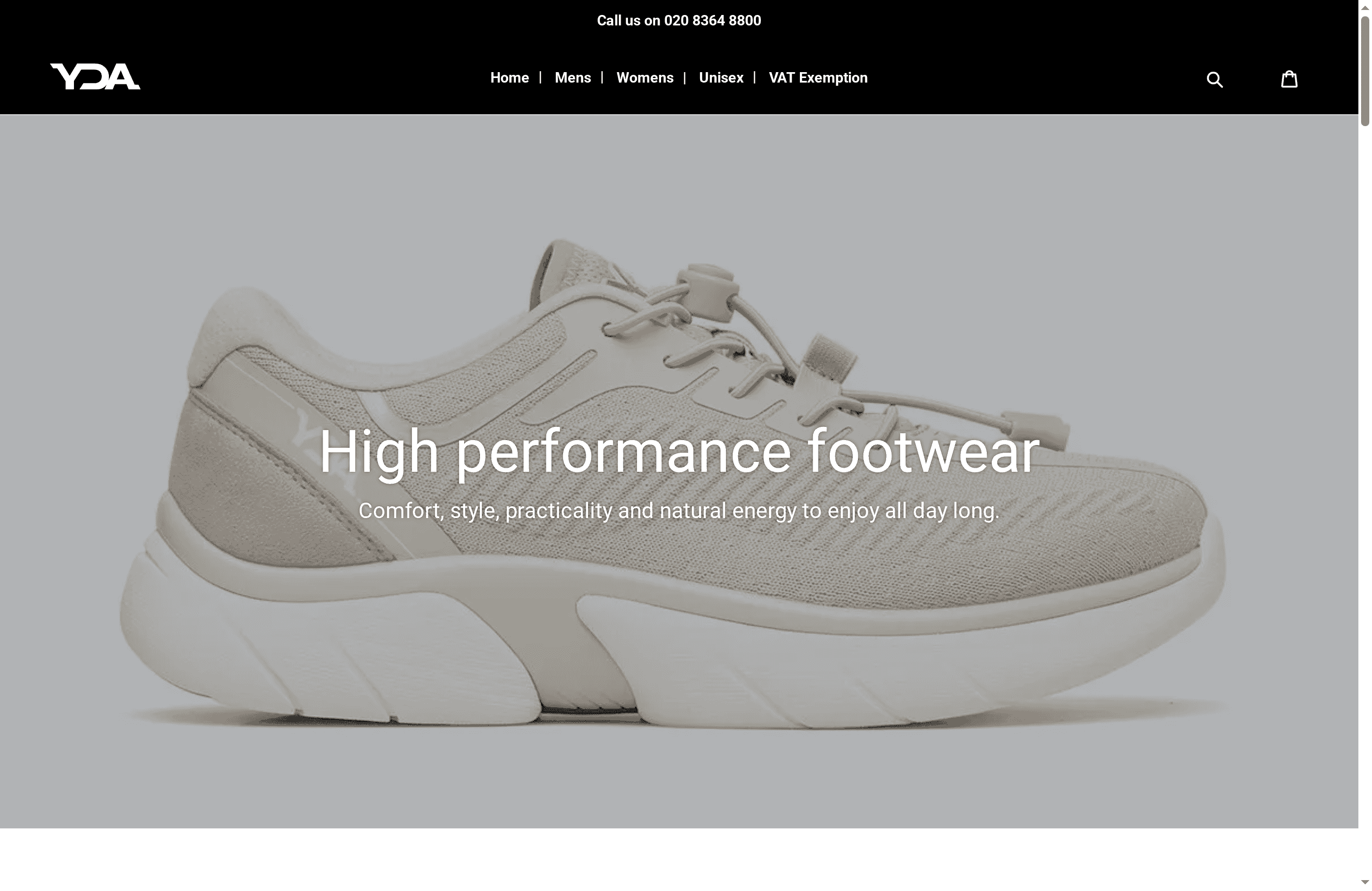
Explore the full range of shoes for problem feet and discover options engineered for real-world comfort and long-term foot health. The YDA shoe technology section breaks down exactly how science meets softness and stability in every pair, so you can make a genuinely informed decision rather than guessing at the shelf. Whether you are managing foot fatigue, chasing a personal best, or simply want a shoe that keeps up with your day, the right technology is already out there.
Frequently asked questions
Which foam material offers the best energy return in running shoes?
PEBA and TPU foams provide energy returns above 80%, significantly outperforming the EVA foam used in traditional trainers, which typically returns around 50% of impact energy.
Do thicker midsoles always mean better comfort and performance?
Not always. While midsoles beyond 40mm may marginally improve running economy, comfort peaks at around 40mm, with possible instability and a rocking sensation becoming issues beyond that threshold.
Are carbon-plated shoes always best for race performance?
No. Some athletes, particularly at national level, may find that foam-only AFT spikes outperform carbon-plated models for running economy and comfort at distance paces.
What real-world benefit does spray-on foam offer for regular users?
Spray-on foam shoes adapt to your foot shape and activity level, offering tailored cushioning that suits both athletic training sessions and long days of everyday wear.
Are these innovations relevant for slow walkers or non-athletes?
Absolutely. AFT shoes improve running economy even at speeds as low as 7.5 km/h, reducing oxygen consumption and foot fatigue for walkers and casual movers, not just competitive runners.
Recommended
- 7 Key Footwear Innovations 2025 for Healthier Feet – YDA UK
- How to Evaluate Shoe Technology for Better Foot Health – YDA UK
- 7 Footwear Technology Trends 2025 for Healthier Feet – YDA UK
- 7 Essential Features of Performance Shoes for Foot Health – YDA UK
- Οφέλη Αθλητικών Ρούχων – Άνεση, Απόδοση και Στυλ