
Energy Efficiency in Shoes – Boosting Everyday Comfort
More than 66 million pairs of shoes are purchased in the British market each year, yet few buyers consider the real impact of energy efficiency in their footwear choices. With concerns about sustainability and personal health growing across the United Kingdom, understanding how modern shoes manage energy use is more crucial than ever. Discover how evolving design and advanced materials in energy-efficient shoes offer benefits for both the environment and your daily comfort.
Table of Contents
- Defining Energy Efficiency In Modern Shoes
- Innovative Shoe Technologies And Their Impact
- Health Benefits Of Energy Efficient Footwear
- Comparing Energy Efficient Shoes And Alternatives
- Critical Buying Mistakes To Avoid
Key Takeaways
| Point | Details |
|---|---|
| Energy Efficiency | Modern shoes are designed to enhance performance while minimising energy consumption in both production and usage. |
| Innovative Technologies | Advanced materials and ergonomic designs improve comfort, reduce strain, and support natural foot mechanics. |
| Health Benefits | Energy-efficient footwear can enhance physiological functions and mitigate long-term musculoskeletal issues. |
| Informed Purchasing | Buyers should prioritise technical specifications and fit over aesthetics to avoid injuries and ensure optimal performance. |
Defining Energy Efficiency in Modern Shoes
Energy efficiency in modern shoes represents a complex intersection of material science, biomechanical design, and sustainable manufacturing. Understanding this concept requires examining how footwear transforms human movement potential while minimising energy consumption across production and usage stages. Shoe manufacturing analysis indicates that producing a single pair of shoes consumes approximately 47 megajoules of energy, highlighting the critical importance of optimising energy dynamics throughout the footwear lifecycle.
Modern energy-efficient shoes go beyond traditional comfort considerations, integrating advanced materials and ergonomic design principles that reduce physiological energy expenditure during walking and movement. These innovative designs focus on minimising biomechanical resistance, reducing muscular strain, and creating lightweight structures that support natural foot mechanics. Key features typically include responsive cushioning technologies, breathable materials that reduce thermal energy loss, and anatomically contoured shapes that promote efficient stride patterns.
The environmental and personal benefits of energy-efficient footwear extend far beyond immediate comfort. By reducing manufacturing energy requirements and optimising user biomechanics, these shoes contribute to both individual performance enhancement and broader sustainability goals. Manufacturers are increasingly employing recycled materials, advanced manufacturing techniques, and precision engineering to create shoes that minimise energy waste while maximising human movement potential.
Pro Tip: Energy Efficiency Assessment: When selecting energy-efficient shoes, examine the weight, material composition, and cushioning technology to understand how they might reduce your overall energy expenditure during daily activities.
How Shoes Impact Energy – Boosting Comfort and Health provides additional insights into this fascinating intersection of footwear design and human performance.
Innovative Shoe Technologies and Their Impact
Innovative shoe technologies are dramatically transforming the landscape of footwear design, integrating advanced engineering principles with human biomechanical needs. Energy return super shoe technologies now deliver up to 85% energy efficiency, utilising sophisticated foam compositions and carbon plate propulsion systems that significantly enhance athletic performance while reducing muscular strain during extended physical activities.
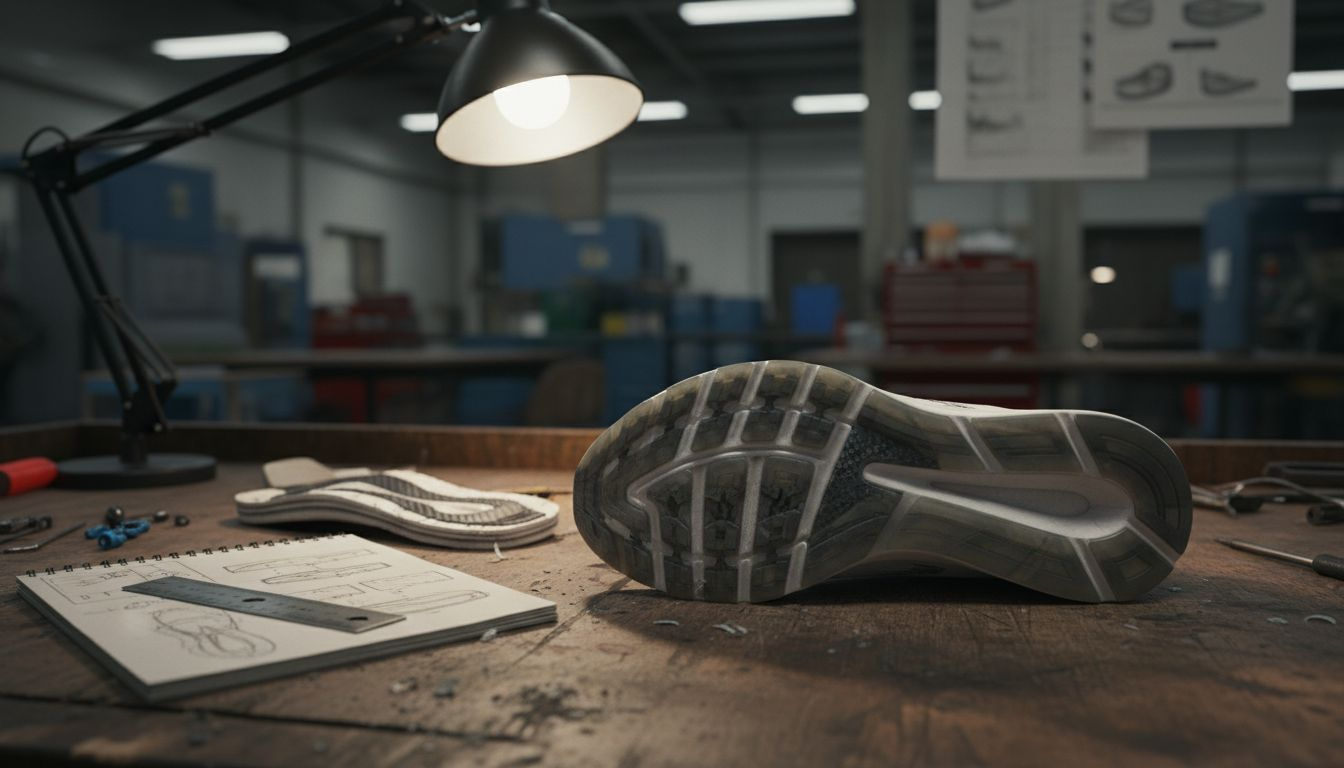
Beyond performance metrics, modern shoe technologies are increasingly focused on sustainability and environmental responsibility. Groundbreaking approaches like zero greenhouse gas manufacturing processes demonstrate how innovative brands are reimagining footwear production. By employing regenerative fibres, natural rubber alternatives, and renewable energy sources, manufacturers are creating shoes that minimise ecological impact without compromising technological sophistication.
The convergence of material science, biomechanical engineering, and sustainable design is producing shoe technologies that address multiple consumer needs simultaneously. Advanced cushioning systems now integrate intelligent energy return mechanisms, adaptive temperature regulation, and ergonomic support structures that dynamically respond to individual movement patterns. These technologies not only enhance comfort and performance but also contribute to reducing physiological stress and potential long-term musculoskeletal challenges.
Here is a summary of innovative shoe technologies and their impact on users and the environment:
| Technology Type | User Benefit | Environmental Impact |
|---|---|---|
| Responsive Cushioning | Reduces muscle strain, boosts energy | May use eco-friendly materials |
| Breathable Materials | Minimises thermal energy loss | Reduces need for air conditioning |
| Regenerative Fibres | Lightens shoe, maintains support | Lowers production emissions |
The Essential Guide to the Role of Footwear Technology offers deeper insights into how these technological innovations are reshaping our understanding of footwear.
Pro Tip: Technology Assessment: When selecting innovative shoes, evaluate the specific technological features and understand how they align with your personal movement requirements and performance goals.
Health Benefits of Energy Efficient Footwear
Energy efficient footwear represents a sophisticated approach to supporting human biomechanical health, offering far more than simple comfort. Grounded footwear technologies have demonstrated remarkable potential in improving physiological functions, including enhanced sleep quality, better energy levels, and improved blood circulation. These innovations go beyond traditional shoe design, actively contributing to the body’s natural regulatory systems and overall wellness.
The health benefits of energy efficient footwear extend to multiple physiological domains, addressing chronic challenges associated with prolonged standing, walking, and physical activity. Advanced biomechanical engineering allows these shoes to distribute body weight more effectively, reduce joint stress, and minimise muscular fatigue. By incorporating intelligent cushioning systems and ergonomic support structures, these shoes help mitigate potential long-term musculoskeletal complications that can arise from unsuitable footwear.
Moreover, energy efficient footwear plays a crucial role in preventing repetitive strain injuries and supporting natural movement patterns. The integration of adaptive materials and precision-engineered support mechanisms enables these shoes to respond dynamically to individual biomechanical requirements. This personalised approach helps reduce the risk of chronic conditions such as plantar fasciitis, knee strain, and lower back pain, ultimately promoting more sustainable and comfortable movement strategies.
What Is Energy Efficient Footwear? Complete Guide provides comprehensive insights into the technological innovations driving these health-focused design principles.
Pro Tip: Biomechanical Assessment: Regularly evaluate your footwear’s energy efficiency by monitoring your comfort levels, assessing potential strain reduction, and understanding how your shoes support your specific movement patterns.
Comparing Energy Efficient Shoes and Alternatives
Energy return super shoe technologies represent a significant advancement in footwear design, offering distinct performance characteristics compared to traditional shoe alternatives. These innovative shoes provide remarkable energy efficiency, delivering up to 85% energy return through sophisticated cushioning and propulsion mechanisms. Unlike standard running shoes, super shoes integrate advanced foam compositions and carbon plate technologies that dramatically enhance athletic performance and reduce muscular fatigue during extended physical activities.
Minimalist shoe designs offer an intriguing alternative approach to energy efficiency, emphasising natural foot movement and biomechanical authenticity. These shoes intentionally minimise cushioning and structural interference, allowing runners to experience closer ground contact and potentially improve running economy. By approximating barefoot running conditions, minimalist shoes challenge conventional footwear paradigms, focusing on foot strength and sensory feedback rather than extensive technological intervention.
The comparative landscape of energy efficient footwear reveals multiple design philosophies addressing distinct performance requirements. Traditional maximal cushioning shoes prioritise shock absorption, while energy return super shoes balance cushioning with dynamic propulsion mechanisms. Minimalist designs offer a biomechanically purist approach, encouraging natural foot mechanics. Each category presents unique advantages: super shoes excel in competitive racing, minimalist shoes support natural movement patterns, and traditional designs provide comprehensive comfort for everyday activities.
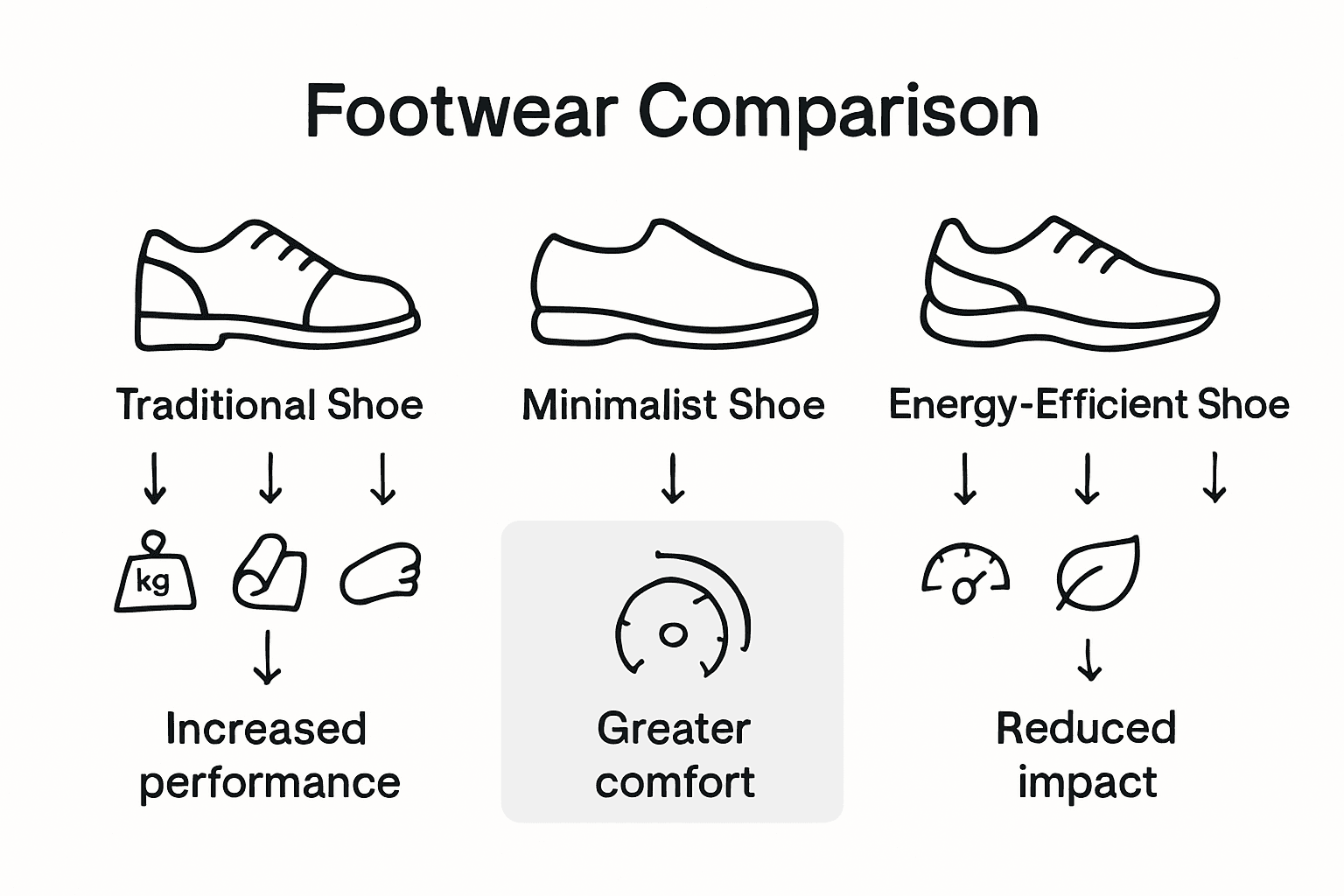
The following table contrasts the distinctive characteristics and typical use cases of major footwear design philosophies:
| Footwear Type | Main Features | Ideal Activity | Key User Benefit |
|---|---|---|---|
| Energy Return Super Shoes | Advanced foam, carbon plate, high rebound | Competitive racing | Maximises propulsion, reduces fatigue |
| Minimalist Shoes | Minimal cushioning, natural movement | Barefoot-style training | Improves proprioception, foot strength |
| Traditional Maximal Cushioning | Thick soles, shock absorption | Daily walking, general use | Enhances comfort, protects joints |
Why Lightweight Shoes Are Beneficial provides additional context for understanding footwear performance dynamics.
Pro Tip: Performance Matching: Select footwear that aligns with your specific movement requirements, considering your activity type, biomechanical characteristics, and performance goals.
Critical Buying Mistakes to Avoid
Selecting energy efficient footwear requires a nuanced understanding beyond superficial aesthetic appeal, demanding careful consideration of individual biomechanical needs and performance requirements. What Are Sustainable Shoes? highlights the importance of making informed purchasing decisions that balance technological innovation with personal comfort.
One of the most common purchasing errors involves prioritising style over functional design and ignoring individual foot biomechanics. Many consumers mistakenly select shoes based on trendy appearances or brand reputation without evaluating critical factors such as arch support, cushioning technology, and movement compatibility. This approach can lead to long-term musculoskeletal complications, increased fatigue, and reduced overall physical performance.
Additionally, buyers frequently underestimate the significance of proper shoe sizing and fit, overlooking subtle yet crucial aspects of footwear selection. Incorrect shoe dimensions can cause significant biomechanical misalignments, leading to potential joint stress, reduced energy efficiency, and increased risk of repetitive strain injuries. Consumers should prioritise professional foot measurements, understand their unique foot geometry, and test shoes under conditions that simulate their primary movement patterns.
The consequences of uninformed shoe purchasing extend beyond immediate discomfort, potentially impacting long-term physical health and performance capabilities. Thoughtful evaluation of technological features, personal biomechanical requirements, and performance expectations becomes essential in making sustainable footwear investments.
Pro Tip: Comprehensive Evaluation: Always conduct a thorough assessment of your footwear needs, including gait analysis, foot measurements, and understanding your specific movement requirements before making a purchase.
Experience Lasting Comfort with Energy Efficient Shoes from YDA UK
The challenge of maintaining energy throughout your day starts at your feet. The article highlights how energy efficiency in shoes reduces muscle strain and supports natural movement — essential goals for anyone seeking to boost everyday comfort and foot health. If you find yourself fatigued or uncomfortable after daily activities, it is time to consider footwear designed with responsive cushioning and advanced biomechanical support. At YDA UK, our collection blends innovative technology with style to help you move more efficiently and feel refreshed.
Explore our wide range of Shoes – YDA UK or find your perfect fit in the Womens – YDA UK collection today. Each pair incorporates specialised features focused on maximising energy return and ensuring ergonomic support. Act now to enhance your wellbeing with footwear that truly understands your needs. Visit https://ydauk.com and step into a new level of comfort and performance.
Frequently Asked Questions
What is energy efficiency in shoes?
Energy efficiency in shoes refers to the use of advanced materials and design principles that reduce the amount of energy the body expends during movement, ultimately enhancing comfort and performance while minimising energy consumption in manufacturing.
How do modern energy-efficient shoes reduce muscle strain?
Modern energy-efficient shoes utilise responsive cushioning technologies and ergonomic designs that minimise biomechanical resistance and support natural foot mechanics, thereby reducing muscular strain during walking and physical activity.
What are the health benefits of wearing energy-efficient footwear?
Energy-efficient footwear can improve physiological functions such as sleep quality, energy levels, and blood circulation, as well as reduce the risk of chronic conditions like plantar fasciitis and lower back pain by offering better support and weight distribution.
How do energy return super shoes differ from traditional footwear?
Energy return super shoes incorporate advanced foam compositions and carbon plate propulsion systems, delivering up to 85% energy efficiency, which enhances performance and reduces fatigue compared to traditional shoes that prioritise shock absorption without dynamic propulsion.
Recommended
- What Is Energy Efficient Footwear? Complete Guide – YDA UK
- How Shoes Impact Energy – Boosting Comfort and Health – YDA UK
- 7 Key Advantages of Stylish Comfort Shoes for Every Day – YDA UK
- Role of Footwear in Daily Comfort: Complete Guide – YDA UK
- Cozee Bay - Energy Efficient Home Products: Making Everyday Living Sustainable
- Reading Glasses Comfort Tips That Really Work – ministry of sight