
What Are Sustainable Shoes? Complete Guide 2025
Most british consumers are surprised to learn that the footwear industry generates over 20 billion pairs of shoes annually, with a massive environmental impact. As global awareness grows, people in the United Kingdom and beyond are questioning what makes a shoe truly sustainable. This guide explores how innovative materials, ethical production, and circular design are reshaping the definition of sustainable shoes and challenging the status quo for environmentally conscious buyers everywhere.
Table of Contents
- Defining Sustainable Shoes and Core Principles
- Types of Sustainable Footwear Materials Used
- How Sustainable Shoes Are Made and Sold
- Benefits and Challenges of Sustainable Shoes
- Comparing Sustainable Shoes to Regular Trainers
Key Takeaways
| Point | Details |
|---|---|
| Sustainable Shoes Prioritise Environmental Responsibility | These shoes integrate eco-conscious principles, focusing on ethical manufacturing and longevity. |
| Innovative Use of Materials | Sustainable footwear utilises renewable, recycled, and plant-based materials, reducing reliance on traditional resources. |
| Circular Manufacturing Practices | The production process emphasises recycling and minimal waste through advanced technologies. |
| Ethical and Transparent Production | Brands focus on fair labour practices and clear supply chains, ensuring responsible consumer choices. |
Defining Sustainable Shoes and Core Principles
Sustainable shoes represent a revolutionary approach to footwear design that prioritises environmental responsibility, ethical manufacturing, and long-term product lifecycle management. At their core, these shoes go beyond traditional manufacturing by integrating eco-conscious principles throughout production, materials selection, and end-of-life considerations.
The fundamental framework of sustainable shoes involves several key strategies. According to research from the SHOEDES project, sustainable footwear design encompasses critical principles such as utilising renewable materials, systematically reducing hazardous substances, and implementing circular economy strategies. These approaches aim to enhance product longevity and maximise recyclability while minimising environmental impact.
Key characteristics of sustainable shoes include:
- Renewable Material Sourcing: Utilising organic, recycled, or regenerative materials like organic cotton, recycled plastics, and natural rubber
- Minimal Environmental Footprint: Reducing carbon emissions during manufacturing and transportation
- Circular Design Philosophy: Creating shoes that can be easily repaired, disassembled, or completely recycled
- Ethical Production: Ensuring fair labour practices and transparent supply chains
Understanding sustainable footwear requires recognising that energy efficient manufacturing processes play a crucial role in reducing overall environmental impact. By integrating innovative technologies and mindful design principles, sustainable shoes represent more than just a product category - they embody a comprehensive approach to responsible consumption and environmental stewardship.
Types of Sustainable Footwear Materials Used
Sustainable footwear has evolved dramatically, with innovative materials transforming traditional shoe manufacturing into an environmentally conscious industry. Eco-friendly materials now represent a critical breakthrough in reducing the environmental impact of footwear production, offering alternatives that challenge conventional manufacturing approaches.
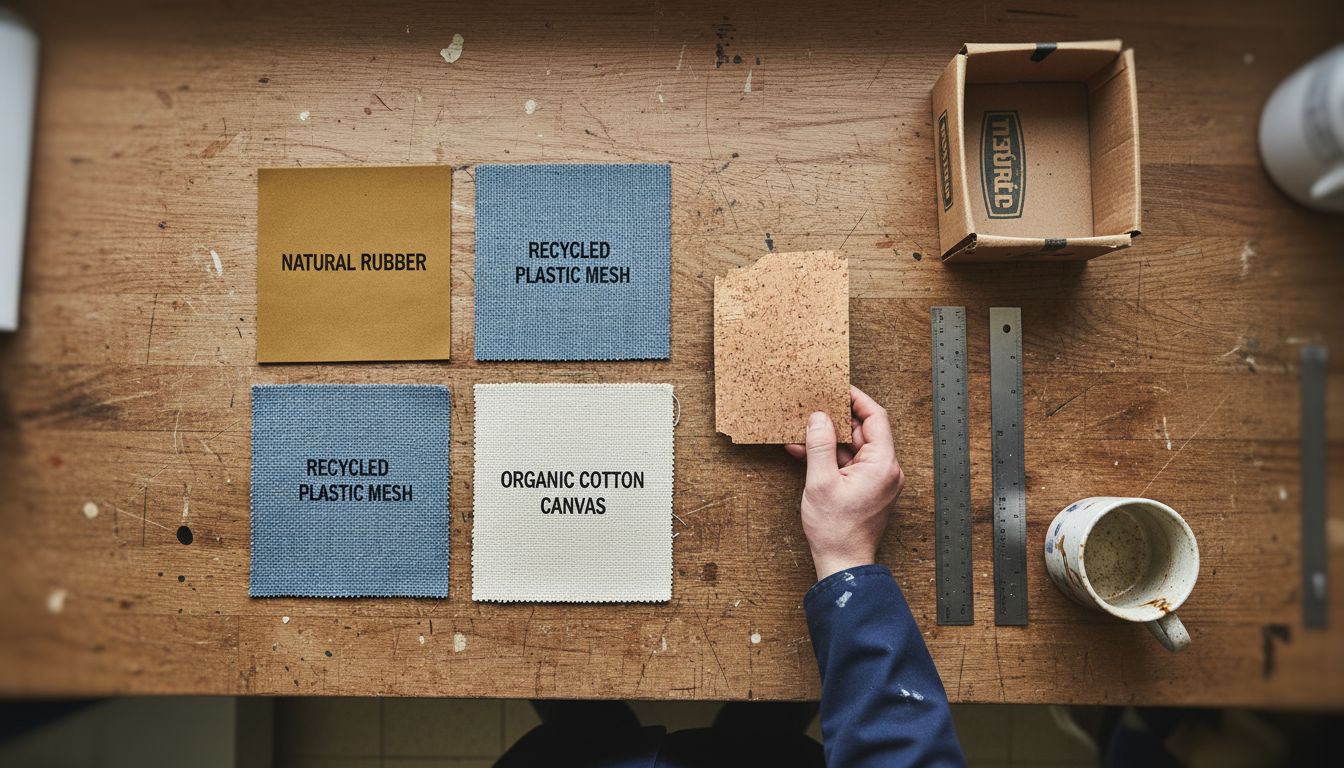
One remarkable development involves plant-based leather technologies. Plant-based leather materials like mushroom leather, derived from mycelium, provide biodegradable alternatives to traditional animal leather. These innovative textiles significantly reduce reliance on resource-intensive livestock farming while delivering comparable durability and aesthetic qualities. Another groundbreaking material is Piñatex, a sustainable textile created from pineapple leaf fibres that transforms agricultural waste into a robust material for shoe uppers.
Key sustainable materials in modern footwear include:
- Recycled Plastics: Transforming ocean waste and plastic bottles into shoe components
- Organic Cotton: Grown without harmful pesticides or synthetic fertilisers
- Natural Rubber: Sourced from sustainably managed forests
- Cork: Harvested without damaging trees, providing lightweight and flexible material
- Bamboo Fibres: Rapidly renewable and requiring minimal water resources
Understanding these materials requires recognising their broader impact. The footwear manufacturing process now prioritises sustainable sourcing, demonstrating how technological innovation can create environmentally responsible solutions without compromising product quality or performance.
How Sustainable Shoes Are Made and Sold
Sustainable shoe manufacturing represents a transformative approach to footwear production, integrating advanced technologies and environmentally conscious practices. Circular manufacturing has become the cornerstone of modern sustainable shoe creation, challenging traditional linear production models and reimagining how footwear is designed, produced, and ultimately recycled.
Innovative manufacturing processes are revolutionising sustainable shoe production. Manufacturing techniques now incorporate cutting-edge materials like recycled PET plastics, rubber, and innovative technologies such as algae-based foams. These approaches dramatically reduce environmental impact while maintaining high-quality product standards. Shoe recycling programmes have also emerged as a critical strategy, with brands developing comprehensive systems to collect and repurpose post-consumer footwear into new materials.
Key stages in sustainable shoe production include:
- Material Sourcing: Selecting renewable and recycled materials
- Reduced Chemical Usage: Minimising harmful environmental compounds
- Energy-Efficient Manufacturing: Implementing low-carbon production techniques
- Waste Reduction: Designing for minimal material waste
- Circular Design: Creating shoes that can be easily disassembled and recycled
Understanding sustainable shoe production requires recognising its holistic approach. Footwear technology now integrates environmental considerations at every stage, demonstrating how innovative design can create products that are both high-performing and environmentally responsible.
Benefits and Challenges of Sustainable Shoes
Sustainable shoes represent a complex ecosystem of environmental innovation and consumer consciousness, balancing transformative potential with practical limitations. Ecological footwear challenges traditional manufacturing paradigms by integrating environmental responsibility directly into product design, creating a nuanced approach to consumer choices that extends far beyond simple purchasing decisions.
Ethical consumer research highlights the multifaceted landscape of sustainable shoe production, revealing compelling advantages alongside significant market challenges. The primary benefits include substantially lower carbon footprints, ethical production practices, and reduced environmental impact, while simultaneously confronting obstacles such as material durability, production costs, and market competitiveness.
Key benefits of sustainable shoes include:
- Environmental Conservation: Reducing waste and carbon emissions
- Ethical Production: Supporting fair labour practices and transparent supply chains
- Resource Efficiency: Utilising recycled and renewable materials
- Long-Term Economic Impact: Creating sustainable industrial practices
- Consumer Awareness: Promoting responsible consumption patterns
Understanding these complex dynamics requires recognising that footwear technology continues evolving, bridging the gap between environmental responsibility and consumer performance expectations. The journey towards truly sustainable footwear remains an ongoing process of innovation, compromise, and continuous improvement.
Comparing Sustainable Shoes to Regular Trainers
The landscape of footwear is undergoing a transformative shift, with sustainable shoes challenging traditional trainer manufacturing paradigms through innovative design and environmental consciousness. Where conventional trainers have long dominated the market, sustainable alternatives are increasingly demonstrating superior performance and ethical credentials.
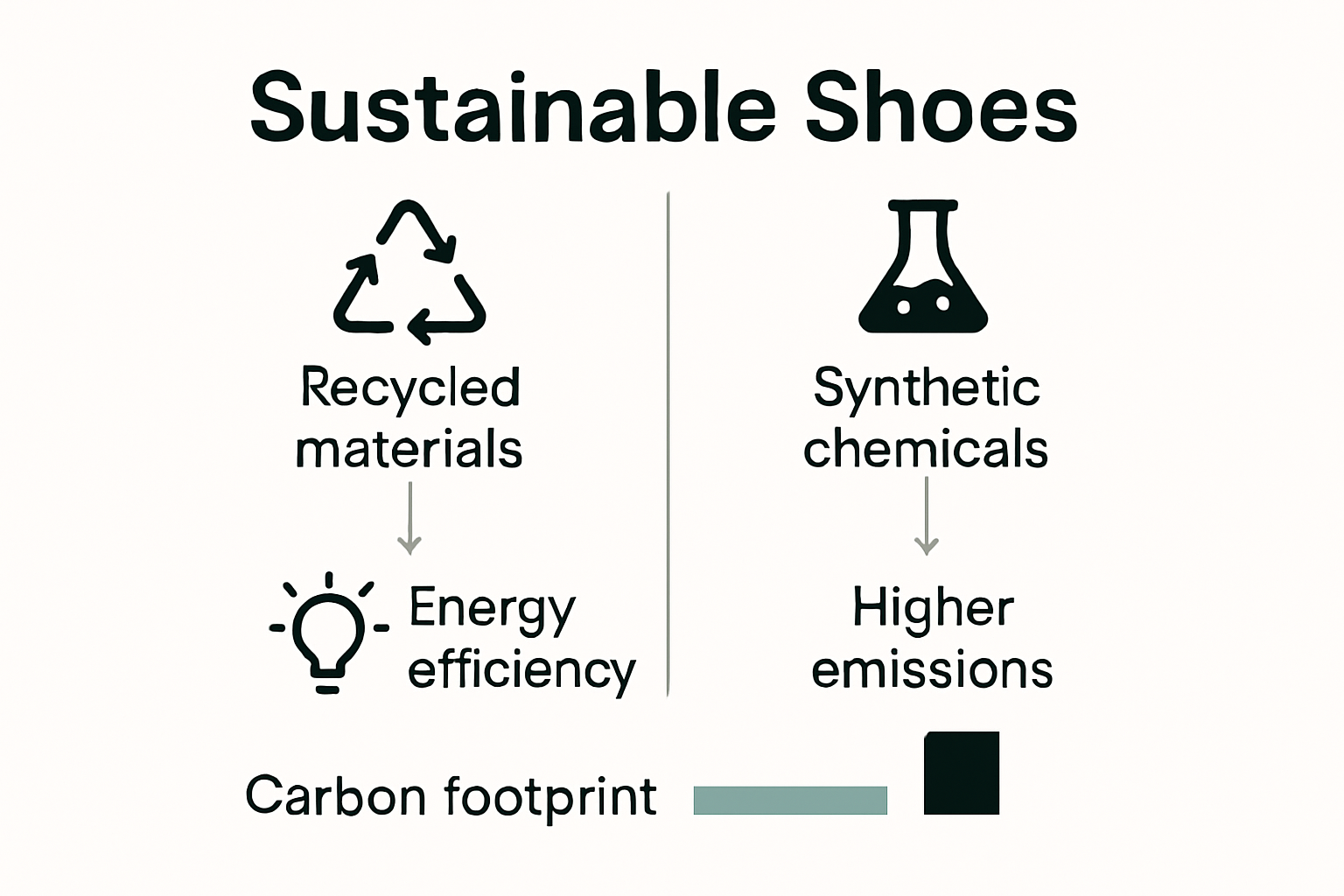
Ethical consumer research reveals critical distinctions between sustainable and regular trainers. While conventional trainers typically rely on petroleum-based materials and energy-intensive production processes, sustainable shoes prioritise renewable resources and reduced environmental impact. Notably, sustainable options often feature higher upfront costs but deliver significant long-term value through improved ecological performance and ethical production practices.
Key comparative differences include:
- Material Composition: Sustainable shoes use renewable materials vs petroleum-based components
- Carbon Footprint: Significantly lower environmental impact for sustainable options
- Production Ethics: Transparent supply chains versus potentially opaque manufacturing
- Lifecycle Considerations: Designed for recyclability and reduced waste
- Performance Capabilities: Increasingly matching or exceeding traditional trainer specifications
Understanding these nuanced differences requires recognising that shoe wear characteristics are evolving, with sustainable technologies challenging traditional performance metrics. The future of footwear lies not in competition, but in holistic integration of environmental responsibility and consumer expectations.
Discover Sustainable Footwear Solutions That Match Your Values
Choosing sustainable shoes means embracing innovation, ethical production, and eco-friendly materials as highlighted in our guide. At YDA UK, we understand the challenge of finding footwear that blends advanced foot health technology with responsible manufacturing. Our collection offers stylish, comfortable options designed for everyday wear that respect environmental and ethical principles.

Explore our wide range of sustainable shoes and experience the benefits of energy-efficient craftsmanship combined with cutting-edge design featured on our home page. Take your first step towards healthier feet and a healthier planet today by visiting https://ydauk.com. Don’t wait to make a conscious choice that supports your lifestyle and the environment.
Frequently Asked Questions
What are sustainable shoes?
Sustainable shoes are footwear designed with a focus on environmental responsibility, ethical manufacturing, and a long lifecycle. They utilise eco-friendly materials and processes that minimise environmental impact.
What materials are commonly used in sustainable shoes?
Sustainable shoes often incorporate renewable and recycled materials such as organic cotton, recycled plastics, natural rubber, cork, and plant-based leathers like mushroom leather and Piñatex.
How are sustainable shoes made compared to regular shoes?
Sustainable shoes are produced using circular manufacturing processes that prioritise renewable materials, energy-efficient techniques, and reduced waste, in contrast to regular shoes that often rely on petroleum-based materials and harmful chemicals.
What are the benefits of choosing sustainable shoes over regular trainers?
The benefits of sustainable shoes include lower carbon footprints, ethical production practices, reduced environmental impact, and a focus on resource efficiency, all contributing to a more sustainable consumption pattern.
Recommended
- Why Shoes Wear Out: Complete Guide Explained – YDA UK
- What Is Energy Efficient Footwear? Complete Guide – YDA UK
- What Is Smart Footwear? Complete Guide for 2025 – YDA UK
- Complete Guide to the Footwear Manufacturing Process – YDA UK
- Best Jesus Fish Shoes – Expert Comparison 2025 – Walk In His Footsteps