
Must-have shoe features: the 2026 foot health guide
TL;DR:
- The most important shoe features are a spacious toe box, firm heel counter, proper arch support, and a well-maintained midsole.
- These structural qualities protect foot health and prevent whole-body pain such as back and knee issues.
The must-have shoe features that matter most are a spacious toe box, firm arch support, shock-absorbing midsole, and a rigid heel counter. These are not style preferences. They are the structural qualities that determine whether a shoe protects your feet or damages them over time. Podiatrists at the Cleveland Clinic and The Sole Doctor USA consistently point to these same attributes when advising patients on foot-friendly shoe features. Get them right, and your shoes work for you. Get them wrong, and you pay for it in pain.
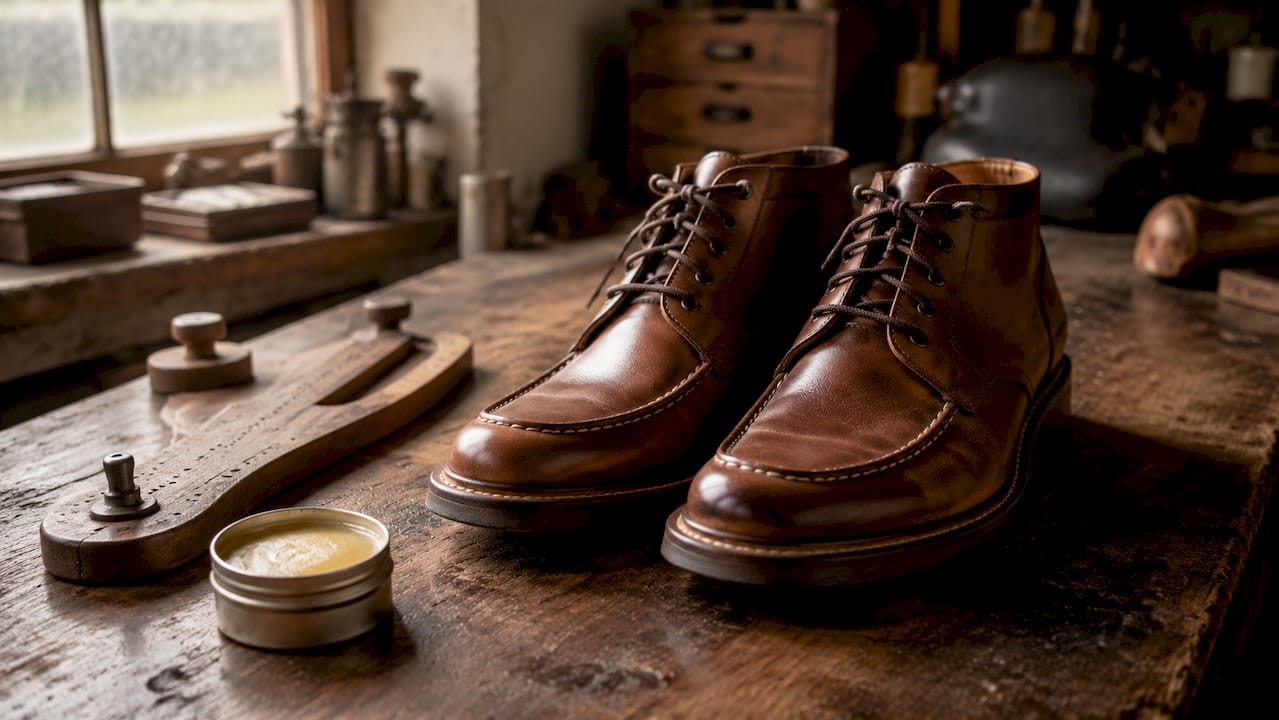
1. What are the must-have shoe features for foot health?
The essential shoe qualities every pair must deliver are fit, support, cushioning, and durability. These four pillars apply whether you are buying running trainers, everyday walkers, or dress shoes. A shoe that fails on any one of them creates a chain reaction: poor fit causes blisters, weak support causes misalignment, inadequate cushioning increases joint impact, and poor durability means the shoe degrades before you realise it.
Foot health is not a niche concern. Shoes are often the root cause of back and knee pain, not just foot problems. That means the features you prioritise when buying shoes affect your whole body, not just your feet.
2. Why a spacious toe box is non-negotiable
The toe box is the front section of the shoe that houses your toes. Podiatrists recommend a thumb’s width of space at the toe tip, roughly 0.5 to 0.75 inches, to allow for natural toe splay and daily swelling. Without that space, toes are compressed, and the consequences are serious.
Narrow or tapered toe boxes cause:
- Bunions: bony bumps that form at the base of the big toe
- Neuromas: painful nerve thickening between the toes
- Black toenails: caused by repeated pressure against the shoe tip
- Hammertoes: toes forced into a bent position over time
Wide toe boxes are not just for people with existing foot problems. They are the correct design for any foot. Tapered styles may look sleek, but they force your toes into an unnatural position with every step.
Pro Tip: Try shoes on in the afternoon or evening. Feet swell throughout the day, and fitting shoes later ensures you account for that swelling and avoid a fit that feels fine in the morning but painful by 3pm.
3. Arch support and heel counters: the stability pair
Arch support is the contoured structure inside the shoe that follows the natural curve of your foot. It should not be flat. A flat insole offers no meaningful support and forces the arch to collapse under body weight with every step. The arch support should match your foot type: low, neutral, or high arch.
The heel counter is the firm cup at the back of the shoe that wraps around your heel. A firm heel counter prevents overpronation and stabilises each step. Dr. Joy Rowland of the Cleveland Clinic notes that a weak heel cup correlates directly with misalignment problems, knee buckling, and lower back pain.
“A shoe without a firm heel counter is like a car without wheel alignment. Everything else may look fine, but the damage accumulates with every mile.” — Dr. Joy Rowland, Cleveland Clinic, 2026
Adjustable closures, whether laces, straps, or buckles, also matter here. They let you secure the shoe to your specific foot shape and width, which no fixed slip-on can replicate. A shoe that slides at the heel, even slightly, undermines all the support the heel counter provides.
4. Midsole cushioning and heel drop: the biomechanics of comfort
The midsole is the layer of foam between the outer sole and the inner lining. Its job is to absorb the impact of each footfall before it travels up through your ankle, knee, and hip. Midsole foam degrades with use, even when the outer sole still looks intact.
Running shoes need replacing every 300–500 miles. Walking shoes should be replaced every 6–12 months. Worn midsoles increase joint impact significantly, even when the shoe looks fine from the outside. This is one of the most overlooked aspects of shoe maintenance.
Heel drop is the height difference between the heel and the forefoot. A moderate heel drop of 8–12mm reduces strain on the Achilles tendon and calf muscles during walking and running. Completely flat shoes place the full load on the Achilles and are not suitable for most people without a careful transition period. For general daily wear, 8–10mm is the clinically preferred range.
Understanding heel drop mechanics helps you choose between shoe types with confidence rather than guessing based on marketing language.
5. Materials, craftsmanship, and why they affect comfort
The materials a shoe is made from determine how it breathes, how it ages, and how it feels after hours of wear. Top-grain leather with breathable linings and sturdy welted or stitched soles deliver both durability and long-term comfort. Synthetic materials can work well in athletic shoes, but in everyday footwear, they often trap heat and degrade faster.
| Feature | Quality construction | Poor construction |
|---|---|---|
| Upper material | Top-grain leather or technical mesh | Split leather or thin synthetic |
| Sole attachment | Welted or stitched | Glued only |
| Heel reinforcement | Reinforced heel counter | Soft, collapsible back |
| Lining | Breathable, moisture-wicking | Non-breathable synthetic |
| Outsole | Rubber with flex grooves | Rigid or thin plastic |
Sturdy stitching and welted soles allow the shoe to be resoled, extending its life considerably. Glued soles separate under sustained use, particularly in wet conditions. The outsole also affects grip and flexibility. A good outsole flexes at the ball of the foot and grips on varied surfaces without being so stiff that it restricts natural movement.
Pro Tip: Press your thumb into the heel counter of any shoe before buying. It should not collapse. If it does, the shoe will not hold your heel in place, regardless of how good the rest of the construction looks.
6. How to test shoe flexibility, fit, and comfort before buying
A shoe should feel comfortable the moment you put it on. A shoe that hurts initially will not improve with wear. The idea of “breaking in” a shoe is largely a myth for modern footwear. If it pinches, rubs, or compresses at first wear, it is the wrong shoe.
The 3-minute physical test is a reliable way to assess any shoe before purchase:
- Twist test: Hold the shoe at both ends and twist. A good shoe resists torsion. A shoe that twists easily lacks structural integrity.
- Bend test: Bend the shoe at the forefoot. It should flex only at the ball of the foot, not mid-arch. Mid-arch flex means the shoe lacks the support your arch needs.
- Heel counter press: Squeeze the heel cup firmly. It should feel rigid and spring back. A soft heel counter will not stabilise your foot.
- Width check: Stand in the shoe and check that your foot does not bulge over the sides. The widest part of your foot should align with the widest part of the shoe.
- Toe space check: Walk a few steps and confirm your longest toe has clear space from the tip. No contact, no pressure.
For online purchases, check the brand’s shoe comfort guide and look for detailed sizing notes, width options, and return policies before committing.
7. How essential features compare across shoe types
The core shoe must-haves remain constant across every category, but how they are delivered changes by purpose. Shoe features differ across categories, but fit, support, and comfort are non-negotiable in all of them.
| Feature | Everyday shoes | Athletic shoes | Dress shoes |
|---|---|---|---|
| Toe box | Wide, rounded | Wide, with flex room | Often tapered (compromise needed) |
| Arch support | Contoured insole | Sport-specific support | Minimal; add orthotics if needed |
| Heel drop | 8–10mm | 8–12mm | Varies; avoid flat or very high |
| Midsole cushioning | Moderate foam | High-performance foam | Thin; prioritise quality leather |
| Materials | Leather or quality synthetic | Technical mesh | Top-grain leather |
| Outsole | Rubber, flexible | Sport-specific grip | Leather or rubber |
Dress shoes present the biggest challenge. Style conventions often push towards narrow toes and thin soles, both of which conflict with foot health. The solution is to seek dress shoes with a rounded or square toe box and a leather outsole thick enough to offer some natural cushioning. Brands that prioritise foot health within dress shoe design do exist, and they are worth seeking out.
Key takeaways
The most effective shoes combine a spacious toe box, firm heel counter, contoured arch support, and a midsole replaced before it degrades, because these features directly protect foot health and prevent whole-body pain.
| Point | Details |
|---|---|
| Toe box space matters | Allow 0.5–0.75 inches at the toe tip to prevent bunions, neuromas, and black toenails. |
| Heel counter rigidity | A firm heel cup prevents overpronation and reduces knee and back pain. |
| Replace midsoles on schedule | Running shoes last 300–500 miles; walking shoes need replacing every 6–12 months. |
| Test before you buy | Use the 3-minute twist, bend, and heel press test to assess any shoe before purchase. |
| Immediate comfort is the standard | A shoe that hurts at first wear will not improve. Comfort from the first step is the baseline. |
What I have learned from years of watching people buy the wrong shoes
Shoppers consistently make the same mistakes. They buy shoes that look right but feel wrong, then convince themselves the discomfort will pass. It does not. The heel counter is the most ignored feature in any shoe shop. People press the toe box, check the sole, and walk a few steps. Almost nobody squeezes the heel cup. That single oversight leads to more misalignment and back pain than any other buying error I have seen.
The second mistake is ignoring heel drop. Most people have never heard the term before reading an article like this one. Yet the difference between a 4mm drop and a 10mm drop is the difference between Achilles strain and comfortable walking for someone with tight calves or a history of plantar fasciitis. It is a number that should be on every shoe label, and it is not.
My honest view is this: style is not the enemy of foot health, but it should never come first. A well-made shoe in a classic silhouette, with a proper heel counter, a contoured insole, and a rounded toe box, will look good and protect your feet. Compromising on structure to save money or chase a trend is a short-term decision with long-term consequences. Invest in the construction. Your knees and back will thank you for it.
— Panagiotis
Ydauk and the technology behind genuinely supportive footwear
Ydauk builds shoes around the features this guide covers: contoured arch support, firm heel counters, shock-absorbing midsoles, and breathable quality materials. The YDA Technology approach applies these principles to everyday footwear, so you are not choosing between style and support.
If you want to understand exactly how Ydauk’s construction addresses each of these features, the YDA Shoes technology page sets out the detail clearly. For a broader look at how to apply these principles when shopping, the shoe shopping tips for 2026 guide is a practical next step.
FAQ
What is the most important feature to look for in shoes?
A firm heel counter is the single most critical structural feature. It stabilises your foot, prevents overpronation, and reduces the risk of knee and back pain.
How much toe space should a shoe have?
Podiatrists recommend 0.5–0.75 inches of space between your longest toe and the shoe tip. This accommodates natural splay and daily swelling.
When should I replace my shoes?
Running shoes should be replaced every 300–500 miles. Walking shoes need replacing every 6–12 months, as midsole foam degrades and loses its ability to absorb impact.
What heel drop is best for everyday walking?
A heel drop of 8–10mm is the clinically preferred range for most people during daily wear. It reduces Achilles tendon strain without placing excessive load on the forefoot.
Do dress shoes need arch support?
Yes. Dress shoes often come with minimal built-in support, but the foot still needs it. Adding a quality orthotic insole to dress shoes is a practical solution when the shoe itself does not provide adequate arch contour.