
List of foot health features: your complete guide
TL;DR:
- Footwear features like wide toe boxes, stiff heel counters, and supportive midsoles are essential for maintaining foot health and preventing deformities. Regular clinical screening, including sensation and vascular assessments, along with daily foot inspection, is crucial for at-risk populations such as diabetics. Consistent use of appropriately designed shoes and daily foot care habits significantly reduce the risk of pain, ulceration, and falls.
Your feet carry you through every step of every day, yet most people only think about foot health once something goes wrong. Whether you are managing a chronic condition like diabetes or simply want to move through life without pain, understanding the full list of foot health features that matter most makes an enormous difference. This guide covers everything from structural shoe design to clinical screening habits, giving you a foot health checklist grounded in research rather than generic advice. What you read here applies whether you are buying your next pair of shoes or reviewing your daily foot care routine.
Table of Contents
- Key takeaways
- 1. List of foot health features: structural shoe design
- 2. Clinical screening features every at-risk person needs
- 3. Footwear modifications for hallux valgus and hammertoe
- 4. Functional features that support balance and mobility
- 5. Foot hygiene and daily care features
- 6. Comparison of key foot health features and their primary benefits
- My honest take on foot health features
- How Ydauk puts these features into practice
- FAQ
Key takeaways
| Point | Details |
|---|---|
| Structural shoe features matter | Wide toe boxes, stiff heel counters, and supportive midsoles are the foundation of any foot health guide. |
| Clinical checks are non-negotiable | Sensation and vascular testing, not just visual inspection, form the basis of thorough diabetic foot assessment. |
| Footwear must match your deformity | Generic support is rarely enough; pressure-targeted features deliver better outcomes for conditions like hallux valgus. |
| Strength training protects your feet | Exercises targeting ankles and lower limbs reduce fall risk and support long-term mobility. |
| Consistency is what makes it work | Foot care recommendations only deliver results when practised daily, not occasionally. |
1. List of foot health features: structural shoe design
The starting point for any foot health guide is the shoe itself. Most foot problems are made worse by footwear that does not fit the natural shape or movement of the foot.
- Wide toe box. A wide toe box allows your toes to splay naturally under load. Narrow shoes compress the forefoot and accelerate conditions like bunions and hammertoe. If your toes are visibly pressed together inside the shoe, the box is too narrow.
- Stiff heel counter. Heel counters provide essential stability by holding the heel firmly in place, reducing friction, blisters, and the kind of lateral movement that stresses the ankle over time.
- Adequate cushioning. Cushioning absorbs impact with every step, reducing the load transferred to your joints. Inadequate cushioning is particularly problematic on hard surfaces like concrete floors or pavements.
- Supportive midsole. The midsole determines how well the shoe maintains arch alignment. A collapsed midsole means no arch support, regardless of what the upper looks like.
- Breathable materials. Heat and moisture trapped inside a shoe create the ideal conditions for fungal infections and skin breakdown. Mesh uppers and moisture-wicking linings are not luxury features. They are health features.
- Orthotic compatibility. A removable insole means you can replace it with a custom or off-the-shelf orthotic. Shoes with fixed insoles that cannot be removed often prevent this entirely.
Pro Tip: When trying on shoes, always check whether the insole is removable before purchasing. If you wear custom orthotics, a non-removable insole will force you to layer on top of it, which changes the fit completely.
2. Clinical screening features every at-risk person needs
The benefits of foot health extend well beyond comfort for people with diabetes, circulatory disorders, or peripheral neuropathy. A comprehensive diabetic foot exam must include assessment of both sensation and vascular status, not just a visual look at the skin.
Here is what a clinically sound foot health checklist includes:
- Protective sensation testing. Using a monofilament or tuning fork, a clinician tests whether you can feel pressure or vibration at key points on the sole. Loss of sensation is the earliest warning sign of neuropathy, and catching it early changes the management approach entirely.
- Vascular assessment. Pulses at the foot and ankle indicate how well blood is circulating. Poor circulation means wounds heal slowly and infections escalate faster. Nerve function and blood flow are measured together in current 2026 clinical guidelines.
- Daily skin inspection. Checking the soles, heels, and the spaces between the toes each day catches skin breakdown before it becomes an ulcer. Many people miss the underside of the foot entirely, which is exactly where problems start. A 7-step inspection checklist that includes the sole and between each toe has been shown to improve ulcer prevention outcomes.
- Mirror use. For those with limited flexibility or reduced sensation, a long-handled mirror placed on the floor allows inspection of the sole without straining. It sounds simple. It genuinely saves limbs.
- Pressure redistribution. Offloading devices and specialist insoles reduce force on vulnerable areas. This is particularly important at the ball of the foot and the heel, where pressure is greatest during walking.
Foot wellness requires integrating comfort features with clinical assessments, especially for populations at risk. Increasing the rate of completed foot exams throughout the year is one of the most measurable drivers of better preventative outcomes.
Footwear designed with these clinical needs in mind, such as diabetic-appropriate shoes, bridges the gap between medical recommendations and everyday life.
3. Footwear modifications for hallux valgus and hammertoe
Both hallux valgus (bunions) and hammertoe involve bony deformities that change where and how pressure is distributed across the foot. Generic footwear simply does not address this. Footwear must be matched to mechanical pressure and deformity profiles to deliver real clinical benefit.
- Wide toe box with targeted offloading. Wearing wide toe-box shoes is the first-line conservative management for both hallux valgus and hammertoe. The goal is to remove direct pressure from the deformed joint while still providing structure.
- Orthotics and custom insoles. Orthotic-friendly footwear allows insoles to redistribute pressure away from high-load zones. For bunions, an insole that reduces forefoot pronation can meaningfully slow the progression of the deformity.
- Avoiding high heels and narrow shoes. High heels shift body weight forward onto the forefoot and narrow the toe box simultaneously. This combination accelerates joint deterioration in anyone with an existing deformity.
- Toe padding and taping. Gel toe sleeves and foam padding reduce friction on the bony prominences of hammertoes. Taping techniques can temporarily realign a flexible hammertoe, reducing pain during activity.
- Consistency over occasional fixes. Wearing the right shoe once a week while reverting to fashion shoes the rest of the time provides no clinical benefit. Pressure-targeted features only work when used consistently, every day.
Pro Tip: When selecting shoes for bunions, press against the outer edge of the toe box before buying. If the material pushes back firmly against where your bunion sits, that shoe will cause pain regardless of how wide the box appears from the outside.
4. Functional features that support balance and mobility
Foot health is not just about pain or deformity management. It is about keeping you steady, active, and independent. Exercises like tai chi and standing on one leg strengthen the lower limbs and have been shown to reduce fall risk in adults, particularly those aged over 60.
From a footwear and exercise perspective, the key functional features to look for include:
- Ankle stability. Shoes with a firm heel counter and a slightly higher collar provide lateral ankle support during walking and light activity. This is particularly relevant on uneven surfaces.
- Low heel-to-toe drop. A lower drop encourages the foot to land more naturally and strengthens the intrinsic muscles of the foot over time. Very high drops, common in some athletic shoes, can actually weaken foot muscles when worn exclusively.
- Orthotic-compatible interior. Shoes with removable insoles and adequate interior depth allow you to use supportive orthotics that improve alignment and reduce the energy cost of walking.
- Non-slip outsoles. Grip matters, especially on wet or polished floors. A well-patterned rubber outsole is a meaningful fall-prevention feature, not just a performance add-on.
- Flexibility in the forefoot. The shoe should bend at the ball of the foot, where your foot naturally bends during walking. A shoe that resists this movement forces compensatory motion up the kinetic chain, eventually stressing the knee and hip.
Strengthening lower limbs as part of a daily routine is one of the most underrated elements in a foot care recommendations plan, and the right footwear makes those activities safer and more productive.
5. Foot hygiene and daily care features
Daily care is where long-term foot health is actually won or lost. The structural features of your shoes matter far less if the skin and nails are not managed properly. For people with diabetes or poor circulation, this is especially true. Incorporating a foot soak with antimicrobial properties into your weekly routine can soften skin, reduce odour, and make nail care safer and easier.
Daily care practices that belong on every foot health checklist include washing feet thoroughly each day, drying carefully between the toes where moisture accumulates, trimming nails straight across to prevent ingrown nails, and applying moisturiser to dry or cracked skin while avoiding the spaces between the toes. Checking the temperature of bath water with an elbow rather than the foot is a small but critical habit for those with reduced sensation.

6. Comparison of key foot health features and their primary benefits
| Feature | Primary function | Best suited for | Footwear or care type |
|---|---|---|---|
| Wide toe box | Reduces forefoot pressure | Bunions, hammertoe, general comfort | Extra-wide or deformity-specific shoes |
| Stiff heel counter | Stabilises heel, reduces friction | All foot types, particularly flat feet | Structured shoes with firm heel |
| Supportive midsole | Maintains arch alignment | Flat feet, overpronation | Motion control or stability shoes |
| Removable insole | Allows orthotic use | Custom orthotic wearers | Orthotic-compatible footwear |
| Breathable upper | Reduces moisture and infection risk | Diabetics, active individuals | Mesh or moisture-wicking materials |
| Sensation testing | Detects neuropathy early | Diabetics, older adults | Clinical screening, not footwear |
| Daily skin inspection | Catches breakdown before ulceration | All diabetics and at-risk groups | Mirror, inspection checklist |
| Ankle stability features | Reduces fall and sprain risk | Older adults, those with balance issues | High-collar or supportive shoes |
| Non-slip outsole | Prevents falls on slippery surfaces | General population, older adults | Rubber patterned outsoles |
| Toe padding | Offloads bony prominences | Hammertoe, corn sufferers | Gel sleeves, foam padding |
My honest take on foot health features
I have spent years reading the clinical literature and listening to people describe their foot problems, and the single pattern I keep seeing is this: people treat foot care as reactive rather than preventive.
Most individuals only start thinking about foot health features when they are already in pain. By that point, a bunion has progressed, a diabetic ulcer has formed, or a fall has happened. The features listed in this article are not complicated. They are not expensive compared to the cost of treating what goes wrong without them.
What I have learned is that the biggest barrier is not knowledge. People often know they should wear wider shoes or check their feet daily. The barrier is consistency. It is wearing the clinically appropriate shoe to the work event instead of the fashionable one. It is checking the soles of your feet on a Monday evening when you are tired.
I also think the integration of clinical features into everyday footwear is far more advanced than most consumers realise. Shoes can now be designed to accommodate orthotics, offload specific pressure points, and support ankle stability without looking remotely medical. The gap between clinical footwear and stylish footwear has genuinely narrowed, and that matters because people actually wear shoes they find appealing.
My advice: treat the foot health checklist in this article as a baseline, not a ceiling. Start with the structural features in your next shoe purchase. Then build the daily inspection habit. Small steps compound.
— Panagiotis
How Ydauk puts these features into practice
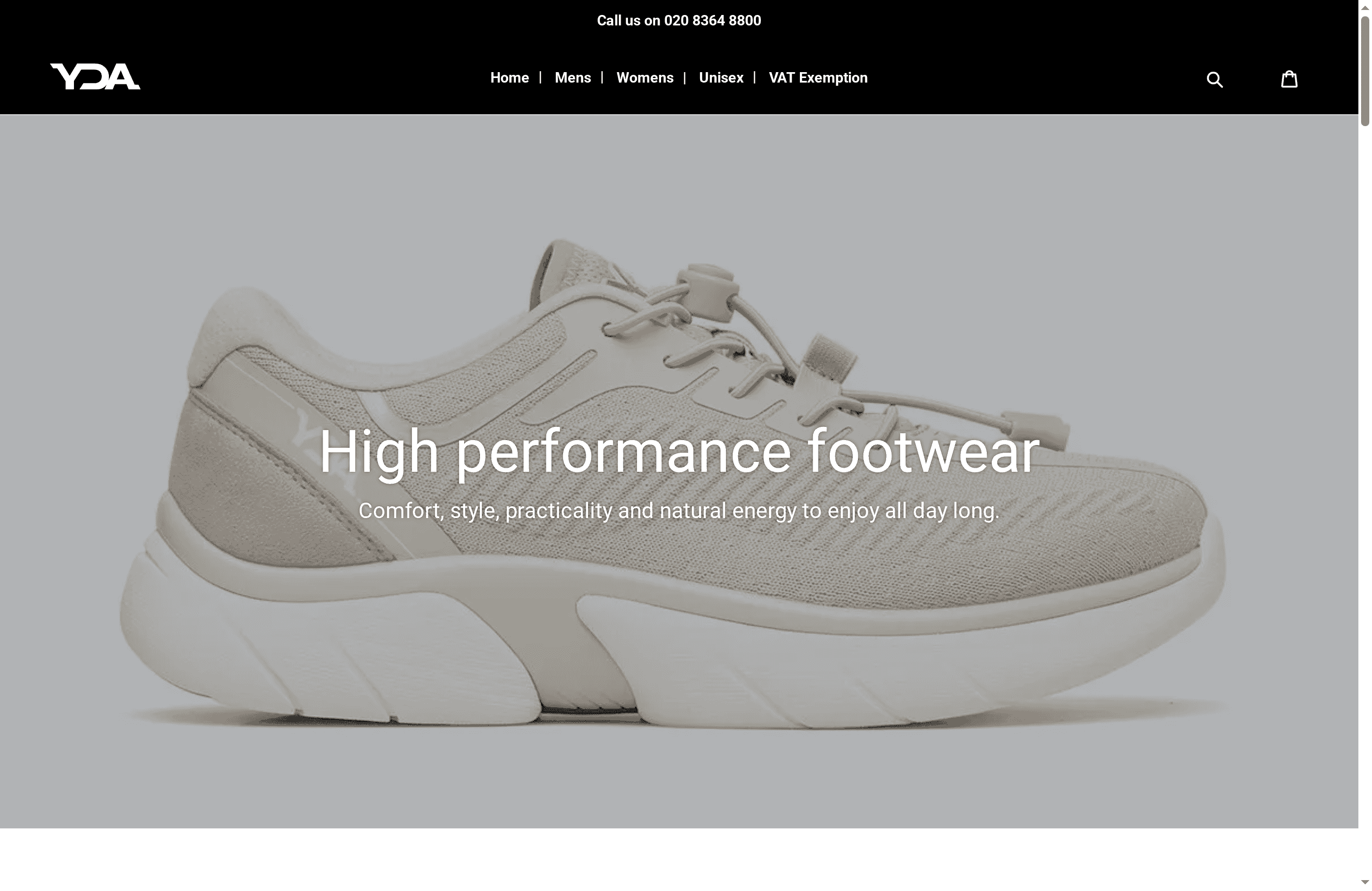
Ydauk designs footwear around the same foot health features this article covers, not as afterthoughts but as starting points. The YDA shoe technology incorporates targeted pressure distribution, orthotic-compatible interiors, and structural support features that meet both everyday comfort and clinical wellness needs. Every element from heel counter design to forefoot flexibility reflects the kind of research-backed thinking that belongs on any serious foot health checklist.
If you have been looking for shoes that work with your orthotics, accommodate a wider toe box, or simply support your feet through a long day on hard floors, Ydauk’s range is built with those priorities in mind. Explore the full range and the technology behind it at ydauk.com.
FAQ
What are the most important features on a foot health checklist?
The most important features include a wide toe box, stiff heel counter, supportive midsole, breathable materials, and orthotic compatibility. For clinical populations, daily skin inspection and sensation testing are equally important.
How does footwear affect hallux valgus progression?
Wearing wide toe-box shoes and avoiding high heels is first-line conservative management for hallux valgus. Pressure-targeted footwear with orthotics slows progression more effectively than generic support.
Why do diabetics need a specific foot health guide?
Diabetics face risks of neuropathy and poor circulation that make standard foot care insufficient. A comprehensive diabetic foot exam must include sensation and vascular testing alongside daily skin inspection to prevent ulceration and serious complications.
Can exercises improve foot health alongside good footwear?
Yes. Activities like tai chi and single-leg balance exercises strengthen the lower limbs and reduce fall risk, complementing the structural support that well-designed footwear provides.
What makes a shoe orthotic-friendly?
An orthotic-friendly shoe has a removable insole, adequate interior depth, and a wide enough base to accommodate an insole without compromising fit. Orthotic-compatible shoes allow custom insoles to function correctly, improving alignment and reducing pressure hotspots.