
Seamless shoes: the real benefits for your feet
Seamless shoes reduce internal friction, lower the risk of blisters and skin breakdown, and conform more closely to the natural shape of your foot — making them a genuinely better choice for anyone with sensitive, diabetic, or orthopaedically complex feet, and a more comfortable option for everyday wear.
The core advantages at a glance:
- Reduced friction and fewer hot spots during prolonged wear
- Lower blister, callus, and corn risk by removing internal rubbing points
- Better fit and pressure distribution across the whole foot
- Protective benefit for diabetic, neuropathic, and sensitive skin
- Lighter construction and less bulk in many designs
- Potential for lower environmental impact through modern knit and bonded manufacturing
Clinical rationale, material details, and a practical buying checklist follow below.
Key takeaways
Seamless shoes reduce preventable foot damage by removing internal friction points — a benefit that is most significant for people with sensitive, diabetic, or neuropathic feet, but relevant for anyone who wears shoes for extended periods.
| Point | Details |
|---|---|
| Core benefit | Seamless interiors remove friction points, reducing blisters, calluses, and skin breakdown. |
| Who benefits most | People with diabetic neuropathy, sensitive skin, or bony foot prominences gain the greatest protection. |
| Key buying check | Confirm “knit upper”, “bonded seams”, or “seamless lining” in product specs — not just “smooth lining”. |
| Safety caveat | Seamless construction does not replace specialist diabetic footwear or custom orthotics for high-risk feet. |
| Ydauk | The YDA Technology range uses bonded and knit construction; details are on the technology page at ydauk.com. |
Table of Contents
- 1. Seamless shoes cut friction and prevent blisters
- 2. Pressure distributes more evenly across your foot
- 3. Fit and conformity to foot shape improve noticeably
- 4. Long-standing and walking fatigue reduces significantly
- 5. Seamless shoes protect sensitive and diabetic feet
- 6. How seamless shoes are constructed
- 7. Who benefits most from seamless footwear?
- 8. How to choose and fit seamless shoes
- 9. Expert perspective on seamless footwear
- Why Ydauk prioritises seam-free construction
- Ydauk’s seamless footwear range
- Sources
1. Seamless shoes cut friction and prevent blisters
The most immediate benefit of seamless footwear is mechanical: remove the internal stitching and ridges, and you remove the focal points where friction concentrates. Traditional shoes carry raised seam lines inside the upper and lining, and every step drags skin across those ridges. Over a long day, that repetitive micro-contact produces heat, shear, and eventually a blister.
Seamless construction eliminates these rubbing points, preventing the irritations — blisters, calluses, corns — that seam-related contact causes. For anyone who spends hours on their feet at work, or who walks significant distances, that single change can make the difference between arriving home comfortable and arriving home with raw skin.
Pro Tip: Wear the socks you intend to use daily when you first try seamless shoes. A thin performance sock eliminates almost all residual friction; a thick cotton sock can create its own bunching and partially undo the benefit.
2. Pressure distributes more evenly across your foot
A continuous interior surface does more than reduce friction. It spreads load across a larger contact area rather than concentrating it at stitch points. Seamless interiors act as a protective buffer that absorbs shear forces and reduces the risk of skin breakage — a mechanism that matters most when feet swell during the day or when tissue tolerance is already reduced.
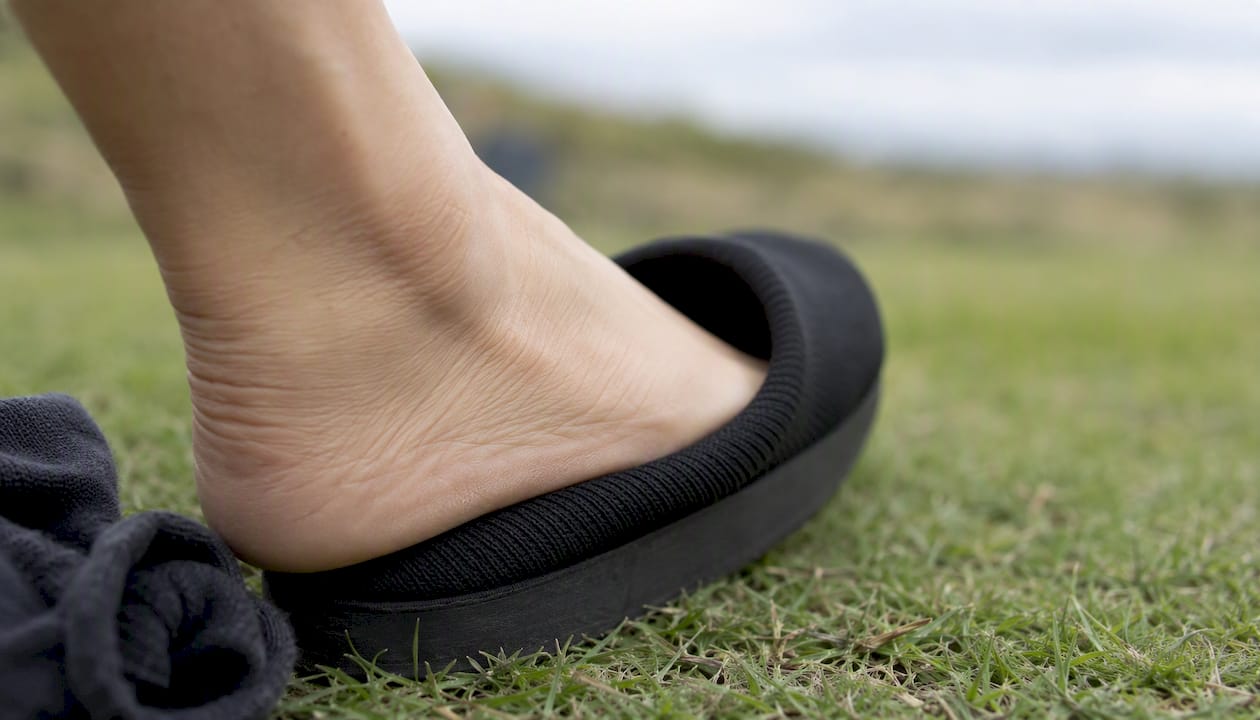
For people with bunions, hammertoes, or prominent metatarsal heads, this even distribution is not a luxury. A seam sitting directly over a bony prominence can cause localised pain within minutes; a smooth lining simply does not.
3. Fit and conformity to foot shape improve noticeably
Knit uppers and bonded linings flex with the foot rather than against it. Where a traditionally constructed shoe holds a fixed shape that your foot must adapt to, a well-made seamless upper adapts to the contours of your foot. The result is a more natural gait, less lateral slippage, and a fit that feels consistent from the first wear rather than requiring weeks of breaking in.
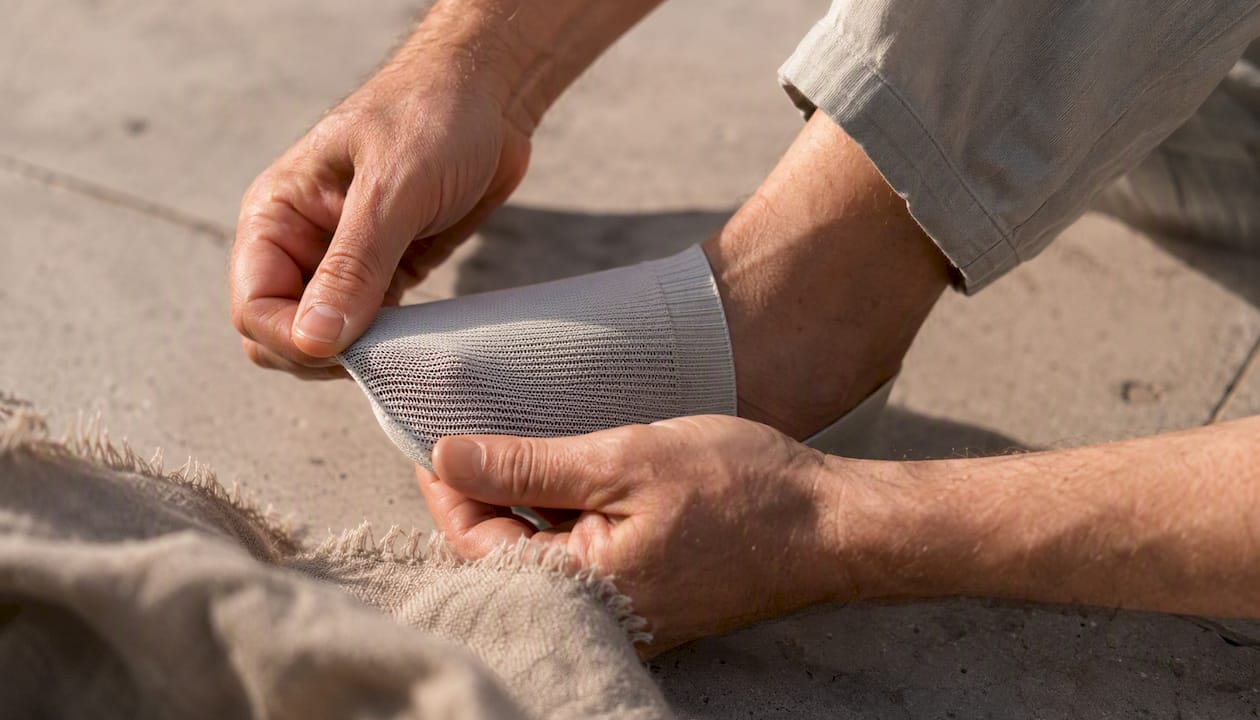
This conformity also matters for people with non-standard foot shapes — wide forefeet, high insteps, or asymmetrical toes. A rigid seamed upper creates pressure points at every deviation from the last’s shape; a knit or bonded upper accommodates those deviations without complaint.
4. Long-standing and walking fatigue reduces significantly
Foot fatigue during a long shift or a full day of walking is partly muscular, but a significant portion comes from the cumulative micro-stress of friction and pressure irregularities. Seamless interiors reduce friction and create an irritation-free environment, which translates directly into lower fatigue over time. Nurses, retail workers, teachers, and anyone else who stands for six or more hours will notice this.
The effect compounds when the shoe also has adequate cushioning and arch support — seamless construction alone does not replace those structural elements, but it removes a source of fatigue that cushioning cannot address.
5. Seamless shoes protect sensitive and diabetic feet
This is where the clinical case becomes most compelling. People with diabetic neuropathy lose the ability to feel the early warning signals of poor fit: heat, pressure, and the beginning of a blister. By the time damage is visible, it may already be deep. Seamless interiors remove the internal hazards that cause that damage in the first place, acting as a preventive safety measure rather than a reactive one.
Seamless and non-binding construction preserves vascular health by preventing constrictive compression at the collar, while the smooth interior absorbs shear forces and reduces the risk of skin breakage — a combination that is particularly protective for feet with reduced tissue tolerance.
Podiatry guidance consistently highlights footwear inspection as a core part of diabetic foot care. A shoe with a smooth, seam-free lining passes that inspection far more reliably than one with internal stitching. For a full overview of what makes a shoe appropriate for diabetic feet, the diabetic footwear selection guide from Ydauk covers the key criteria in detail.
Pro Tip: When assessing footwear for a person with sensory impairment, run your hand firmly around the entire interior — toe box, sides, heel cup, and collar. Any ridge you can feel with your fingertip is a ridge that will act on skin that cannot report the damage.
6. How seamless shoes are constructed
Understanding the construction helps you read product pages critically and avoid shoes that claim to be seamless but are not.
- Whole-piece knit uppers: a single continuous piece of engineered knit fabric forms the upper with no cut-and-sew joins. The knit pattern itself can vary density across zones — tighter for support, looser for breathability.
- Bonded and welded overlays: reinforcement panels are heat-bonded or ultrasonically welded rather than stitched, leaving no raised seam on the interior surface.
- Laminated membranes: Gore-Tex Invisible Fit bonds a waterproof membrane directly to the lining, reducing bulk and pressure points while maintaining breathability and waterproofing — a direct lamination approach that avoids the thick seam tape used in traditional waterproof construction.
- Injection-moulded shells: used primarily in waterproof boots, injection-moulded seamless construction eliminates seam-related leak points and reduces overall weight compared with vulcanised alternatives.
- Modern high-performance fibres: brands such as norda™ have used biobased Dyneema® in seamless trail shoes. According to Royal DSM, biobased Dyneema can offer a carbon footprint approximately ninety percent lower than generic HMPE while retaining comparable strength — a meaningful environmental argument for knit-based seamless construction.
One genuine tradeoff: some bonded linings and laminated membranes reduce airflow compared with open-mesh knits. If breathability is a priority, check that the upper material is explicitly described as moisture-wicking or ventilated, and pair the shoe with a performance sock that manages moisture actively.
For a deeper look at how these construction choices affect foot health outcomes, Ydauk’s guide to evaluating shoe technology is worth reading alongside product specs.
7. Who benefits most from seamless footwear?
Primary beneficiaries:
- People with diabetic neuropathy or peripheral vascular disease, where skin integrity and circulation are at risk
- Anyone with sensitive skin, eczema, or a history of contact dermatitis from shoe linings
- Frequent walkers and standing professionals (healthcare workers, hospitality staff, teachers)
- People prone to blisters, corns, or calluses during normal daily wear
- Those with non-standard foot shapes — wide, high-instep, or with prominent bony features
Secondary beneficiaries:
- Travellers wanting a lightweight, low-bulk shoe that packs well and performs across varied terrain
- Runners seeking a close-fitting upper with minimal internal interference
- People prioritising lower-impact manufacturing choices
When seamless construction alone is not enough:
Seamless interiors reduce surface hazards but do not provide the structural depth protection that specialist diabetic footwear offers. If you have active foot ulcers, Charcot foot, or significant deformity, a smooth lining is a starting point — not a substitute for custom orthotics or clinician-prescribed footwear. The types of diabetic footwear guide outlines when to step up to specialist options.
Pro Tip: Barefoot and minimal shoes share some overlap with seamless designs but are a distinct category. If you have neuropathy, reduced plantar fat pad, or any history of foot ulceration, consult a podiatrist before moving to minimal footwear — the reduced cushioning can increase ground-reaction forces in ways a seamless lining cannot compensate for.
8. How to choose and fit seamless shoes
The most important checks are fit in the toe box, heel hold, material breathability, and confirmation that the construction is genuinely seamless rather than just marketed as such.
- Read the construction notes carefully. Look for explicit terms: “knit upper”, “bonded seams”, “seamless lining”, or “welded overlays”. “Smooth lining” is not the same thing — it may still have stitched seams covered by a thin fabric layer.
- Examine close-up product photos. A knit upper has a visible textile weave pattern; a bonded construction shows clean, flat joins. If the photos only show the exterior, check for a video or 360-degree view.
- Try shoes in the afternoon. Feet swell by up to half a size during the day. A shoe that fits well at 9 AM may feel tight by 3 PM.
- Wear your intended socks. Compression socks, orthopaedic insoles, and thick diabetic socks all affect fit. Bring them to the fitting.
- Walk for at least five minutes before deciding. Shear and slip at the heel only become apparent in motion, not standing still.
- Check the return policy. Even a genuinely seamless shoe may not suit your specific foot shape. A 30-day return window lets you test it properly at home.
- Ask staff to confirm the interior construction. A good retailer can tell you whether the lining is bonded or stitched; if they cannot, that is itself useful information.
Pro Tip: To check for hidden seams quickly in store, remove the insole and run your thumb firmly around the interior perimeter. Bonded and knit constructions feel uniformly smooth; stitched seams covered by a thin lining create a faint ridge you can feel even when you cannot see it.
9. Expert perspective on seamless footwear
Seamless interiors represent one of the most clinically defensible construction choices in everyday footwear — not because they replace specialist care, but because they remove a category of preventable harm.
For people with fragile or insensate skin, every internal seam is a potential wound site. A smooth, seam-free lining does not add therapeutic function — it removes a hazard. That distinction matters clinically because it means seamless construction benefits patients even when they are wearing the shoe correctly and the fit is otherwise good.
Ydauk’s approach to this is reflected in its YDA Technology framework, which prioritises construction choices that support foot health rather than simply meeting aesthetic standards.
- Ydauk selects models where seamless or bonded interior construction is a defined design criterion, not an incidental feature — relevant for consumers who need to verify construction before purchase rather than infer it from marketing language.
Why Ydauk prioritises seam-free construction
The case for seamless interiors is straightforward: most foot irritation from footwear is preventable, and internal seams are among the most common causes. Ydauk focuses on shoes where construction choices — knit uppers, bonded linings, non-binding collars — are deliberate responses to that problem rather than styling decisions. That focus shapes which models appear on the site and how they are described.
Ydauk’s seamless footwear range
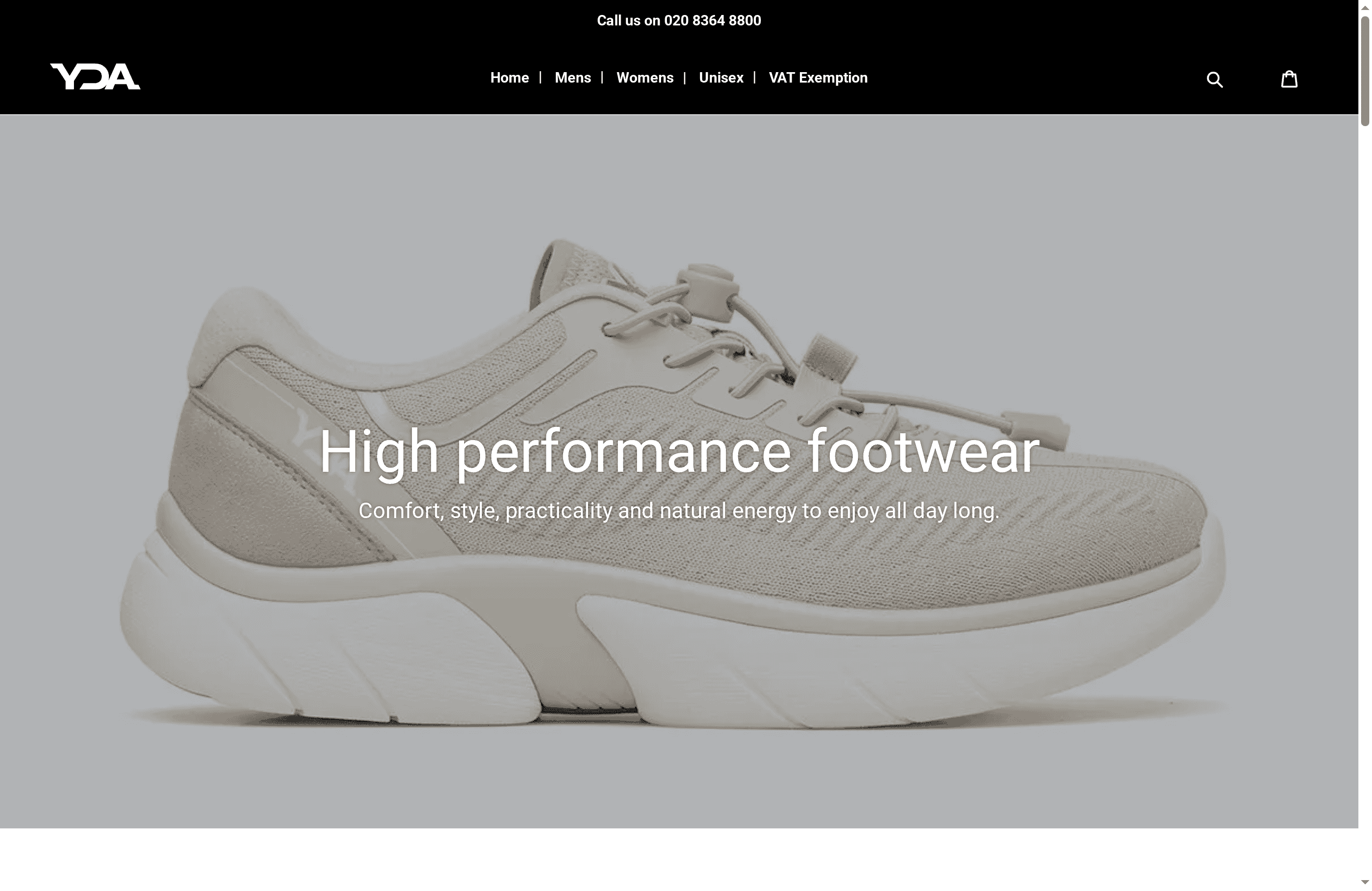
Ydauk carries selected models built around the same seamless and bonded construction principles covered in this article. The YDA Technology page explains the specific construction choices behind each design — knit uppers, bonded seams, non-binding collars — so you can verify what you are buying before it arrives.
If you have diabetic, neuropathic, or orthopaedically sensitive feet, the diabetic footwear guide on the Ydauk blog sets out which construction features matter most for your situation. For general browsing, the main site at Ydauk lists current availability.
This overview is for general information only. For medical footwear needs — including diabetic foot care, neuropathy, or active foot conditions — please consult a podiatrist or qualified clinician before making a footwear decision.
Sources
- Seamless shoe features: Dyneema fiber — Specialty Fabrics Review
- The Benefits of Seamless Interiors in Orthopedic Shoes
- 5 Surprising Benefits of Wearing Indoor Shoes — Bioped
- What Is Gore-Tex Invisible Fit in Footwear? - Knowing Fabric
- Seamless Construction — BogsFootwear
- What role does seamless and non-binding construction play in the protective performance of specialized footwear? - 3515