
What is seamless footwear design: comfort and innovation
Many footwear enthusiasts believe that traditional stitched seams provide superior durability, yet seamless construction withstands over 2 million flex cycles without failure. This counterintuitive reality reveals how seamless footwear design eliminates common weak points whilst creating lighter, more comfortable shoes that support natural foot movement. This guide explores the technology behind seamless construction, its substantial health and comfort benefits, practical comparisons with traditional methods, and emerging innovations shaping the future of footwear.
Table of Contents
- Key takeaways
- What is seamless footwear design and how does it work?
- Advantages of seamless footwear design for comfort and health
- Comparing seamless footwear with traditional construction methods
- Future directions and innovation in seamless footwear design
- Discover YDA UK shoes designed with seamless technology
- Frequently asked questions
Key Takeaways
| Point | Details |
|---|---|
| No stitched seams | Seamless construction eliminates stitched seams to remove common weak points and boost comfort. |
| Injection moulding and knitting | Uppers and shells are formed in a single piece using injection moulding and engineered knitting, reducing joints and potential failure points. |
| Weight and comfort gains | The approach delivers lighter footwear, fewer pressure points and smoother natural foot movement. |
| Future digital design | Future trends point to digital design integration for faster innovation and personalised fits. |
What is seamless footwear design and how does it work?
Seamless footwear represents a construction approach that eliminates traditional stitched seams by using continuous materials to form unified shoe structures. Rather than cutting fabric pieces and sewing them together, seamless footwear uses injection moulding and engineered knitting to create uppers and shells in single, integrated pieces. This fundamental shift in manufacturing removes potential failure points whilst enhancing flexibility and comfort.
The mechanics behind seamless construction involve two primary technologies. Injection moulding applies molten material into precisely designed moulds, creating complete shoe shells without joints or seams. Engineered knitting employs sophisticated circular knitting machines that produce three-dimensional tubular uppers with variable stitch density across different zones. These machines follow digital patterns that specify exactly where the upper needs ventilation, compression, or flexibility.
Material selection plays a crucial role in seamless footwear performance. Manufacturers typically use nylon and spandex blends that provide stretch, support, and breathability. These synthetic fibres maintain their structure through thousands of wear cycles whilst conforming to individual foot shapes. The elasticity allows the footwear to move naturally with your foot rather than restricting motion.
The production process begins with computer-aided design (CAD) software that maps every zone of the shoe upper. Knitting process includes CAD design, yarn selection, and circular knitting machines forming 3D tubular structures with variable stitch density. Engineers programme the knitting machines to adjust tension, stitch patterns, and yarn thickness throughout the upper, creating reinforcement where needed and ventilation where beneficial. After knitting, minimal finishing touches like heat setting and quality inspection complete the manufacturing.
Key construction elements include:
- Digital pattern design specifying compression zones and ventilation areas
- Circular knitting machines creating tubular structures in continuous processes
- Variable stitch density providing targeted support and flexibility
- Minimal post-production finishing reducing manufacturing steps
- Integration of multiple functional zones within single knitted pieces
Pro Tip: Look for seamless footwear that specifies engineered zones for your specific needs, such as arch support zones or toe box ventilation, as proper material choice and knitting patterns optimise performance for different activities and foot types. Understanding footwear technology trends 2025 helps you identify advanced seamless designs.
Advantages of seamless footwear design for comfort and health
The elimination of stitched seams delivers measurable benefits that extend beyond aesthetics to genuine health improvements. Weight reduction stands as one of the most immediately noticeable advantages. Seamless design is up to 30% lighter than comparable traditional footwear, reducing the energy required for each step and minimising leg fatigue during extended wear. This weight saving accumulates significantly over thousands of daily steps.
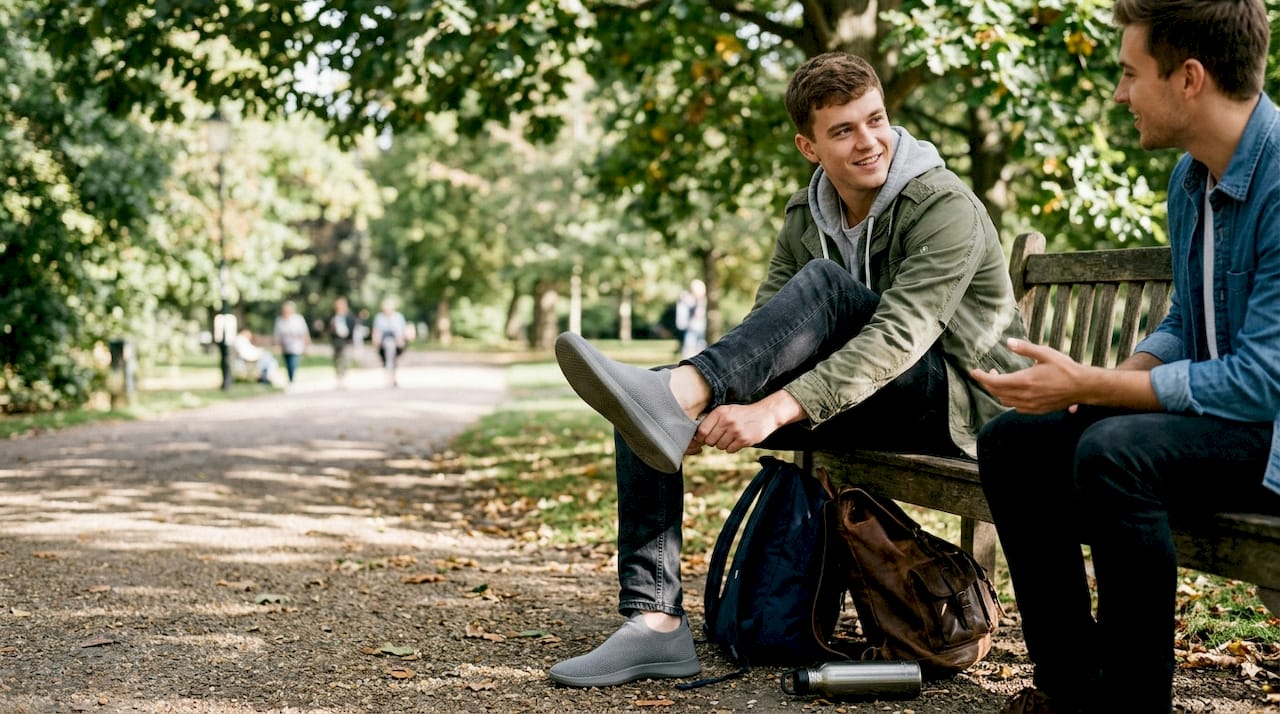
Comfort improvements stem directly from the absence of stitch lines that create pressure points and friction zones. Traditional seams often rub against skin during movement, causing irritation that can develop into painful blisters. Seamless construction eliminates these contact points entirely, allowing smooth material surfaces to glide naturally with foot motion. This benefit proves particularly valuable during athletic activities or long walking periods.
Durability testing reveals surprising strength in seamless construction. Laboratory assessments demonstrate that seamless designs withstand over 2 million flexes in freezing conditions without structural failure. Traditional stitched seams often represent the first failure point in footwear, with thread degradation or seam separation occurring well before the upper material itself deteriorates. Seamless construction removes this vulnerability entirely.
Flexibility and fit characteristics improve substantially with seamless designs. The continuous knitted structure stretches and contracts with natural foot movement rather than restricting motion at seam lines. This enhanced flexibility allows your foot to function more naturally, supporting proper biomechanics and reducing strain on joints and connective tissues. The result feels less like wearing a rigid container and more like a supportive second skin.
“Seamless footwear construction withstands over 2 million flex cycles in extreme conditions whilst reducing weight by up to 30%, creating demonstrably more durable and comfortable footwear that supports natural foot biomechanics.”
Health implications extend particularly to individuals with sensitive feet or medical conditions. Health benefits include reduced friction and blisters, better fit allowing natural foot movement, making seamless footwear ideal for diabetic conditions where skin integrity is paramount. People with diabetes face heightened risks from foot injuries, making the elimination of pressure points and friction zones medically significant rather than merely convenient.
Key health and comfort advantages include:
- Reduced friction zones eliminating common blister formation areas
- Enhanced breathability through engineered ventilation zones
- Improved blood circulation due to elimination of constricting seam lines
- Better accommodation of foot swelling throughout the day
- Decreased pressure points benefiting sensitive or neuropathic feet
The benefits of foot health shoes become more pronounced when combined with seamless construction, as the technology addresses multiple comfort factors simultaneously. For individuals prioritising wellness, understanding comfort footwear for healthy living reveals how seamless design contributes to overall foot health maintenance.
Comparing seamless footwear with traditional construction methods
Understanding when seamless construction excels versus when traditional methods prove superior helps you make informed footwear choices. Each construction approach offers distinct advantages depending on your intended use, environmental conditions, and personal priorities. The comparison reveals nuanced trade-offs rather than a universally superior option.
| Construction Method | Weight | Durability | Repairability | Best Use Cases |
|---|---|---|---|---|
| Seamless knitted | Lightest | Excellent flex resistance | Limited | Everyday wear, athletics, sensitive feet |
| Vulcanised | Heavy | Very rugged | Moderate | Extreme conditions, industrial use |
| Hand-stitched | Moderate | Excellent with maintenance | High | Dress shoes, repairable footwear |
| Injection moulded | Light to moderate | Excellent | None | Waterproof applications, unified shells |
Vulcanised seams are heavier and more vulnerable to seam failure but provide superior ruggedness and repairability compared to seamless designs. Traditional vulcanised construction bonds rubber soles to uppers through heat and pressure, creating extremely strong attachments that withstand harsh industrial environments. However, this process adds substantial weight and creates potential failure points at seam junctions.
Breathability considerations vary between construction methods. Knitted uppers may be warmer and less breathable in some conditions compared to traditional mesh constructions with ventilation panels. The continuous knitted structure, whilst eliminating seams, can trap heat more readily than designs incorporating distinct mesh zones. However, advanced seamless designs now engineer ventilation directly into the knitting pattern, addressing this limitation.
Repair and longevity present different value propositions. Traditional hand-stitched footwear allows for resoling and seam repair, potentially extending lifespan through professional cobbler services. Seamless construction typically cannot be repaired once the knitted upper fails, requiring complete replacement. For individuals valuing long-term repairability and classic aesthetics, traditional construction may justify the additional weight and cost.
Use case scenarios clarify optimal construction choices:
- Seamless excels for daily walking, running, and activities requiring flexibility and light weight
- Vulcanised construction suits rugged outdoor work, industrial environments, and extreme durability needs
- Hand-stitched methods serve formal occasions, professional settings, and repairable investment pieces
- Injection moulded seamless works best for waterproof requirements and unified shell designs
Pro Tip: Consider your primary footwear use case when choosing construction methods, as seamless designs optimise comfort and weight for everyday wear whilst traditional seams may better serve specialised rugged applications or repairable dress footwear. The advantages of stylish comfort shoes often align with seamless construction benefits for daily wear scenarios.
Future directions and innovation in seamless footwear design
Emerging technologies are transforming seamless footwear from a manufacturing technique into a platform for personalisation and sustainability. Digital design integration now enables manufacturers to create bespoke seamless construction patterns tailored to individual foot scans and gait analysis. Computational design algorithms optimise knitting patterns for specific performance goals, whether maximising energy return for runners or enhancing stability for individuals with balance concerns.
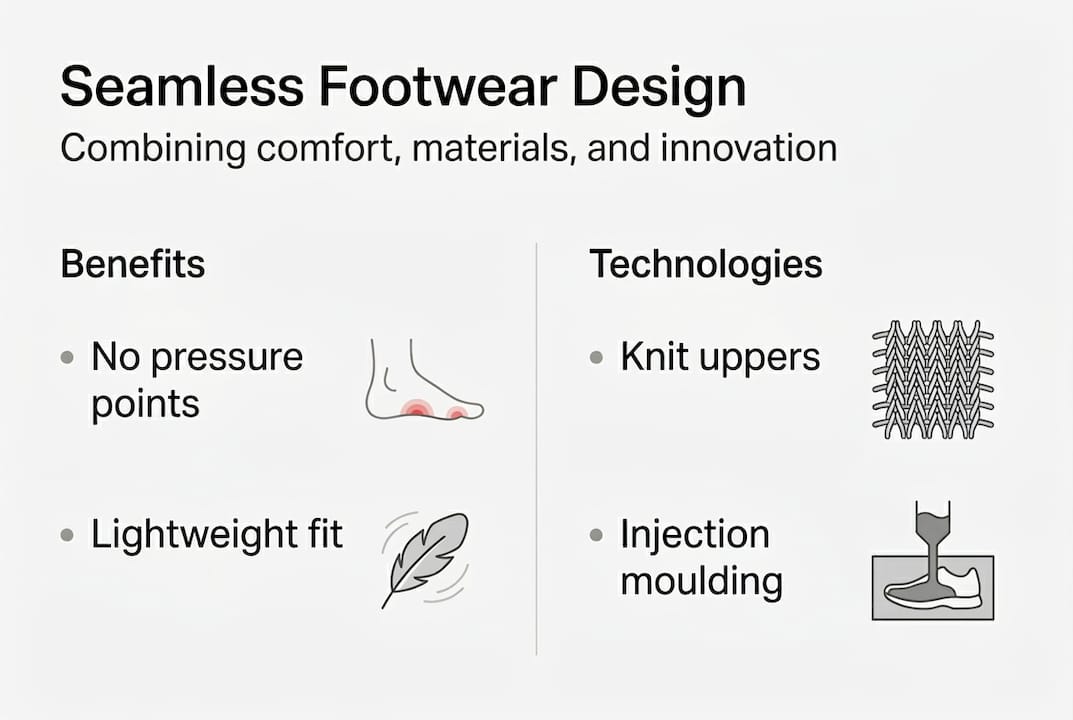
Sustainability improvements represent a significant advantage of seamless knitting technology. Seamless knitting reduces material waste to minimal levels compared to 20% waste with cut and sew methods, achieving 95% production success rates. Traditional cut and sew manufacturing generates substantial fabric waste from pattern cutting, whilst seamless knitting produces only the exact material needed for the final product. This efficiency reduces both material costs and environmental impact.
| Innovation Area | Current Capability | Future Potential |
|---|---|---|
| Digital customisation | Scan-based sizing | Real-time gait optimisation |
| Material science | Nylon/spandex blends | Biodegradable performance fibres |
| Performance enhancement | 2-4% running economy improvement | Adaptive compression zones |
| Production efficiency | 95% success rate | Zero-waste manufacturing |
| Smart integration | Basic sensors | Continuous health monitoring |
Performance enhancements through engineered seamless uppers deliver measurable athletic benefits. Advanced footwear technology improves running economy by 2-4%, reducing oxygen cost through optimised seamless and engineered uppers that enhance energy return and reduce unnecessary foot motion. This improvement, whilst seemingly modest, translates to significant performance gains over marathon distances or extended training periods.
Smart textile integration represents the next frontier for seamless footwear. Manufacturers are developing conductive yarns that can be knitted directly into seamless uppers, enabling embedded sensors for gait analysis, pressure mapping, and activity tracking. These smart seamless shoes could provide real-time feedback on foot health, alert wearers to developing pressure points, and adjust compression zones dynamically based on activity levels.
Future availability and accessibility will expand as manufacturing technology becomes more widespread. Current seamless footwear options remain somewhat limited compared to traditional construction, but investment in knitting technology and digital design tools is accelerating production capacity. Expect broader style ranges, more competitive pricing, and increased mainstream adoption over the coming years.
Key innovation trajectories include:
- Personalised fit algorithms creating custom seamless patterns from foot scans
- Biodegradable performance materials reducing environmental footprint
- Embedded health monitoring through conductive yarns and sensors
- On-demand manufacturing reducing inventory waste
- Adaptive compression zones responding to activity and swelling
Pro Tip: Look for brands leveraging digital design technology and sustainable materials in their seamless footwear lines, as these innovations deliver both personalised fit benefits and reduced environmental impact compared to traditional manufacturing. Staying informed about key footwear innovations 2025 helps you identify cutting-edge seamless designs, whilst understanding eco-friendly footwear benefits reveals how seamless construction contributes to sustainability goals.
Discover YDA UK shoes designed with seamless technology
YDA UK offers footwear that incorporates advanced seamless construction principles alongside specialised foot health technologies. Their product range focuses on combining comfort, style, and biomechanical support for everyday wear, addressing the needs of individuals with sensitive feet or those seeking enhanced foot health through innovative design.
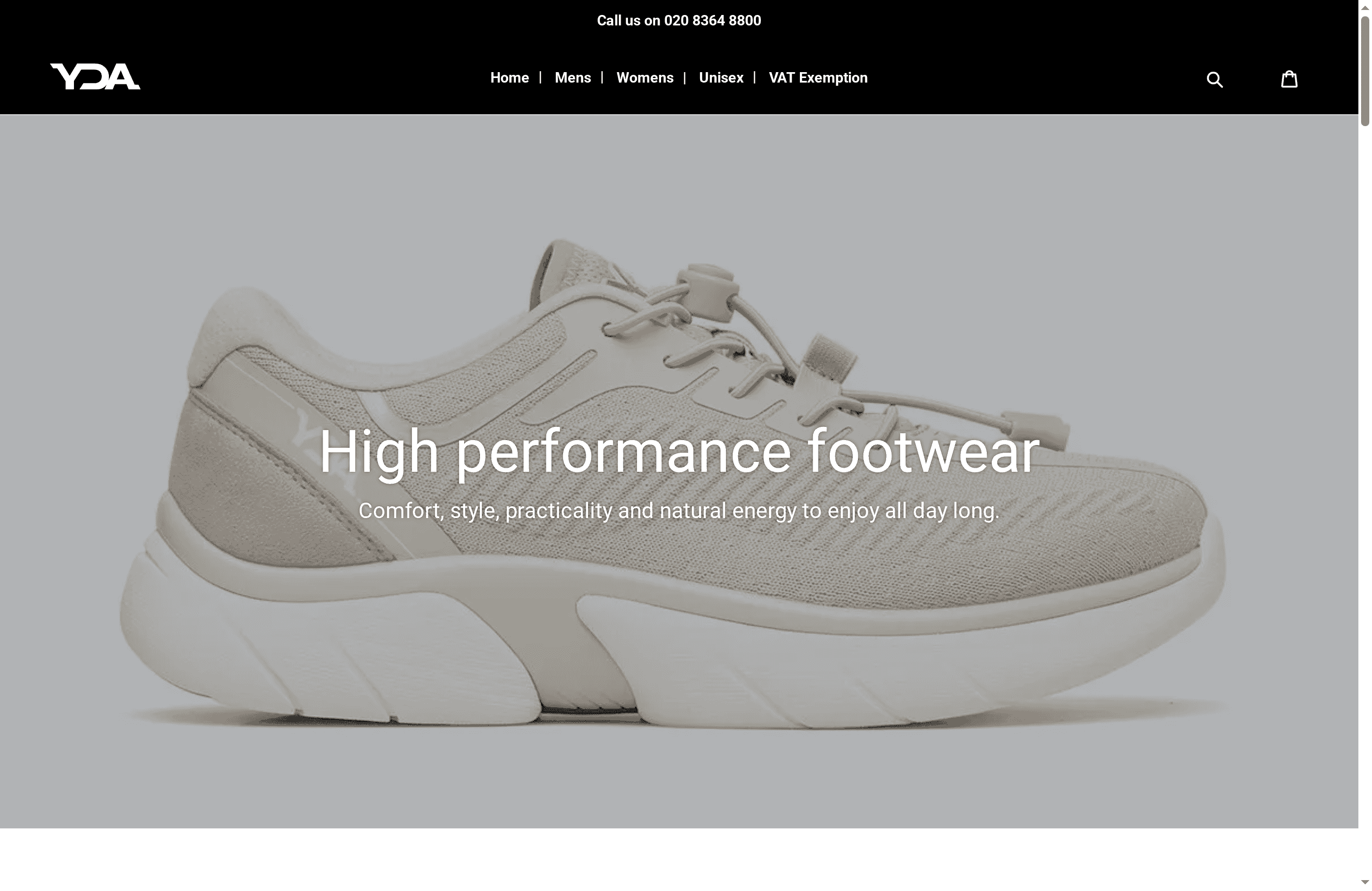
The seamless technology integrated into YDA UK footwear eliminates traditional pressure points whilst providing targeted support zones that adapt to natural foot movement. This approach aligns with the comfort and health benefits discussed throughout this guide, offering practical solutions for individuals prioritising foot wellness. Explore their selection of shoes for problem feet designed with these advanced construction methods.
For detailed information about the specific innovations incorporated into their footwear, including how seamless elements combine with other health-oriented features, visit the technology of yda shoes page to understand how these design principles translate into everyday comfort and support.
Frequently asked questions
What is seamless footwear design?
Seamless footwear design eliminates traditional stitched seams by using construction methods like injection moulding or engineered knitting to create unified shoe structures. This approach produces uppers and shells from continuous materials rather than cutting and sewing separate pieces together. The result is footwear with fewer potential failure points and enhanced comfort through elimination of seam-related pressure and friction.
What are the main benefits of seamless footwear?
Seamless construction delivers lighter weight (up to 30% reduction), reduced chafing and blister formation, improved flexibility and fit, and enhanced durability through elimination of seam failure points. These benefits prove particularly valuable for sensitive feet, diabetic conditions, athletes, and anyone prioritising natural foot movement and all-day comfort. The absence of stitched seams also improves breathability when engineered ventilation zones are incorporated into the design.
How does seamless footwear compare with traditional shoes?
Seamless shoes excel in weight reduction, comfort, and flexibility for everyday wear and athletic activities, whilst traditional construction methods like vulcanised or hand-stitched shoes offer superior ruggedness and repairability for extreme conditions. Seamless designs withstand over 2 million flex cycles but cannot typically be repaired once damaged, whereas traditional shoes may be resoled and restitched. Your optimal choice depends on intended use, with seamless favouring daily comfort and traditional methods serving specialised durability needs.
Is seamless footwear suitable for all foot types?
Seamless footwear benefits many foot types, particularly sensitive or diabetic feet that require reduced pressure points and friction zones. The flexible, continuous construction accommodates natural foot shape variations and daily swelling better than rigid seamed designs. However, individual fit remains crucial, as foot anatomy varies significantly between people. Always trial seamless footwear with your specific foot shape and intended activities to ensure proper support and comfort before committing to regular wear.