
Benefits of breathable shoes for foot health in 2026
Most people assume all comfortable shoes serve the same purpose, yet breathable footwear provides distinct advantages that standard designs cannot match. From reducing infection risks to managing chronic conditions like diabetes, breathable shoes offer measurable health benefits backed by scientific research. This guide explores how breathable footwear regulates temperature and moisture, protects against common foot ailments, and supports long-term foot health through intelligent material selection and design.
Table of Contents
- How Breathable Shoes Regulate Heat And Moisture
- Health Benefits Of Breathable Shoes For Foot Comfort And Disease Prevention
- Materials And Design Features That Make Shoes Breathable And Effective
- How To Choose Breathable Shoes For Your Foot Health And Lifestyle
- Explore Breathable And Health-Focused Shoes At Yda Uk
Key takeaways
| Point | Details |
|---|---|
| Temperature regulation | Breathable shoes manage heat and moisture effectively, enhancing comfort during daily activities. |
| Infection prevention | Lower moisture levels reduce risks of blisters, fungal infections, and diabetic foot ulcers. |
| Material selection | Engineered mesh, moisture-wicking linings, and ventilation panels optimise airflow and durability. |
| Health considerations | Those with diabetes or sensitive feet require shoes that balance breathability with proper support. |
| Smart purchasing | Evaluate activity level, foot condition, and design features before selecting breathable footwear. |
How breathable shoes regulate heat and moisture
Your feet contain approximately 250,000 sweat glands, producing up to half a pint of moisture daily. Breathable footwear effectively regulates heat and moisture within the shoe environment, creating conditions that enhance comfort and performance throughout extended wear.
Modern breathable shoes allow air circulation through specific materials and ventilation technologies. Engineered mesh panels create pathways for fresh air to enter whilst pushing warm, humid air outward. This continuous exchange prevents the greenhouse effect common in sealed footwear.
Key mechanisms include:
- Moisture-wicking fabrics that pull perspiration away from skin
- Perforated uppers allowing multi-directional airflow
- Breathable linings preventing condensation buildup
- Strategic ventilation zones targeting high-heat areas
The structural design matters as much as material choice. Advanced breathable footwear explained technologies incorporate spacer fabrics that create air channels between your foot and the outer shoe. These microscopic gaps facilitate constant air movement without compromising structural integrity.
Temperature control directly impacts comfort. When your feet remain cooler and drier, you experience less fatigue, reduced skin irritation, and improved overall wellbeing during daily activities.
The difference becomes noticeable within 30 minutes of wear. Traditional sealed shoes trap heat and moisture, creating ideal conditions for bacterial growth and discomfort. Breathable alternatives maintain a regulated microclimate that adapts to your activity level and environmental conditions.
Health benefits of breathable shoes for foot comfort and disease prevention
Moisture management extends far beyond comfort, serving as your first defence against preventable foot conditions. Breathable shoes reduce foot temperature and humidity, mitigating risks of fungal infections and painful blisters that disrupt daily life.
The connection between breathability and health manifests in several critical areas:
-
Blister prevention: Excess moisture softens skin, increasing friction that creates fluid-filled pockets. Breathable materials maintain optimal moisture levels, reducing blister formation by up to 60% during extended wear.
-
Fungal infection control: Athlete’s foot and toenail fungus thrive in warm, damp environments. By maintaining lower humidity levels, breathable shoes create inhospitable conditions for fungal growth.
-
Odour reduction: Bacteria feeding on trapped sweat produce unpleasant odours. Continuous airflow limits bacterial proliferation, keeping feet fresher throughout the day.
-
Diabetic foot protection: For those managing diabetes, patients who wear breathable shoes experience fewer foot ulcers and infections thanks to lowered moisture and temperature. This proves especially crucial given that diabetic neuropathy reduces sensation, delaying awareness of developing problems.
Pro Tip: Check your feet daily if you have diabetes. Even with diabetic friendly shoes, inspect for redness, swelling, or skin changes that signal potential issues requiring immediate attention.
The preventive value extends to circulation improvement as well. Cooler temperatures promote better blood flow to extremities, whilst reduced swelling from heat retention enhances comfort. Those with compromised circulation benefit particularly from footwear that doesn’t exacerbate thermal stress.
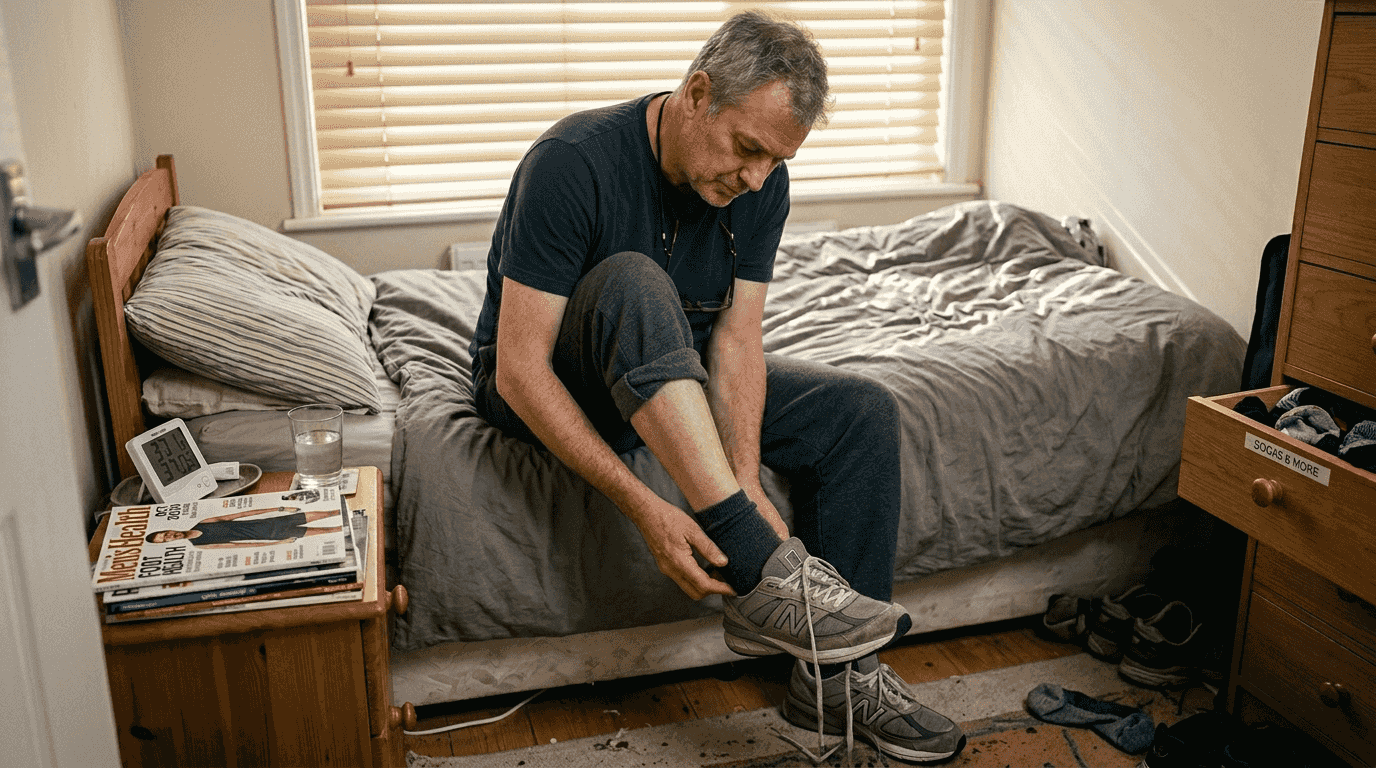
Proper shoe fit for diabetics combines breathability with appropriate depth and width. This pairing prevents pressure points whilst maintaining the temperature regulation essential for vulnerable feet. Research demonstrates that comprehensive foot care, including breathable footwear selection, significantly reduces hospitalisation rates for diabetic complications.
Materials and design features that make shoes breathable and effective
Not all breathable shoes deliver equivalent performance. Material composition and construction techniques determine how effectively footwear manages internal conditions. Understanding these elements helps you distinguish genuinely breathable options from marketing claims.
Common breathable materials comparison:
| Material | Breathability rating | Durability | Best for |
|---|---|---|---|
| Engineered mesh | Excellent | Good | Athletic activities, warm climates |
| 3D spacer fabric | Superior | Excellent | All-day wear, medical conditions |
| Recycled polyester knit | Very good | Very good | Sustainable everyday use |
| Perforated leather | Moderate | Excellent | Formal occasions, style priority |
| Traditional canvas | Good | Fair | Casual wear, budget options |
Textile engineering advancements have made high-performance breathable fabrics more accessible, combining airflow with durability. Modern manufacturing processes create fibres with microscopic pores that permit vapour transmission whilst blocking liquid water entry.
Engineered mesh represents the most popular breathable material. Its open weave structure allows substantial airflow whilst maintaining tensile strength through strategic reinforcement zones. Manufacturers layer different mesh densities, placing tighter weaves in high-stress areas and more open patterns where ventilation matters most.
Key design elements include:
- Ventilation panels positioned along heat zones
- Moisture-wicking sock liners preventing sweat accumulation
- Lightweight EVA or foam midsoles promoting air circulation
- Gusseted tongues preventing debris entry without blocking airflow
Pro Tip: Avoid shoes with fully synthetic uppers lacking visible ventilation. Even if labelled breathable, sealed materials cannot match the performance of engineered mesh or perforated constructions.
Material composition and construction dramatically impact a shoe’s ability to manage internal moisture and temperature. The most sophisticated designs integrate breathable membranes that function like Gore-Tex, allowing vapour escape whilst preventing external moisture ingress.
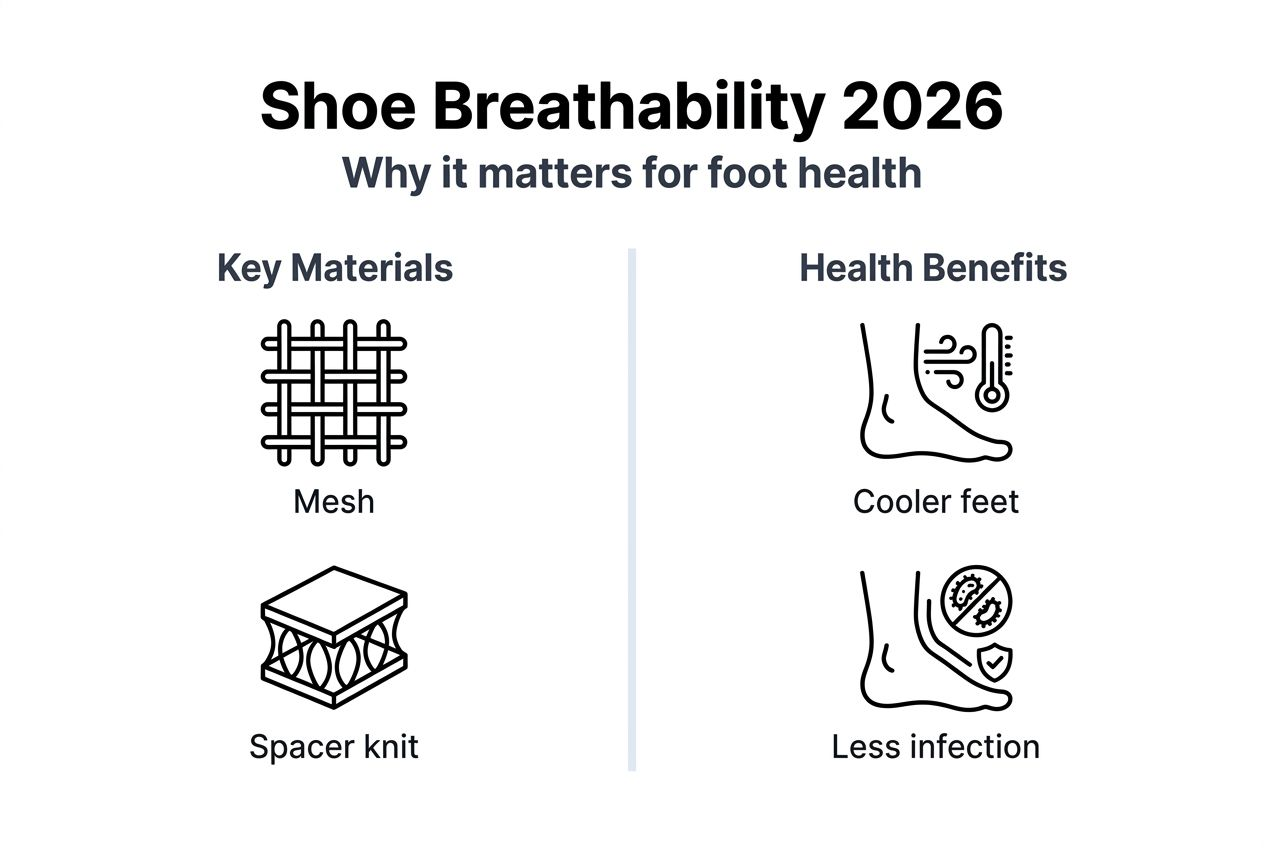
Recycled polyester knits offer an eco-conscious alternative without sacrificing performance. These materials repurpose plastic bottles into breathable fibres, delivering sustainability alongside comfort. Their tight knit structure provides stretch and recovery properties whilst maintaining adequate porosity for air exchange.
When evaluating health-oriented footwear types, examine construction details beyond surface materials. Internal linings, insole fabrics, and even adhesives contribute to overall breathability. Premium models incorporate antimicrobial treatments that complement moisture management, creating comprehensive protection against foot health issues.
How to choose breathable shoes for your foot health and lifestyle
Selecting appropriate breathable footwear requires matching shoe characteristics to your specific needs and activities. Generic recommendations overlook the nuanced requirements that determine long-term comfort and health outcomes.
Follow this systematic approach:
-
Assess your foot condition: Document any existing issues like bunions, hammertoes, or diabetic neuropathy. These conditions necessitate specialised features beyond basic breathability.
-
Identify primary use cases: Athletic activities demand different breathability patterns than office wear. Consider where and how long you’ll wear the shoes.
-
Evaluate climate factors: Hot, humid environments require maximum ventilation, whilst cooler regions might prioritise balanced breathability with insulation.
-
Determine support requirements: Balance breathability with support, cushioning, and fit, especially important for those with foot conditions and high-impact activities.
Essential features to verify:
- Mesh uppers covering at least 60% of the shoe surface
- Moisture-wicking linings with antimicrobial properties
- Removable insoles allowing custom orthotics if needed
- Adequate toe box depth preventing compression
- Proper arch support matching your foot type
Pro Tip: Test breathability by holding the shoe up to light. You should see light filtering through mesh panels, indicating genuine ventilation pathways rather than decorative perforations.
Those managing diabetes require additional considerations. The diabetic footwear guide emphasises seamless interiors preventing friction points alongside breathability. Depth accommodates swelling fluctuations common with circulatory issues, whilst cushioning for foot health protects against pressure ulcers.
Width selection proves equally critical. Shoe width importance increases when combining breathability requirements with proper fit. Narrow shoes compress the foot regardless of upper material, whilst excessively wide options create friction from internal movement.
Consider trying shoes during afternoon hours when feet naturally swell. This timing ensures you select sizing that remains comfortable throughout daily variations. Walk on hard surfaces for at least ten minutes, monitoring for pressure points or rubbing that breathable materials alone cannot resolve.
Explore breathable and health-focused shoes at yda uk
You’ve learnt how breathable footwear protects foot health through intelligent design and material selection. Now discover how these principles translate into real-world solutions at YDA UK.
Our shoes for problem feet combine advanced breathability with therapeutic support for conditions ranging from diabetes to plantar fasciitis. Each model in our health-focused shoe collection undergoes rigorous testing to ensure moisture management meets clinical standards whilst delivering the comfort you deserve.
The yda shoe technology platform integrates engineered mesh uppers with biomechanically optimised soles, creating footwear that adapts to your unique needs. Whether managing a chronic condition or simply seeking superior comfort, you’ll find options designed with your wellbeing as the priority.
FAQ
What are the key materials that make shoes breathable?
Engineered mesh, 3D spacer fabrics, and recycled polyester knits offer the best breathability. These materials feature microscopic pores allowing vapour transmission whilst blocking liquid entry. Look for shoes with mesh covering at least 60% of the upper, complemented by moisture-wicking linings. Learn more about breathable footwear construction principles.
Can breathable shoes prevent foot infections?
Yes, breathable shoes significantly reduce infection risks by controlling moisture and temperature. Lower humidity levels create inhospitable environments for fungal growth, preventing athlete’s foot and toenail fungus. Research shows breathable footwear decreases fungal infection rates by maintaining optimal foot climate throughout daily wear.
Are breathable shoes suitable for diabetic foot conditions?
Breathable shoes prove essential for diabetic foot health. They reduce ulcer formation risks by controlling moisture and temperature, two factors that accelerate skin breakdown in neuropathic feet. Combine breathability with proper depth, seamless interiors, and appropriate shoe fit for diabetics to maximise protection.
How to balance breathability and support in footwear?
Prioritise shoes using engineered mesh with strategic reinforcement zones. These designs maintain ventilation whilst providing stability through targeted support structures. Evaluate arch support, heel counters, and midsole cushioning independently from upper breathability. Quality footwear integrates both elements without compromise.
What should I look for when buying breathable shoes?
Examine mesh coverage, moisture-wicking linings, and removable insoles. Hold shoes to light, verifying visible ventilation pathways. Check for adequate toe box depth and proper width accommodating your foot shape. Test during afternoon hours when feet swell naturally, walking on hard surfaces to identify potential pressure points before purchasing.