
Breathable Footwear: Enhancing Foot Health Daily
Finding footwear that feels good and looks stylish can be challenging when you have sensitive or diabetic feet. Comfort, support, and breathability are not just preferences—they are daily necessities that help protect against discomfort, blisters, and infections. With so many shoe choices and popular myths about what makes footwear truly breathable, it is easy to feel uncertain. This guide breaks down the facts and highlights the importance of breathable shoe design for optimal foot health and everyday style.
Table of Contents
- Defining Breathable Footwear And Common Myths
- Key Materials And How Breathability Works
- Health Benefits For Sensitive And Diabetic Feet
- Real-World Uses And Style Considerations
- Risks And Choosing The Right Breathable Shoe
Key Takeaways
| Point | Details |
|---|---|
| Breathable Footwear Definition | Breathable footwear utilises advanced materials and designs to regulate heat and moisture, enhancing foot comfort and performance. |
| Myths vs. Reality | Common misconceptions include the belief that breathability is solely about visible perforations; it involves complex fabric technologies and specific design features. |
| Health Benefits | Breathable footwear is crucial for individuals with sensitive feet or diabetes, helping prevent complications by managing moisture and friction effectively. |
| Choosing the Right Shoe | Selecting suitable breathable footwear requires assessing material characteristics and ensuring adequate support tailored to individual foot needs. |
Defining Breathable Footwear and Common Myths
Breathable footwear represents a sophisticated approach to foot health that goes far beyond simple shoe design. Footwear breathability fundamentally regulates heat and moisture within shoe environments, creating critical conditions for foot comfort and performance.
Contrary to popular belief, breathable footwear is not just about creating tiny holes in shoe materials. It involves complex fabric technologies and strategic design elements that actively manage temperature, humidity, and air circulation. Modern breathable shoes incorporate specialised materials like moisture-wicking fabrics, micro-perforations, and advanced ventilation channels that allow perspiration to escape while preventing external moisture penetration.
Many individuals mistakenly believe that all athletic or performance shoes automatically provide adequate breathability. However, current footwear research reveals significant variations in breathability across different shoe designs. Factors like material composition, construction techniques, and intended usage dramatically impact a shoe’s ability to manage internal moisture and temperature. Some common myths include assuming leather cannot be breathable or that synthetic materials always provide superior ventilation - both of which oversimplify the complex science of footwear design.
Top Tip: When selecting breathable footwear, prioritise shoes with strategic ventilation panels and moisture-management technologies rather than focusing solely on visible perforations.
Key Materials and How Breathability Works
Breathable footwear relies on sophisticated material engineering to create optimal foot environments. Innovative fabric technologies transform traditional shoe design by incorporating advanced materials that actively manage moisture, temperature, and comfort.
Natural and synthetic materials play crucial roles in breathability. Cotton, hemp, and bamboo offer exceptional moisture absorption properties, while synthetic fibres like polyester and nylon provide durability and quick-drying capabilities. Advanced mesh fabrics create microscopic channels that enable air circulation, allowing heat and perspiration to escape efficiently. These materials are strategically engineered with micro-perforations and lightweight weaves that balance ventilation with structural integrity.

The breathability mechanism involves multiple interconnected processes. Moisture-wicking linings draw sweat away from the skin, antimicrobial treatments prevent bacterial growth, and ventilation panels create dynamic air exchange. Synthetic materials are often treated with specialised coatings that enhance their breathable qualities, ensuring that shoes remain lightweight while providing comprehensive protection against moisture buildup. Different shoe designs incorporate these materials uniquely, with athletic footwear typically featuring more aggressive ventilation strategies compared to formal or casual footwear.
Here’s how popular footwear materials compare in breathability and care:
| Material | Breathability Level | Moisture Management | Care Requirements |
|---|---|---|---|
| Cotton | High | Absorbs moisture | Needs regular washing |
| Mesh (synthetic) | Very high | Quick drying | Occasional wipe clean |
| Leather | Moderate | Retains some sweat | Requires conditioning |
| Bamboo fibre | High | Absorbs, antibacterial | Gentle wash advised |
| Polyester | Moderate | Quick drying | Easy machine washing |
Pro Tip: When assessing breathable footwear, check for multiple material layers and strategically placed ventilation zones rather than focusing solely on surface perforations.
Health Benefits for Sensitive and Diabetic Feet
Breathable footwear plays a critical role in managing foot health for individuals with sensitive feet and diabetes, providing much-needed protection against potential complications. By creating an environment that regulates moisture and temperature, these specialised shoes help prevent serious medical issues that can arise from improper foot care.
The primary health benefits extend beyond simple comfort. Breathable materials actively reduce the risk of fungal infections, skin breakdown, and pressure sores by managing moisture and friction. For diabetic individuals, who often experience reduced skin sensitivity and compromised circulation, these shoes serve as a critical protective barrier. Advanced breathable technologies create microscopic air channels that facilitate continuous ventilation, ensuring that feet remain dry and less susceptible to bacterial and fungal growth.
Clinical evidence consistently demonstrates the importance of proper footwear in preventing diabetic foot complications. Specialised shoes with strategic ventilation zones help maintain optimal skin conditions by reducing humidity, preventing friction-related injuries, and supporting better biomechanical function. These design elements are particularly crucial for those with peripheral neuropathy, who may not feel minor injuries or irritations that could potentially develop into serious wounds.
Below is a summary of healthy footwear features for sensitive and diabetic feet:
| Feature | Benefit for Sensitive Feet | Importance for Diabetes |
|---|---|---|
| Ventilation channels | Reduces overheating | Prevents moisture buildup |
| Seamless interiors | Minimises friction | Reduces risk of wound formation |
| Moisture-wicking lining | Keeps skin dry | Protects against infection |
| Adjustable fit | Supports varied foot shapes | Prevents pressure spots |
Pro Tip: Consult a podiatrist annually to assess your specific foot health needs and ensure your breathable footwear provides the most appropriate protection for your individual condition.
Real-World Uses and Style Considerations
Breathable footwear has transformed modern wardrobes by seamlessly blending health-conscious design with contemporary style expectations. The evolution of shoe technology means individuals no longer need to compromise between comfort and aesthetic appeal, with breathable materials now integrated across professional, casual, and athletic footwear categories.
Modern lifestyle demands versatile footwear solutions that adapt to diverse environments. Minimalist designs incorporate strategic ventilation zones, enabling shoes to transition effortlessly from office settings to weekend activities. The key considerations include lightweight construction, moisture-management technologies, and aesthetic flexibility that complement different clothing styles while maintaining optimal foot health.
Style considerations extend beyond mere appearance, focusing on functional elegance. Breathable shoes now feature sophisticated design elements like perforated leather, mesh panels, and lightweight synthetic materials that create visual interest while providing practical ventilation. Colour palettes and textures have expanded, allowing individuals to express personal style without sacrificing the critical health benefits of proper foot environment management. Professional and casual ranges now offer multiple design options that cater to different aesthetic preferences and functional requirements.
Pro Tip: Select breathable footwear that offers a neutral colour palette, allowing maximum versatility across different social and professional contexts.
Risks and Choosing the Right Breathable Shoe
Selecting appropriate breathable footwear requires careful consideration of multiple factors beyond simple aesthetic appeal. The intricate balance between ventilation, structural support, and individual foot requirements demands a strategic approach to shoe selection that prioritises both comfort and long-term foot health.
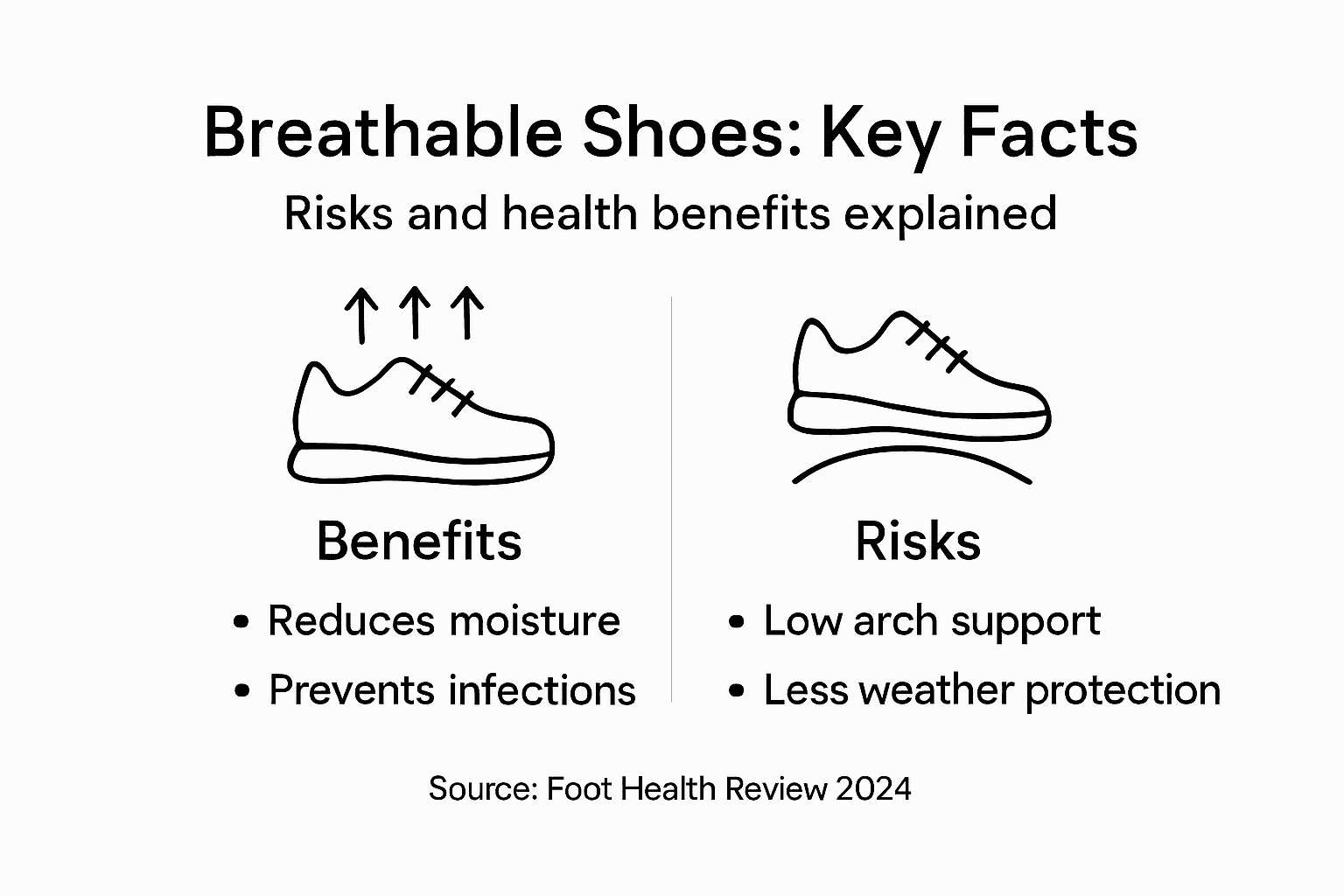
The potential risks of inappropriate breathable footwear include insufficient arch support, inadequate protection from environmental factors, and potential exacerbation of existing foot conditions. Understanding material characteristics and shoe construction becomes crucial in mitigating these risks. Key considerations involve evaluating mesh fabric density, moisture-wicking capabilities, antimicrobial treatments, and overall biomechanical support to ensure the shoe provides comprehensive foot protection while maintaining optimal breathability.
Different activities and foot types necessitate unique breathable shoe characteristics. Athletic footwear requires more aggressive ventilation and shock absorption, while professional and casual shoes demand a more nuanced approach to breathability. Individuals with specific foot conditions such as diabetes, high arches, or pronation issues must pay extra attention to shoe features like seamless internal construction, adjustable fit mechanisms, and strategic ventilation zones that prevent friction and moisture accumulation.
Pro Tip: Always try on breathable shoes later in the day when feet are naturally slightly swollen, and walk around to assess true comfort and fit.
Step Into Breathable Comfort Today
Managing foot health daily demands footwear that truly breathes and supports your unique needs. The article highlights the struggle to find shoes balancing moisture control, ventilation, and structural support especially for sensitive or diabetic feet. If you seek to reduce discomfort from overheating, friction, or moisture buildup without sacrificing style then exploring specialised shoes can transform your experience.
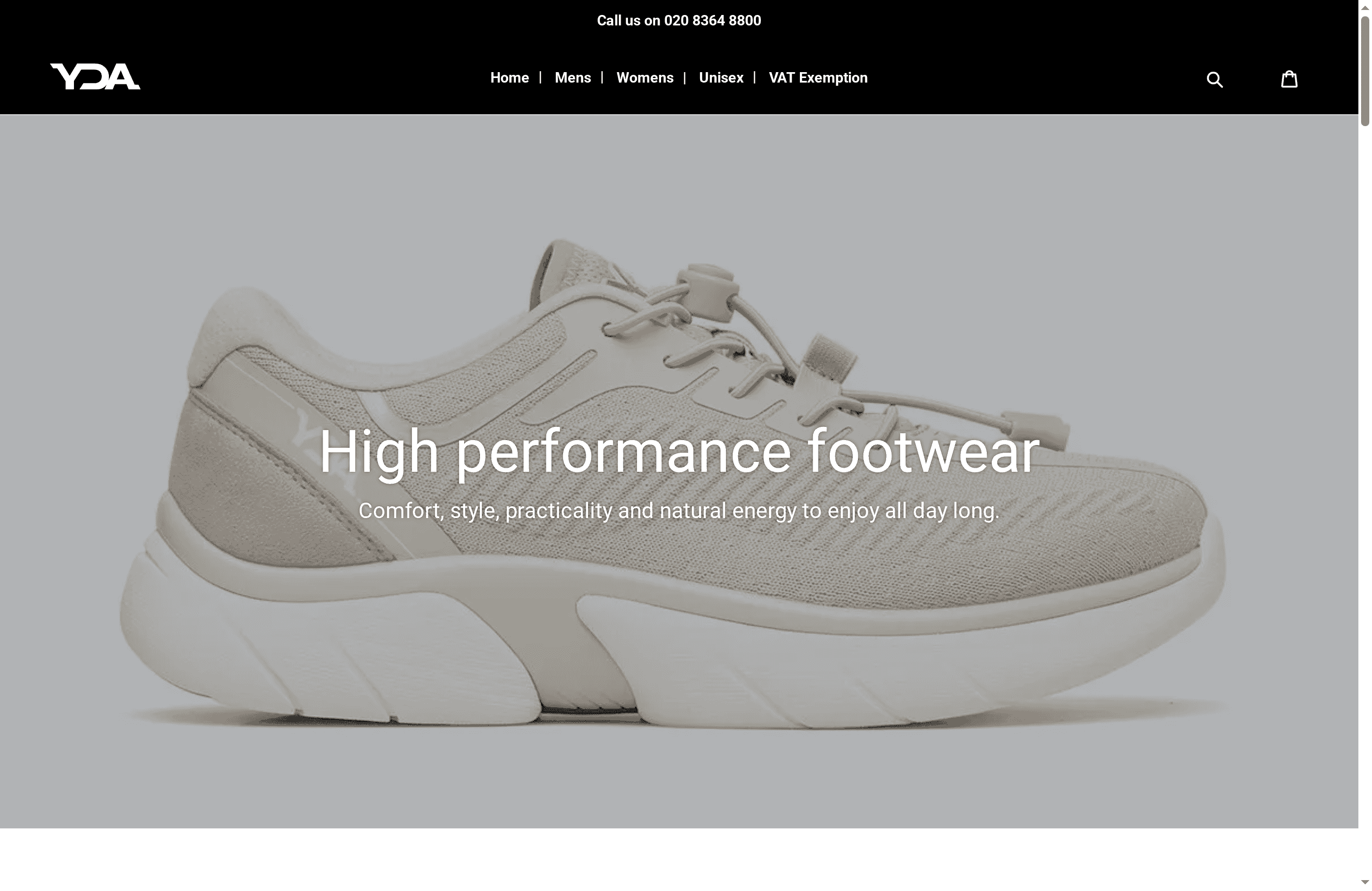
Experience footwear innovation at its best in the Mens – YDA UK and Shoes – YDA UK collections. These shoes incorporate advanced moisture-wicking linings, strategic ventilation zones and adjustability to provide proven health benefits alongside modern design.
Take control of your foot health now by visiting https://ydauk.com and discover shoes that combine comfort with technology. Your feet deserve breathable support that lasts all day so do not wait to choose the footwear engineered to keep you feeling fresh and confident every step of the way.
Frequently Asked Questions
What are the benefits of breathable footwear?
Breathable footwear enhances foot health by managing moisture and temperature, reducing the risk of fungal infections, pressure sores, and skin breakdown, especially for those with sensitive feet or diabetes.
How do I choose the right breathable shoe for my foot type?
Consider factors such as arch support, moisture-wicking capabilities, and the presence of ventilation zones. Focus on shoes designed for your specific needs, whether athletic, professional, or casual environments.
Can leather shoes be breathable?
Yes, leather can be breathable, but it depends on the type of leather and its treatment. Certain leather shoes feature perforations or are combined with synthetic materials to enhance ventilation.
What materials are best for breathable footwear?
Natural materials like cotton, hemp, and bamboo provide excellent moisture absorption, while synthetic fibres like mesh, polyester, and nylon offer durability and enhanced breathability through quick-drying properties.
Recommended
- 7 Key Benefits of Foot Health Shoes for Everyday Comfort – YDA UK
- Role of Footwear in Daily Comfort: Complete Guide – YDA UK
- 7 Essential Footwear Selection Tips for Healthy Feet – YDA UK
- 7 Key Advantages of Stylish Comfort Shoes for Every Day – YDA UK
- 5 Tips for Healthy Hair: Easy Steps for Shiny, Strong Locks | MyHair