
Top energy efficient sneakers for active runners: what to pick
For the best energy return, choose shoes built around PEBA-based or PEBA-like midsole foams paired with stable geometry. Ydauk’s range applies exactly this principle, making it a practical, accessible choice for UK buyers who want genuine performance without paying elite-racer prices.
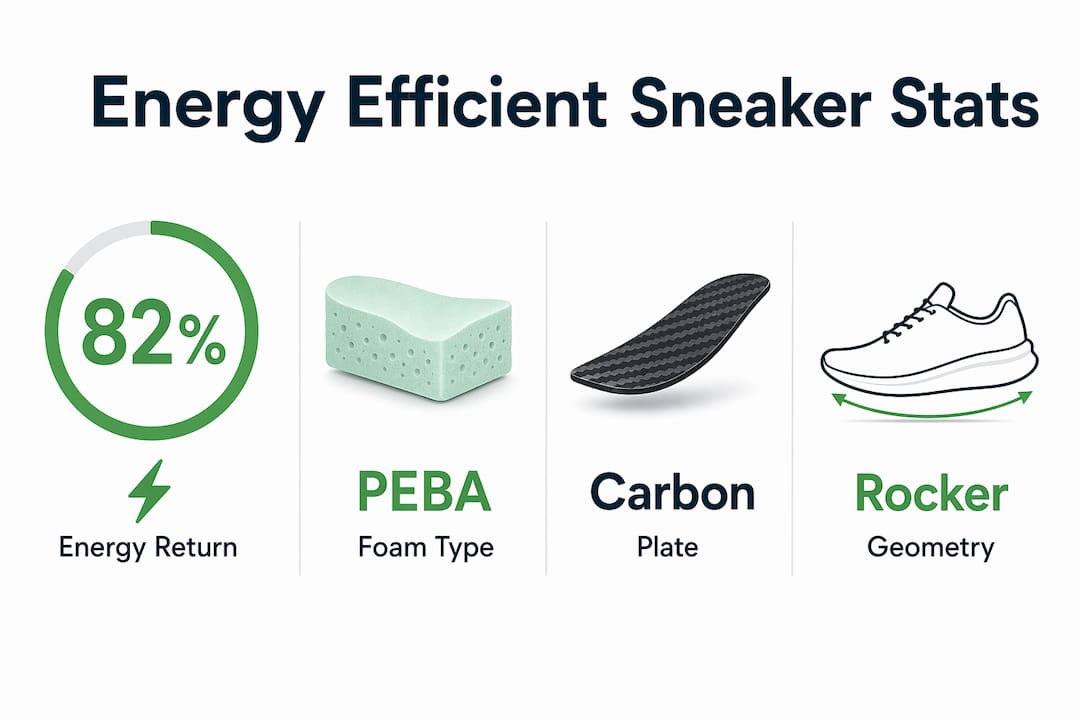
Independent labs consistently measure energy-return values between roughly 69% and 82% in heel and forefoot zones for top-performing shoes. Real-world testing at race pace shows running-economy gains that can be modest but compound meaningfully over a 10K or half-marathon.
Quick guide by use case:
- Race and tempo: Prioritise maximum rebound foam with a carbon or stiffening plate; accept a narrower platform.
- Daily training: Look for PEBA-like foam with a wider base for stability over long efforts.
- All-day comfort and occupational wear: Prioritise heel-zone energy return and a stable rocker; anti-fatigue footwear designed for prolonged standing delivers the most consistent benefit.
All Ydauk models ship to UK addresses; check current stock on the Ydauk site before buying.
Table of Contents
- What does ‘energy efficient’ actually mean in a sneaker?
- Key technologies that give you real energy return
- Who actually benefits from energy-efficient sneakers?
- How to choose the right energy-efficient sneaker
- How to sense energy return before you buy
- How Ydauk approaches energy efficiency
- Key takeaways
- The gap between what energy return promises and what actually matters
- Ydauk energy-efficient models: available now in the UK
- Useful sources for further reading
What does ‘energy efficient’ actually mean in a sneaker?
Energy return describes how much of the energy your foot puts into the midsole on landing comes back to propel you forward. A perfectly elastic material would return 100%; real-world foams return far less. The practical goal is a midsole that stores impact energy and releases it at the right moment in the gait cycle, reducing the muscular effort your legs need to maintain pace.
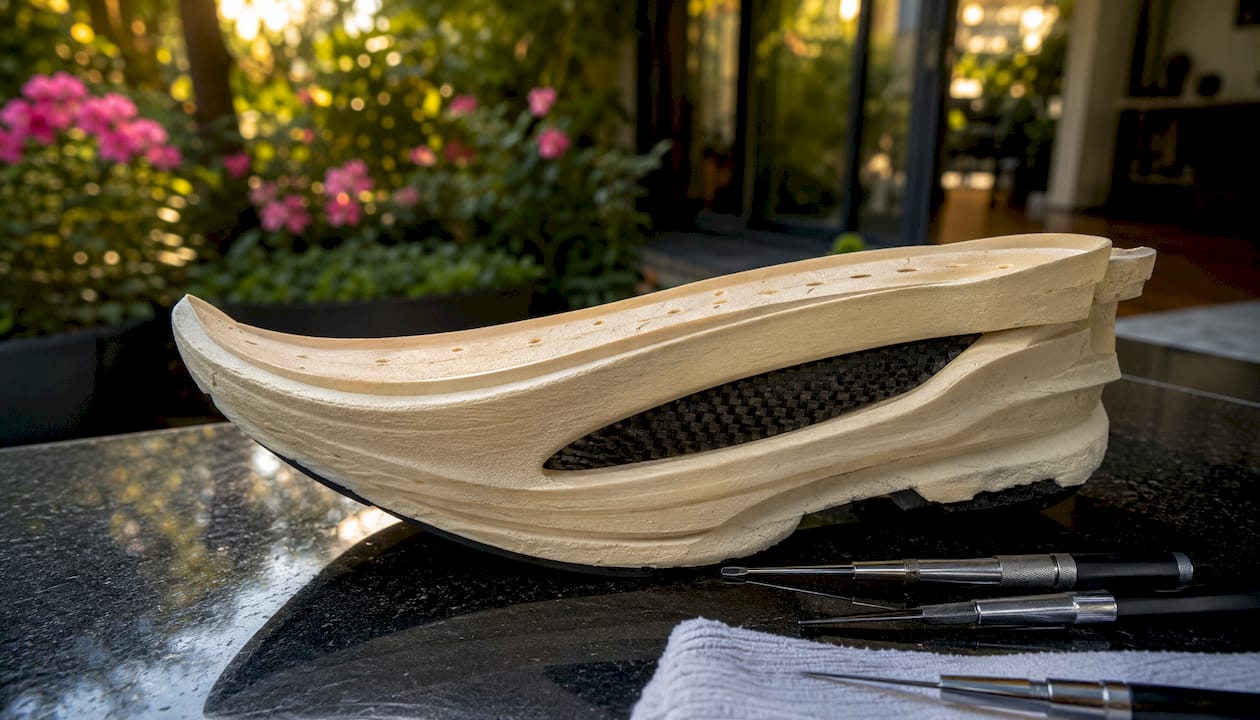
Running economy is the broader measure: the oxygen cost of running at a given speed. Shoes that improve energy return tend to lower that cost, so you feel less fatigued at the same effort level. The biomechanical basis involves midsole rebound timing, rocker geometry that guides the foot through toe-off, and how those elements interact with your cadence and strike pattern.
A common misconception is that a lighter shoe is automatically more efficient. Weight matters, but foam chemistry governs efficiency far more than grams. A heavier shoe with optimised PEBA-like foam can outperform an ultra-light trainer with a basic EVA midsole over a long effort.
Pro Tip: When comparing models, ask specifically about the midsole foam type, not just the weight. “PEBA-based” or “nitrogen-infused” foams are the meaningful signal; “lightweight” alone tells you very little.
- Energy return = stored impact energy released during toe-off
- Running economy = oxygen cost at a given pace; lower is better
- Perceived bounce = foam resilience + geometry working together, not one component alone
Key technologies that give you real energy return
High-rebound foams: where the gains actually live
PEBA (polyether block amide) and its branded variants are the primary driver of measured energy return. These foams compress under load and spring back faster and more completely than standard EVA or even most TPU foams. Testing outlets consistently note that PEBA-family foams store and release energy more effectively than simple mass reduction. The result is a midsole that feels lively underfoot rather than dead or mushy, and that maintains that liveliness over hundreds of kilometres better than cheaper alternatives.
Carbon-fibre and stiffening plates
Plates are widely misunderstood. A carbon-fibre plate does not store energy like a spring; it acts as a rigid lever that modifies the timing and efficiency of foam compression. As Doctors of Running’s technical commentary explains, plates stabilise and redirect energy, enabling slimmer foam stacks to perform better during the propulsion phase. Without high-rebound foam underneath, a plate alone delivers limited energy-return improvement. The two components work as a system.
Rocker geometry and outsole design
A well-tuned rocker rolls the foot through the gait cycle with less muscular effort at the ankle. The geometry of the rocker, its apex position and the base width, determines whether the shoe feels propulsive or unstable. Outsole rubber compounds also matter: a grippy, thin rubber layer transfers energy to the ground more efficiently than a thick, soft compound that absorbs it.
| Technology | Primary role | Energy-return contribution |
|---|---|---|
| PEBA-based foam | Stores and releases impact energy | High — the principal driver |
| Carbon/stiffening plate | Stabilises compression, alters leverage | Moderate — amplifies foam performance |
| Rocker geometry | Guides foot through toe-off | Moderate — reduces muscular effort |
| Outsole compound | Transfers energy to ground | Low–moderate — affects grip and transfer |
For a deeper look at how retail models apply these technologies, the Ydauk guide to energy return soles covers midsole chemistry and geometry in practical terms.
Who actually benefits from energy-efficient sneakers?
The gains are real, but they are not universal. Independent testers and clinicians note that a 3% running-economy gain for some runners can be zero or even negative for others, depending on strike pattern and cadence. The same shoe can improve economy for a forefoot striker and provide no benefit for a heel striker.
Measured energy-return values for top-performing shoes typically fall between 69% and 82% in lab conditions, depending on test location (heel vs forefoot) and foam/geometry combination.
Who gains most:
- Midfoot and forefoot strikers whose gait loads the forefoot zone where rebound foams perform best
- Higher-cadence runners who complete the gait cycle quickly enough to use the foam’s rebound timing
- Race and tempo runners where even a 2–3% economy gain translates to meaningful time savings
- People on their feet all day: walking-specific lab tests report heel-zone energy-return values well above average for walking models, reducing perceived effort over long shifts
Who should prioritise other attributes:
- Habitual heel strikers: highly rockered or carbon-plated designs are optimised for midfoot/forefoot loading, and heel strikers may experience instability in aggressive rocker geometries
- Slower recreational runners where the pace-dependent economy gains are smaller
- Runners needing maximum stability or motion control, where a wider, flatter platform serves better than maximum rebound
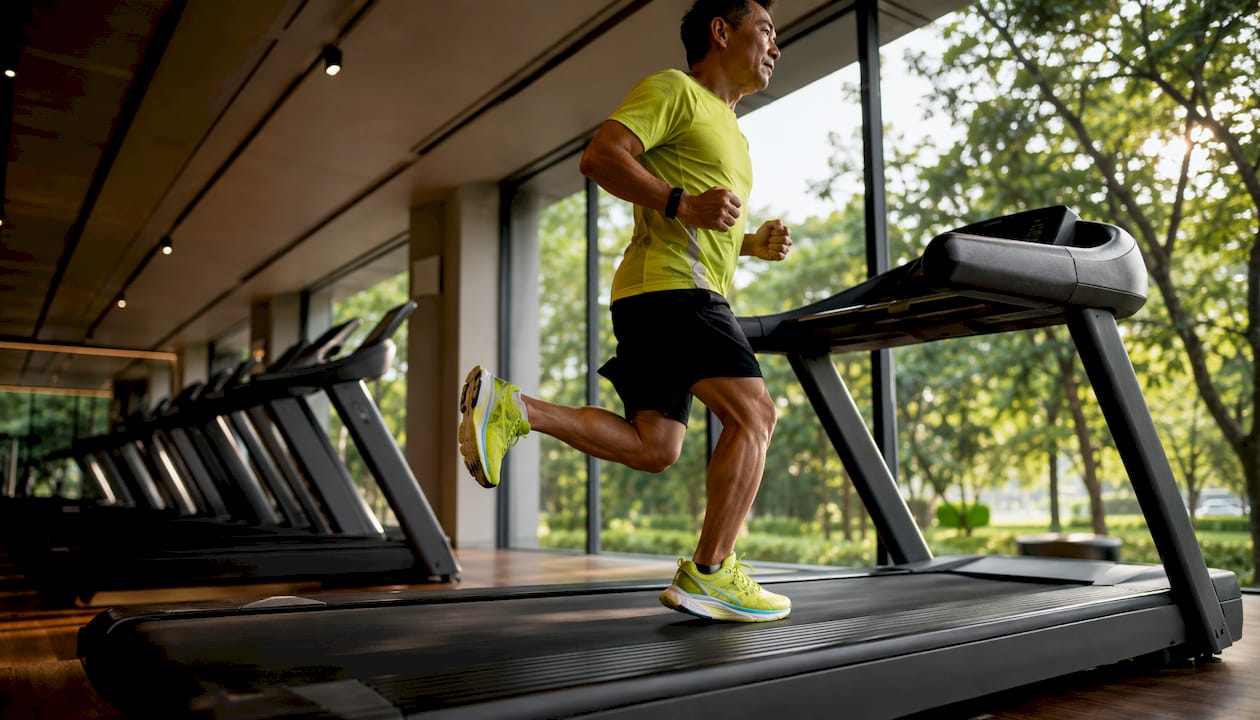
Pro Tip: Film yourself running from the side for ten seconds on a treadmill. If your heel lands well ahead of your centre of mass, a stability-focused trainer with moderate rebound will likely serve you better than the most aggressive racer on the market.
Understanding how shoes impact energy and fatigue can help you match the right design to your gait before you spend.
How to choose the right energy-efficient sneaker
The comparison dimensions that matter
When evaluating any shoe on an energy efficient shoes list, score it against these criteria rather than brand reputation alone:
- Intended use — race/tempo, daily training, or all-day comfort? Each demands a different balance of rebound and stability.
- Perceived energy return — PEBA or PEBA-like foam present? If the brand does not name the foam chemistry, treat rebound claims with scepticism.
- Stack height — higher stacks can amplify foam rebound but increase instability; match to your experience level and gait.
- Weight — relevant but secondary to foam type; a heavier shoe with superior foam often outperforms a lighter one with basic EVA.
- Stability and platform width — wider bases suit heel strikers and long-duration wear; narrower suits efficient forefoot runners.
- Price and value — mid-market options now use PEBA-like foams and tuned midsole geometry to deliver credible rebound without premium racer pricing.
- Durability — PEBA foams degrade more slowly than EVA under repeated compression; check independent long-term wear reports.
Decision rules
- If stability is a concern, choose a wider platform and moderate rocker over maximum rebound.
- If you race or run tempo sessions regularly, prioritise foam chemistry and consider a plate.
- If you stand or walk for long periods, heel-zone energy return and a cushioned rocker matter more than forefoot propulsion.
For practical selection criteria, Ydauk’s guide to selecting shoes for energy walks through these trade-offs in retail-friendly terms.
Generic comparison framework
| Use case | Foam priority | Plate? | Platform width | Stack height |
|---|---|---|---|---|
| Race / tempo | Maximum PEBA rebound | Yes | Narrow–moderate | High |
| Daily training | High rebound + durability | Optional | Moderate | Moderate–high |
| All-day comfort | Heel-zone rebound | No | Wide | Moderate |
How to sense energy return before you buy
In-store tests
Do these before committing to any pair:
- Heel-to-toe roll — place the shoe on a flat surface and roll it forward with light pressure. A well-tuned rocker rolls smoothly without tipping; a flat shoe resists. Feel where the apex sits.
- Short jog or tempo strides — most running shops allow a brief treadmill run. Take 20–30 strides at your normal pace and notice whether the shoe feels like it pushes back or simply absorbs.
- Thumb-press test — press your thumb firmly into the midsole. PEBA-like foams spring back almost immediately; basic EVA rebounds slowly or barely at all.
Pro Tip: Bring your usual running socks to any in-store fitting. Sock thickness affects heel lock and perceived fit more than most buyers expect, and a poor heel lock wastes the energy return the foam provides.
At-home and treadmill tests
- Run a short progression: start easy, build to tempo pace. Energy-return shoes feel increasingly lively as pace rises; cushioned trainers feel roughly the same at all speeds.
- Single-leg balance check: stand on one foot for 10 seconds. Excessive wobble in a highly rockered shoe signals a mismatch with your stability needs.
- After a long run, note perceived fatigue in your calves and quads. Daily trainers with high rebound reduce sustained fatigue over long efforts; if you feel no difference after 90 minutes, the foam may not suit your gait.
Fit and stability checks
- Heel lock: the heel cup should hold firmly without slipping; energy lost to heel movement is energy the foam cannot return.
- Toe box: enough room to splay naturally at push-off; a cramped toe box restricts the forefoot loading that PEBA foams are designed to amplify.
- Platform width: stand in the shoe and shift your weight laterally. If the shoe tips noticeably, the platform is too narrow for your stability needs.
A good aftermarket insole can also improve heel lock and energy transfer; the Superfeet Green is a well-regarded option for runners who need additional arch support without altering the shoe’s geometry significantly.
How Ydauk approaches energy efficiency
Ydauk’s design philosophy centres on the same principles the independent testing community highlights: high-rebound midsole materials, stable geometry, and construction that keeps energy transfer efficient across the full gait cycle. The YDA technology page details the midsole approach, which prioritises foam resilience and rocker geometry tuned for everyday active use rather than elite racing alone.
That distinction matters practically. Most top energy efficient sneakers optimised purely for racing use aggressive geometries that suit a narrow range of runners. Ydauk’s models are calibrated for a broader population: active individuals who want measurable energy return during daily training, long walks, or occupational wear, without the instability that comes with extreme stack heights and narrow platforms.
What to expect from Ydauk models:
- Midsole foam engineered for sustained rebound across daily use, not just short race efforts
- Rocker geometry matched to a stable, wider platform suitable for varied strike patterns
- Sizing and fit designed for UK foot shapes, with models available through the Ydauk UK site
Lab-measured energy-return values for high-performing shoes reach up to 82% in forefoot zones. Ydauk’s design targets the practical range of this spectrum, prioritising consistency over single-session peak scores.
Pro Tip: Check the Ydauk site for current stock status before visiting a stockist. Most models sell quickly, and availability changes frequently.
The footwear fatigue reduction guide on the Ydauk blog explains how geometry and foam choice interact specifically for long-duration wear, which is where the brand’s models are most differentiated.
Key takeaways
The single most important buying rule for energy-efficient sneakers: prioritise PEBA-based or PEBA-like midsole foam over weight, brand name, or price alone.
| Point | Details |
|---|---|
| Foam chemistry is the key driver | PEBA-based foams return 69–82% of impact energy; basic EVA foams return far less. |
| Plates amplify foam, not replace it | Carbon plates stabilise compression and redirect energy; without high-rebound foam, they add little. |
| Gait determines your gain | Forefoot and midfoot strikers see the largest economy improvements; heel strikers may need stability first. |
| In-store thumb-press test works | Press the midsole firmly; instant rebound signals PEBA-like foam, slow rebound signals basic EVA. |
| Ydauk suits active UK buyers | Ydauk models combine stable geometry with high-rebound midsoles, available with UK shipping. |
The gap between what energy return promises and what actually matters
There is a tendency in footwear marketing to treat energy return as a single number — as if a higher percentage automatically means a faster, less tiring experience for every runner. The independent testing record tells a more complicated story, and it is worth being direct about it.
The 2–3% running-economy gain that labs measure at race pace is real. But it is measured on efficient runners, at speed, in controlled conditions. For a recreational runner covering 5K at a comfortable pace, the same shoe may return nothing measurable. The foam’s rebound timing is calibrated for a specific loading rate; if your pace and strike pattern do not match that window, the energy simply dissipates as heat.
What tends to matter more for the majority of active people is the combination of sustained rebound and stability over time. A shoe that feels lively at kilometre one and dead at kilometre fifteen has not improved your running economy; it has just delayed the fatigue. The most useful energy-efficient sneakers for everyday active use are those that maintain their rebound characteristics across a full training block, not just in a brief in-store test.
Ydauk’s focus on daily-use geometry rather than peak-race performance reflects this honestly. The best shoe for most active people is not the one with the highest single-session energy-return score; it is the one that keeps returning energy consistently, fits their gait, and does not demand a specific strike pattern to deliver its benefit.
Ydauk energy-efficient models: available now in the UK
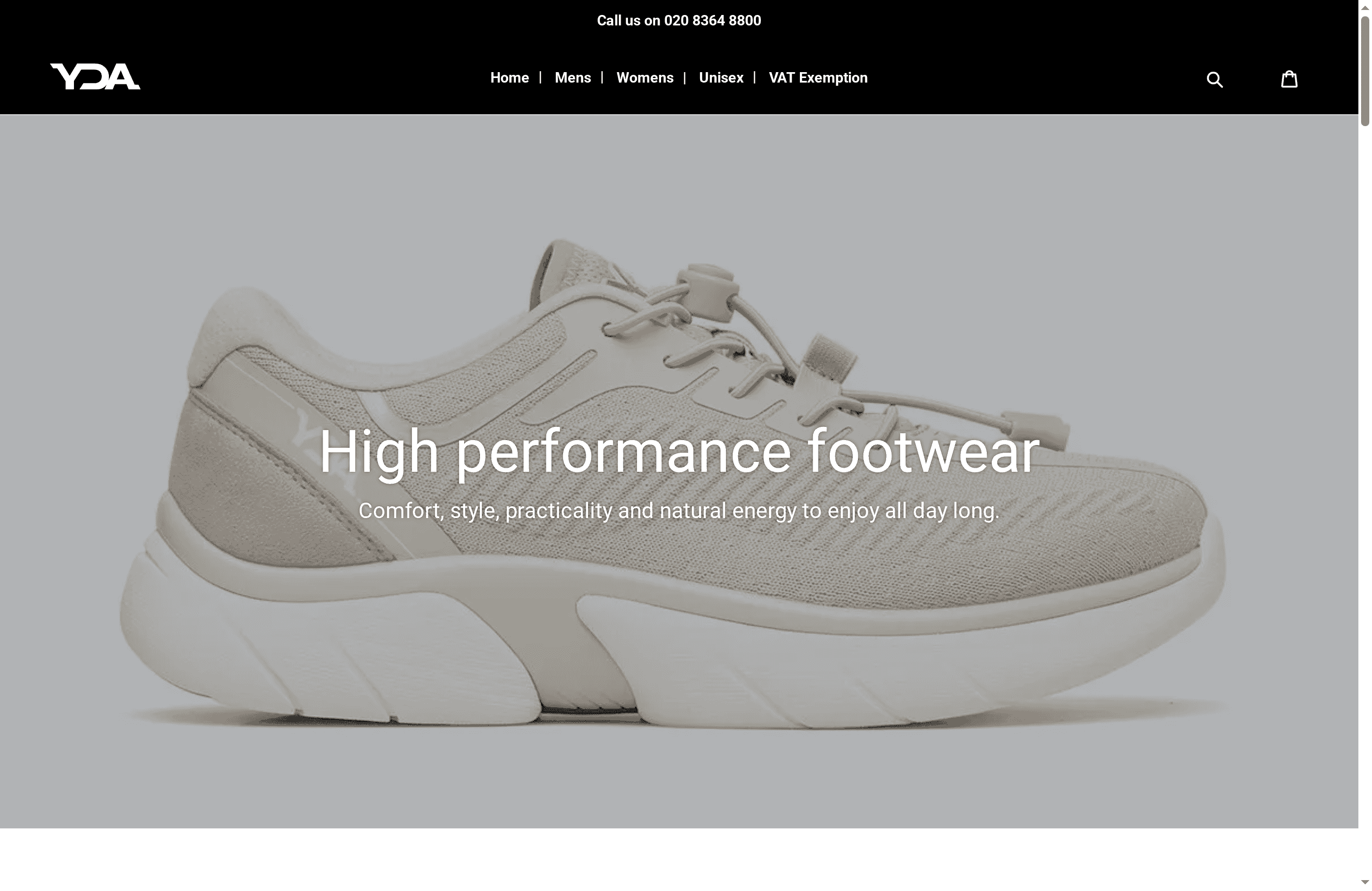
If the criteria in this article describe what you are looking for — genuine midsole rebound, stable geometry, and a design built for active daily use rather than elite racing alone — Ydauk’s range is worth a direct look. The YDA technology page sets out the midsole and geometry approach in plain terms, so you can match it against the buying criteria covered here before you commit.
Models are available with UK shipping, sized for British buyers, and priced at mid-market rather than premium-racer levels. Stock moves quickly, so check current availability on the Ydauk site. If a model you want is listed as sold out, sign up for restock notifications — new inventory arrives regularly.
Useful sources for further reading
Independent testing and peer-reviewed research for readers who want to go deeper:
- RunRepeat: best high energy return running shoes — large-sample lab energy-return measurements across hundreds of models; the most comprehensive public database of foam rebound scores.
- Doctors of Running: carbon-fibre super shoe comparison — clinician-led technical breakdown of plate mechanics and foam interaction; essential reading for understanding what plates actually do.
- The Run Testers: best carbon plate running shoes — real-world test data on running-economy gains at race pace; useful for race-focused buyers.
- Runner’s World UK: carbon plate running shoes explained — accessible explainer on rocker geometry, stability, and who benefits from plate designs; good starting point for non-technical readers.
- Outside: best road running shoes (100+ tested) — broad consumer-facing round-up covering daily trainers with high rebound and durability; useful for value-focused buyers.
- RunRepeat: best high energy return walking shoes — walking-specific lab data; relevant for occupational users and those on their feet all day.
- PubMed: midsole properties and running economy — peer-reviewed research on how midsole mechanical properties affect oxygen cost during running.
- Frontiers in Physiology: footwear and running biomechanics — academic review of how footwear geometry and stiffness interact with running mechanics.