
Why shoe flexibility matters for foot health and comfort
You’ve probably heard that rigid, supportive shoes are best for your feet. That’s a common misconception. In reality, flexible footwear enables natural foot movement, reduces injury risk, and enhances comfort during daily activities. For health-conscious individuals and active people seeking stylish shoes that accommodate specific foot concerns, understanding shoe flexibility is essential. This article explores the biomechanical benefits of flexible footwear, compares rigid versus flexible designs, highlights 2026’s latest innovations, and provides practical guidance for choosing shoes that support both foot health and active lifestyles.
Table of Contents
- How Shoe Flexibility Affects Natural Foot Movement And Injury Risk
- Comparing Flexible And Rigid Shoes: Benefits And Drawbacks
- Latest Trends And Technologies In Flexible Footwear For 2026
- Choosing Flexible Shoes That Support Foot Health Concerns And Active Lifestyles
- Explore Shoes Designed For Problem Feet And Flexibility At YDA UK
- Frequently Asked Questions About Shoe Flexibility
Key takeaways
| Point | Details |
|---|---|
| Natural movement matters | Flexible shoes allow your feet to bend, twist, and move naturally, reducing strain and injury risk during activities. |
| Flexibility zones are key | Proper footwear bends at the forefoot, allows midfoot twisting, and supports heel motion for optimal biomechanics. |
| Health benefits are significant | Choosing flexible shoes helps address foot health concerns whilst providing comfort for active individuals. |
| Technology advances style | Modern innovations combine flexibility with support, offering stylish options that prioritise foot health. |
How shoe flexibility affects natural foot movement and injury risk
Your feet are remarkable structures containing 26 bones, 33 joints, and over 100 muscles, tendons, and ligaments working together. During walking or running, your foot moves through distinct phases: heel strike, midstance, and toe-off. Each phase requires specific movements. The forefoot must bend upwards, the midfoot needs to twist slightly, and the heel requires controlled motion.
When shoes lack proper flexibility, they restrict these natural movements. Shoes significantly affect movement and injury risk through their mechanical properties, with flexibility being a core design component. Stiff footwear forces your foot into unnatural positions, creating compensatory movements up the kinetic chain. Your ankles, knees, hips, and lower back absorb excess stress meant to be distributed across flexible foot structures.
The consequences extend beyond discomfort. Inflexible shoes increase ground reaction forces, alter stride patterns, and reduce proprioceptive feedback from your feet. These changes elevate injury risk across multiple areas:
- Plantar fasciitis from restricted toe-off motion
- Achilles tendonitis due to limited ankle mobility
- Knee pain from altered gait mechanics
- Lower back strain from compensatory movements
Research demonstrates clear links between shoe flexibility and injury prevention. Flexible footwear allows your foot’s natural shock absorption mechanisms to function properly. The arch can flatten slightly during midstance, storing and releasing energy efficiently. Your toes can splay and grip, providing stability without rigid external support.
“Footwear that respects natural foot mechanics reduces the cumulative stress that leads to overuse injuries, particularly in active individuals who spend hours on their feet daily.”
Understanding the role of shoe flexibility helps you make informed choices. Proper flexibility doesn’t mean flimsy or unsupportive. It means allowing movement where your foot naturally bends whilst providing structure where needed. This balance protects against acute injuries like sprains and chronic conditions from repetitive stress.
Comparing flexible and rigid shoes: benefits and drawbacks
Flexible shoes feature materials and construction that bend easily at the ball of the foot, allow some torsional movement through the midfoot, and provide cushioning without excessive stiffness. These designs typically use softer midsole foams, thinner outsoles, and upper materials that move with your foot. You’ll notice them bending significantly when you press the toe and heel together.
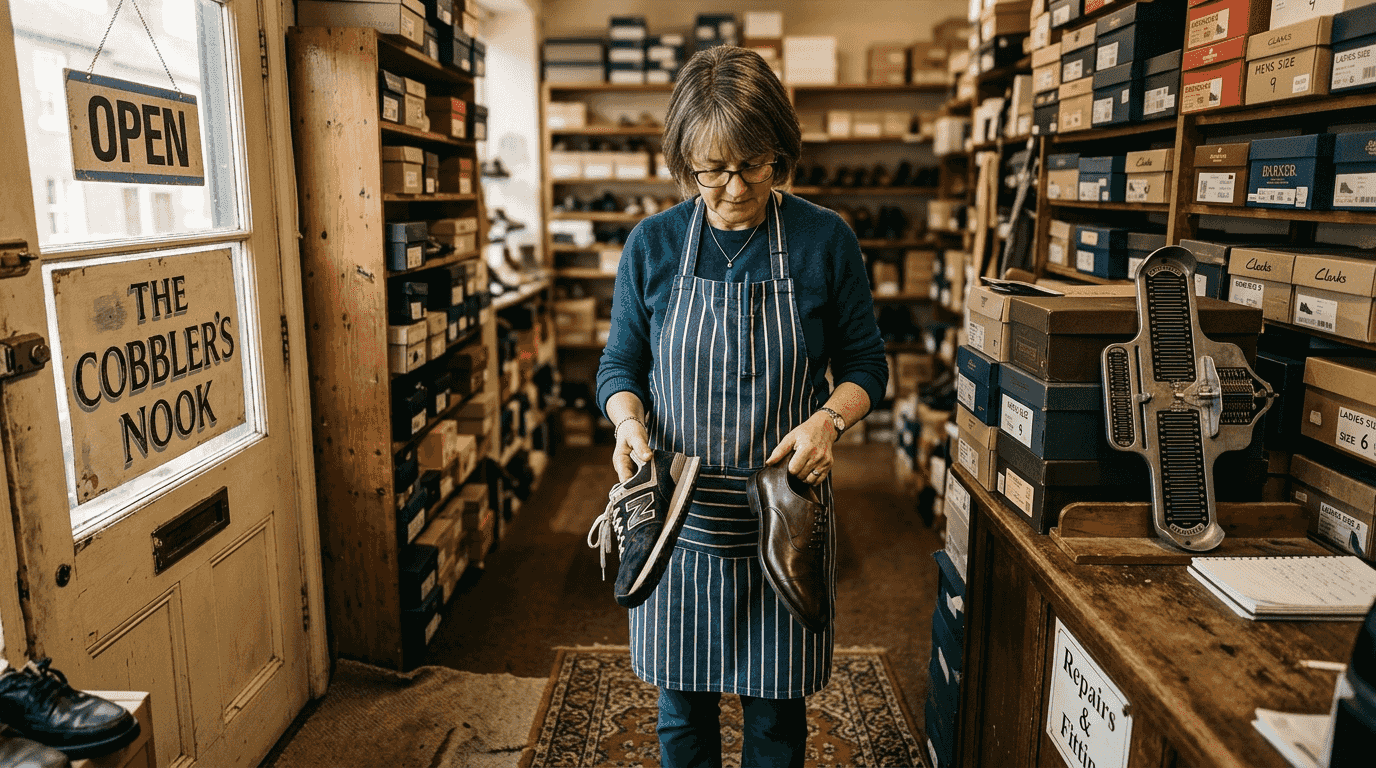
Rigid shoes employ stiffer materials, thicker midsoles, and reinforced structures that resist bending. Motion control running shoes, hiking boots, and some dress shoes fall into this category. They’re designed to limit foot movement, theoretically providing stability and support.
Each type offers distinct advantages and limitations:
| Feature | Flexible shoes | Rigid shoes | | — | — | | Natural movement | Excellent: allows full range of motion | Limited: restricts natural foot mechanics | | Injury prevention | Better for most people: reduces compensatory stress | Useful for specific conditions requiring immobilisation | | Comfort | High: adapts to foot shape and movement | Variable: can feel restrictive during extended wear | | Strength development | Promotes foot muscle strength | May lead to muscle weakness over time | | Suitable activities | Walking, running, everyday wear, gym | Heavy load carrying, severe instability conditions |
The key distinction lies in how mechanical properties of shoes influence human movement. Flexible footwear works with your body’s design, whilst rigid shoes impose external control.
Choosing between them depends on your specific needs. Most people benefit from flexible shoes for daily activities. However, certain conditions like severe overpronation, acute ankle instability, or post-surgical recovery may temporarily require more rigid support. Even then, the goal should be transitioning to flexible footwear as strength and stability improve.
To evaluate shoe flexibility in stores, follow these steps:
- Hold the shoe at both ends and try bending it at the ball of the foot area
- The shoe should flex easily at this natural bending point
- Twist the shoe gently, checking for some torsional flexibility through the midfoot
- Press on the heel counter, ensuring it’s supportive but not excessively rigid
- Examine the outsole thickness and material, favouring moderate cushioning over thick, stiff platforms
Pro Tip: Walk around the shop in potential purchases, paying attention to how your foot moves inside the shoe. Flexible footwear should feel like an extension of your foot, not a constraint.
Understanding footwear injury prevention principles helps you assess whether flexible or rigid shoes suit your situation. For most health-conscious and active individuals, flexible options support natural biomechanics whilst accommodating foot health concerns. Consult the footwear selection guide for personalised recommendations based on your specific needs.
Latest trends and technologies in flexible footwear for 2026
Footwear innovation in 2026 centres on combining flexibility with style and targeted support. Manufacturers have developed materials and construction methods that challenge the traditional trade-off between flexibility and structure. These advances benefit health-conscious consumers seeking shoes that look good whilst supporting foot health.
Cutting-edge materials enable unprecedented flexibility without sacrificing durability:
- Engineered knit uppers with variable stretch zones that adapt to foot shape and movement
- Advanced foam compounds offering responsive cushioning that flexes naturally
- Lightweight composite materials replacing heavy rubber outsoles
- Breathable mesh structures integrated with supportive overlays only where needed
Technological innovations enhance both flexibility and foot health. Biomechanical mapping identifies exactly where shoes need to bend and where they require stability. This precision engineering creates footwear that moves with your foot’s natural mechanics whilst providing targeted support for specific concerns.
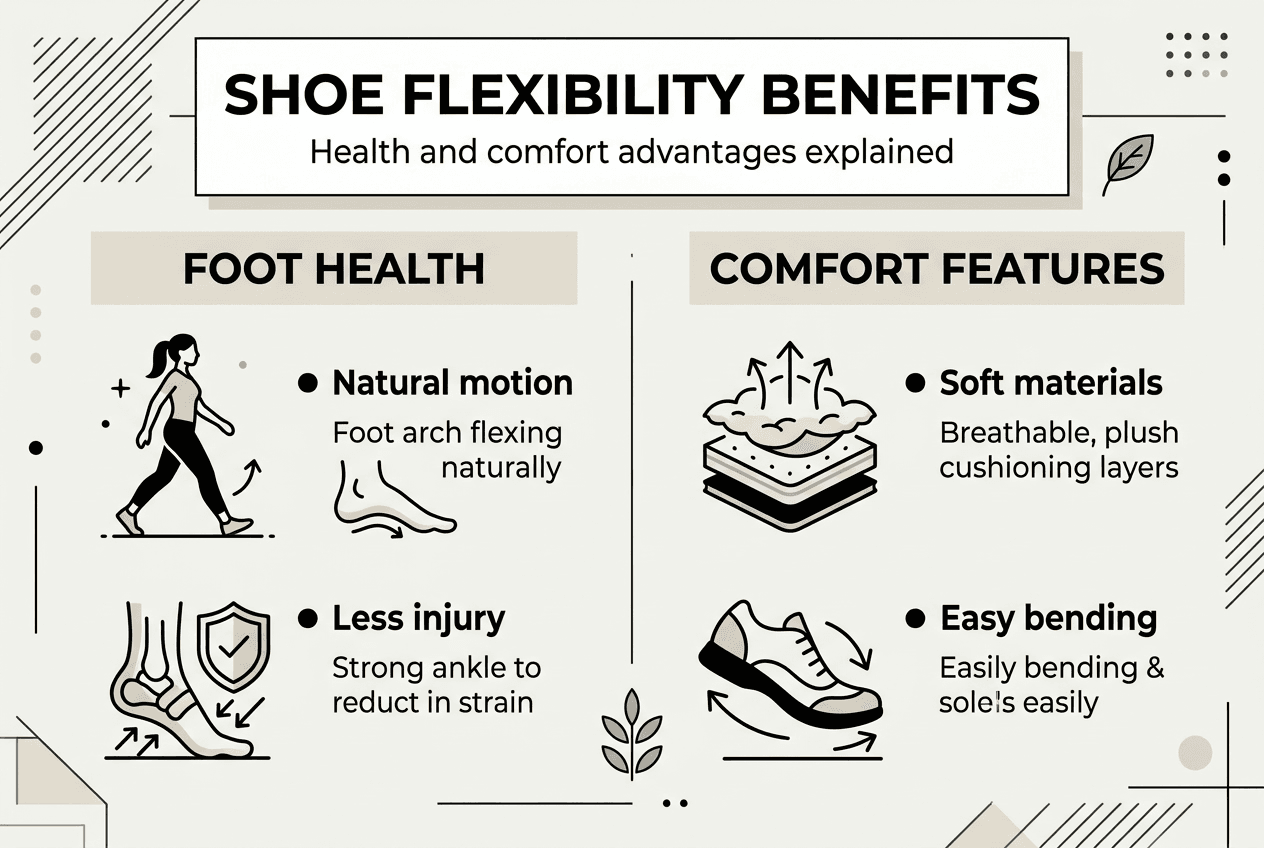
The market has shifted towards flexible designs across all categories. Athletic shoes, casual footwear, and even dress shoes now incorporate flexibility as a core feature rather than an afterthought. This trend reflects growing awareness that foot health and style aren’t mutually exclusive.
| Technology | Comfort benefit | Flexibility benefit | Style benefit | | — | — | — | | Engineered knit | Adaptive fit reduces pressure points | Stretches with foot movement | Sleek, modern aesthetic | | Responsive foam | Superior cushioning and energy return | Natural bending at forefoot | Streamlined profile | | Flexible outsoles | Ground feel improves proprioception | Full range of motion | Versatile designs | | Targeted support | Stability where needed only | Freedom elsewhere | Clean, uncluttered look |
Exploring stretchable materials in shoes 2026 reveals how these innovations address specific foot conditions. Materials accommodate swelling, bunions, and other concerns whilst maintaining attractive designs. You no longer need to choose between shoes that feel good and shoes that look good.
Pro Tip: Look for shoes featuring zoned flexibility, where the forefoot bends easily but the heel and midfoot provide appropriate structure. This design philosophy appears across 2026’s most innovative flexible footwear.
The footwear innovations 2025 laid groundwork for this year’s advances. Technologies introduced then have matured, becoming more accessible and affordable. Flexible footwear is no longer niche or expensive, it’s mainstream and available across price points.
Choosing flexible shoes that support foot health concerns and active lifestyles
Selecting the right flexible footwear requires understanding your specific needs and knowing what features address them. Common foot health concerns benefit significantly from appropriate flexibility, but not all flexible shoes suit every condition.
Plantar fasciitis sufferers need shoes that flex at the forefoot whilst providing arch support and heel cushioning. Bunion-prone feet require wide toe boxes and stretchable uppers that don’t constrict. Those with flat feet benefit from flexible shoes with subtle arch support that strengthens foot muscles rather than rigidly controlling motion. High arches need cushioning and flexibility to absorb shock that naturally rigid foot structures can’t dissipate.
Evaluate potential purchases using this systematic checklist:
- Bend the shoe at the ball of the foot, confirming it flexes easily at this natural hinge point
- Check the toe box depth and width, ensuring adequate space for your toes to spread naturally
- Examine upper materials for stretch and breathability without excessive structure
- Assess cushioning levels, seeking responsive foam rather than thick, dead platforms
- Test heel counter firmness, wanting support without rigidity that restricts ankle motion
- Walk in the shoes, monitoring how your foot moves through the gait cycle
- Consider the shoe’s weight, favouring lighter options that don’t fatigue your feet
Active lifestyles demand flexible footwear that performs across various activities. Gym workouts require shoes that allow natural squatting and lunging movements. Walking shoes need forefoot flexibility for efficient toe-off. Running shoes must provide responsive cushioning whilst bending naturally. Even casual everyday shoes should support the thousands of steps you take daily.
Flexible shoe features particularly beneficial for active individuals include:
- Low heel-to-toe drop promoting natural foot positioning
- Wide toe boxes allowing toe splay for stability
- Breathable materials managing moisture during activity
- Lightweight construction reducing energy expenditure
- Durable yet flexible outsoles providing traction without stiffness
“The best flexible shoes feel invisible during wear, supporting your natural movement patterns whilst protecting your feet from environmental hazards.”
Consult the shoes for foot problems guide for detailed recommendations addressing specific conditions. Understanding how to evaluate shoe technology empowers you to assess marketing claims critically and choose footwear based on genuine biomechanical benefits.
Pro Tip: Rotate between multiple pairs of flexible shoes with slightly different characteristics. This variation challenges your feet differently, building strength and preventing overuse injuries from repetitive stress patterns.
Maintaining shoe flexibility extends their functional lifespan. Store shoes in moderate temperatures, as extreme heat or cold degrades flexible materials. Clean them regularly according to manufacturer instructions, preventing dirt buildup that can stiffen fabrics and foams. Replace shoes when midsole cushioning compresses significantly or outsoles show uneven wear patterns, typically every 500 to 800 kilometres for athletic shoes.
Your foot health improves when you combine flexible footwear with strengthening exercises. Simple activities like toe spreading, arch doming, and barefoot balance work complement the benefits of proper shoes. Together, they create a comprehensive approach to maintaining healthy, functional feet throughout your active life.
Explore shoes designed for problem feet and flexibility at YDA UK
Finding flexible footwear that addresses your specific foot health concerns whilst maintaining style can feel challenging. YDA UK specialises in technologically advanced shoes that prioritise natural foot movement without compromising on appearance or comfort. The collection features designs incorporating the flexibility principles and innovations discussed throughout this article.
Explore the range of shoes for problem feet crafted with biomechanical expertise. Each design in the YDA shoe collection balances flexibility with targeted support, using materials and construction methods that accommodate various foot conditions. Learn more about the engineering behind these innovations on the technology of YDA shoes page, where you’ll discover how specific features address common foot health challenges whilst supporting active lifestyles.
Frequently asked questions about shoe flexibility
What makes a shoe flexible?
A flexible shoe bends easily at the ball of the foot, allows some midfoot twisting, and uses materials that move with your foot rather than restricting it. The midsole foam, outsole thickness, and upper construction all contribute to overall flexibility.
How does shoe flexibility affect foot pain?
Flexible shoes reduce foot pain by allowing natural movement patterns that distribute stress evenly across foot structures. Rigid footwear forces compensatory movements that strain muscles, tendons, and joints, often causing or worsening pain conditions.
Can flexible shoes help with plantar fasciitis?
Yes, flexible shoes that bend at the forefoot whilst providing arch support and heel cushioning help manage plantar fasciitis. They allow natural toe-off motion, reducing strain on the plantar fascia during walking. Understanding the shoe flexibility impact on this condition guides appropriate choices.
How to test shoe flexibility at home?
Hold the shoe at the toe and heel, then bend it at the ball of the foot area. It should flex relatively easily at this natural hinge point. Twist the shoe gently to check for some torsional flexibility through the midfoot, indicating proper construction.
Are flexible shoes suitable for all activities?
Flexible shoes suit most daily activities, walking, running, gym workouts, and casual wear. However, activities involving heavy loads, extreme terrain, or specific medical conditions requiring immobilisation may need more structured footwear temporarily. Most people benefit from flexible shoes for regular use.