
Stretchable materials for stylish, healthy shoes in 2026
Stretchable materials in footwear reduce foot pain by up to 30%, transforming daily comfort for millions who struggle with rigid, ill-fitting shoes. These innovative fabrics mould to your unique foot shape, eliminating pressure points whilst maintaining durability and style. This guide reveals how stretchable materials deliver genuine health benefits, debunks common myths, and helps you select shoes that support both comfort and foot wellness.
Table of Contents
- Understanding Stretchable Materials In Footwear
- Material Science Behind Stretchable Shoe Fabrics
- Health And Comfort Benefits Of Stretchable Shoes
- Common Misconceptions About Stretchable Materials In Footwear
- Comparison And Selection Framework For Stretchable Shoes
- Practical Tips For Buying And Caring For Stretchable Shoes
- Future Trends And Innovations In Stretchable Footwear Materials
- Conclusion: Empowering Your Footwear Choices With Stretch Materials
- Discover Shoes Designed For Comfort And Health At YDA UK
- FAQ
Key takeaways
| Point | Details |
|---|---|
| Adaptive fit technology | Stretchable materials conform dynamically to foot contours, reducing pressure points and enhancing overall comfort by 15-20%. |
| Material diversity | Polyurethane, engineered knits, and synthetic leather each offer unique benefits balancing flexibility, durability, and style. |
| Durability comparable to traditional shoes | Modern stretch materials feature 60% fewer seam failures and reduced return rates under 2%. |
| Health and mobility benefits | Stretch uppers support healthier foot mechanics, accommodate sensitive feet, and prevent constriction during varied activities. |
| Sustainable innovations emerging | Bio-based synthetics reduce CO2 emissions by 63%, whilst lightweight knits cut freight costs by 12%. |
Understanding stretchable materials in footwear
Stretchable materials represent fabrics engineered to visibly conform to your foot’s shape and return to their original form, creating a customised fit that rigid materials cannot achieve. These fabrics transform how shoes interact with your feet, accommodating natural variations in shape and movement throughout the day.
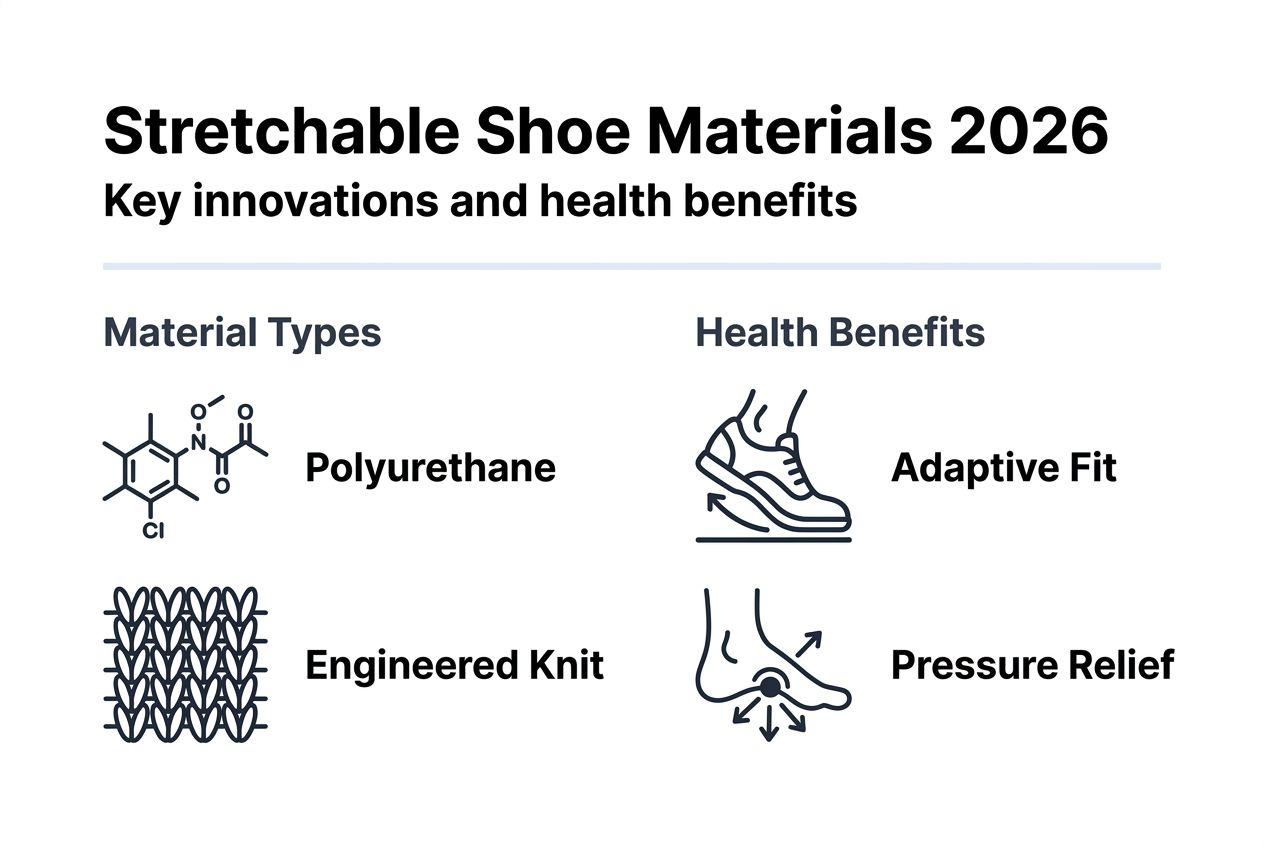
Three primary stretch materials dominate modern footwear. Stretchable polyurethane used in shoe uppers offers flexible fit that moulds to foot shape, significantly enhancing comfort and support. Engineered knits combine high tensile strength with breathability, creating lightweight uppers that move with you. Synthetic leathers with two-way stretch deliver the polished appearance of traditional leather whilst providing flexibility and moisture resistance.
How stretchability improves fit matters tremendously for daily comfort. Your feet change shape throughout the day, swelling slightly and shifting as you move. Stretch materials accommodate these natural changes without creating tight spots or rubbing. This adaptability proves especially valuable for people with wide feet, high arches, or bunions.
Functional benefits extend beyond basic comfort:
- Pressure reduction across the entire foot surface distributes weight more evenly
- Enhanced flexibility allows natural foot movement and healthier gait patterns
- Minimised tight spots prevent blisters and irritation during extended wear
- Improved breathability when combined with knit constructions regulates temperature
These materials work by incorporating elastic properties at the molecular or structural level, allowing fabric to stretch without tearing or losing shape. Whether through chemical composition like polyurethane material properties or physical construction like knit patterns, stretchable materials fundamentally change how shoes fit and feel.
Material science behind stretchable shoe fabrics
Polyurethane’s elasticity stems from its molecular structure, featuring long, flexible polymer chains that stretch and recover without permanent deformation. This material offers water resistance, protecting feet in damp conditions whilst maintaining breathability. Heat-mouldable properties allow custom fitting, where gentle warming softens the material to conform precisely to your foot shape before cooling into that personalised form.
Engineered knits represent a construction revolution rather than a chemical innovation. These fabrics use intricate patterns and varying yarn tensions to create zones of different stretch and support. Engineered knit uppers reduce seam failures by approximately 60%, improving durability despite their flexible nature. The seamless or minimal-seam construction eliminates weak points where traditional shoes often fail.

Two-way stretch synthetic leather combines aesthetic appeal with performance. Advanced synthetic leathers with two-way stretch maintain water resistance and durability with sustainability benefits. These materials stretch both lengthwise and widthwise, accommodating foot movement in multiple directions simultaneously. Their composition often includes recycled content, reducing environmental impact compared to traditional leather production.
Sustainability implications vary significantly across stretch materials:
- Synthetic materials generally require less water and land than leather production
- Recycled polyurethane and synthetic leather reduce virgin material consumption
- Bio-based alternatives emerging in 2026 offer renewable sourcing options
- Durability improvements mean fewer replacements, lowering overall consumption
The balance between stretch and durability once seemed impossible to achieve. Modern craft innovation in footwear proves that engineered construction methods paired with advanced materials deliver both flexibility and longevity. This technical progress addresses earlier concerns about stretch shoes wearing out quickly, a myth we’ll examine more closely later.
Health and comfort benefits of stretchable shoes
Stretch materials mould dynamically to your foot’s unique contours, eliminating the rigid boundaries that cause discomfort in traditional shoes. This conformity reduces pressure points and improves comfort by 15-20%, creating a sensation closer to walking barefoot whilst maintaining necessary support and protection.
People with foot conditions benefit enormously from stretchable uppers. Those experiencing bunions, hammertoes, or arthritis find relief as materials accommodate irregularities without creating painful friction. Sensitive feet that react poorly to seams or rigid edges appreciate the smoother, more forgiving interior surfaces. Diabetic individuals, who must avoid pressure points that can lead to ulcers, gain critical protection through this adaptive fit.
Flexibility during various activities promotes healthier foot mechanics. Walking, standing, and light exercise all involve complex foot movements that rigid shoes can restrict. Stretchable uppers allow your foot’s natural flex patterns, supporting the biomechanical processes that distribute impact forces efficiently. This freedom of movement reduces strain on joints and connective tissues throughout your lower body.
Long-term foot health improves when you eliminate chronic pressure and constriction. Users reported 30% reduction in foot pain after switching to stretch-material shoes, demonstrating measurable wellness improvements. Hotspots that develop into calluses or corns become less common when materials adapt rather than resist. Circulation benefits from reduced constriction, particularly important during extended wear periods.
Key health advantages include:
- Reduced incidence of blisters through elimination of rigid friction points
- Improved proprioception as feet receive better sensory feedback through flexible materials
- Accommodation of orthotics without compromising fit in the upper shoe
- Better temperature regulation through breathable knit constructions
Pro Tip: Combining stretchable uppers with lightweight shoes maximises comfort and reduces fatigue during long days on your feet. The synergy between reduced weight and adaptive fit creates an exceptionally comfortable wearing experience that supports overall foot health. Explore health-oriented footwear benefits to understand how these features work together, and learn about shoe flexibility and foot health connections.
Common misconceptions about stretchable materials in footwear
Myth 1: Stretch materials lack durability compared to traditional shoe construction. Reality proves otherwise. Return rates dropped from 5-7% to under 2% with advanced stretchable materials and craftsmanship, demonstrating that modern stretch shoes outlast many traditional alternatives. Engineered knits with 60% fewer seam failures actually improve structural integrity where conventional shoes commonly fail.
Myth 2: Stretchable shoes cannot provide adequate foot support. This misconception ignores how fit quality affects support. Stretch materials provide equivalent or superior support due to better conforming fit, countering the myth of inferior support. When materials adapt precisely to your foot shape, they distribute forces more effectively than rigid structures that create gaps and pressure points. Support comes from proper fit, not just material stiffness.
Myth 3: Stretch materials suit only casual footwear, not performance or formal shoes. High-performance athletic footwear increasingly incorporates stretch materials for competitive advantage. Elite runners, basketball players, and tennis athletes rely on engineered knit uppers that reduce weight whilst maintaining support. Formal shoes now feature stretch leather that maintains professional appearance whilst dramatically improving comfort during business wear.
“Advanced stretchable materials combined with precision craftsmanship have reduced product returns to under 2%, proving durability concerns are outdated myths rather than current reality.”
These misconceptions stem from early stretch materials that indeed had limitations. First-generation stretch fabrics stretched out permanently, lost shape, and wore through quickly. Modern materials engineered in the past five years bear little resemblance to those predecessors. Chemical formulations, construction techniques, and quality control have evolved dramatically, creating materials that challenge and often exceed traditional shoe performance.
Understanding these corrections empowers you to evaluate shoes based on current capabilities rather than outdated assumptions. The durability of stretch materials now matches or exceeds conventional alternatives across most use cases. Footwear support innovation continues advancing, making stretch materials increasingly sophisticated and reliable.
Comparison and selection framework for stretchable shoes
Choosing the right stretch material depends on your specific needs, activities, and priorities. This comparison table clarifies the trade-offs:
| Material Type | Durability | Comfort Level | Sustainability | Style Versatility |
|---|---|---|---|---|
| Polyurethane | High, heat-mouldable | Excellent, custom fit | Moderate, recyclable options | Good, smooth finish |
| Engineered Knits | Very High, 60% fewer seam failures | Superior, lightweight | Good, reduced shipping impact | Excellent, modern aesthetic |
| Synthetic Leather | High, water-resistant | Very Good, traditional feel | Best, 63% lower CO2 | Excellent, classic appearance |
Key decision factors when selecting stretchable shoes:
- Primary need: Determine whether comfort, performance, style, or foot health concerns drive your purchase
- Activity level: Match material durability to how intensively you’ll wear the shoes
- Sustainability priorities: Consider environmental impact if eco-consciousness guides your choices
- Style preference: Select materials that align with your aesthetic requirements and dress codes
- Budget constraints: Balance cost against expected lifespan and performance benefits
Pro Tip: Try shoes with heat-mouldable polyurethane for custom fit if you have unusual foot shapes or specific pressure points. For lightweight durability during athletic activities, prioritise engineered knits that reduce weight without sacrificing strength.
Everyday casual wear benefits most from engineered knits, offering breathability and flexibility for varied activities. Athletic and performance contexts demand materials that manage moisture and provide responsive flex, making technical knits ideal. Eco-conscious fashion choices align best with synthetic leathers featuring recycled content and reduced emissions. Professional environments often require the polished appearance of stretch synthetic leather that maintains formal aesthetics.
Fit testing remains critical regardless of material choice. Stretchable materials should feel snug initially but not constrictive, as they’ll conform to your foot shape over the first few wears. Walk around the shop, flex your foot, and assess whether stretch occurs in appropriate zones. Materials should give where your foot naturally expands but maintain structure in areas requiring support.
Practical tips for buying and caring for stretchable shoes
Evaluating fit and stretch during purchase requires systematic assessment:
- Wear the shoes for at least 10 minutes in-store, walking on various surfaces to assess comfort evolution
- Flex your foot fully whilst wearing the shoe, checking whether materials stretch appropriately without excessive resistance
- Press your thumb against the upper near common pressure points to gauge give and recovery
- Check for gapping or loose areas that indicate insufficient initial fit, as stretch materials accommodate expansion, not contraction
- Assess whether seams or overlays create friction points that won’t resolve through stretching
Safe stretching techniques for polyurethane uppers:
- Apply gentle heat using a hairdryer on low setting for 20-30 seconds whilst wearing thick socks
- Avoid direct high heat that can damage adhesives or melt cushioning materials
- Stretch gradually over multiple sessions rather than forcing immediate expansion
- Focus heat application on specific tight spots rather than the entire upper
- Allow materials to cool completely whilst wearing the shoes to set the stretched shape
Heat-assisted stretching methods improve fit by 10-15% for polyurethane shoes. Never apply heat near foam midsoles or insoles, as temperatures exceeding 60°C can compromise cushioning properties. Test heat levels on your hand before applying to shoes.
Maintenance tips preserve elasticity and extend shoe lifespan:
- Clean with mild soap and cool water, avoiding harsh chemicals that degrade elastic properties
- Store shoes with proper support, using shoe trees or stuffing to maintain shape
- Rotate footwear regularly, allowing materials to fully recover between wears
- Inspect stretch zones periodically for signs of permanent deformation or thinning
- Apply appropriate protectants for synthetic leather to maintain water resistance
Pro Tip: Gradual wear combined with moderate heat application customises polyurethane upper fit perfectly to your foot shape. Wear shoes for short periods initially, applying gentle heat to stubborn tight spots after each session. This progressive approach achieves optimal fit without risking material damage.
Avoid machine washing stretchable shoes unless explicitly approved by manufacturers. The agitation and heat can permanently deform materials or separate bonded components. Hand cleaning with targeted spot treatment preserves material integrity whilst maintaining hygiene. Learn more about care from polyurethane stretching tips that detail safe methods.
Future trends and innovations in stretchable footwear materials
Bio-based synthetics represent the next evolution in sustainable stretch materials. Manufacturers increasingly source raw materials from renewable plant sources rather than petroleum derivatives. These innovations maintain the performance characteristics consumers expect whilst dramatically reducing environmental impact. Synthetic leather production now reduces CO2 emissions by 63% compared to nylon 6, signalling a shift to sustainable materials that don’t compromise functionality.
Smart footwear integration embeds sensing technology directly into stretch materials. These sensors monitor gait patterns, pressure distribution, and movement efficiency in real time. Data feeds to smartphone apps, providing insights that help optimise fit and identify potential injury risks. Some prototypes adjust internal structure dynamically, tightening or loosening specific zones based on activity and biometric feedback. This technology transforms shoes from passive equipment into active health monitoring systems.
Economic advantages complement environmental benefits in lightweight engineered knits. High-density knit uppers reduce freight costs by up to 12%, demonstrating economic and environmental advantages simultaneously. Reduced shipping weight lowers carbon emissions whilst improving profit margins, creating business incentives that align with sustainability goals. These economic factors accelerate adoption across the footwear industry.
Upcoming stretch material advancements include:
- Self-healing materials that repair minor tears and abrasions automatically
- Phase-change fabrics that regulate temperature through material composition changes
- Antimicrobial treatments integrated at the molecular level for lasting freshness
- Closed-loop recycling systems where old shoes become raw materials for new production
- Customisable stretch zones allowing consumers to specify flexibility locations
Recycling focus intensifies as manufacturers address end-of-life footwear disposal. New synthetic materials separate easily into component parts, enabling efficient recycling rather than landfill disposal. Some brands now accept old shoes for recycling, closing the material loop and reducing virgin resource consumption. This circular approach transforms footwear from disposable goods into renewable resources.
Watch for these innovations when shopping in coming years. Early adopters gain access to technology that genuinely improves daily comfort and foot health. The convergence of sustainability, smart technology, and advanced materials creates footwear that serves both personal wellness and environmental responsibility. Explore footwear innovations 2025 perspectives, future synthetic leather trends, and craft innovation trends shaping the industry.
Conclusion: empowering your footwear choices with stretch materials
Stretchable materials unite style, comfort, and health in ways traditional shoe construction cannot match. Adaptive fit technology reduces foot pain, accommodates individual variations, and supports healthier biomechanics throughout daily activities. Understanding material properties, from polyurethane’s heat-mouldability to engineered knits’ durability, empowers you to select shoes that truly serve your needs.
Consumer empowerment comes from knowledge. You now recognise that durability myths no longer apply to modern stretch materials, that support depends on fit quality rather than rigidity, and that performance footwear increasingly relies on these innovations. Selection frameworks and practical care tips transform abstract material science into actionable purchasing decisions.
Prioritise stretchable materials when considering new shoes, especially if you’ve experienced discomfort with traditional footwear. The 30% reduction in foot pain many users report represents genuine quality-of-life improvement, not marketing exaggeration. Your feet deserve materials that adapt to them rather than forcing adaptation to rigid structures. Discover stylish footwear for foot health that demonstrates how these principles translate into real products combining aesthetics with wellness benefits.
Discover shoes designed for comfort and health at YDA UK
YDA UK specialises in footwear that embraces stretchable materials and innovative construction to deliver genuine health benefits without sacrificing style. Their collection features adaptable shoes designed specifically for maximum comfort and foot support throughout demanding daily wear.
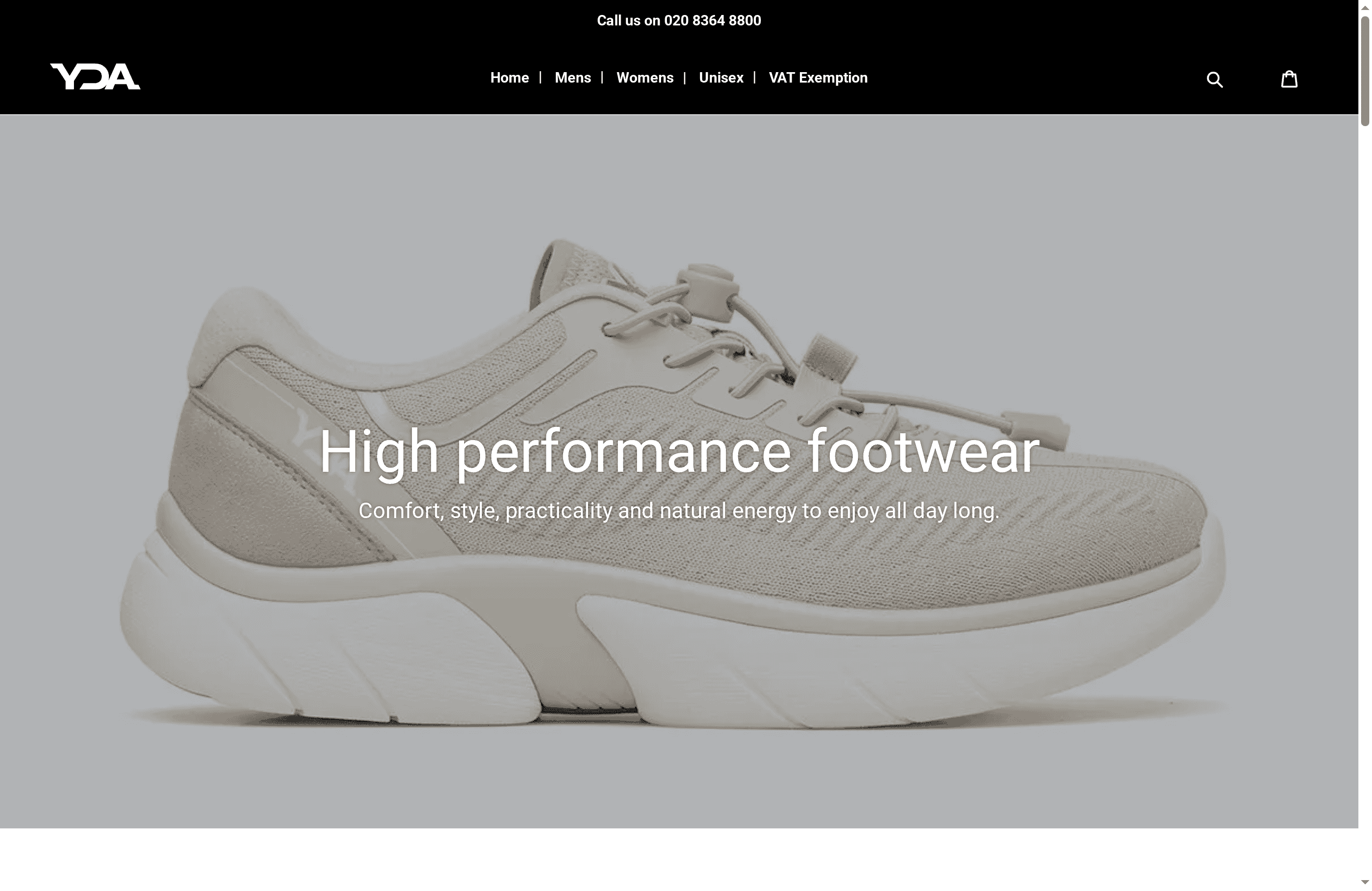
Explore how proprietary YDA technology leverages stretch materials and biomechanical insights to enhance foot health whilst maintaining contemporary aesthetics. Whether you need shoes for problem feet or simply want superior comfort, the YDA UK shoes collection offers styles optimised for varying foot shapes and preferences. Learn about the technology of YDA shoes that combines material science with practical design, creating footwear that truly supports your daily activities.
FAQ
What makes stretchable materials better for foot comfort?
Stretchable materials adapt to variations in foot shape, reducing pressure points and hotspots that cause discomfort in rigid shoes. They allow natural foot movement and flexibility compared to traditional uppers, supporting healthier biomechanics and reducing fatigue during extended wear.
Are stretchable shoes durable enough for everyday wear?
Modern stretch materials like engineered knits and synthetic leathers offer durability comparable to traditional shoes, with some exceeding conventional performance. Innovations have reduced seam failures by 60% and dropped product returns to under 2%, demonstrating improved lifespan and reliability for daily use.
How should I care for shoes with stretchable uppers?
Avoid harsh cleaning chemicals that degrade elastic properties; use gentle, material-appropriate cleaners and cool water instead. Store shoes in cool, dry places with proper support to maintain shape, and rotate usage between multiple pairs to allow materials full recovery time between wears.
Can stretch materials be used in performance or athletic shoes?
Yes, many athletic shoes use advanced stretch materials specifically for flexibility and responsive support during high-intensity activities. They enhance natural foot movement, reduce hotspots during sports, and often outperform traditional athletic shoe uppers in both comfort and durability metrics.