
Benefits of ergonomic footwear: your health guide
TL;DR:
- Ergonomic footwear supports the foot’s natural shape, reducing strain on muscles and joints. It minimizes foot pain by redistributing pressure, improving alignment of the entire kinetic chain. Proper fit and support are essential for maximum health benefits and long-term joint protection.
Ergonomic footwear is defined as shoes engineered to support the natural shape and movement of the foot, reducing strain on muscles, joints, and connective tissue. The benefits of ergonomic footwear extend well beyond simple comfort. Research from SINTEF shows that new ergonomic designs reduce heel forces by over 6%, relieving up to 5kg of load per step for an 80kg person. That figure represents thousands of kilograms of cumulative stress removed from your body every single day. Whether you stand for hours at work or simply want to protect your joints long term, the right shoe design makes a measurable difference.
1. What are the key features that make footwear ergonomic?
Ergonomic shoe features are the physical design elements that separate a health-supporting shoe from a standard one. Each feature targets a specific biomechanical problem.
- Wide toe box. A roomy toe box lets your toes spread naturally during each step. Narrow toe boxes compress the forefoot, contributing to bunions and hammertoes over time.
- Arch support. Proper arch support maintains the foot’s natural curve, distributing weight evenly across the sole. Arch support increases comfort and mobility while reducing musculoskeletal disorder risks.
- Cushioning materials. High-density foam or gel insoles absorb shock at heel strike. This reduces the impact transmitted up through the ankle, knee, and hip.
- Rocker soles. A rocker sole curves upward at the toe and heel, rolling the foot forward without requiring full toe extension. Rocker-bottom footwear reduces peak dorsiflexion moments by up to 25%, offloading forefoot pressure effectively.
- Breathable materials. Mesh uppers and moisture-wicking linings keep feet dry, reducing friction and the risk of blisters during long wear.
- Secure heel counter. A firm heel counter holds the rear foot in a neutral position, preventing excessive pronation or supination.
Pro Tip: Check the rocker sole design before you buy. A well-designed rocker transfers load away from the ball of the foot, which is where most forefoot pain originates.
Good fit ties all these features together. A shoe with excellent arch support but the wrong width still causes discomfort. Recovery-style ergonomic shoes combine extra cushioning, wide toe boxes, and rocker soles specifically to reduce fatigue in high-stress feet. That combination is worth looking for in any everyday ergonomic shoe.
2. How ergonomic footwear reduces foot pain
Foot pain is rarely random. It follows predictable patterns tied to pressure distribution, joint loading, and tissue stress. Ergonomic footwear addresses all three.
The most common conditions that ergonomic shoes help manage include:
- Plantar fasciitis. Heel and arch pain caused by inflammation of the plantar fascia. Cushioned heel cups and arch support reduce the tension on this tissue with every step.
- Metatarsalgia. Pain and inflammation in the ball of the foot. Rocker soles and forefoot cushioning redistribute pressure away from the metatarsal heads.
- Bunions and hammertoes. Deformities worsened by narrow footwear. A wide toe box removes the lateral compression that accelerates these conditions.
- Heel spurs. Bony growths aggravated by repeated impact. Shock-absorbing midsoles reduce the force transmitted to the heel bone.
The SINTEF study, based on over 20,000 measurements, confirms that ergonomic safety footwear reduces cumulative stress significantly across a working day. That reduction matters most for people who stand or walk for six or more hours daily. Removing even a small load per step compounds into substantial relief over weeks and months.
Pressure redistribution is the core mechanism. When a shoe spreads load evenly across the entire plantar surface, no single area absorbs a disproportionate share of force. Rocker soles take this further by reducing the demand placed on the forefoot during the push-off phase of walking.
3. Benefits of ergonomic shoes beyond the feet: posture and joint health
Footwear is the foundation of the kinetic chain. Every joint above the foot, including the ankle, knee, hip, and lumbar spine, is affected by how the foot contacts the ground.
- Ankle alignment. A neutral heel position prevents excessive inward rolling (overpronation), which twists the ankle and shin with each step.
- Knee stress reduction. Misalignment at the foot increases the valgus (inward) force on the knee joint. Correcting foot position reduces this load and can ease symptoms of knee osteoarthritis.
- Hip stability. When the foot rolls inward, the hip compensates by rotating internally. Proper foot support reduces this compensatory movement, easing hip flexor and glute strain.
- Spinal alignment. Poor foot mechanics tilt the pelvis, which alters lumbar curvature. Ergonomic footwear improves posture and reduces the kinetic chain misalignment that affects the hips and spine.
The Arthritis Foundation and the Royal College of Podiatry both recognise that ergonomic footwear distributes weight evenly and supports alignment to help prevent musculoskeletal issues and chronic pain conditions. That endorsement from clinical bodies reflects the strength of the evidence base. For people managing arthritis, the right shoe is not a luxury. It is a practical tool for pain management.
The connection between shoes and joint health is often underestimated. Most people treat foot pain as a local problem, but the effects travel upward through the body with every step you take.
4. Ergonomic shoes for standing: who benefits most?
Certain groups gain the greatest advantage from ergonomic footwear, though the benefits apply broadly.
Workers who stand all day face the highest cumulative load. Healthcare staff, retail workers, teachers, and factory operatives spend six to ten hours on their feet. For these people, cushioning and arch support are not optional extras. They are protective equipment.
Older adults experience natural changes in foot structure, including fat pad thinning and reduced arch integrity. Ergonomic shoes compensate for these changes by providing the support the foot no longer generates on its own.
People with diabetes require footwear that eliminates pressure points and reduces friction. Diabetic neuropathy reduces sensation, so a poorly fitting shoe can cause wounds that go unnoticed. Wide toe boxes and seamless interiors are particularly important here.
Active individuals and athletes benefit from recovery-focused ergonomic designs. Recovery shoes prioritise cushioning and positioning to reduce muscle fatigue and allow foot tissues to rest after high daily stress. Wearing them between training sessions accelerates tissue recovery.
Even people without existing foot problems benefit from ergonomic design. Prevention is always more effective than treatment, and the structural support in a well-designed shoe delays the onset of conditions that develop gradually over years.
5. How to choose ergonomic footwear for best results
Selecting the right ergonomic shoe requires more than picking the most cushioned option on the shelf. Fit, foot shape, and intended use all determine whether a shoe delivers its promised benefits.
- Prioritise immediate comfort. Quality ergonomic shoes feel comfortable immediately. Persistent discomfort after wearing them for an hour signals improper sizing or a mismatch between your foot shape and the shoe’s last.
- Check for heel slippage. Heel slippage indicates poor fit and negates ergonomic benefits. Your heel should sit firmly in the cup without lifting during each step.
- Match the shoe to your activity. A rocker-sole shoe suits walking and standing. A firmer, more structured shoe suits those who need lateral stability for side-to-side movement.
- Consider your foot architecture. Flat feet, high arches, and neutral arches each require different support profiles. A shoe designed for a neutral arch will not adequately support a flat foot.
- Try shoes later in the day. Feet swell slightly by the afternoon. Fitting shoes at this time gives a more accurate sense of how they will feel during extended wear.
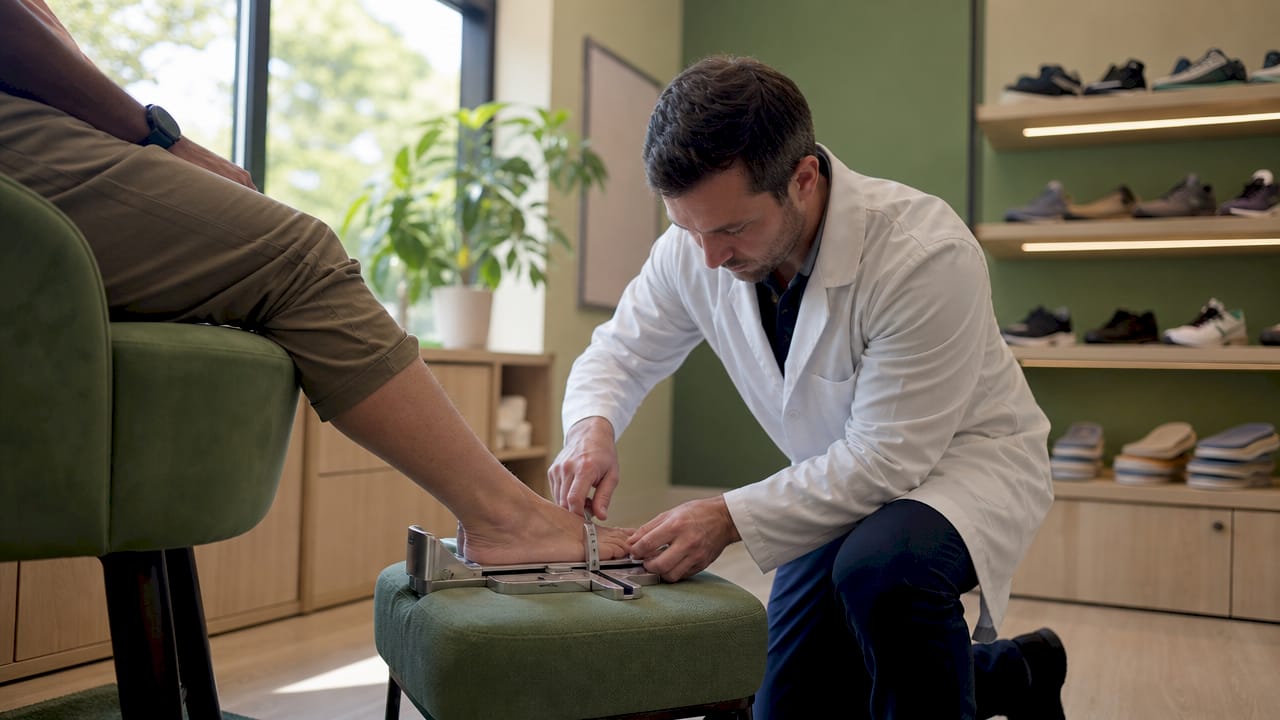
Pro Tip: Use a professional fitting service if you are unsure about your foot type. A trained fitter can assess heel slippage and identify the correct last shape for your foot, which is the single biggest factor in whether ergonomic benefits are actually delivered.
Budget is a real consideration. Entry-level ergonomic options with basic arch support and cushioning are widely available. Higher-specification designs with rocker soles and advanced materials cost more but deliver measurable biomechanical improvements. If you stand for more than four hours a day, the higher investment is justified by the reduction in cumulative joint stress.
For a detailed guide on combining style with health benefits, the 2026 ergonomic shoe guide from Ydauk covers current design options worth considering.
Key takeaways
Ergonomic footwear reduces cumulative joint stress, redistributes plantar pressure, and supports the entire kinetic chain from foot to spine.
| Point | Details |
|---|---|
| Heel force reduction | Ergonomic designs reduce heel forces by over 6%, removing kilograms of load per step. |
| Rocker sole benefit | Rocker soles cut peak forefoot pressure by up to 25%, easing metatarsalgia and plantar fasciitis. |
| Systemic joint impact | Proper foot alignment reduces strain on knees, hips, and the lumbar spine. |
| Fit determines outcome | Heel slippage or immediate discomfort signals a poor fit that negates all ergonomic benefits. |
| Broad applicability | Workers, older adults, people with diabetes, and active individuals all gain measurable benefits. |
Why I think most people underestimate what their shoes are doing to them
Most people choose shoes based on appearance and price. I understand that. But after years of paying attention to how footwear affects the body, I am convinced that the shoe is the most underrated health decision most people make every day.
The thing that surprises people most is the systemic effect. They come in thinking about foot pain, and they leave understanding that their knee ache, their lower back stiffness, and their afternoon fatigue are all connected to what is happening at ground level. The kinetic chain is real, and the foot is where it starts.
What I have also noticed is that people expect a break-in period. They assume discomfort is normal. It is not. A properly fitted ergonomic shoe should feel supportive from the first wear. If it does not, the shoe is wrong for your foot, full stop. Accepting discomfort as inevitable is how people end up wearing shoes that cause more harm than good over months and years.
My practical advice: treat your footwear the way you treat any other health decision. Think about what your feet do all day, who made the shoe and why, and whether the design actually matches your foot shape. The difference between a shoe that supports you and one that merely covers your foot is not always visible. But your joints will know the difference within a few weeks.
— Panagiotis
Ydauk’s approach to ergonomic foot health
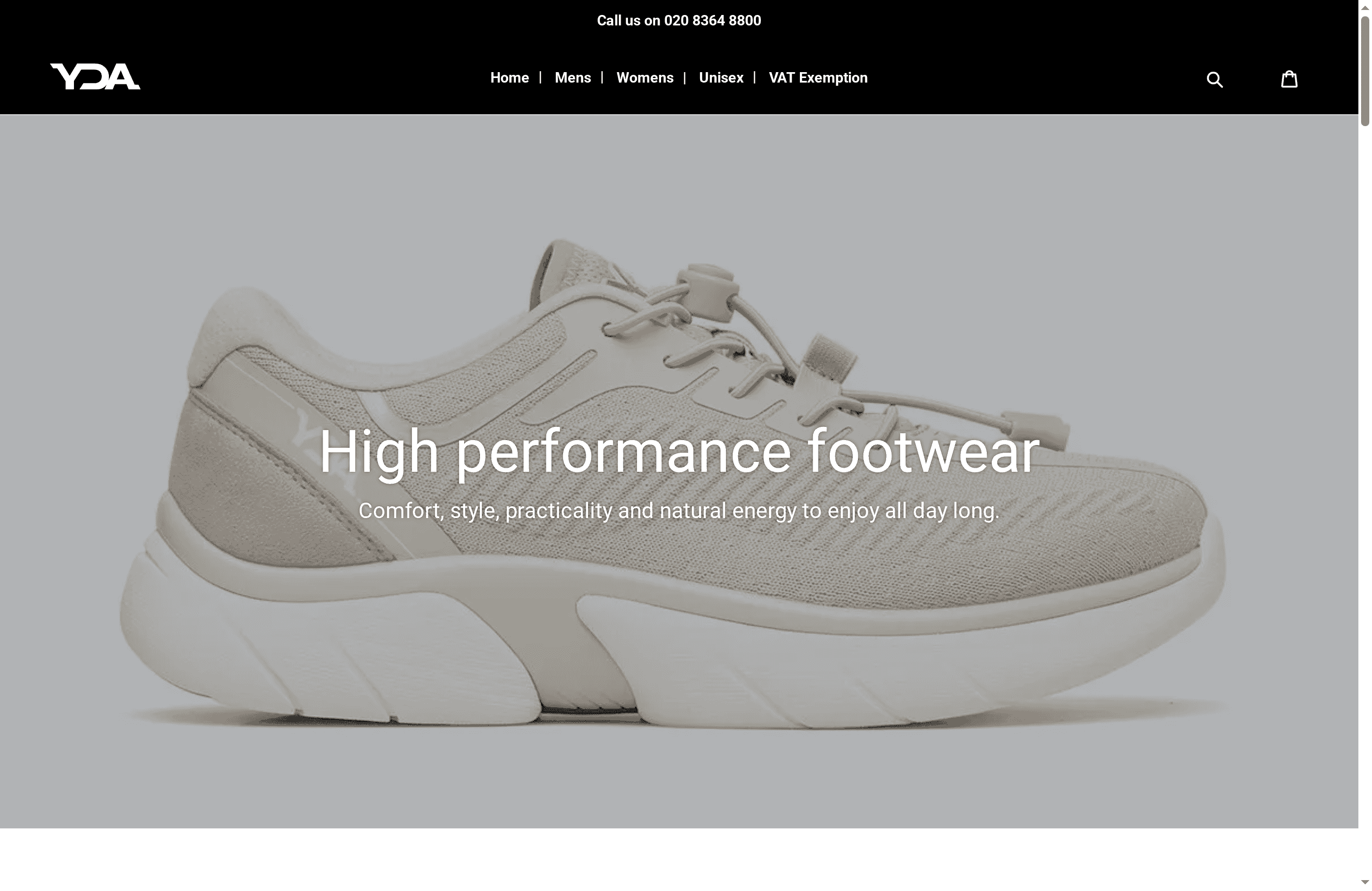
Ydauk builds its footwear around the same biomechanical principles covered in this article. The YDA Technology behind each shoe addresses arch support, forefoot pressure distribution, and energy return in a single integrated design. The result is a shoe that supports the foot’s natural mechanics without sacrificing everyday style. If you have been looking for footwear that genuinely supports your foot health rather than simply claiming to, Ydauk’s technology page explains exactly how each design feature contributes to comfort and long-term joint protection.
FAQ
What are the main benefits of ergonomic footwear?
Ergonomic footwear reduces foot pain, redistributes plantar pressure, and supports joint alignment from the ankle to the spine. Research confirms measurable reductions in heel force and forefoot loading with properly designed ergonomic shoes.
Do ergonomic shoes help with plantar fasciitis?
Yes. Cushioned heel cups and arch support reduce tension on the plantar fascia, easing the heel and arch pain associated with this condition. Rocker soles further reduce forefoot stress during walking.
How do I know if my ergonomic shoes fit correctly?
A correctly fitted ergonomic shoe feels comfortable immediately and shows no heel slippage during walking. Persistent discomfort or a sliding heel signals a sizing or last-shape mismatch that will negate the shoe’s benefits.
Are ergonomic shoes worth it for people who stand all day?
Yes. Workers who stand for six or more hours daily accumulate significant joint stress. Ergonomic footwear with arch support and cushioning reduces this load and lowers the risk of musculoskeletal disorders, as confirmed by studies of construction and healthcare workers.
Can ergonomic footwear improve posture?
Ergonomic footwear corrects foot alignment, which reduces compensatory movement in the knees, hips, and lumbar spine. The Arthritis Foundation and the Royal College of Podiatry both recognise this systemic benefit of properly designed ergonomic shoes.