
What Is a Rocker Sole? Foot Health Impact Explained
Finding stylish footwear that truly supports foot health can feel like a challenge, especially for those living with diabetic needs or chronic foot conditions. For many, the search goes beyond looks and comfort, demanding smarter solutions to enhance everyday mobility. Rocker sole shoes offer a fresh approach by easing plantar pressure and reshaping walking dynamics, giving you the chance to move comfortably and confidently while staying kind to your feet.
Table of Contents
- Rocker Sole Shoes Defined And Debunked
- Distinct Types Of Rocker Sole Design
- How Rocker Soles Enhance Foot Mobility
- Therapeutic Benefits For Foot Conditions
- Potential Drawbacks And Safety Issues
Key Takeaways
| Point | Details |
|---|---|
| Functionality of Rocker Soles | Rocker sole shoes enhance walking mechanics by redistributing plantar pressures and minimising biomechanical stress. |
| Variety of Designs | There are three main rocker sole types, each tailored for specific walking needs and biomechanics. |
| Therapeutic Benefits | These shoes can significantly aid in managing foot conditions like diabetic neuropathy and plantar fasciitis. |
| Potential Drawbacks | While beneficial, rocker sole shoes can pose risks such as reduced stability and increased chance of falls. |
Rocker Sole Shoes Defined And Debunked
Rocker sole shoes represent a sophisticated footwear innovation designed to transform walking mechanics and provide targeted biomechanical support. These uniquely engineered shoes feature a contoured sole with a curved profile that fundamentally alters how the foot moves during walking, effectively redistributing plantar pressures and modifying traditional gait patterns.
The core design of rocker sole shoes involves a strategic modification of the shoe’s sole geometry. Biomechanical studies reveal that these shoes are engineered to achieve several critical objectives:
- Reduce forefoot plantar pressures
- Limit sagittal plane foot joint motion
- Facilitate smoother walking mechanics
- Minimise biomechanical stress on foot structures
Understanding the rocker sole mechanism requires examining its unique structural characteristics. The shoe’s sole typically features three primary rocker zones: heel rocker, ankle rocker, and forefoot rocker. Each zone plays a specific role in managing foot movement and load distribution during walking.
While rocker sole shoes offer promising biomechanical advantages, research from Georgia Tech indicates that their effectiveness can vary depending on individual foot mechanics and specific design parameters. The optimal rocker profile remains a subject of ongoing scientific investigation, with researchers continuously refining shoe technologies to enhance biomechanical performance.
Pro tip: When selecting rocker sole shoes, prioritise a design that matches your specific foot structure and walking patterns for maximum comfort and therapeutic benefit.
Distinct Types Of Rocker Sole Design
Rocker sole designs represent a sophisticated approach to biomechanical footwear engineering, with multiple distinctive configurations tailored to address specific walking and movement requirements. Systematic rocker sole evaluations reveal intricate variations in sole geometry that fundamentally transform walking mechanics.
The primary rocker sole designs can be categorised into three main types:
- Traditional Angled Rocker: Characterised by a steep angle at the sole’s midpoint
- Toe-Only Curved Rocker: Features a pronounced curve near the forefoot
- Negative Heel Rocker: Incorporates a unique downward-sloping heel profile
Biomechanical research indicates that the apex position is crucial in determining the functional outcomes of these shoe designs. Each rocker type strategically manages load distribution and influences gait mechanics differently, making them particularly valuable for individuals with specific mobility challenges.
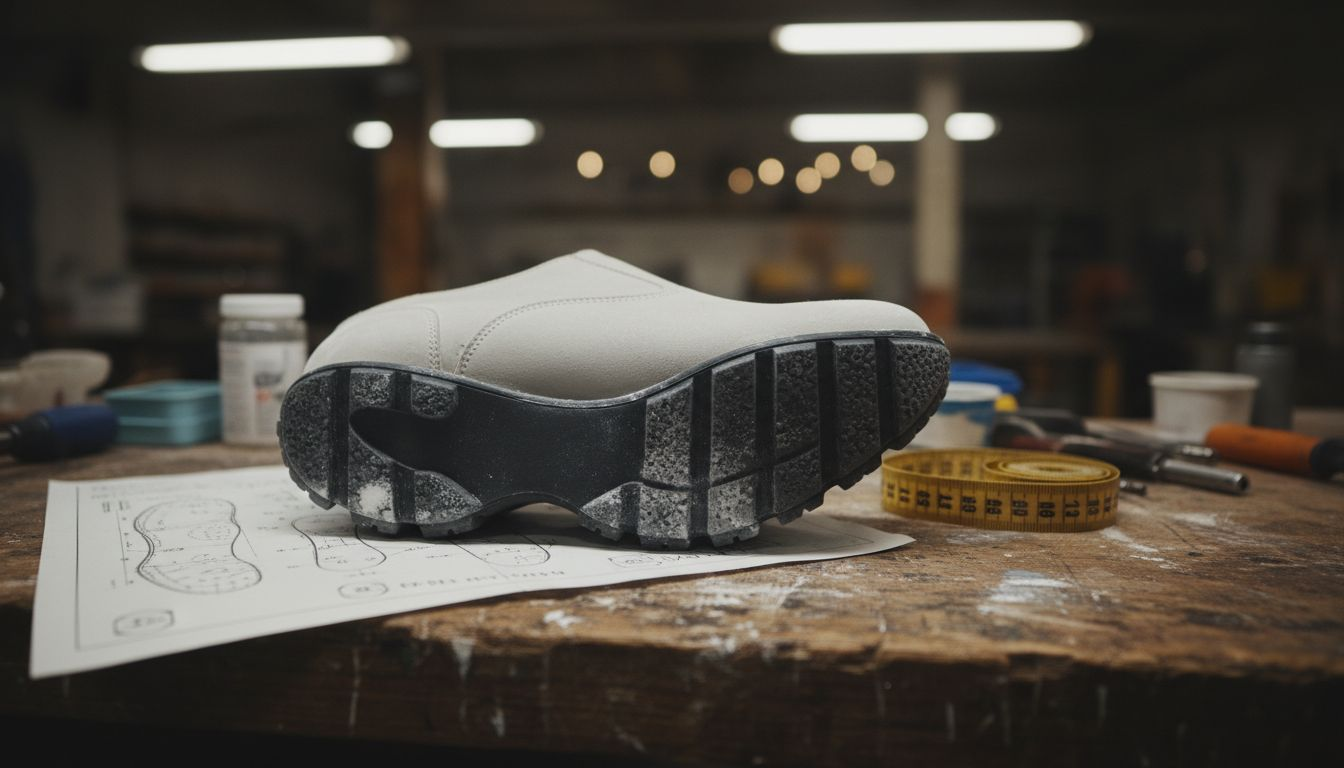
The geometric variations in rocker sole shapes significantly impact walking dynamics. Researchers have discovered that modifications in curvature radius and apex positioning can dramatically alter knee stability, particularly for patients with restricted ankle movement. The design’s sophistication lies in its ability to create a smooth, controlled walking progression that minimises biomechanical stress.
Here’s how different rocker sole designs compare in terms of their biomechanical focus and recommended uses:
| Design Type | Biomechanical Emphasis | Ideal Use Scenario |
|---|---|---|
| Traditional Angled | Smooth transition, stability | Walking with joint stiffness |
| Toe-Only Curved | Forefoot flexibility | Forefoot pain management |
| Negative Heel Rocker | Weight redistribution | Heel offloading in rehab |
Pro tip: Consult a biomechanics specialist to determine which rocker sole design best matches your individual walking pattern and foot structure.
How Rocker Soles Enhance Foot Mobility
Rocker soles represent a revolutionary approach to improving foot mobility, offering a sophisticated biomechanical solution for individuals struggling with traditional walking mechanics. Gait analysis research demonstrates how these innovative sole designs fundamentally transform walking dynamics by facilitating smoother foot movement.
The key mechanisms through which rocker soles enhance foot mobility include:
- Reducing sagittal plane motion requirements
- Minimising mechanical stress during walking
- Redistributing plantar pressures evenly
- Supporting controlled joint flexion
- Preserving walking efficiency
Biomechanical studies reveal that rocker soles create a unique rollover mechanism that enables individuals with limited ankle mobility to maintain natural walking patterns. The sole’s carefully engineered curvature allows for a seamless transition through different stages of foot movement, effectively compensating for potential mobility restrictions.
The double rocker sole design is particularly remarkable, maintaining walking speed while enabling controlled joint flexion at multiple points. This innovative approach helps redistribute body weight more efficiently, reducing stress on joints and creating a more comfortable walking experience. By mimicking natural foot mechanics, rocker soles essentially provide a biomechanical assistance system that supports individuals with varying mobility challenges.
Pro tip: Consult a biomechanics specialist to understand how specific rocker sole designs can address your unique mobility requirements.
Therapeutic Benefits For Foot Conditions
Rocker sole footwear represents a groundbreaking intervention for managing various foot conditions, offering targeted therapeutic solutions for patients struggling with chronic mobility challenges. Clinical research demonstrates remarkable potential in addressing specific medical needs through innovative sole design.
The key therapeutic benefits of rocker sole shoes include:
- Reducing plantar pressure points
- Preventing foot ulceration
- Redistributing body weight
- Minimising joint stress
- Supporting natural walking mechanics
- Enhancing mobility for patients with limited movement
Comprehensive studies reveal specific advantages for patients with distinct foot conditions. For diabetic patients with peripheral neuropathy, rocker soles provide critical pressure management, significantly reducing the risk of foot ulceration. Similarly, individuals suffering from plantar fasciitis can experience substantial pain reduction and improved foot function through strategic sole design.
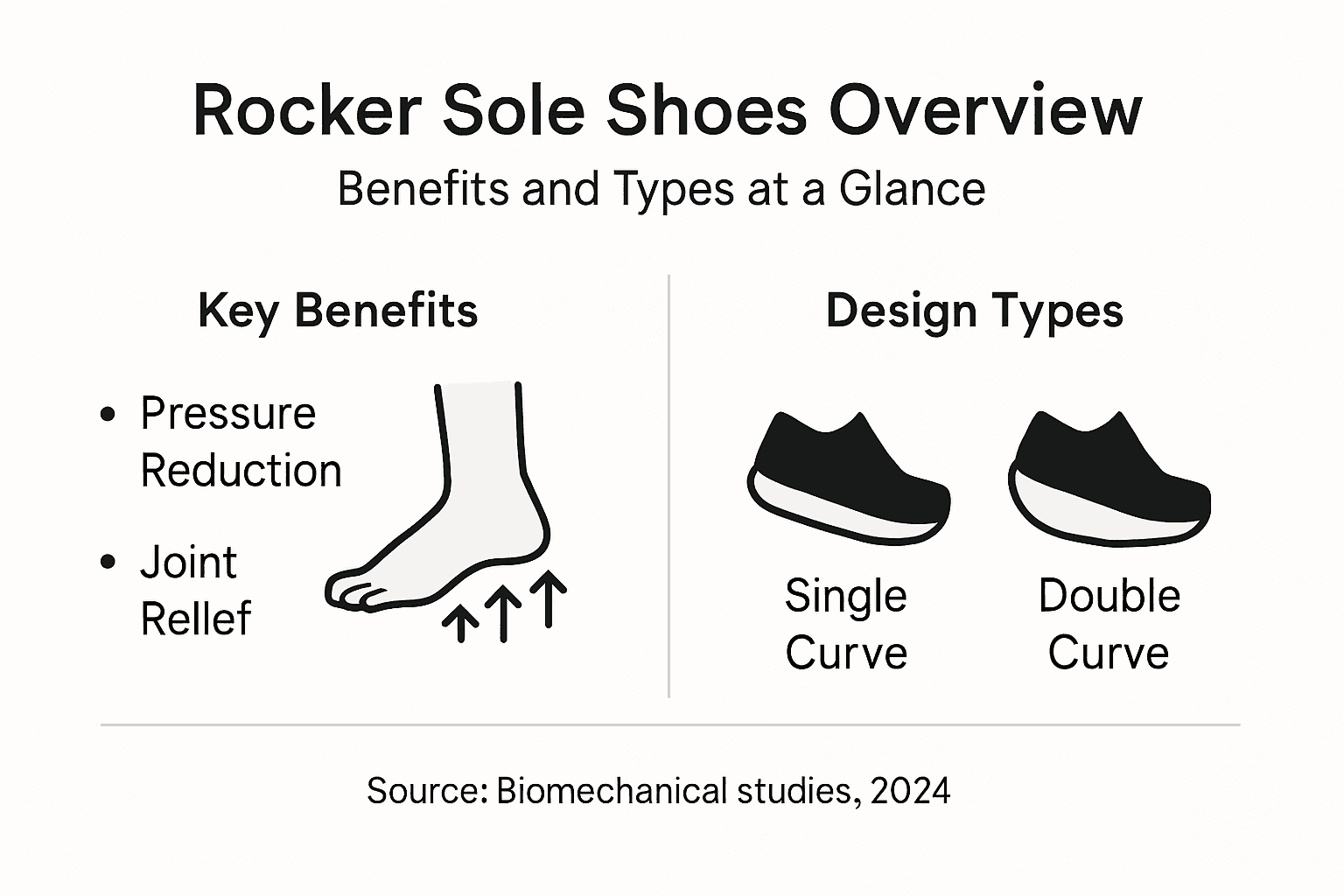
The therapeutic potential extends beyond single conditions, offering a versatile solution for various mobility challenges. By altering gait mechanics and providing targeted mechanical support, rocker sole shoes essentially function as a biomechanical intervention, helping patients maintain movement efficiency while minimising additional strain on vulnerable foot structures.
The following table summarises clinical applications of rocker sole shoes for specific conditions:
| Condition | Clinical Goal | Expected Impact |
|---|---|---|
| Diabetic neuropathy | Reduce ulcer risk | Lower plantar pressure |
| Plantar fasciitis | Improve comfort, function | Enhanced mobility, pain relief |
| Chronic low back pain | Relieve mechanical stress | Potential gait improvement |
Pro tip: Consult a podiatric specialist to determine the most appropriate rocker sole design for your specific foot health requirements.
Potential Drawbacks And Safety Issues
While rocker sole shoes offer significant therapeutic benefits, they are not without potential risks and safety considerations. Postural stability research highlights critical challenges associated with their unique design that patients and healthcare professionals must carefully evaluate.
Key potential drawbacks of rocker sole footwear include:
- Reduced overall stability during walking
- Increased risk of balance disruption
- Potential for unexpected falls
- Challenges with postural control
- Uneven weight distribution
- Increased strain on lower back muscles
Clinical investigations reveal that individuals with pre-existing conditions like chronic low back pain may experience more pronounced safety challenges. The curved sole design fundamentally alters natural walking mechanics, which can create unexpected biomechanical stress and potentially exacerbate existing mobility limitations.
The inherent instability of rocker sole shoes necessitates careful patient selection and professional guidance. While beneficial for specific therapeutic interventions, these shoes are not universally suitable and require comprehensive individual assessment. Factors such as existing musculoskeletal conditions, balance capabilities, and specific mobility requirements must be thoroughly evaluated before recommending rocker sole footwear.
Pro tip: Always consult a healthcare professional to assess your individual suitability for rocker sole shoes and receive personalised biomechanical recommendations.
Discover Advanced Footwear Solutions for Enhanced Mobility and Comfort
If you have been exploring how rocker sole shoes can transform your walking experience by reducing plantar pressure and improving gait mechanics you understand the importance of finding footwear that truly supports your foot health. At YDA UK, we specialise in offering high-performance shoes designed with cutting-edge technology that aligns perfectly with your need for comfort stability and biomechanical support.
Don’t compromise on comfort or style when managing foot mobility and therapeutic benefits. Explore our range of innovative footwear solutions crafted to enhance your natural movement while ensuring excellent energy efficiency. Visit YDA UK now to experience how advanced foot health technology can help you step confidently every day. Take the next step towards better foot health by browsing our exclusive collection and finding the perfect pair designed with your unique walking pattern in mind.
Frequently Asked Questions
What is a rocker sole?
Rocker soles are uniquely designed footwear with a contoured and curved sole that alters foot movement and walking mechanics, providing biomechanical support and redistributing plantar pressures.
How do rocker sole shoes improve foot health?
Rocker sole shoes enhance foot health by reducing plantar pressure points, minimising joint stress, and facilitating smoother walking mechanics, ultimately improving mobility and comfort for individuals with foot conditions.
What types of foot conditions can benefit from rocker sole footwear?
Rocker sole shoes are beneficial for various foot conditions such as diabetic neuropathy, plantar fasciitis, and chronic low back pain, as they provide targeted pressure management and improve overall movement efficiency.
Are there any drawbacks to wearing rocker sole shoes?
Yes, potential drawbacks include reduced stability during walking, increased risk of balance disruption, and possible strain on lower back muscles. It is crucial to consult a healthcare professional before using them.